
Thinking about adding a shower to your basement half bath? You’re not alone.
Many homeowners want to make their basement bathrooms more practical and comfortable. Imagine turning that small, simple space into a fully functional bathroom where guests or family members can freshen up without heading upstairs. Adding a shower can boost your home’s value, save time during busy mornings, and make your basement feel more complete.
If you want to learn how to make this upgrade happen smoothly and without stress, keep reading. This guide will walk you through everything you need to know to add a shower to your basement half bath with confidence.
Planning Your Basement Shower
Planning a shower in your basement half bath takes careful thought. It is more than just placing a showerhead. You must consider space, plumbing, and style. A well-planned shower adds value and comfort to your home. Here are key steps to guide you.
Assessing Space And Layout
Measure the available space in your basement half bath. Consider the shape and size of the room. Check for any obstacles like doors or windows. Think about where plumbing lines are or can be placed. Ensure enough room for shower installation and movement. A cramped space can make shower use uncomfortable.
Choosing The Right Shower Type
Select a shower type that fits your space and needs. A corner shower saves space and fits well in small rooms. A walk-in shower offers easy access but needs more space. Shower stalls with sliding doors can be practical in tight spaces. Pick materials that resist moisture and are easy to clean.
Budgeting For Your Project
Set a clear budget for your basement shower project. Factor in plumbing, materials, labor, and permits. Basic showers cost less but may lack luxury features. Custom designs and high-end fixtures increase expenses. Plan for unexpected costs to avoid surprises. A realistic budget helps keep the project on track.
Plumbing Considerations
Adding a shower to a basement half bath requires careful plumbing planning. The space below ground level presents unique challenges. Water supply, drainage, and ventilation all need special attention. Proper plumbing ensures the shower works well and avoids future problems.
Extending Water Supply Lines
New water lines must reach the basement shower. Cold and hot water pipes often need to be extended. Use durable materials like copper or PEX tubing. Keep pipe runs as short as possible to maintain water pressure. Install shut-off valves near the shower for easy maintenance.
Installing Proper Drainage
Drain pipes must carry wastewater out efficiently. Basement showers drain below ground level, so gravity flow can be tricky. A sewage ejector pump may be necessary to lift water to the main sewer line. Ensure pipes slope correctly to prevent clogs and backups. Use cleanouts for easy access during maintenance.
Ventilation And Waterproofing
Vent pipes prevent sewer gases from entering the home. Connect vents to the existing plumbing vent system or install air admittance valves. Waterproofing the shower area is crucial in basements to avoid leaks. Use water-resistant membranes and sealants on walls and floors. Proper ventilation also helps reduce mold and mildew growth.
Design And Style Options
Design and style choices shape how your basement half bath feels and functions. Thoughtful decisions make the space both practical and attractive. You can create a shower area that fits your taste and needs. Focus on materials, storage, and lighting to enhance the room’s look and comfort.
Selecting Shower Materials
Choose materials that resist moisture and last long. Ceramic or porcelain tiles offer durability and easy cleaning. Glass shower doors open the space and add a modern touch. Consider natural stone for a warm, elegant feel. Vinyl or acrylic shower pans keep water contained and simplify upkeep.
Incorporating Storage Solutions
Storage keeps the bathroom tidy and clutter-free. Built-in shelves or niches in the shower wall hold soaps and shampoos. Corner caddies use space efficiently without crowding. Wall-mounted racks or hooks provide spots for towels and robes. Compact storage units fit small basements well.
Lighting For A Bright Space
Good lighting makes the basement bath inviting and safe. Install bright, moisture-safe ceiling lights for overall illumination. Add LED strip lights around mirrors for better visibility. Use wall sconces to create soft, warm ambiance. Natural light is rare in basements, so rely on layered lighting for brightness.
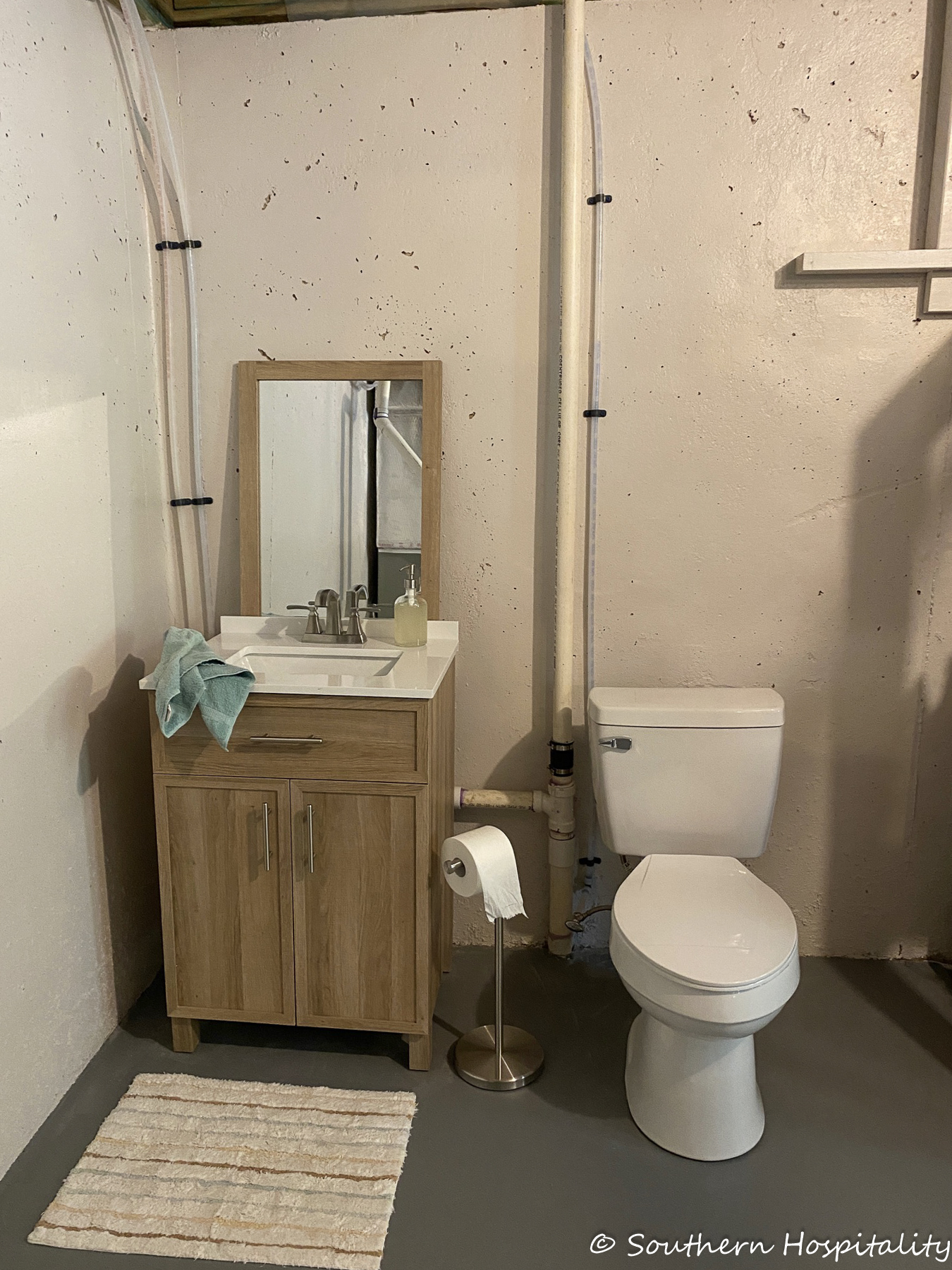
Credit: southernhospitalityblog.com
Diy Vs Professional Installation
Adding a shower to your basement half bath can improve your home’s value and convenience. Deciding between DIY and professional installation matters a lot. This choice affects costs, time, and the final result.
Evaluating Your Skill Level
Think about your plumbing and construction skills. Do you understand water lines, drainage, and waterproofing? Mistakes can cause leaks and damage. Basic tools might not be enough. A small error can lead to big problems later. If you feel unsure, hiring help may be safer.
Hiring Licensed Contractors
Licensed contractors have training and experience. They know local building codes and rules. This ensures your shower installation is safe and legal. Professionals handle permits and inspections. They use quality materials and tools. Hiring experts can save time and reduce stress.
Common Installation Challenges
Basements often have low ceilings and limited space. Plumbing might need rerouting, which is tricky. Waterproofing and proper drainage are critical but complex tasks. Mistakes can cause mold and water damage. Working around pipes and electrical wiring adds difficulty. These challenges may be hard for beginners to manage.
Maximizing Basement Bathroom Functionality
Maximizing the functionality of a basement bathroom makes a big difference. A well-planned layout helps use every inch wisely. This creates a space that feels open and easy to use. Thoughtful choices in design and fixtures improve comfort and convenience. A basement half bath with a shower can become a practical, inviting area for guests or family.
Simple changes can make the bathroom work better. Focus on space-saving fixtures, accessibility, and moisture control. These elements keep the bathroom efficient and safe. They also help the room last longer without problems.
Space-saving Fixtures
Choose fixtures designed to fit small spaces. Compact sinks and toilets free up more room. Corner sinks or wall-mounted vanities make the area less crowded. A shower with clear glass doors opens the sightline. This makes the bathroom feel larger and brighter. Small shelves or built-in niches keep items organized. They avoid clutter on counters and floors.
Adding Accessibility Features
Basement bathrooms should be easy for everyone to use. Install grab bars near the shower and toilet for safety. Use lever-style handles on faucets and doors for easier grip. A walk-in or low-threshold shower reduces tripping risks. Good lighting helps people see clearly. Non-slip flooring adds extra protection from falls. These features make the bathroom welcoming for all ages and abilities.
Maintaining Moisture Control
Basements often have moisture challenges that affect bathrooms. Proper ventilation is key to prevent mold and damage. Install a powerful exhaust fan that vents outside. Use moisture-resistant materials on walls and floors. Seal all gaps to keep water from seeping in. Regularly check for leaks around fixtures and pipes. Keeping moisture under control keeps the space fresh and healthy.

Credit: www.familyhandyman.com

Credit: www.youtube.com
Frequently Asked Questions
Can I Add A Shower To My Basement Half Bath?
Yes, you can add a shower by installing proper plumbing and waterproofing. It requires space, drainage, and venting adjustments.
How Much Does It Cost To Add A Basement Shower?
Costs vary but expect $1,500 to $5,000 depending on materials and labor. Plumbing changes often increase the budget.
What Plumbing Changes Are Needed For A Basement Shower?
You need water supply lines and a drain connected to the sewer system. A sump pump may be required if drainage is low.
Is A Basement Floor Drain Necessary For The Shower?
A floor drain helps prevent water damage by managing spills and leaks. It is highly recommended for basement showers.
Can I Use A Standard Shower Unit In A Basement?
Yes, but ensure it fits the space and local codes. Prefabricated shower units are common and easier to install.
How To Prevent Moisture Problems In A Basement Shower?
Use waterproof materials and proper ventilation. A good exhaust fan reduces humidity and mold risk.
Do I Need A Permit To Add A Shower In The Basement?
Most areas require a permit for plumbing work. Check with your local building department before starting the project.
Conclusion
Adding a shower to your basement half bath can improve your home’s comfort and value. It creates a more useful space for guests or family. Planning well helps avoid costly mistakes and saves time. Choose the right materials for moisture and space limits.
A well-installed shower keeps the basement dry and fresh. Small changes can make a big difference in your home’s function. Start with a clear plan and enjoy the new convenience.