
When it comes to watering your garden or washing your car, you might wonder which outdoor faucet is best for your needs: a wall hydrant or a hose bibb. You probably want something reliable, easy to use, and built to last.
But how do you decide between the two? Understanding the key differences can save you time, money, and frustration. Keep reading to discover which option suits your home perfectly and makes your outdoor water tasks hassle-free.
Wall Hydrant Basics
Wall hydrants are outdoor water fixtures attached directly to a building’s exterior wall. They provide easy access to water for gardening, washing, and other outdoor tasks. Understanding their basics helps choose the right option between a wall hydrant and a hose bibb.
Design And Features
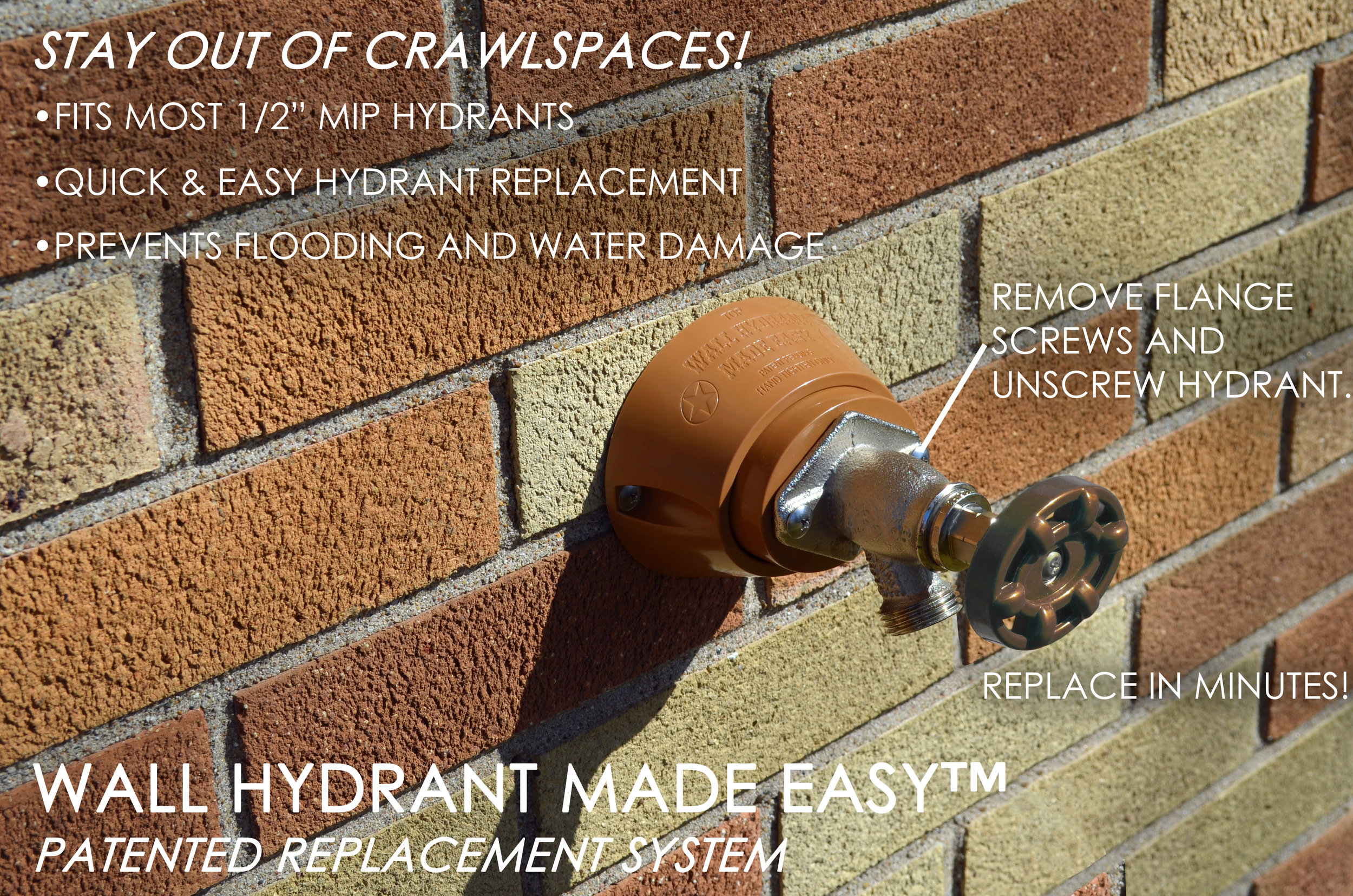
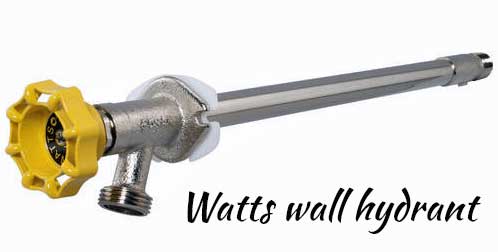
Wall hydrants have a long body that passes through the wall. This design helps prevent freezing during cold weather. They usually include a vacuum breaker to stop water backflow. The handle is often made of metal or plastic for easy grip. They come in frost-free models, which shut off water inside the heated part of the building.
Common Uses
Wall hydrants are perfect for outdoor watering and cleaning. Gardeners use them to connect hoses for plants. They also supply water for car washing or filling pools. Many commercial buildings use wall hydrants for maintenance. Their freeze-proof design suits colder climates well.
Installation Process
Installation requires drilling a hole through the wall. The hydrant body fits tightly into this hole. Plumbers connect it to the indoor water supply pipe. Proper sealing prevents leaks and water damage. Some models need a slight slope to allow drainage. Testing for leaks is important before finishing the job.
Credit: mitimfg.com
Hose Bibb Essentials
A hose bibb is a common outdoor faucet. It connects garden hoses to a water supply. People use it for watering plants, washing cars, and many other tasks. Understanding its basics helps in choosing and using it properly.
Hose bibbs come in different styles and sizes. They are easy to install and maintain. Knowing their key features and uses makes handling outdoor water easier.
Key Characteristics
A hose bibb has a valve to control water flow. It usually has a threaded spout for hose attachment. Most are made of brass or metal for durability. Some have frost-free designs to prevent freezing in winter. The handle can be a lever or round knob. It opens and closes the water quickly and easily.
Typical Applications
Hose bibbs are used outside homes and buildings. They supply water for gardening and lawn care. Homeowners use them to fill pools or wash driveways. They also help with cleaning outdoor furniture or tools. In some cases, they supply water for pet washing stations.
Installation Steps
Start by shutting off the main water supply. Choose a spot on an exterior wall with easy hose access. Drill a hole through the wall for the pipe. Attach the hose bibb to the water pipe with plumber’s tape. Secure it tightly to prevent leaks. Turn on the main water supply and check for leaks. Test the handle to ensure smooth water flow. Seal the hole around the pipe for protection.
Material Comparison
Choosing between a wall hydrant and a hose bibb often depends on the materials used in each. Material quality affects how long they last and how well they work. Understanding this helps in picking the right option for your needs.
Durability Factors
Wall hydrants usually have stronger materials. Many use heavy-duty metals like brass or stainless steel. Hose bibbs often use lighter metals or plastic parts. Stronger materials resist damage from weather and use. This means wall hydrants often last longer outdoors.
Corrosion Resistance
Corrosion can cause leaks and failure. Brass and stainless steel resist rust well. Wall hydrants made from these metals stay reliable longer. Hose bibbs may have zinc or plastic parts that wear faster. Choosing materials with good corrosion resistance saves money and effort.
Maintenance Needs
Materials affect how much care is needed. Metal wall hydrants need less frequent repairs. Hose bibbs with plastic parts may need more fixes or replacements. Regular cleaning and checking prevent problems. Durable materials reduce how often you must maintain the faucet.
Performance And Functionality
Performance and functionality are key factors when choosing between a wall hydrant and a hose bibb. Both devices serve to deliver water outside, but their design and use affect how well they work. Understanding these differences can help you pick the right option for your needs.
Water Flow And Pressure
Wall hydrants often handle higher water flow than hose bibbs. They connect directly to the main water line, offering strong pressure. Hose bibbs work well for basic garden tasks but may have slightly lower flow. The pipe size and valve design affect how much water each can deliver.
Freeze Protection
Wall hydrants usually have built-in freeze protection. They allow water to drain out after use, preventing pipes from freezing in cold weather. Hose bibbs are more exposed and can freeze if not winterized. Extra steps like shut-off valves and insulation help protect hose bibbs from frost damage.
Ease Of Use
Hose bibbs are common and easy to use for most homeowners. They turn on and off with a simple handle. Wall hydrants might need a bit more care to operate, especially models with frost-proof features. Both devices connect to garden hoses quickly, but wall hydrants sometimes require more effort to install.
Cost And Budget Considerations
Cost and budget play a big role in choosing between a wall hydrant and a hose bibb. Understanding the price differences helps to make the right decision. The total cost includes buying, installing, and maintaining the fixture. This section breaks down each cost type for better clarity.
Initial Purchase Price
Wall hydrants often cost more than hose bibbs. This is because wall hydrants are built for heavy use and outdoor conditions. Hose bibbs are simpler and less expensive. The price difference can affect small budgets. Choosing the right option depends on the needed features and durability.
Installation Expenses
Installing a wall hydrant usually takes more time and effort. It requires cutting into walls and connecting to the main water line. This raises labor costs. Hose bibbs are easier to install and often cost less. The location and plumbing setup influence installation prices. Planning ahead can save money on these expenses.
Long-term Savings
Wall hydrants can save money over time. They are less likely to leak or break. This means fewer repairs and replacements. Hose bibbs may need more maintenance. Leaks can increase water bills. Choosing a durable fixture lowers long-term costs. Consider these savings when deciding what to buy.
Choosing Based On Location
Choosing between a wall hydrant and a hose bibb depends largely on the location. The environment around the installation site affects performance and durability. Consider the setting carefully to select the right option for your needs.
Climate Impact
Climate plays a big role in choosing outdoor water fixtures. Wall hydrants are often frost-free, which helps in cold areas. They reduce the risk of freezing pipes and water damage. Hose bibbs work well in mild climates but may freeze in winter. Protect them with covers or by shutting off the water supply.
Building Type Suitability
Different buildings call for different fixtures. Wall hydrants fit well on commercial buildings or large homes with high water use. They connect easily to underground pipes and offer better protection. Hose bibbs suit smaller homes or gardens. They are simpler to install and use for quick watering tasks.
Accessibility Factors
Access to water controls matters for convenience and safety. Wall hydrants often have valves inside the building, making them easier to control and maintain. Hose bibbs usually have outdoor valves, which can be more accessible for everyday use. Think about who will use the water and how often before choosing.
Common Issues And Troubleshooting
Wall hydrants and hose bibbs face similar issues. Knowing common problems helps fix them fast. Regular checks keep them working well. Troubleshooting saves time and money. Here are common issues and easy fixes.
Leaks And Drips
Leaks and drips are the most common problems. They waste water and cause damage. Check the valve and washers first. Worn washers cause water to drip. Tighten connections to stop leaks. Replace damaged washers or seals quickly. Persistent leaks need a new valve or hose bibb.
Freezing Problems
Freezing damages both wall hydrants and hose bibbs. Water inside pipes freezes and expands. This can crack the pipe or valve. Outdoor faucets should be shut off in winter. Drain water from pipes to avoid freezing. Use insulated covers for extra protection. Check for cracks after winter ends.
Repair Tips
Turn off the water before repairs. Use tools like wrenches and pliers carefully. Replace old or broken parts with exact matches. Clean the valve seat for better sealing. Lubricate moving parts to prevent sticking. Test the repair by turning water back on slowly. Call a plumber for complex problems or if unsure.

Credit: www.youtube.com
Environmental And Safety Factors
Choosing between a wall hydrant and a hose bibb involves considering environmental and safety factors. These factors impact water use, health, and home safety. Understanding them helps make a smart choice for your outdoor water needs.
Water Conservation
Wall hydrants often have better shut-off valves. They stop water flow completely, which prevents leaks. Hose bibbs can drip more easily, wasting water. Saving water is important for the environment and your utility bills.
Backflow Prevention
Backflow occurs when dirty water flows back into clean water supply. Wall hydrants usually come with built-in backflow preventers. This feature protects your home’s water from contamination. Hose bibbs may lack this feature, increasing risk of pollution.
Child Safety
Wall hydrants are often mounted higher on walls. This placement keeps them out of children’s reach. Hose bibbs are low and easy for kids to access. This can lead to accidents or misuse. Keeping water controls away from children improves safety.
Expert Recommendations
Choosing between a wall hydrant and a hose bibb requires good advice. Experts share tips to help you decide. Proper installation and care extend the life of your outdoor water fixtures. Knowing when to upgrade saves money and avoids damage.
Professional Installation Advice
Hire a licensed plumber for installation. Proper mounting prevents leaks and damage. Ensure frost-free models are used in cold climates. Install with a slight downward slope to avoid water pooling inside. Use quality materials to prevent corrosion and wear.
Maintenance Best Practices
Check for leaks regularly around the valve and spout. Drain the hydrant or bibb before winter to prevent freezing. Clean the exterior to avoid dirt buildup. Replace washers and seals yearly for smooth operation. Avoid using excessive force to turn the handle.
When To Upgrade
Replace old fixtures if they leak or drip constantly. Upgrade to frost-free models in colder areas. Switch to wall hydrants for easier winter use. Consider hose bibbs for simple garden watering needs. Upgrade if water pressure is low or inconsistent.
Credit: terrylove.com
Frequently Asked Questions
What Is The Main Difference Between Wall Hydrant And Hose Bibb?
A wall hydrant is built into the wall with a frost-proof design. A hose bibb is an outdoor faucet usually mounted on a house exterior.
Which Is Better For Cold Weather, Wall Hydrant Or Hose Bibb?
Wall hydrants are better for cold weather because they prevent freezing. Hose bibbs often freeze if not winterized properly.
Can I Connect A Garden Hose To Both Wall Hydrant And Hose Bibb?
Yes, both wall hydrants and hose bibbs have standard hose threads. You can easily attach a garden hose to either.
How Do Wall Hydrants Save Water Compared To Hose Bibbs?
Wall hydrants often have built-in vacuum breakers to prevent leaks. Hose bibbs may drip more if the washer wears out.
Are Wall Hydrants More Expensive Than Hose Bibbs To Install?
Yes, wall hydrants usually cost more due to wall installation and frost-proof features. Hose bibbs are simpler and cheaper to install.
Can Hose Bibbs Be Used Indoors Like Wall Hydrants?
No, hose bibbs are designed for outdoor use only. Wall hydrants are also outdoor fixtures but installed inside walls.
Which Option Is Easier To Repair, Wall Hydrant Or Hose Bibb?
Hose bibbs are easier to repair because they are external. Wall hydrants require wall access, making repairs more complex.
Conclusion
Choosing between a wall hydrant and a hose bibb depends on your needs. Wall hydrants work well for cold climates and prevent freezing. Hose bibbs offer easy outdoor water access. Both have pros and cons to consider. Think about your location and usage before deciding.
Proper installation and maintenance keep them working longer. Watering your garden or washing your car becomes easier with the right choice. Simple tools can make outdoor water use better and more efficient. Choose smart to save time and effort.