
Are you thinking about upgrading your shower but worried about the hassle and cost of tiling? A concrete shower pan with no tile might be the perfect solution for you.
It’s strong, easy to maintain, and can give your bathroom a sleek, modern look without the extra work. You’ll discover how a tile-free concrete shower pan can save you time, money, and frustration—while still delivering a stylish and durable finish.
Keep reading to find out why this option could be exactly what your bathroom needs.
Credit: www.etsy.com
Benefits Of Concrete Shower Pans
Concrete shower pans offer many advantages for bathroom renovations. They provide a strong base that supports the entire shower structure. Concrete pans can be customized to fit any shower size or shape.
This flexibility makes them ideal for unique or modern bathroom designs. Their solid surface prevents water damage and leaks. Homeowners appreciate the long-lasting nature of these pans.
Durability And Longevity
Concrete shower pans are tough and built to last many years. They resist cracks and breaks better than other materials. This durability means fewer repairs or replacements over time.
Concrete can handle heavy use and weight without losing strength. It also stands up well to heat and moisture. This makes it perfect for wet areas like showers.
Waterproofing Advantages
Concrete pans create a solid, waterproof barrier against water leaks. Properly sealed, they prevent water from reaching floors or walls. This helps avoid mold and water damage in bathrooms.
The smooth surface of concrete directs water to the drain quickly. It reduces standing water and keeps the shower clean and dry. This improves hygiene and safety inside the shower.
Low Maintenance Requirements
Concrete shower pans require little care to stay in good shape. They do not need special cleaners or treatments. Simple cleaning with soap and water keeps them looking fresh.
Unlike tile, concrete has no grout lines to scrub or replace. This saves time and effort during regular cleaning. Homeowners enjoy a hassle-free shower space with concrete pans.
Design Options Without Tile
Concrete shower pans offer many design choices without using tile. These options let you create a unique and modern look for your bathroom. Concrete is strong and easy to shape, making it perfect for different styles. You can achieve smooth, textured, or colorful finishes that fit your taste and bathroom theme.
Smooth Finish Styles
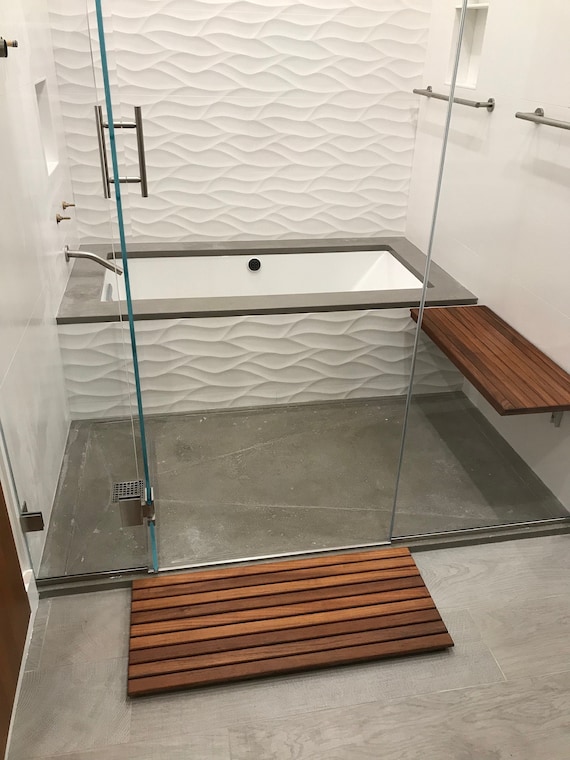
Smooth concrete finishes create a clean and sleek look. The surface feels soft underfoot and is easy to clean. You can polish the concrete to a shiny or matte look. This style works well in modern or minimalist bathrooms. It also highlights the natural color of the concrete for a simple, elegant feel.
Textured And Patterned Surfaces
Textured concrete adds grip and visual interest. You can create patterns by stamping or engraving designs. Pebble or stone textures offer a natural, spa-like feel. Patterns can also help prevent slipping in the shower. Textured surfaces bring depth and style without the need for tile.
Color And Stain Techniques
Concrete accepts color and stain well. You can choose soft earth tones or bold hues. Stains soak into the concrete, creating lasting color effects. You can also blend colors for a marbled or mottled look. Color and stain allow you to customize the pan without extra materials.
Installation Techniques
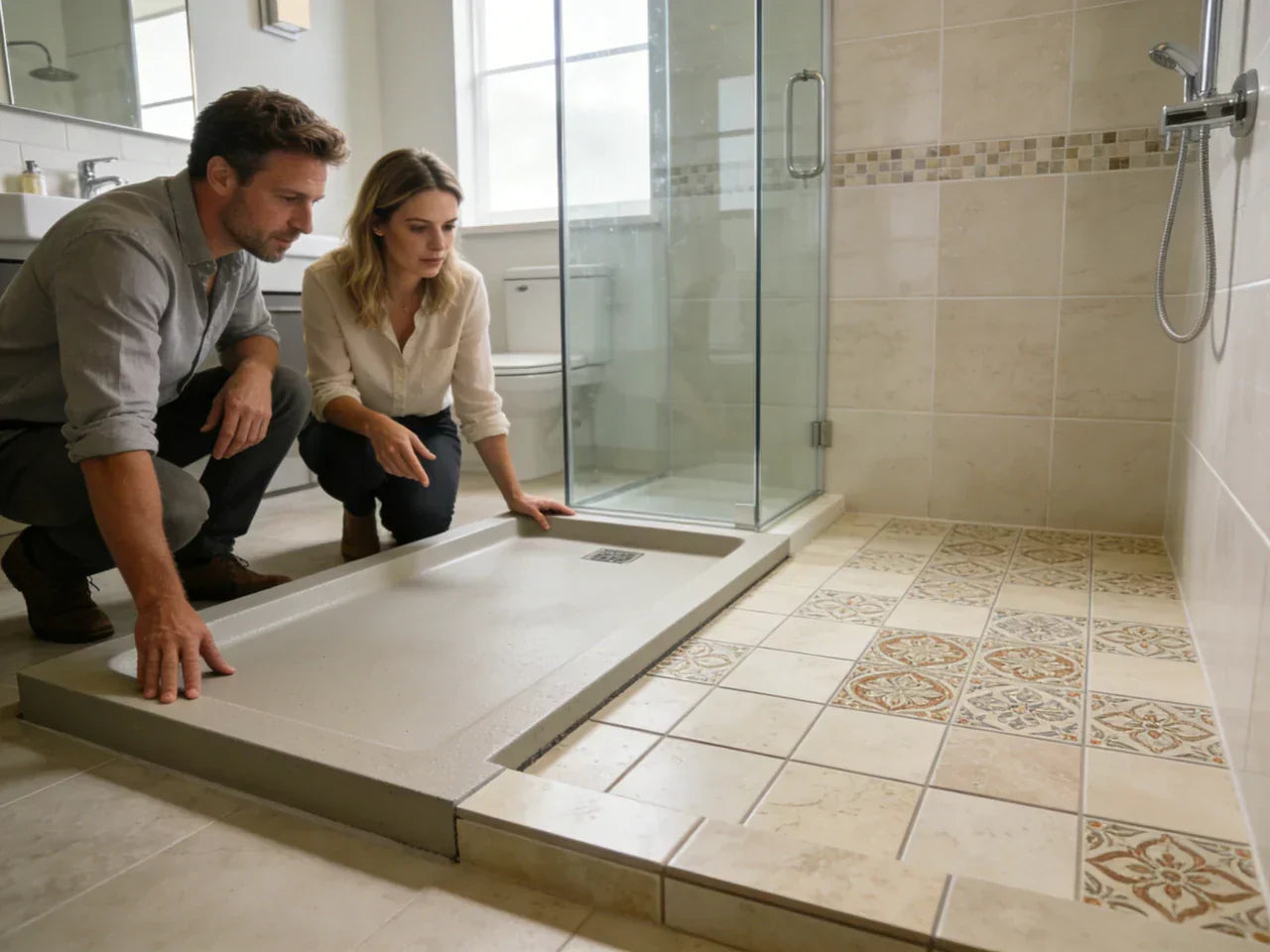
Installing a concrete shower pan without tile requires careful steps. Each step ensures the pan is strong, waterproof, and ready for use. The process starts with preparing the base, then mixing and pouring the concrete. Finally, sealing and waterproofing protect the shower pan from water damage. Understanding these techniques helps achieve a durable and smooth finish.
Preparing The Base
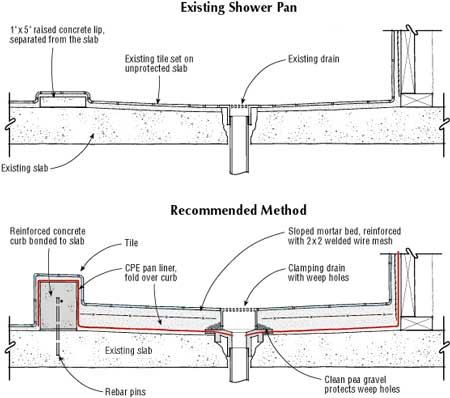
Begin by cleaning the shower area thoroughly. Remove any dirt, dust, or debris. The base must be level and solid. Use a cement board or waterproof membrane as a foundation. This layer prevents moisture from reaching the floor below. Check the slope carefully. A slight incline toward the drain is necessary for water flow.
Mixing And Pouring Concrete
Use a quality concrete mix for the shower pan. Follow the instructions on the package for the right water-to-mix ratio. Mix until smooth and consistent. Pour the concrete evenly over the prepared base. Shape the concrete to form the pan’s edges and slope. Use a trowel to smooth the surface. Let the concrete cure fully before moving on.
Sealing And Waterproofing Methods
Apply a waterproof sealant over the cured concrete. This step prevents water from seeping through. Choose a sealant made for concrete shower pans. Apply in thin, even layers using a brush or roller. Allow each layer to dry before adding the next. Consider adding a liquid waterproof membrane for extra protection. Ensure all corners and edges are well covered.
Credit: horow.com
Maintenance Tips For Concrete Shower Pans
Concrete shower pans without tile are strong and stylish. Proper care keeps them lasting longer and looking good. Following a few simple maintenance steps helps avoid damage and costly repairs. These tips focus on cleaning, preventing cracks and stains, and fixing small problems quickly.
Cleaning Without Damage
Use mild soap and warm water to clean the pan. Avoid harsh chemicals or abrasive scrubbers. These can wear down the surface and cause stains. A soft cloth or sponge works best. Rinse well after cleaning. Dry the pan with a towel to stop water spots.
Preventing Cracks And Stains
Keep heavy objects away from the shower pan. Sudden impacts can cause cracks. Wipe up spills quickly to prevent stains. Use a sealant on the concrete every year. This protects the surface and makes cleaning easier. Check the sealant regularly and reapply as needed.
Repairing Minor Imperfections
Small cracks or chips should get fixed fast. Use a concrete patch or filler made for shower pans. Clean the area before applying the patch. Smooth it out to match the pan surface. Let it dry fully before using the shower again. Regular repairs keep the pan strong and prevent bigger damage.
Comparing Concrete Pans To Traditional Tile
Choosing between a concrete shower pan and traditional tile affects many parts of a bathroom project. Each option has different costs, time needs, and looks. Understanding these differences helps make the best choice for your space. Below, key points compare concrete pans with tile in showers.
Cost Differences
Concrete pans usually cost less than tiled showers. Tile requires many materials like grout, adhesive, and tiles. Labor costs rise with the need for precise tile placement. Concrete uses fewer materials, lowering expenses. Repair costs can be lower with concrete due to its durability.
Time And Labor Factors
Installing a concrete shower pan takes less time than tiling. Tile installation needs careful cutting and fitting. Grouting and sealing add more work. Concrete pans install faster and need less skill. This reduces labor time and speeds up bathroom projects.
Aesthetic And Practical Considerations
Tiles offer many design choices and colors. They can match any bathroom style. Concrete pans have a smooth, modern look. They are easier to clean and maintain. Concrete is less likely to develop mold or cracks. Each option suits different tastes and needs.
Popular Trends In Concrete Shower Designs
Concrete shower pans without tile are gaining popularity in bathroom design. They offer a sleek, durable base for modern showers. Many homeowners prefer concrete for its strength and style options. Concrete can be shaped and finished in many ways. This flexibility allows for unique and personalized shower designs. Below are popular trends in concrete shower designs that suit various tastes and needs.
Minimalist And Modern Looks
Minimalist concrete showers focus on clean lines and simple shapes. The smooth, flat surface of the concrete pan blends well with modern fixtures. Neutral colors like gray and white keep the space calm and open. Minimal texture adds subtle interest without clutter. This style suits small bathrooms by making them feel larger. It also pairs well with glass shower doors and sleek hardware.
Rustic And Natural Finishes
Rustic concrete showers use rougher textures and earthy tones. The surface can mimic natural stone or wood grain. These finishes bring warmth and a natural feel to the space. Concrete stains and acid washes add depth to the pan’s color. This look fits well in farmhouse or cabin-style bathrooms. It creates a cozy, inviting shower space with a strong, sturdy base.
Custom Shapes And Sizes
Concrete can be poured in many shapes and sizes. Curved edges and non-standard dimensions are easy to achieve. This allows showers to fit odd spaces or unique layouts. Custom pans can include built-in slopes for better drainage. Homeowners can match the pan to specific design ideas or bathroom shapes. Custom concrete pans provide both function and style tailored to the user’s needs.
Credit: www.jlconline.com
Frequently Asked Questions
What Is A Concrete Shower Pan Without Tile?
A concrete shower pan without tile is a solid base made of concrete. It acts as a waterproof floor in a shower. This type of pan skips the usual tile layer on top.
How Does A Concrete Shower Pan Prevent Leaks?
Concrete pans are waterproofed with special coatings or membranes. These layers stop water from seeping through the floor. Proper slope directs water to the drain.
Can I Install A Concrete Shower Pan Myself?
Yes, but it requires some skill in mixing and shaping concrete. You must ensure correct slope and waterproofing. Mistakes can cause leaks or uneven floors.
What Are The Benefits Of No-tile Concrete Shower Pans?
They are durable and easy to clean since no grout lines exist. They reduce mold growth by eliminating tile joints. Also, they offer a smooth, modern look.
How Long Does A Concrete Shower Pan Last?
With proper installation and maintenance, it can last 20 years or more. Concrete is strong and resists wear from daily use. Waterproofing must remain intact for best life.
Are Concrete Shower Pans Comfortable To Stand On?
Concrete pans can be hard but smooth when finished well. Adding a non-slip coating can improve safety and comfort. Some use mats for extra softness.
What Maintenance Does A Concrete Shower Pan Need?
Regular cleaning with mild soap keeps it free of dirt and soap scum. Inspect the waterproof coating yearly for cracks or damage. Prompt repairs prevent leaks and damage.
Conclusion
Concrete shower pans without tile offer a strong, simple base for showers. They are easy to clean and maintain, saving time and effort. These pans provide good water drainage and prevent leaks. Choosing the right materials helps keep your shower safe and dry.
With proper care, a concrete shower pan lasts many years. A tile-free pan suits those who want a modern, minimal look. It also cuts down on repair costs over time. This option fits well in many bathroom styles. Consider a concrete shower pan for a durable, low-maintenance shower floor.