
Have you ever wondered if your shower really needs a vent pipe? It might seem like a small detail, but this little pipe plays a big role in keeping your bathroom fresh and your plumbing working smoothly.
Ignoring it could lead to some frustrating problems, like bad odors or slow drains. You’ll discover why vent pipes matter, how they work, and what could happen if your shower doesn’t have one. Keep reading—you’ll be glad you did when your bathroom stays clean, safe, and trouble-free.
Why Vent Pipes Matter
Vent pipes play a key role in home plumbing. They keep the system working smoothly. Without vent pipes, many plumbing problems can occur. Understanding why these pipes matter helps in maintaining a healthy bathroom.
Role In Plumbing Systems
Vent pipes allow air to enter the plumbing system. This air balances the pressure inside pipes. Balanced pressure helps water flow freely through drains. Without vents, pressure drops and water flow slows. Vents also stop sewer gases from entering your home. They direct these gases safely outside.
Preventing Drainage Issues
Vent pipes prevent slow drains and backups. They stop airlocks that block water flow. Without vents, water can get stuck in pipes. This causes gurgling sounds and slow drainage. Proper venting keeps drains clear and water moving fast. It reduces the chance of costly repairs later.
Vent Pipe Requirements For Showers
Vent pipe requirements for showers ensure proper air flow and prevent plumbing issues. Vent pipes allow sewer gases to escape safely and keep water flowing smoothly. Without proper venting, drains may clog or water may drain slowly. Understanding these requirements helps maintain a healthy bathroom environment.
Building Code Standards
Building codes set rules for vent pipe size and placement. These rules vary by state but share common principles. Vent pipes must connect to the drainage system and extend outside the building. The pipe size depends on the number of fixtures connected. Codes require vent pipes to be airtight and properly sealed. Following these standards prevents sewer gas leaks and water traps from drying out.
Common Installation Practices
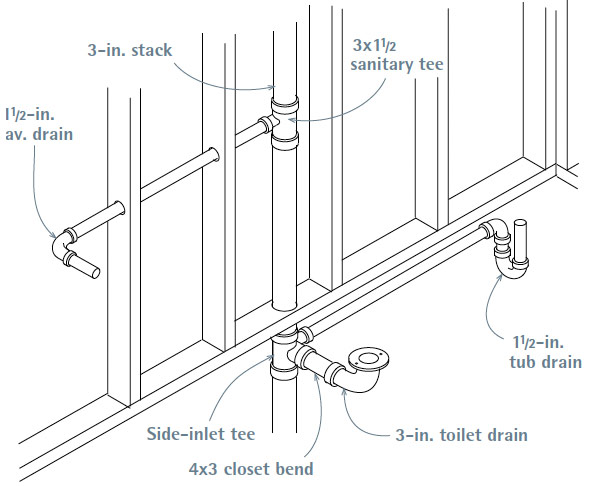
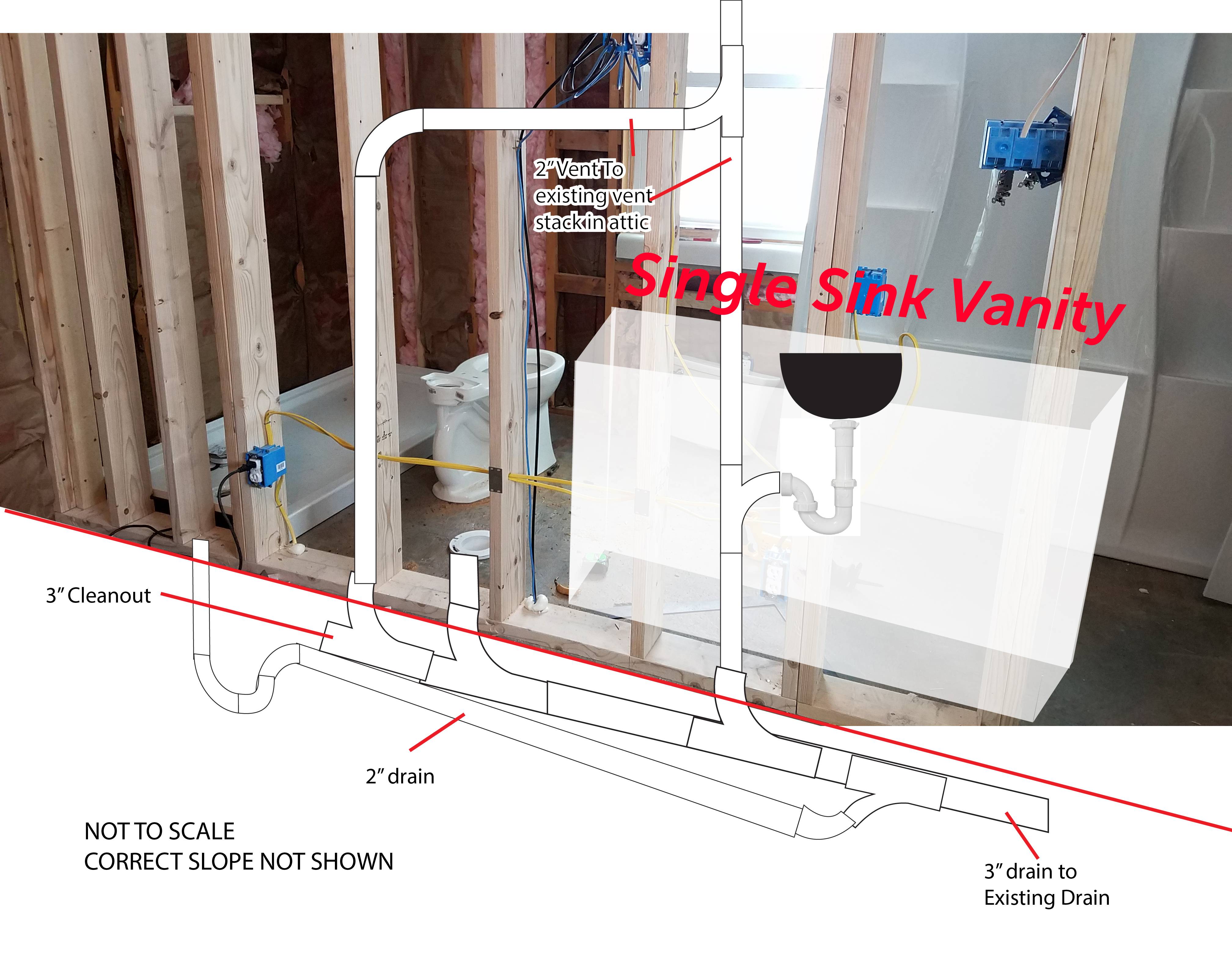
Installers usually run vent pipes vertically through walls or ceilings. The pipe often connects near the shower drain or at a main vent stack. It is important to keep vents clear of blockages. Proper slope and support keep pipes functioning well. Many plumbers add cleanouts for easy maintenance. Correct vent installation improves shower drainage and reduces odors.
Signs Your Shower Needs A Vent Pipe
Knowing the signs that your shower needs a vent pipe helps prevent bigger problems. Vent pipes allow air to enter the plumbing system. This air keeps water flowing smoothly and stops bad smells. Without proper venting, your shower may show clear warning signs.
Slow Drainage Problems
Water draining slowly is a common issue with poor venting. Air cannot enter the pipes freely. This causes a vacuum, slowing water flow. You may notice water pools in the shower base. Slow drainage can lead to water damage if ignored.
Gurgling Sounds And Odors
Strange gurgling noises come from drains lacking vents. These sounds occur when air struggles to move through pipes. Bad odors may also escape into your bathroom. These smells come from sewer gases trapped inside. Proper vent pipes prevent these uncomfortable issues.
Credit: www.finehomebuilding.com
Types Of Vent Pipes For Showers
Showers need proper venting to keep water flowing smoothly. Vent pipes stop bad smells and gases from entering your home. There are different types of vent pipes used for showers. Each type works in a special way to keep the plumbing safe and healthy.
Traditional Vent Stacks
Traditional vent stacks are pipes that go up through the roof. They allow air to enter the plumbing system. This air helps water flow down the drain easily. These vents also let sewer gases escape outside. Traditional vent stacks are common in many homes. They are reliable and meet building codes in most areas.
Air Admittance Valves
Air admittance valves, or AAVs, are a newer vent option. They are small devices installed near the shower drain. AAVs open to let air in when water drains. They close to stop sewer gases from coming out. These valves do not need to go through the roof. AAVs are useful in tight spaces or where roof vents are hard to install.
Installing A Vent Pipe For Your Shower
Installing a vent pipe for your shower helps keep air flowing properly. It stops water from backing up and prevents bad smells. A vent pipe also protects your plumbing system from damage. Knowing how to install one can save you time and money.
Materials And Tools Needed
- Vent pipe (PVC or ABS)
- Pipe fittings (elbows, tees)
- Pipe cutter or saw
- Measuring tape
- Pipe primer and cement
- Screwdriver and screws
- Plumber’s tape
- Safety gloves and goggles
Step-by-step Installation Tips
- Turn off the water supply to avoid leaks.
- Measure the length needed for the vent pipe.
- Cut the pipe carefully using a pipe cutter.
- Dry fit all pipes and fittings before gluing.
- Apply primer on pipe ends and fittings.
- Use pipe cement to join the parts firmly.
- Secure the vent pipe to wall studs with screws.
- Check for proper slope to allow air flow.
- Seal all joints with plumber’s tape if needed.
- Turn water back on and test for leaks.

Credit: www.angi.com
Common Venting Mistakes To Avoid
Proper venting in a shower is crucial for safety and performance. Mistakes in venting can cause serious problems like water damage and bad odors. Understanding common venting errors helps you avoid costly repairs.
Improper Sizing
Using a vent pipe that is too small can block air flow. This causes slow drainage and gurgling sounds. A pipe that is too large wastes space and materials. Size the vent pipe based on local plumbing codes and shower size.
Incorrect Placement
Placing the vent pipe too far from the shower drain reduces effectiveness. The vent must connect close to the trap to work well. Vent pipes should rise straight up without sharp bends. Wrong placement leads to poor ventilation and drainage issues.
Maintaining Shower Vent Pipes
Maintaining shower vent pipes is important to keep your bathroom safe and dry. Vent pipes allow air to flow through your plumbing system. This stops water from getting trapped and prevents bad smells. Regular care of these pipes helps avoid costly repairs and keeps your shower working well.
Regular Inspection
Check your shower vent pipes at least twice a year. Look for cracks, rust, or loose connections. Make sure the pipe is clear of debris and not blocked by dirt or leaves. Small problems can turn into big issues if ignored. A quick inspection can save money and hassle later.
Clearing Blockages
Blockages stop air from moving through the vent pipe. This can cause slow drains and bad odors. Use a plumber’s snake or a flexible brush to clear the pipe. Avoid using harsh chemicals that can damage pipes. If you cannot clear the blockage, call a professional plumber.
Credit: diy.stackexchange.com
Frequently Asked Questions
Does A Shower Need A Vent Pipe For Proper Drainage?
A vent pipe helps air flow in the drainage system, stopping water locks. It allows water to drain smoothly from the shower. Without it, drains may clog or drain slowly.
What Happens If A Shower Has No Vent Pipe?
Without a vent pipe, water can drain slowly or create gurgling sounds. It may cause bad smells or sewer gases to enter the bathroom. Drainage problems and pipe damage can also occur.
Can A Shower Drain Work Without A Vent Pipe?
A shower drain might work without a vent but often drains poorly. Lack of venting can cause slow draining or water backup. Proper venting is best for long-term shower drain health.
How Does A Vent Pipe Improve Shower Drainage?
The vent pipe lets air flow into the drain, balancing pressure. This stops water from being sucked out of traps. It helps water move freely and prevents sewer gases from escaping.
Is A Vent Pipe Required By Building Codes For Showers?
Most building codes require vent pipes for showers to ensure safety and function. Vent pipes prevent sewer gases from entering living spaces. Check local codes to confirm requirements.
Can I Install A Vent Pipe Myself For My Shower?
Installing a vent pipe can be tricky and may need plumbing skills. It often requires cutting into walls or roofs. Hiring a professional plumber is usually safer and ensures proper installation.
What Are Signs Of A Blocked Or Missing Shower Vent Pipe?
Slow drainage, gurgling noises, and sewer smells near the shower are signs. Water may back up or traps may dry out without venting. These issues suggest vent pipe problems needing attention.
Conclusion
A vent pipe helps air flow and keeps water draining well. Showers usually need vent pipes to stop bad smells. They also stop water from backing up in pipes. Without a vent, drains can gurgle or slow down. Proper venting keeps your bathroom fresh and safe.
So, think about vent pipes for a better shower setup. It’s a small step that makes a big difference.