
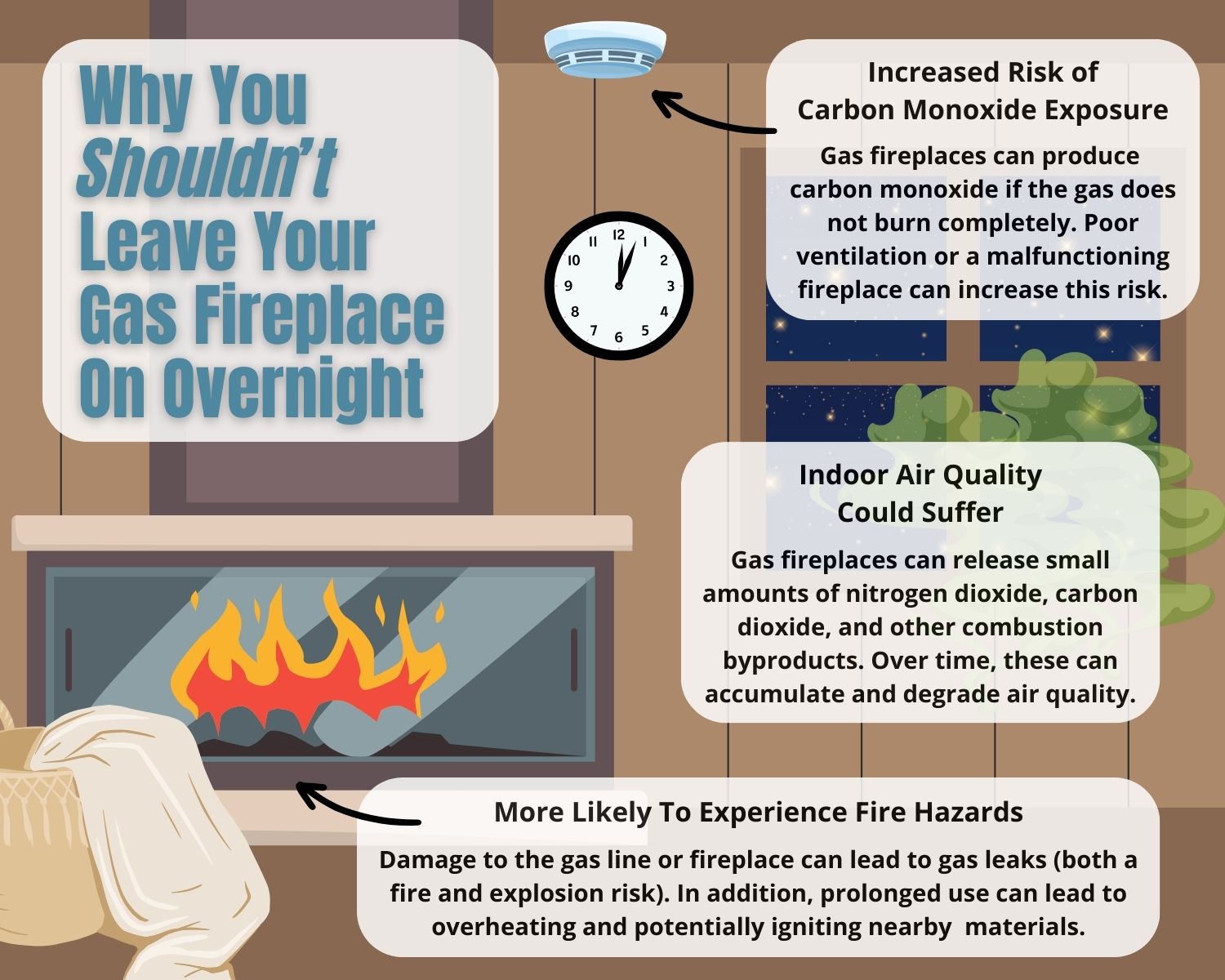
Are you wondering if it’s safe to leave your gas fireplace on all night? You’re not alone.
Many people love the cozy warmth a gas fireplace provides, especially during chilly nights. But you might be asking yourself, “Is it risky? Could it waste energy? What about safety concerns? ” you’ll get clear answers to these important questions.
By the time you finish reading, you’ll know exactly how to use your gas fireplace safely and efficiently, so you can enjoy comfort without worry. Keep reading to learn what experts say about leaving your gas fireplace on overnight.
Credit: smallingmasonry.com
Gas Fireplace Basics
Gas fireplaces offer warmth and charm to any home. They are easy to use and clean. Understanding their basics helps in safe and efficient use. Below is a simple guide to gas fireplaces.
How Gas Fireplaces Work
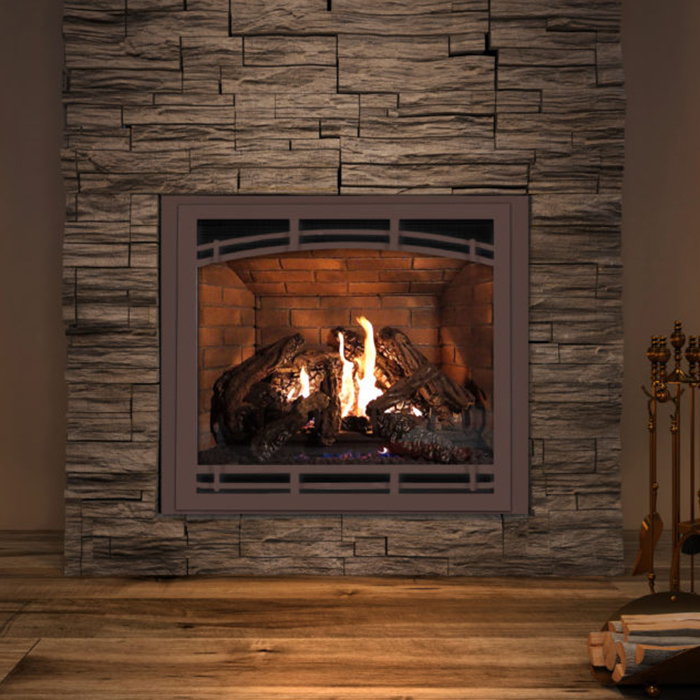
Gas fireplaces burn natural gas or propane to create heat and flames. A control valve regulates the gas flow. When you turn on the fireplace, gas flows to the burner. The burner ignites the gas with a spark or pilot light. Flames heat the room quickly without smoke or ashes.
Some models have fans to spread the warm air better. Most gas fireplaces also have a thermostat to keep the room temperature steady. They are designed to be safe and easy to use. Regular maintenance keeps them running well.
Types Of Gas Fireplaces
There are several types of gas fireplaces. Ventless fireplaces do not need a chimney or vent. They release heat directly into the room but require good air circulation. Vented fireplaces use a chimney or vent pipe to send smoke outside. They give a more natural flame look and are safer for indoor air quality.
Insert fireplaces fit into existing wood fireplace openings. They update old fireplaces with gas convenience. Wall-mounted and freestanding models offer flexible placement. Each type suits different home layouts and heating needs.
Safety Concerns At Night
Safety is the top priority when using a gas fireplace at night. Leaving it on for hours can cause serious problems. It is important to understand these risks clearly. Knowing what can happen helps keep your home safe and cozy.
Risks Of Leaving On Overnight
Leaving a gas fireplace on all night may cause fires. Dust or flammable items near the fireplace can catch fire easily. Faulty or old fireplaces might leak gas. This creates a dangerous situation without warning signs. Heat buildup can damage nearby furniture and walls. These risks grow with long, unattended use. Sleep can prevent you from noticing danger early.
Carbon Monoxide Hazards
Carbon monoxide is a colorless, odorless gas from burning gas. It can build up indoors without proper ventilation. Breathing this gas causes headaches, dizziness, and nausea. High levels can lead to unconsciousness or death. Gas fireplaces must have good airflow to avoid this risk. Nighttime use increases danger since people are asleep. Installing carbon monoxide detectors near fireplaces is essential. These devices alert you before gas reaches harmful levels.
Manufacturer Guidelines
Manufacturer guidelines provide important instructions on using your gas fireplace safely. These directions help prevent accidents and ensure the fireplace works well. Following these rules can protect your home and family from harm.
Recommended Usage Times
Most manufacturers suggest limiting the fireplace use to a few hours at a time. Running it all night may cause wear on parts and increase gas use. Some models allow longer use, but it is best to check the manual. Using the fireplace as directed helps it last longer and work safely.
Warnings And Precautions
Manufacturers warn against leaving the fireplace unattended for long periods. Gas leaks or malfunctions can happen, posing risks to safety. Proper ventilation is essential to avoid carbon monoxide buildup. Always follow safety checks before turning on your fireplace. Using a carbon monoxide detector near the unit adds extra protection.
Energy Efficiency And Costs
Energy efficiency and costs are important when using a gas fireplace all night. Running a gas fireplace for many hours affects your energy use and monthly bills. Understanding these factors helps you decide if leaving it on overnight is practical and affordable.
Impact On Utility Bills
Gas fireplaces use natural gas to produce heat. The longer they run, the more gas they consume. Leaving a gas fireplace on all night can increase your gas bill noticeably. Some models are more efficient and use less gas for the same heat. Older or less efficient units may raise costs higher. Monitoring your gas usage helps control unexpected bills. Setting a timer can reduce waste and save money. Use your fireplace only when needed to keep bills low.
Alternative Heating Options
Electric heaters use electricity and often cost less to run. They can be turned on and off easily. Space heaters warm small rooms quickly and use less energy. Programmable thermostats help control heat and reduce waste. Using blankets or warmer clothes at night can reduce heating needs. Combining heating methods can lower overall energy use. Choose options that fit your home and budget for better savings.
Safety Features To Look For
Gas fireplaces add warmth and comfort to any room. Leaving them on all night may cause worry about safety. Certain features help protect your home and family. These safety features make it safer to use a gas fireplace for long periods.
Automatic Shutoff Systems
Automatic shutoff systems stop the fireplace if a problem occurs. They detect unusual heat, flame failure, or gas leaks. The system turns off the gas supply quickly. This prevents fires and harmful gas buildup. It gives peace of mind during overnight use. Most modern gas fireplaces include this feature. Check for this system before using your fireplace all night.
Oxygen Depletion Sensors
Oxygen depletion sensors monitor air quality near the fireplace. They detect low oxygen levels caused by poor ventilation. If oxygen drops too low, the sensor shuts off the fireplace. This prevents dangerous carbon monoxide buildup. These sensors are vital for safe indoor gas fireplace use. Make sure your fireplace has an oxygen depletion sensor for added safety.
Credit: www.burlingtonfireplace.com
Best Practices For Overnight Use
Leaving a gas fireplace on all night requires careful steps to ensure safety and efficiency. Following best practices helps keep your home safe and your fireplace running well. These tips focus on ventilation and maintenance, which are key for overnight use.
Proper Ventilation Tips
Keep the room ventilated to avoid dangerous gas buildup. Slightly open a window or door to allow fresh air in. This helps reduce carbon monoxide risks and improves air quality. Avoid blocking vents or air pathways near the fireplace. Use a carbon monoxide detector in the room for extra safety. Proper airflow keeps the fireplace burning cleanly and safely through the night.
Routine Maintenance Checks
Check your gas fireplace regularly to keep it in good condition. Clean the glass and remove dust or debris from the burner area. Inspect the pilot light and ignition system for any issues. Look for gas leaks or unusual smells before use. Schedule professional inspections yearly to ensure all parts work correctly. Regular care prevents problems and keeps your fireplace safe for overnight operation.
When To Call A Professional
Knowing when to call a professional for your gas fireplace is very important. It keeps your home safe and your fireplace working well. Problems with gas fireplaces can be hidden. Only experts can spot them early and fix them right.
Signs Of Malfunction
Watch for strange smells near the fireplace. A rotten egg smell means a gas leak. Flames that look yellow or flicker too much can mean trouble. Strange noises like popping or hissing are bad signs. If the pilot light won’t stay lit, call a pro. Any sudden increase in your gas bill might show a leak.
Scheduling Inspections
Regular check-ups help catch small problems early. A yearly inspection by a professional keeps your fireplace safe. Experts clean parts that you cannot reach. They check the vent system for blockages. Scheduling inspections before cold months is smart. It ensures the fireplace runs smoothly all winter long.
Credit: www.firenstone.com
Frequently Asked Questions
Can I Safely Leave A Gas Fireplace On All Night?
Leaving a gas fireplace on all night is generally not recommended. It can waste fuel and may pose safety risks if not maintained properly.
What Are The Risks Of Running A Gas Fireplace Overnight?
Running a gas fireplace overnight can increase the chance of gas leaks or carbon monoxide buildup. Proper ventilation and regular checks are essential.
How Much Does It Cost To Run A Gas Fireplace Overnight?
The cost depends on the fireplace’s size and fuel type. Running it all night can lead to higher energy bills.
Will A Gas Fireplace Use Too Much Oxygen Overnight?
Gas fireplaces use oxygen, but most modern models have safety features. Still, good room ventilation is important to avoid low oxygen levels.
How Can I Make A Gas Fireplace Safer For Overnight Use?
Use a timer or thermostat to control the heat. Regular maintenance and carbon monoxide detectors improve safety during long use.
Conclusion
Leaving a gas fireplace on all night is not always safe or wise. It can waste gas and raise your bills. Some models have safety features, but not all do. Always follow the manufacturer’s instructions and local safety rules. Consider using a timer or thermostat to control it better.
Your safety and comfort matter most. Stay warm, but stay smart.