
When it comes to keeping your pool clean and safe, choosing the right sanitizer is key. You might have heard about Dichlor and Trichlor, but which one is better for your pool?
Understanding the difference between these two chemicals can save you time, money, and frustration. You’ll discover how Dichlor and Trichlor work, their pros and cons, and which one suits your needs best. Keep reading to make the smartest choice for your pool care routine.
Dichlor Basics
Dichlor is a popular chemical used to keep pool water clean. It helps kill germs and keeps water clear. Understanding its basics helps you choose the right pool care product. Below are key facts about Dichlor.
Chemical Composition
Dichlor is short for sodium dichloro-s-triazinetrione. It is a white powder or granule. It contains about 56% available chlorine. It also has a stabilizer called cyanuric acid. This stabilizer helps protect chlorine from sunlight.
How It Works
Dichlor dissolves quickly in water. It releases chlorine that kills bacteria and algae. The chlorine breaks down harmful substances in the pool. The stabilizer slows chlorine loss due to sunlight. This keeps the chlorine active longer.
Common Uses
Dichlor is mainly used for regular pool sanitation. It works well in freshwater pools. Many pool owners use it for weekly chlorination. It is safe for most pool surfaces. It also helps maintain balanced pool chemistry.
Trichlor Essentials
Trichlor is a common chemical used in pool sanitation. It keeps water clean and safe by killing bacteria and algae. This compound is popular due to its stability and slow release of chlorine.
Understanding trichlor helps in choosing the right product for water treatment. Its features make it useful in many water care situations.
Chemical Structure
Trichlor is short for trichloro-s-triazinetrione. It has three chlorine atoms attached to a triazine ring. This structure stores chlorine in a stable form. It allows chlorine to release slowly in water.
Mechanism Of Action
Trichlor releases chlorine when it dissolves in water. This chlorine kills germs by breaking their cell walls. It also prevents algae from growing. The slow chlorine release keeps water sanitized over time.
Typical Applications
Trichlor is often used in swimming pools and spas. It helps maintain clear, healthy water. It is also used in some industrial water treatment systems. Its ease of use and stability make it a preferred choice.
Comparing Effectiveness
Choosing between Dichlor and Trichlor depends on their effectiveness in pool care. Both chemicals sanitize pools but differ in key areas. Understanding these differences helps keep your pool clean and safe. Below, we compare their sanitizing power, stabilizer content, and impact on pool pH.
Sanitizing Power
Dichlor and Trichlor both release chlorine to kill germs. Dichlor dissolves quickly and works fast. Trichlor releases chlorine more slowly but lasts longer in water. Dichlor suits pools needing quick sanitation. Trichlor fits pools needing steady chlorine over time.
Stabilizer Content
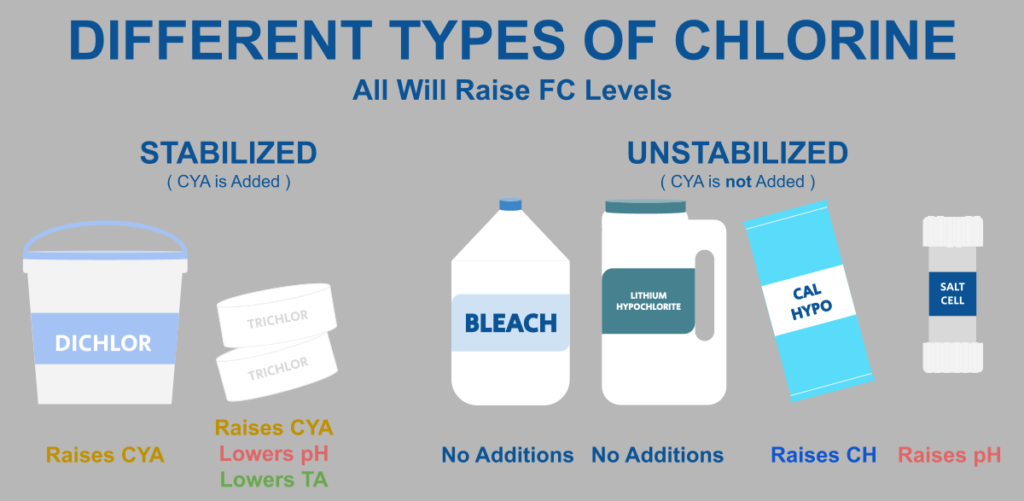
Dichlor contains moderate cyanuric acid, which protects chlorine from sun damage. Trichlor has higher cyanuric acid levels, offering stronger sun protection. Too much stabilizer causes chlorine to weaken. Dichlor adds less stabilizer, making it safer for frequent use.
Impact On Pool Ph
Dichlor is nearly pH neutral. It does not change pool acidity much. Trichlor is more acidic and lowers pH. Lower pH can cause corrosion or irritation. Dichlor helps maintain stable pH better than Trichlor.
Credit: www.testyourownpool.com
Application Methods
Understanding how to apply dichlor and trichlor is key to keeping pools clean and safe. Each chemical has specific methods to ensure proper use. This section covers the main ways to apply these sanitizers for the best results.
Dosing Techniques
Dichlor is usually added directly to the water. It dissolves quickly, making it ideal for fast treatment. Trichlor comes in tablets or sticks. These are often placed in a floating dispenser or automatic feeder. This allows slow, steady release over time. Measuring doses carefully prevents chemical imbalance. Follow product instructions for exact amounts.
Safety Precautions
Always wear gloves and eye protection when handling these chemicals. Avoid breathing in dust or fumes. Store them in a cool, dry place away from sunlight. Keep chemicals separate from other pool supplies. Never mix dichlor and trichlor together. This can cause dangerous reactions. Wash hands after use. Keep children and pets away from stored chemicals.
Frequency Of Use
Dichlor is often used for quick shock treatments. It can be applied weekly or after heavy pool use. Trichlor works best for regular, ongoing sanitation. It is usually added daily or every few days. Test pool water regularly to adjust dosing. Proper frequency keeps chlorine levels steady and effective.
Storage And Handling
Proper storage and handling of Dichlor and Trichlor are essential for safety and effectiveness. Both chemicals require careful attention to maintain their quality and protect users. Understanding their shelf life, storage needs, and safety precautions helps prevent accidents and product loss.
Shelf Life
Dichlor usually has a shelf life of about two years when stored correctly. Trichlor tends to last longer, often up to three years. Expired chemicals lose their strength and may not sanitize pools effectively. Always check the expiration date on the label before use.
Storage Conditions
Store both Dichlor and Trichlor in a cool, dry place away from direct sunlight. Keep containers tightly closed to avoid moisture exposure. Moisture can cause these chemicals to clump or break down. Avoid storing near acids or flammable materials to prevent dangerous reactions.
Handling Safety
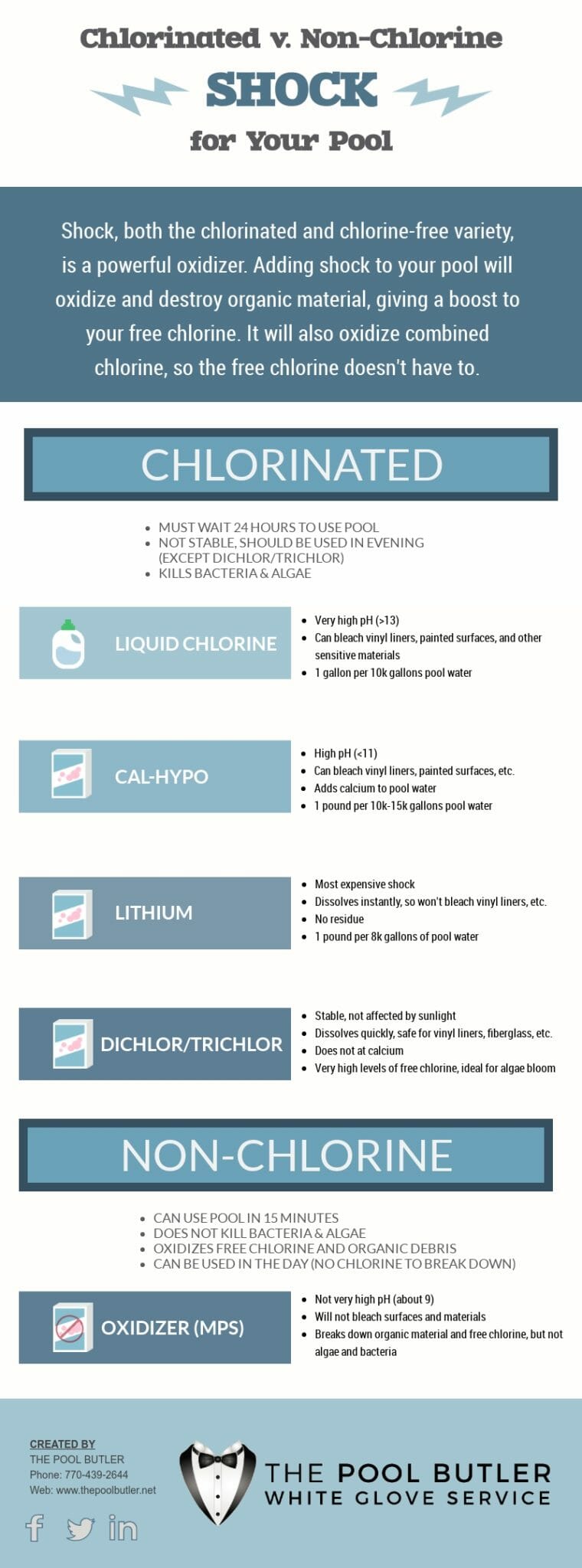
Wear gloves and eye protection when handling these chemicals. Avoid breathing in dust or fumes as they can irritate lungs. Always handle in a well-ventilated area. Never mix Dichlor and Trichlor directly; this can cause harmful gas release. Keep out of reach of children and pets at all times.
Credit: www.thepoolbutler.net
Cost Considerations
Cost plays a big role in choosing between Dichlor and Trichlor. Understanding the price differences helps you plan your pool budget well. You also need to think about how much value each product offers over time. Availability affects your purchase options and timing.
Price Comparison
Dichlor usually costs more per pound than Trichlor. This is because Dichlor is a faster dissolving product. Trichlor tends to be cheaper and lasts longer in the pool. The price difference can add up if you buy large amounts.
Value Over Time
Trichlor releases chlorine slowly, so it lasts longer. This means fewer purchases over time. Dichlor dissolves quickly and may need more frequent use. Think about how often you want to buy and add chemicals. The overall cost depends on your pool size and usage.
Availability
Trichlor is more widely available in stores and online. Dichlor may be harder to find in some areas. Seasonal demand can affect stock for both chemicals. Check local suppliers to know what is easy to buy near you.
Environmental Impact
Choosing between Dichlor and Trichlor affects the environment in different ways. Both chemicals break down and leave behind substances that can impact water, air, and soil. Understanding their environmental impact helps pool owners make safer choices.
Decomposition Byproducts
Dichlor breaks down into cyanuric acid and other compounds. These byproducts can build up in pool water. High cyanuric acid levels reduce chlorine’s effectiveness. Trichlor also produces cyanuric acid but in larger amounts. Its breakdown releases more acid, which can harm aquatic life if drained improperly.
Effect On Pool Equipment
Dichlor is less acidic than Trichlor. It causes less corrosion on pool equipment and surfaces. Trichlor’s stronger acidity can wear out metal parts faster. It may damage pool liners and filters over time. This wear leads to more frequent repairs and replacements.
Sustainability Factors
Dichlor is often seen as a better choice for sustainability. It dissolves quickly, reducing chemical waste. Trichlor dissolves slowly, leading to more chemical residues. Using Dichlor can lower the environmental footprint of pool maintenance. Proper disposal and careful use of both chemicals remain essential.
Choosing The Right Chlorine
Choosing the right chlorine for your pool keeps the water clean and safe. Different types of chlorine suit different pools and needs. Understanding these differences helps you pick the best one.
Two popular choices are dichlor and trichlor. Each has unique features that work better in some situations. Knowing these can improve your pool care routine.
Pool Size And Type
Smaller pools often do well with dichlor. It dissolves quickly and raises chlorine levels fast. Larger pools may benefit from trichlor. It lasts longer and releases chlorine slowly.
For above-ground pools, dichlor is usually easier to use. In-ground pools might need trichlor for steady chlorine release. The pool material also matters. Some types react better with one chlorine type than the other.
Water Chemistry Needs
Dichlor is neutral pH, so it does not change water acidity much. Trichlor is acidic and lowers pH over time. Pools needing stable pH may prefer dichlor. Pools with high pH might need trichlor to balance the water.
Both types add cyanuric acid, which protects chlorine from sunlight. Check your pool’s cyanuric acid levels before choosing. Too much cyanuric acid can reduce chlorine effectiveness.
User Preferences
Dichlor is popular for quick treatments and shock doses. It works fast and does not stain pool surfaces. Trichlor is favored for routine maintenance and slow chlorine release. It is easy to store and handle safely.
Some users prefer dichlor because it mixes easily. Others like trichlor’s longer-lasting effect. Consider your schedule and how often you want to add chlorine. Your choice should fit your pool care habits.
Credit: rawchemicalmart.com
Frequently Asked Questions
What Is The Main Difference Between Dichlor And Trichlor?
Dichlor dissolves faster and works quickly. Trichlor dissolves slowly and lasts longer in pools.
Which Chemical Is Safer For Residential Pool Use?
Dichlor is safer because it has less acid and is gentler on pool surfaces. Trichlor is more acidic and can damage some materials.
How Do Dichlor And Trichlor Affect Pool Ph Levels?
Dichlor has a neutral effect on pH, keeping it stable. Trichlor lowers pH, making the water more acidic over time.
Can Dichlor And Trichlor Be Used Together In Pools?
Yes, but use them carefully. Combining can change pool chemistry, so test water often and adjust as needed.
Which Is Better For Shocking A Pool: Dichlor Or Trichlor?
Dichlor is better for quick shock treatments due to fast dissolving. Trichlor is less ideal for shocking because it dissolves slowly.
Conclusion
Choosing between Dichlor and Trichlor depends on your pool needs. Dichlor works fast and dissolves quickly. Trichlor lasts longer and releases chlorine slowly. Both help keep pool water clean and safe. Think about how often you want to add chemicals.
Also, consider water pH and stabilizer levels. Using the right product saves time and effort. Keep your pool balanced for the best swim experience. Simple steps lead to clear, healthy water all season.