
Choosing the right heater for your home can feel overwhelming. You want to stay warm, save money, and keep your space safe.
But should you go with a gas heater or an electric heater? Each has its own benefits and drawbacks that can affect your comfort and your wallet. By the time you finish reading, you’ll have a clear idea of which option fits your needs best.
Keep reading to discover how to make the smartest choice for your home and your family.
Types Of Heaters
Heaters come in different types to suit various needs. Choosing the right heater depends on factors like cost, space, and fuel availability. Understanding the main types helps make a better choice.
Gas Heaters
Gas heaters use natural gas or propane to produce heat. They warm up rooms quickly and work well in large spaces. These heaters often need ventilation for safety. They can be cost-effective but may require professional installation. Gas heaters are popular in areas with easy gas access.
Electric Heaters
Electric heaters run on electricity and are easy to use. They come in many forms, like fan heaters, oil-filled radiators, and infrared panels. Electric heaters are usually portable and need no ventilation. They are safer indoors but may cost more to run. Electric heaters suit small rooms and quick heating needs.
Heating Efficiency
Heating efficiency is key when choosing between gas and electric heaters. It affects your comfort and energy bills. Efficient heaters use less energy to warm your space. This means saving money and reducing waste. Understanding energy use and heat output helps make the right choice.
Energy Consumption
Gas heaters usually consume natural gas or propane. These fuels burn to create heat directly. Gas heaters tend to use less energy for the same heat level. This often means lower utility bills in areas with cheap gas. Electric heaters use electricity to power heating elements. They convert almost all electricity to heat. But electricity can be more expensive than gas. This can raise the cost to heat your home.
Heat Output
Gas heaters produce a strong, steady heat. They warm large spaces quickly and keep the temperature stable. Electric heaters work well for small to medium rooms. They provide heat fast but may struggle in bigger areas. Some electric models have fans to spread heat evenly. Gas heaters also add moisture to the air. Electric heaters usually dry the air, which can affect comfort.
Cost Comparison
Cost is a key factor when choosing between a gas and electric heater. Understanding all expenses helps you pick the right option. Costs include buying, running, and upkeep. Each type has different costs in these areas.
Let’s break down the costs to see which heater fits your budget best.
Initial Purchase Price
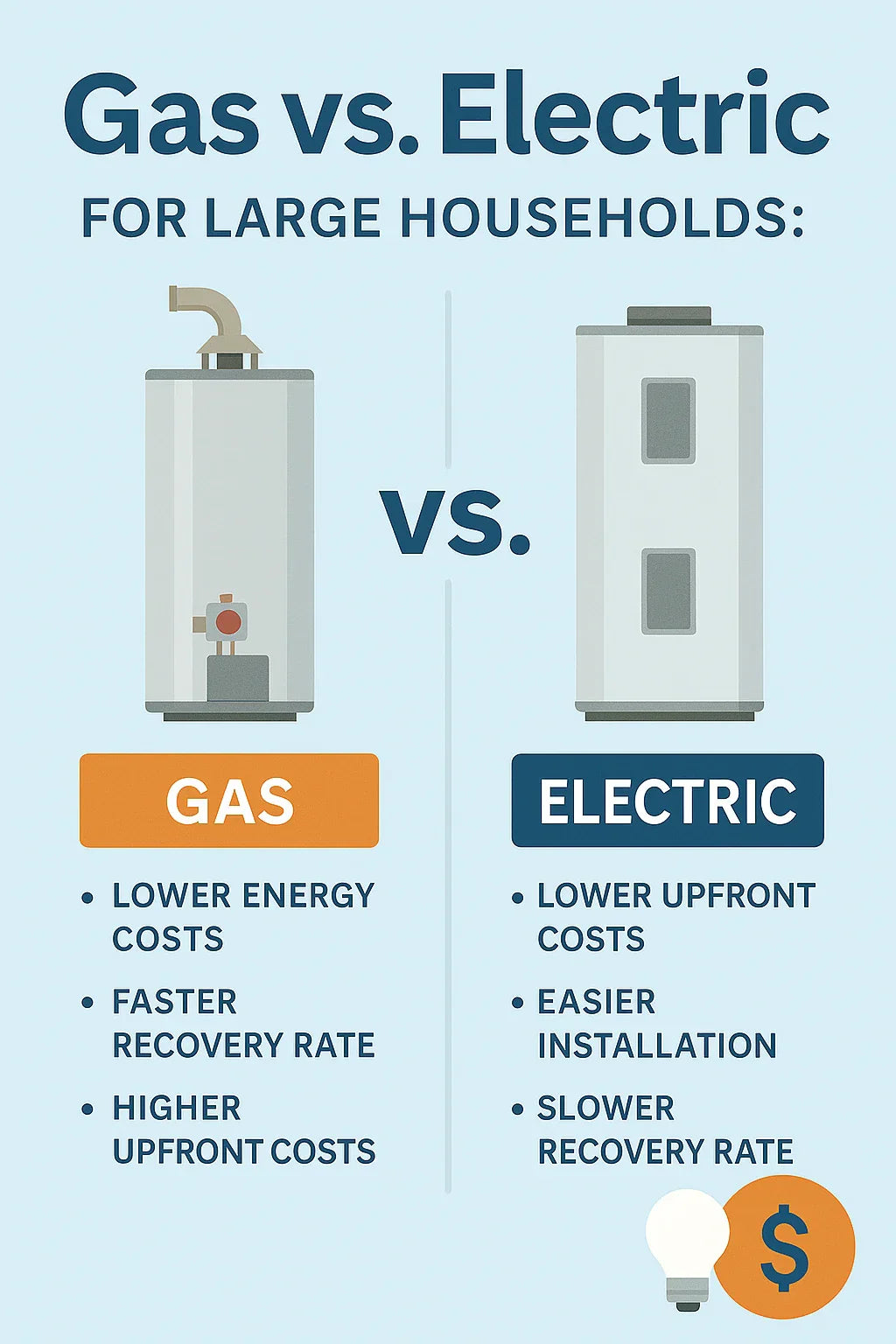
Gas heaters usually cost more at the start. The price depends on the size and features. Electric heaters tend to be cheaper to buy. Small electric models are often the most affordable option.
Installation costs also affect the initial price. Gas heaters may need special venting and gas lines. This adds to the cost. Electric heaters often just plug into a socket, reducing setup expenses.
Operating Costs
Gas heaters typically cost less to run. Natural gas prices are usually lower than electricity rates. This means you pay less on your energy bill. Electric heaters can be more expensive over time. They use more electricity to produce the same heat.
Efficiency matters too. Gas heaters are often more efficient for heating large spaces. Electric heaters work well in small rooms or for quick heat.
Maintenance Expenses
Gas heaters require regular maintenance. You need to check gas lines and vents for safety. This may require a professional and extra cost. Electric heaters have fewer parts to maintain. They usually need only occasional cleaning.
Repairs for gas heaters can be costly. Electric heater repairs tend to be cheaper or replaced easily. Maintenance costs should be considered for long-term use.
Credit: thefurnaceoutlet.com
Installation And Setup
Choosing between a gas heater and an electric heater involves understanding their installation processes. Installation affects cost, time, and ease of use. Knowing the setup steps helps pick the right heater for your home.
Gas Heater Installation
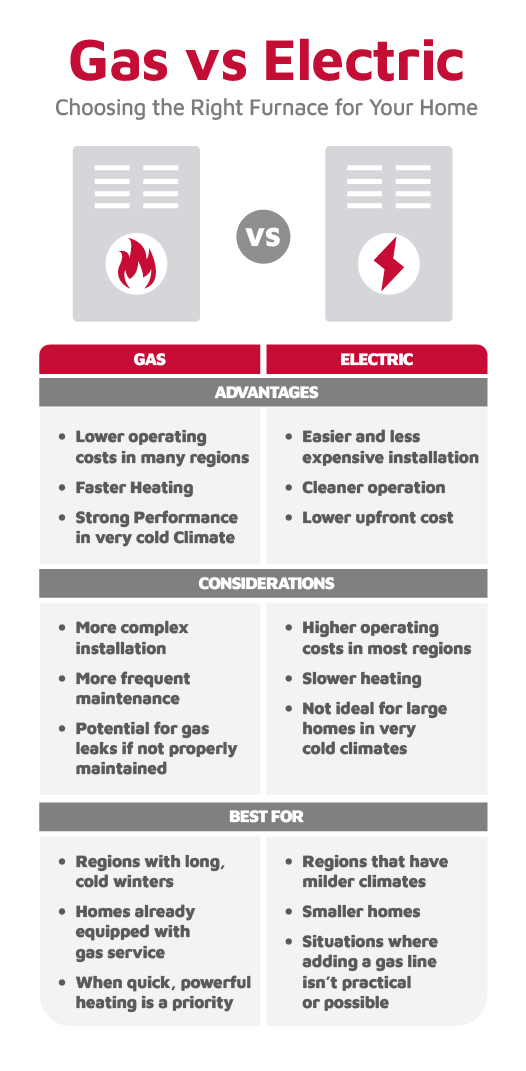
Gas heaters need a gas line connection. A professional must install it. This ensures safety and proper operation. Ventilation is critical to avoid harmful fumes. The unit must connect to a vent or chimney. Installation may take several hours. It often requires permits and inspections. This adds to the total cost. Gas heaters usually need more space for setup.
Electric Heater Installation
Electric heaters have a simple setup. Most plug directly into a standard outlet. Some models require hardwiring by an electrician. No venting or gas connections are necessary. Installation is quick and less costly. It usually takes less than an hour. Electric heaters suit smaller spaces well. They offer flexibility in placement and use.
Safety Factors
Safety is a key factor when choosing between gas and electric heaters. Both types have risks and precautions. Understanding these can help keep your home safe and warm.
Risks With Gas Heaters
Gas heaters use natural gas or propane to create heat. This can lead to dangerous leaks. Gas leaks may cause fires or explosions. Carbon monoxide poisoning is a serious risk. This gas is colorless and odorless but deadly. Proper ventilation is critical when using gas heaters. Regular maintenance checks reduce the chance of leaks. Never leave a gas heater unattended for long periods.
Electric Heater Safety
Electric heaters do not produce harmful gases. They are safer in terms of air quality. Overheating is the main risk with electric heaters. Use heaters with automatic shut-off features. Keep heaters away from flammable materials like curtains or papers. Avoid using extension cords or power strips. Always place heaters on flat, stable surfaces. Regularly check cords and plugs for damage.
Environmental Impact
Choosing between gas and electric heaters affects the environment in many ways. Understanding their impact helps make better decisions for a cleaner future. This section explores the key environmental factors of both heater types.
Carbon Emissions
Gas heaters burn natural gas, which releases carbon dioxide. This gas adds to global warming and air pollution. Electric heaters do not emit carbon directly. Their impact depends on how electricity is made. If electricity comes from coal or gas, emissions still occur. Using clean energy reduces carbon footprints significantly.
Energy Source Sustainability
Natural gas is a fossil fuel and will run out eventually. It also causes environmental damage during extraction. Electric heaters can use renewable energy like solar or wind. These sources do not run out and have less environmental harm. Switching to electric heaters powered by green energy supports long-term sustainability.
Portability And Space
Portability and space are key factors when choosing between gas and electric heaters. These aspects affect where you can place the heater and how easy it is to move. Consider the size and weight first. Then think about whether you plan to use it indoors or outdoors.
Size And Weight
Electric heaters are often smaller and lighter. You can carry them easily from room to room. Many models fit on tables or shelves without taking much space. Gas heaters tend to be bigger and heavier. They need more room for safe operation. Moving a gas heater usually takes more effort and planning.
Indoor And Outdoor Use
Electric heaters work well indoors. They produce no fumes, so the air stays clean. Many are safe for small rooms and apartments. Gas heaters are better for outdoor spaces or well-ventilated areas. They emit gases that need fresh air to dissipate. You can use gas heaters on patios or garages. For indoor use, extra caution and ventilation are necessary.
Credit: www.lennox.com
Control And Convenience
Control and convenience are key factors in choosing between gas and electric heaters. Both types offer ways to adjust the heat, but their options differ. Understanding these differences helps you pick the best fit for your home and lifestyle.
Easy control means you can set your heater just right. Convenient features make heating simple and comfortable.
Thermostat Options
Electric heaters often come with built-in thermostats. They allow precise temperature control. You can set the exact degree and the heater keeps it steady.
Gas heaters may use manual or digital thermostats. Some models have less precise controls. You might need to adjust the heat more often.
Electric models usually offer better temperature consistency. This helps keep your room comfortable without waste.
Smart Features
Electric heaters often include smart features. You can control them with a smartphone app. Set schedules or adjust heat remotely.
Some gas heaters also support smart controls but less commonly. They might need extra devices to connect online.
Smart functions add convenience. They save energy by heating only when needed. This fits modern, busy lifestyles well.
Choosing The Right Heater
Choosing the right heater is important for comfort and cost. Different heaters work better for different homes and needs. Understanding your heating needs and conditions helps pick the best option. This guide covers key points to think about before buying a gas or electric heater.
Assessing Heating Needs
Think about the size of the space you want to heat. Larger rooms need heaters with more power. Also, consider how long you will use the heater each day. Some heaters warm up quickly but use more energy. Others take longer but save money on bills. Check if you want a portable heater or a fixed one. Portable heaters offer flexibility for different rooms.
Budget Considerations
Set a clear budget for your heater purchase. Gas heaters often cost more upfront but may save money on energy bills. Electric heaters usually have lower initial costs but higher running costs. Don’t forget to include installation and maintenance expenses. A cheaper heater might cost more over time. Balance cost with energy efficiency and durability.
Climate Factors
Consider your local weather conditions. Cold climates might benefit from gas heaters that provide strong, steady heat. Milder climates can use electric heaters effectively. Some heaters work better in dry air, others in humid areas. Also, check if your home is well insulated. Good insulation reduces the need for powerful heaters.

Credit: grheatingcooling.com
Frequently Asked Questions
What Are The Main Differences Between Gas And Electric Heaters?
Gas heaters use natural gas or propane to produce heat, while electric heaters use electricity. Gas heaters often warm up a room faster and can be cheaper to run. Electric heaters are easier to install and safer indoors.
Which Heater Type Is More Cost-effective To Run?
Gas heaters usually cost less to operate because natural gas prices are lower than electricity. Electric heaters can be more expensive, especially in areas with high electricity rates. Cost also depends on usage and heater efficiency.
Are Electric Heaters Safer Than Gas Heaters?
Electric heaters are generally safer because they don’t produce carbon monoxide or other gases. Gas heaters need proper ventilation to avoid risks. Electric units also have fewer fire hazards when used correctly.
Can Gas Heaters Work During Power Outages?
Yes, many gas heaters can work without electricity, providing heat during power outages. Electric heaters, on the other hand, require power to operate. This makes gas heaters a good backup heat source.
Which Heater Type Is Better For The Environment?
Electric heaters can be cleaner if the electricity comes from renewable sources. Gas heaters release carbon dioxide and other gases that affect air quality. The environmental impact depends on local energy production methods.
Conclusion
Choosing between gas and electric heaters depends on your needs and space. Gas heaters warm rooms quickly and cut energy costs. Electric heaters offer safety and easy installation. Think about your budget, room size, and safety needs. Both types have benefits and drawbacks.
The best heater fits your lifestyle and home. Take time to compare features before buying. Stay warm and comfortable all winter long.