
Is your pool water looking dull or feeling a bit stale? Knowing how to aerate a pool can make a huge difference in keeping your water fresh, clear, and inviting.
You might think aeration is complicated or expensive, but it’s actually easier than you imagine—and it helps prevent common problems like algae buildup and unpleasant odors. You’ll discover simple, effective ways to aerate your pool and keep it sparkling all season long.
Ready to dive in and give your pool the boost it needs? Let’s get started!
Credit: majesticwaterspouts.com
Benefits Of Pool Aeration
Pool aeration offers many benefits for maintaining a clean, healthy swimming pool. It helps keep water fresh and clear. Aeration improves the overall pool environment, making it more enjoyable for swimmers.
Understanding these benefits makes pool aeration an important part of pool care. It supports water quality and reduces maintenance needs.
Improved Water Circulation
Aeration moves water around the pool. This stops water from becoming still or stagnant. Good circulation spreads chemicals evenly. It also helps heat reach all parts of the pool. Circulating water prevents dirt and debris from settling at the bottom.
Enhanced Oxygen Levels
Aeration adds oxygen to the pool water. Higher oxygen levels help break down harmful substances. This keeps the water cleaner and safer. Oxygen also supports healthy bacteria that fight bad algae and germs. More oxygen means better water quality for swimmers.
Reduced Algae Growth
Aeration lowers the chance of algae growing in the pool. Algae thrive in water with poor circulation and low oxygen. Adding air stops algae from spreading fast. Clearer water means less scrubbing and fewer chemicals. Aeration keeps the pool looking fresh and inviting.
Choosing The Right Aeration System
Choosing the right aeration system is important for a healthy pool. It helps keep the water clean and fresh. The right system improves water circulation and oxygen levels. This prevents algae and bad smells. Understanding different types of aerators and what suits your pool is key. Consider the size of your pool and your budget. Maintenance needs also play a big role in your choice.
Types Of Aerators
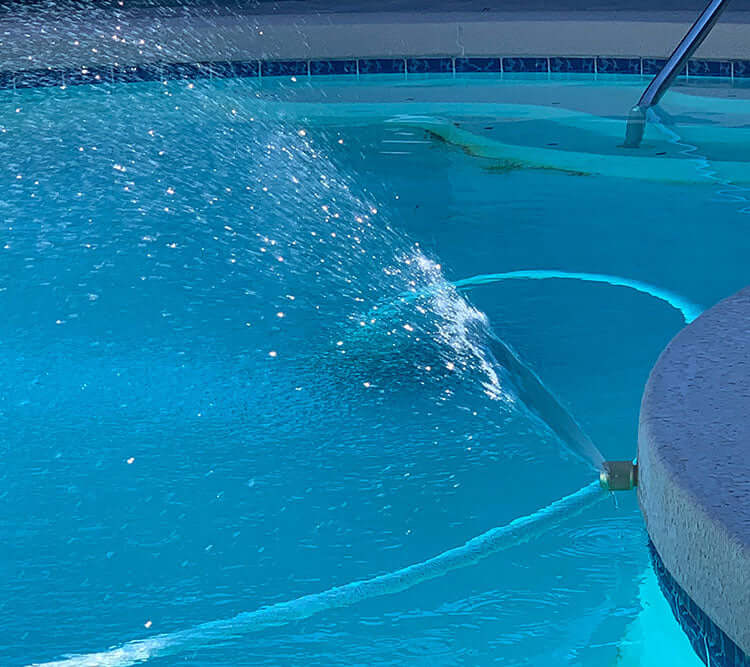
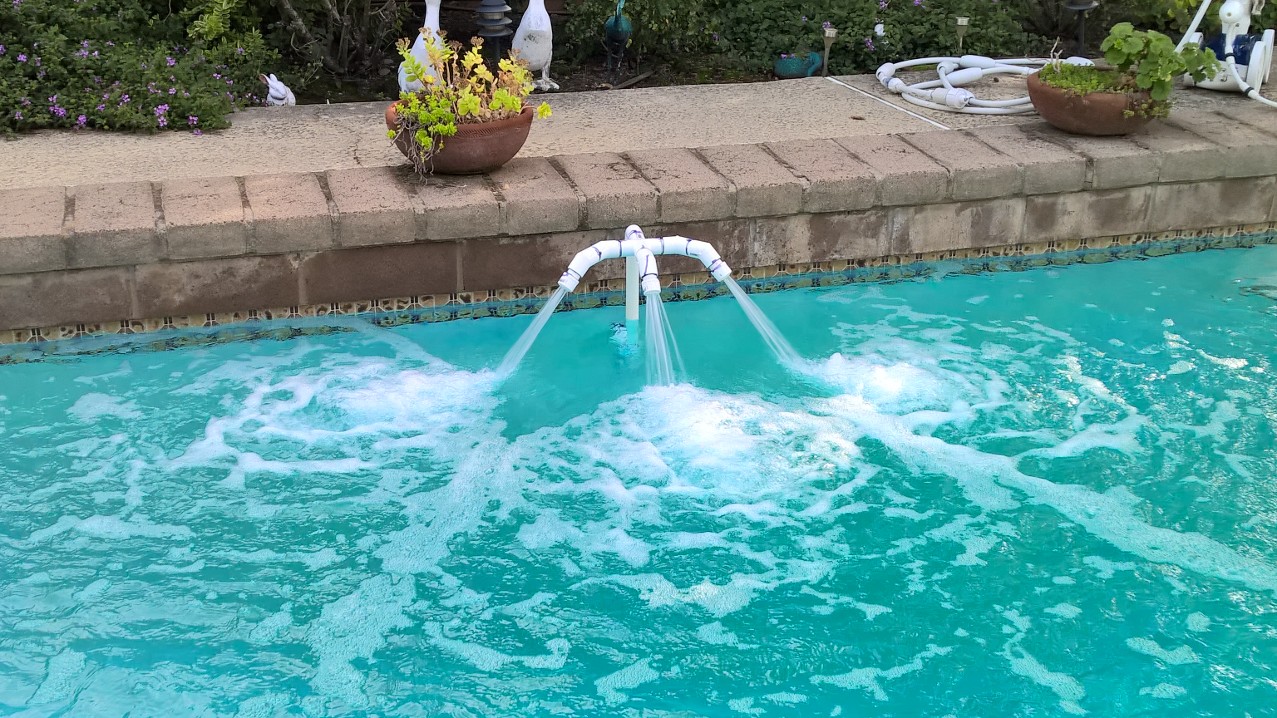
There are several types of aerators available. Surface aerators spray water into the air. This adds oxygen but can splash around. Diffused aerators release tiny bubbles at the bottom. These bubbles rise and mix oxygen into the water. Fountain aerators create a decorative water spray. They also improve oxygen flow. Choose based on your pool style and needs.
Factors To Consider
Pool size affects the type of aerator you need. Larger pools need more powerful systems. Look at how much oxygen the aerator produces. Noise level is another factor. Some aerators can be loud. Check the energy use too. A system that uses less power saves money. Think about how easy it is to install and use.
Cost And Maintenance
Aerators come in different price ranges. Basic models cost less but may have fewer features. More advanced systems can be expensive. Check what parts need regular cleaning or replacement. Simple systems usually need less maintenance. Maintenance costs add up over time. Choose a system that fits your budget and effort level.
Preparing Your Pool For Aeration
Preparing your pool for aeration is a crucial step to ensure the process works well. Aeration improves water circulation and keeps the pool clean. Before starting, you need to get your pool ready. This includes cleaning, checking the water, and gathering tools. Each step helps make aeration effective and safe for your pool.
Cleaning The Pool
Remove leaves, dirt, and debris from the pool surface. Use a pool net or skimmer for this task. Clean the walls and floor with a pool brush. This prevents debris from blocking the aeration system. A clean pool helps air spread evenly in the water.
Checking Water Chemistry
Test the pool water for pH, chlorine, and alkalinity levels. Use a simple test kit to get accurate results. Adjust the chemicals to keep water balanced. Balanced water protects your pool equipment. It also helps aeration work more efficiently.
Gathering Necessary Equipment
Collect all tools needed for aeration before starting. You will need an aerator, hoses, and a power source. Make sure the equipment is clean and in good condition. Having everything ready saves time and avoids interruptions during aeration.

Credit: www.flawlessimagepoolservice.com
Step-by-step Aeration Process
Aerating a pool improves water quality and keeps it fresh. The process involves installing an aerator, running the system, and watching the water closely. Follow these steps carefully to ensure your pool gets the oxygen it needs.
Installing The Aerator
Start by selecting the right aerator for your pool size. Place it at the pool’s deepest point for best results. Attach the aerator to your pool’s pump or water source. Make sure all connections are tight to avoid leaks. Check the manufacturer’s guide for specific installation tips.
Operating The System
Turn on the aerator system after installation. Run it for several hours each day to improve water circulation. Adjust the flow rate to create fine bubbles in the water. This helps oxygen mix better with the pool water. Keep the system running regularly for consistent aeration.
Monitoring Aeration Effects
Watch the water for changes in clarity and smell. Clear, fresh water means aeration works well. Test the pool’s pH and oxygen levels once a week. Look for reduced algae growth and fewer odors. Adjust the aerator settings if the water quality does not improve.
Maintaining Aerated Pools
Maintaining aerated pools keeps water clear and fresh. Proper care ensures the aeration system works well. Regular attention avoids common pool problems and extends pool life.
Regular Cleaning
Remove leaves and dirt from the pool surface daily. Use a pool vacuum to clean the bottom weekly. Clean the aerator parts to prevent clogs. Clear debris helps air move freely in the water.
Water Testing And Balancing
Test pool water at least twice a week. Check pH, chlorine, and alkalinity levels carefully. Keep pH between 7.2 and 7.6 for best results. Adjust chemicals to balance water and protect the aerator. Balanced water avoids cloudy and unhealthy conditions.
Troubleshooting Common Issues
Watch for low air bubbles or weak water flow. Check for blockages in the aeration system. Inspect the pump and filters for damage or wear. Fix leaks quickly to avoid water loss. Replace worn parts to keep aeration efficient.
Tips For Crystal Clear Water
Keeping pool water crystal clear needs more than just cleaning. Aeration plays a big role. It helps move oxygen through the water, which stops algae and bacteria from growing. Follow these simple tips to get the best results from aeration.
Consistent Aeration Schedule
Set a regular time for aeration every day. This keeps oxygen levels steady in your pool. Avoid skipping days, as water can get cloudy fast. Early morning or late evening works best for aeration.
Combining Aeration With Filtration
Run your pool filter during aeration. The filter removes dirt and debris stirred up by aeration. This team effort keeps water clear and healthy. Clean your filter often to keep it working well.
Seasonal Adjustments
Change your aeration routine with the seasons. Warm months need more oxygen to stop algae growth. In colder months, reduce aeration to save energy. Watch your water closely and adjust as needed.
Credit: www.troublefreepool.com
Frequently Asked Questions
What Is Pool Aeration And Why Is It Important?
Pool aeration adds oxygen to water, helping keep it clean and clear. It prevents algae and bacteria growth.
How Often Should I Aerate My Pool?
Aerate your pool at least once a week during swimming season for best water quality.
What Tools Do I Need To Aerate A Pool?
Use an aerator device, air pump, or fountain to add air to your pool water.
Can Aeration Help Reduce Pool Chemical Use?
Yes, aeration improves water circulation and oxygen levels, lowering the need for chemicals.
Is Aeration Safe For All Pool Types?
Aeration is safe for most pools, including concrete, vinyl, and fiberglass types.
How Long Does It Take To Aerate A Pool Properly?
Aerate your pool for 15 to 30 minutes depending on the size and aeration device used.
Conclusion
Aerating your pool helps keep water fresh and clear. It stops algae and improves oxygen flow. Regular aeration supports healthy water for swimmers. Use simple tools and follow easy steps. Small effort brings big benefits to pool care. Keep your pool clean and safe all season.
Remember, clear water means happy swimming days. Try aeration and enjoy a better pool experience.