
Buying a used home gym is a smart financial decision if the frame is solid and the cables move without catching. You should look for equipment that’s less than 5 years old, as newer models often have parts that are still in production if you need a fix.
Choosing between used and home gym repairs
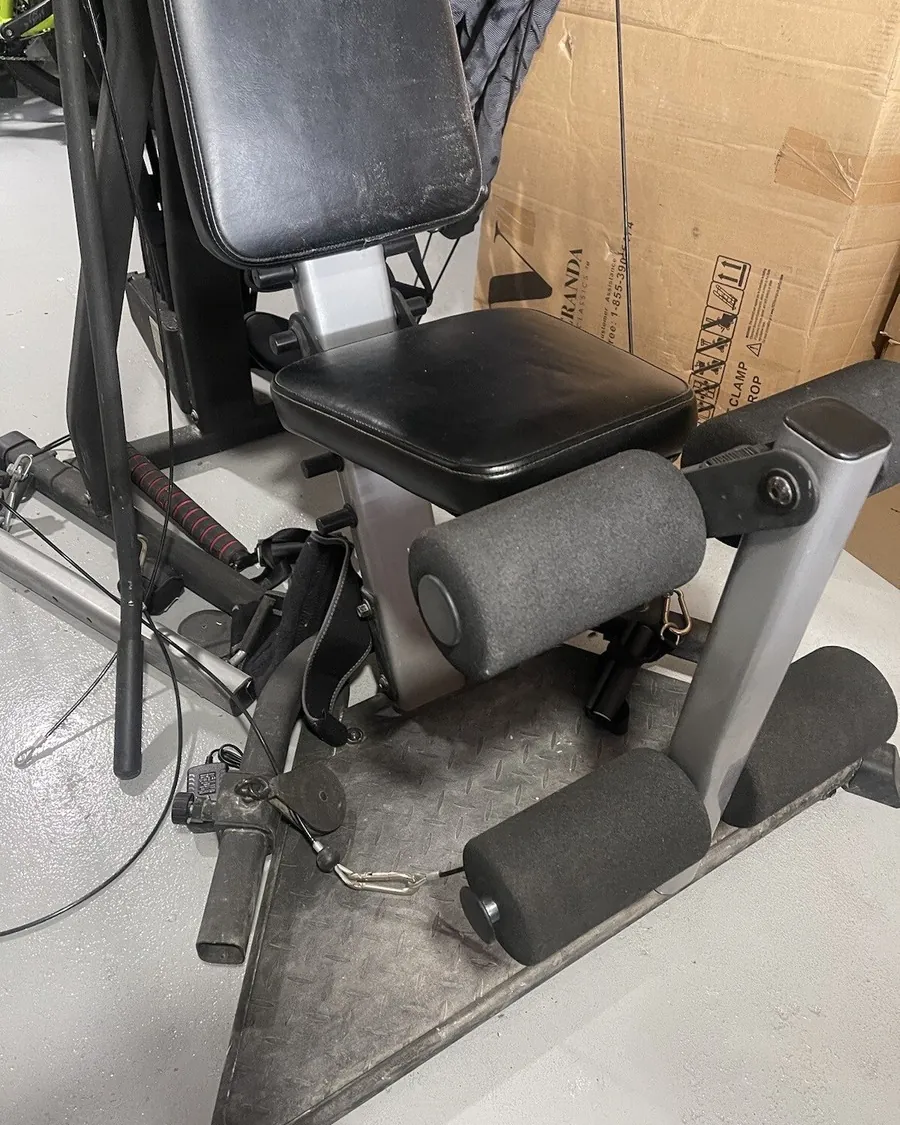
Deciding whether to repair an old setup or replace it depends on your budget and how much work you’re willing to do yourself. Use this table to see which path fits your current situation best.
| If this is true | Repair | Replace |
|---|---|---|
| Frame has deep rust | Never | Always |
| Cables are frayed | Often cheap | Buy new |
| Parts are discontinued | Not possible | Always |
| Bearing noise is loud | Replace parts | Buy new |
| Machine is under warranty | Use warranty | Never |
| Only one cable broken | Easy fix | Not needed |
If a repair costs more than 50% of a comparable new model, stop immediately. You’re likely chasing a “sunk cost” that will fail again within six months.
Check for proprietary fasteners before you begin. If you need specialized tools that cost more than the replacement part itself, the job is a trap.
Distinguish between wear and fatigue. If the metal shows hairline fractures, it’s unsafe to fix. Replace it to avoid catastrophic failure. If the issue is purely mechanical, such as a seized pulley or a snapped belt, repair is usually the smarter investment.
When repairing is the right call
Fixing an existing machine is the right call when the damage is limited to replaceable parts like cables, pulleys, or foam grips. These components are standard on most machines, and you can usually find replacements online by measuring the length and thickness of your original cable. If the steel frame is still straight and free of structural rot, the machine has plenty of life left.
You can often perform these repairs with basic tools like a wrench set and a screwdriver. A cable kit is inexpensive relative to the price of a new system. If you feel a “grinding” sensation, check the pulleys first. A pulley that doesn’t spin freely can cause the cable to fray quickly. Replacing a set of pulleys is a simple task that restores the smooth feel of a high-end machine.
If your machine uses a weight stack, inspect the guide rods for pits or heavy scratches. If the rods are smooth but dirty, a quick wipe with a silicone-based lubricant often fixes the issue. If you’re uncertain about the safety of a repair, check the Consumer Product Safety Commission guidelines for fitness equipment.
If a structural weld is cracked, don’t attempt to fix it with glue or tape. A failed weld is a safety risk, and you should stop using the unit immediately. If you aren’t a skilled welder, this is the point where you must stop and look for a replacement instead.
When replacing is the right call
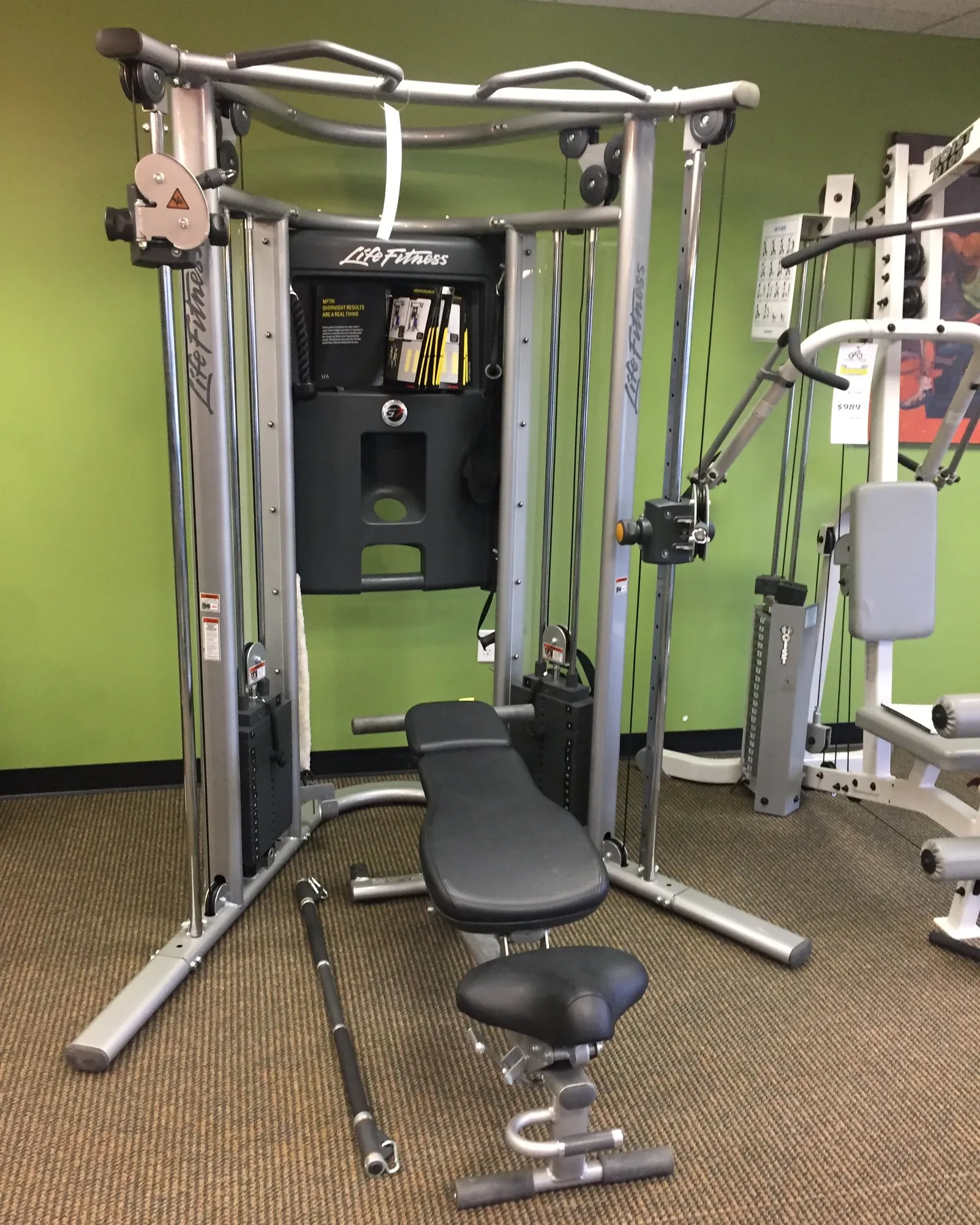
Replacing your gear is the right call when the cost of parts and your time exceeds 50% of the price of a new unit. If the main frame is bent or has sustained significant impact damage, it will never be safe to use again.
A frame that wobbles while you exercise is a sign that the metal has reached its limit. You should also replace the unit if it uses a proprietary electronic console that no longer powers on or syncs with modern apps.
Many older machines have “ghost” issues where the resistance feels uneven or the movement is jerky despite new cables. This often happens when the internal bushings or bearings wear down inside the joints. Replacing these is rarely worth the effort because the machine must be taken apart completely. If you find yourself spending more time fixing the machine than actually working out, it’s time to move on to a newer model.
If you have moved the gym multiple times, the hardware might be stripped. Loose bolts that no longer tighten indicate that the bolt holes in the steel have been widened. This is a permanent failure. In this case, starting fresh with a new assembly ensures you won’t have to worry about the machine collapsing under a heavy load.
If you’re unsure if a part is replaceable, check the manufacturer’s website for an exploded parts diagram. If the diagram is no longer available, the manufacturer has likely stopped supporting the model.
The costs people forget
The flat fee for a professional technician to diagnose the problem is inexpensive relative to the cost of replacing the entire unit. If you attempt the repair yourself and fail, you still owe this diagnostic fee later.
You’ll likely lose three to five hours searching for parts, verifying compatibility, and waiting for shipping. If the part arrives and fails to solve the root cause, you have effectively doubled your labor time and sunk the cost of the initial component.
Removing a heavy appliance requires at least two people to avoid damaging your floors or walls. If you lack a truck, you must pay for a professional hauling service or rental.
When a new unit arrives, don’t assume it’s ready for use. Assembly and installation typically demand another two hours of labor. If you lack the proper tools, you’ll spend an inexpensive amount at the hardware store.
Questions to ask before repairing
Ask these questions to the person helping you or yourself before you commit money to a repair. If the answer to any of these is “no,” you should reconsider the project.
- Can I find an exact part number for the broken piece on the manufacturer’s site? If you can’t find the part, you’ll be guessing with parts that might not fit correctly.
- Is the frame steel or aluminum, and is it free of cracks? A crack in a load-bearing member is a major safety risk that requires professional welding services.
- Do I have the proper tools to remove seized bolts without stripping them? If you lack the right tools, you might turn a minor repair into a major headache.
- Will the total cost of parts be less than half the price of a new unit? If the price is higher, you’re paying a premium to keep an aging machine alive.
- Is the repair simple enough that it won’t void any remaining safety features? If you aren’t sure, consult a professional fitness equipment technician.
Features that prevent future failures
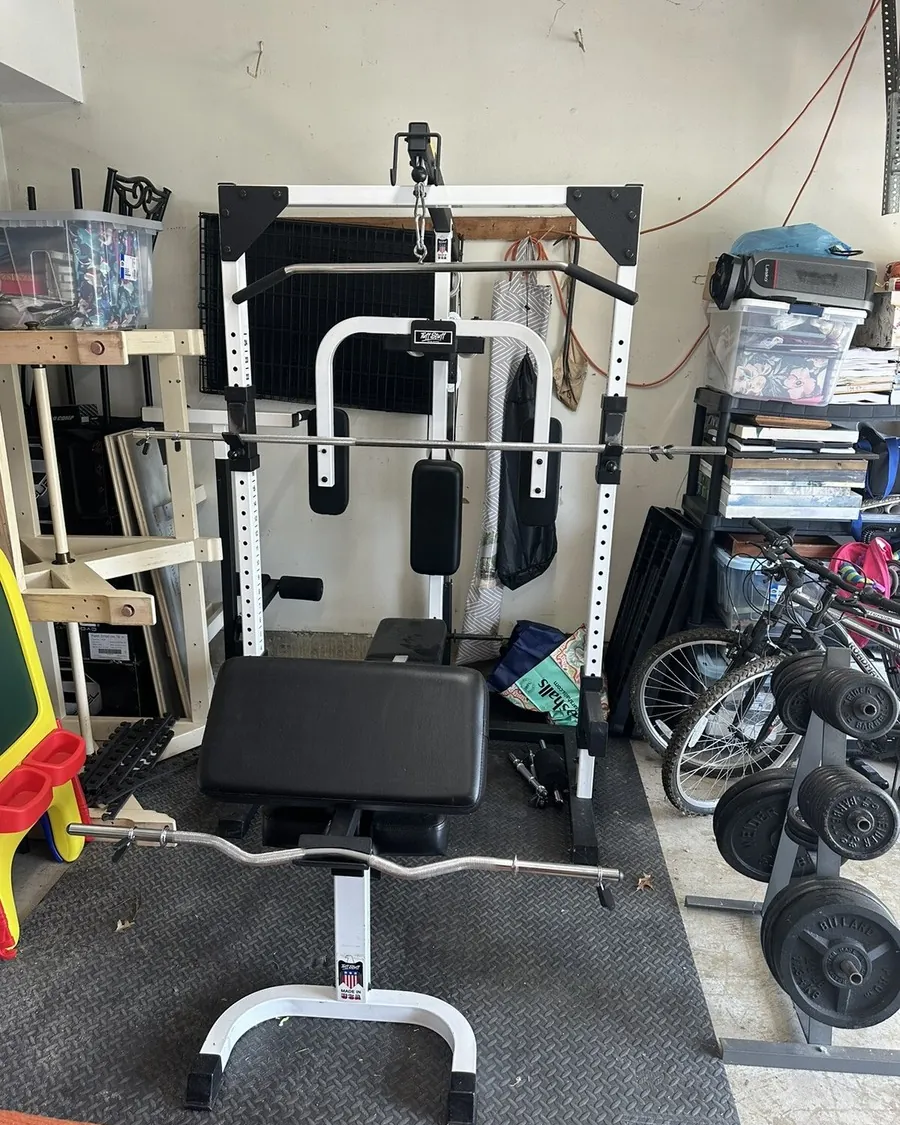
When you look for a new machine, prioritize models with standard, replaceable parts. Avoid machines that use custom plastic pieces for weight selection or tension control, as these are the first to break and the hardest to find. Look for steel frames with a thick powder-coated finish, which resists rust much better than standard paint. A machine with a simple cable-and-pulley design is almost always more reliable than one with complex electronic resistance.
Check the weight stack capacity against your long-term goals. If you buy a machine that’s already at its limit, you’ll wear out the cables much faster than intended. A machine rated for 200 pounds will last longer if your typical workout uses 100 pounds than if you constantly max it out.
If the manufacturer hides their parts catalog behind a service portal, assume you’ll be stranded when a spring snaps. A company that stands behind its build quality publishes schematics openly.
Look for units that use sealed ball bearings in the pulleys rather than simple nylon bushings. Sealed bearings keep dust out and require much less maintenance over the life of the machine. If you feel a gritty sensation or hear a grinding noise during a test pull, the bushings are already failing.
Finally, check the brand’s website to see if they offer a clear, published list of replacement parts for their current models. If you can’t find a dedicated page for individual bolts and pulleys, you’re buying a disposable product.
Related guides
- Top 10 Best Inspection Cameras for Home Appliance Repair in 2026
- Best Power Station for Home in 2026
- What Is Nomex Honeycomb and What Is It Used For
Frequently asked questions
How long should a home gym last?
A well-maintained machine should last a long time, assuming the frame is high-quality steel and you replace the cables periodically. The exact lifespan depends on how often you use it and whether you keep it in a dry, climate-controlled room. If you notice the cables starting to fray or the pulleys making a clicking noise, replace them immediately to extend the overall life of the frame.
Is it safe to buy a used home gym?
It’s safe to buy a used machine if you inspect the frame for rust and ensure all moving parts operate silently. Always look at the welds on the base and the vertical support beams to ensure there are no hairline cracks. Before you use it for the first time, tighten every single bolt, as vibrations from previous use often cause hardware to loosen over time.
How much does it cost to replace gym cables?
Replacing a full set of cables is inexpensive, depending on the number of pulleys and the length of the cables required. You can find these by searching for the specific model number on the manufacturer’s support page. If you can’t find pre-made cables, you can have them custom-made at a local hardware store, but you must ensure the steel core matches the original strength rating.
Why does my home gym squeak?
Squeaking is usually caused by dry bushings or debris trapped in the pulley wheels. To fix it, clean the guide rods and pulleys with a dry cloth, then apply a small amount of silicone lubricant to the moving parts. Use only dry lubricants or manufacturer-recommended products, as wet lubricants attract dust and debris.
What happens if I use a machine with a cracked pulley?
Using a machine with a cracked pulley will cause the cable to jump off the track or fray instantly. The sharp edges of a cracked plastic pulley act like a knife against the steel cable. If you see a crack, stop using the machine immediately to prevent the cable from snapping while you’re in the middle of a repetition.
Does the brand of the home gym matter?
The brand matters because it dictates whether you can buy replacement parts five years from now. Large, established fitness companies usually keep parts in stock for their older models, while generic brands often stop supporting their products after a few years. Before you buy, check the manufacturer’s website to see if they still sell parts for the specific model you’re considering.
Conclusion
Once you have set up your new equipment, try creating a simple weekly workout plan to keep yourself motivated. Don’t worry if your first few sessions feel a bit awkward; you’ll get comfortable with the movements soon enough. Enjoy the convenience of training on your own terms right at home.
