
Gold is an excellent electrical conductor, ranking among the top materials for efficiency and reliability in modern electronics. While many people associate the metal primarily with jewelry or investment, its physical properties make it a cornerstone of high-performance engineering. Because it doesn’t corrode or tarnish, it provides a stable, long-lasting connection that’s essential for complex circuitry where oxidation would otherwise cause failure.
Key Takeaways
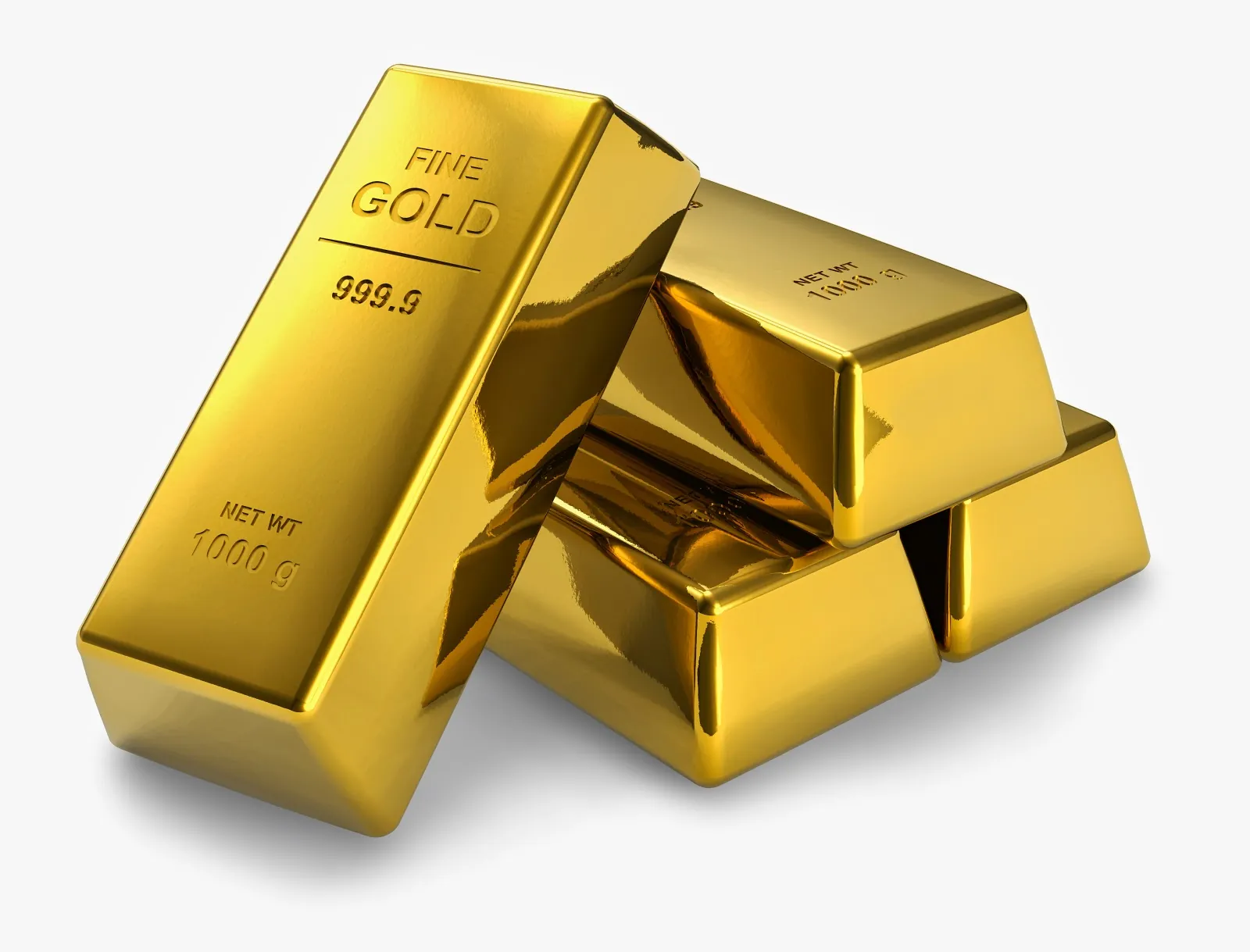
- Gold is a highly conductive metal, making it ideal for low-voltage, high-precision electronic connections.
- The primary advantage of using gold is its superior resistance to corrosion, which prevents signal degradation over time.
- Gold is often used as a thin plating rather than solid wiring due to its high cost and relative softness.
- Engineers choose gold for critical infrastructure, such as medical devices, aerospace components, and high-end audio equipment.
- Always ensure that gold-plated components are handled with care to prevent the thin layer from wearing away.
Is Gold a Conductor or Insulator?
Gold is scientifically classified as an electrical conductor. In the study of materials, a conductor is defined by its ability to allow the free flow of electrons through its atomic structure. Gold possesses a high number of free electrons that move easily when an electrical potential is applied.
Unlike insulators, which have a wide band gap that prevents electron movement, gold offers very low resistance. This makes it one of the most effective materials for transporting current in a stable, predictable manner across electronic interfaces.
Why Engineers Choose Gold
The preference for gold in hardware design isn’t solely based on its conductivity, as metals like silver and copper actually have lower electrical resistance. Instead, engineers choose gold for its chemical stability.
While copper is a better conductor by volume, it reacts quickly with oxygen to form copper oxide, a non-conductive layer that eventually ruins a connection. Gold, being a noble metal, doesn’t oxidize in air or moisture. This ensures that the electrical contact remains consistent for decades, which is a requirement for ASTM International standards for electronic connectors.
Comparison of Common Conductors
| Metal | Conductivity Rank | Corrosion Resistance | Typical Usage |
|---|---|---|---|
| Silver | 1st | Low | High-end audio, specialized switches |
| Copper | 2nd | Moderate | Wiring, PCB traces, power cables |
| Gold | 3rd | Excellent | Connector pins, relay contacts |
| Aluminum | 4th | Low | High-voltage power transmission lines |
Common Applications for Gold
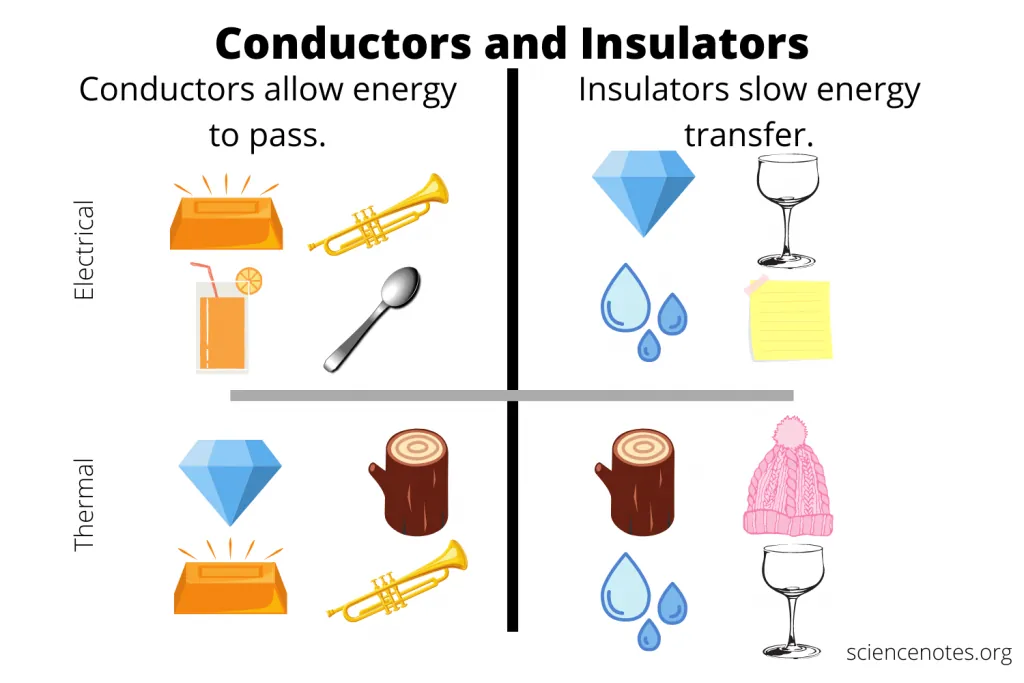
Because gold is expensive and soft, it’s rarely used as a bulk material for wires or large components. Instead, manufacturers use gold plating to coat the surface of base metals like copper or nickel. This provides the benefits of gold at a fraction of the cost.
- Computer Processors: CPU pins are gold-plated to ensure a perfect connection between the chip and the motherboard socket.
- Audio Cables: High-end RCA and XLR connectors use gold to prevent oxidation from affecting sound quality.
- Aerospace Electronics: Critical systems that can’t be easily serviced require the long-term reliability that only gold surfaces provide.
- Medical Implants: Pacemakers and neural probes use gold for its biocompatibility and resistance to bodily fluids.
The Role of Gold Plating
When you look at the pins on a USB cable or a memory module, you’re likely looking at a thin layer of gold over a brass or copper substrate. This process, known as electroplating, involves depositing a thin film of gold onto a base metal.
The thickness of this plating is measured in micro-inches. Pro Tip: Always check the specifications of your electronic components; a “gold-flash” plating is extremely thin and may wear off after repeated plugging and unplugging, whereas “hard gold” plating is designed for thousands of cycles.
How Conductivity Affects Performance
Conductivity is the measure of how easily charge flows through a material. In digital electronics, signal integrity is paramount. If a connection is poor, the signal can experience “noise” or data loss. Because gold maintains a clean, oxide-free surface, it minimizes the contact resistance at the interface between two components. This is especially vital in low-voltage applications where even a tiny amount of corrosion could cause the signal to drop below the threshold required for the device to function correctly.
Is Gold Used for Wiring?
While gold is a conductor, it’s almost never used for long-distance wiring. The cost would be prohibitive, and the metal is too soft to withstand the mechanical stress of being pulled through conduits. Copper is preferred for long-run wiring because it’s affordable, durable, and highly efficient.
Gold is strictly reserved for the termination points—the very ends of the wires where they connect to a device. By keeping the gold use limited to these small areas, companies maintain high signal quality without inflating the price of the entire system.
Troubleshooting Connection Issues
If your electronic device is failing, it’s rarely because the gold plating has stopped conducting; it’s usually because the connection has become dirty or loose.
| Symptom | Potential Cause | Recommended Fix |
|---|---|---|
| Intermittent signal | Oxidation on base metal | Clean with isopropyl alcohol |
| No connection | Worn-off gold plating | Replace the connector cable |
| Corroded pins | Exposure to humidity | Use contact cleaner spray |
Warning: Never use abrasive tools like sandpaper or steel wool to clean gold-plated pins. You’ll strip the gold layer entirely, exposing the base metal to rapid oxidation and permanent failure.
Limitations of Using Gold
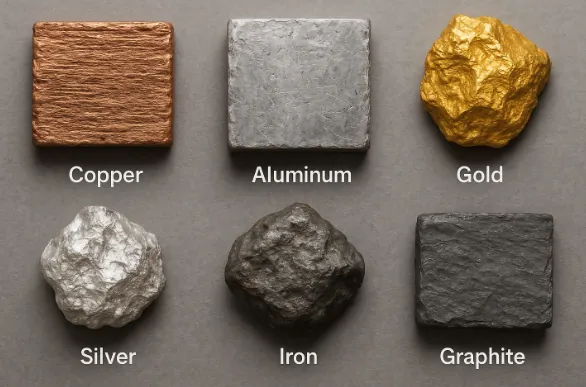
Despite its advantages, gold has distinct drawbacks that must be managed. First, it’s a soft metal, which means it can scratch or deform under heavy pressure. Second, gold is susceptible to a process called “fretting,” where micro-vibrations cause the gold plating to wear away over time, especially if the connector isn’t perfectly secure. Finally, the price of gold fluctuates based on global markets, making it a volatile component for manufacturers to source in large quantities.
Frequently Asked Questions
Is gold better than copper?
Gold is not “better” than copper in terms of raw electrical conductivity. Copper is actually more conductive and significantly cheaper. However, gold is superior in environments where corrosion resistance is essential. Copper oxidizes easily, which creates a resistive barrier, whereas gold remains chemically inert. Therefore, copper is best for carrying current, while gold is best for ensuring that connections remain reliable over long periods.
Can I use gold wire for electricity?
Technically, you could use gold for wiring, but it’s impractical. Aside from the extreme cost, gold isn’t as strong as copper or aluminum, meaning it would be prone to snapping under the mechanical stress of home or industrial wiring installations. It offers no functional benefit for transmission that would justify the massive increase in price compared to standard copper wiring used in electrical grids.
Does gold plating wear off?
Yes, gold plating is a thin layer that can wear away through physical friction or chemical exposure. If you frequently plug and unplug a gold-plated connector, the mechanical stress will eventually strip the layer off. Once the gold is gone, the base metal underneath is exposed to oxygen and moisture, which will lead to oxidation and eventual signal degradation. High-quality connectors use thicker, “hard” gold plating to prevent this.
Why do computers use gold?
Computers rely on thousands of tiny connections that must operate with extreme precision. Because computers generate heat and are often stored in environments with varying humidity, oxidation would be a constant threat to the motherboard and processor. Gold provides a maintenance-free, highly reliable surface for these critical interfaces, ensuring that data packets are transmitted without errors caused by poor electrical contact or surface corrosion.
Is gold the best conductor?
No, silver is the most conductive metal, followed by copper, and then gold. While gold is the third most conductive, it’s often considered the “best” for electronics because it combines sufficient conductivity with the unmatched ability to resist corrosion. Silver is often avoided in delicate electronics because it tarnishes quickly, which can interfere with the signal, making gold the more stable, practical choice for high-end connectors.
Conclusion
Maintaining high-quality electronic connections is the primary reason for gold’s ubiquity in modern technology. By understanding its role as a corrosion-resistant conductor, you can better appreciate the engineering behind your favorite devices. To ensure your hardware lasts, always handle gold-plated connectors with clean, dry hands and store them in a cool, moisture-free environment to preserve their conductive integrity.
