
When you walk into the kitchen to prepare a meal and find that your gas stove wont light, the situation can be frustrating and even slightly alarming. Most homeowners experience this issue at some point, and in the vast majority of cases, it stems from a minor mechanical or electrical hiccup rather than a major system failure. Before you assume you need a professional repair technician or a full replacement, you can perform a series of systematic checks to identify the root cause. Understanding the inner workings of your range—specifically how the ignition system interacts with the gas flow—will empower you to resolve the problem efficiently and safely.
Key Takeaways
- Check that your range is plugged into a functional wall outlet to power the electronic ignition.
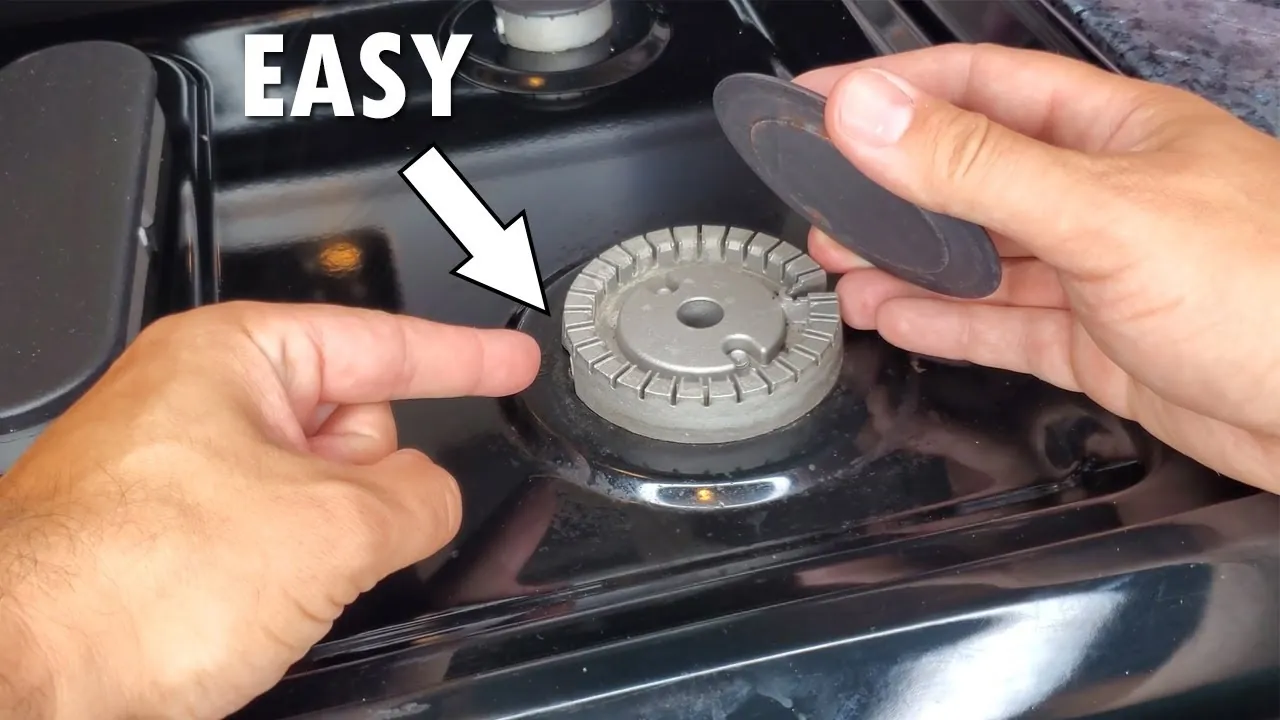
- Ensure the burner cap is seated perfectly flat to avoid interfering with the spark or flame path.
- Clean away food debris and grease from the igniter and burner ports using a soft, non-abrasive brush.
- Verify that the gas supply valve behind the stove is fully open and not obstructed.
- Listen for a clicking sound to determine if the igniter is attempting to spark.
Safety: Inside a mains-powered machine, the parts behind the outer cover can hold a dangerous electrical charge even after it has been unplugged — that’s why they sit behind a cover. Opening the housing, or testing or replacing anything behind it, is a job for a qualified technician, never a home repair.
Why is my burner not sparking?
The most common reason for a failed ignition is a dirty or misaligned component. Modern gas ranges use an electric spark igniter to light the gas. If debris, such as spilled milk, cooking oils, or burnt food particles, covers the igniter, it can’t create the necessary electrical arc. Additionally, if the burner cap is slightly tilted or misaligned, the gas may not flow properly toward the spark, preventing ignition.
Troubleshooting why your gas stove wont light
To troubleshoot this, first turn off the stove and let it cool completely. Inspect the small, ceramic igniter located near the burner head. If you see visible buildup, gently clean it with a soft toothbrush or a dry cloth. Be extremely careful; the ceramic material is fragile and can crack if handled with excessive force. Once cleaned, ensure the burner cap sits perfectly level on the burner base.
| Component | Common Issue | Quick Fix |
|---|---|---|
| Burner Cap | Misalignment | Re-seat the cap flat |
| Igniter | Food/Grease buildup | Clean with soft brush |
| Burner Ports | Blockage | Clear with a needle |
| Control Knob | Poor connection | Remove and clean base |
Is there a power supply issue?
While gas ranges use fuel to create heat, the ignition system usually requires electricity to function. If you don’t hear a rhythmic “clicking” sound when you turn the knob to the “lite” position, your stove may not be receiving power. Check your home’s breaker panel to ensure the circuit dedicated to the kitchen hasn’t tripped. If the breaker is fine, verify that the stove’s power cord is securely plugged into the wall outlet.
Warning: Always disconnect the power cord from the electrical outlet before attempting any internal maintenance or removing burner components to avoid the risk of accidental electrical shock.
Testing the outlet
Sometimes the outlet itself can fail. Plug a small appliance, like a toaster or a lamp, into the same outlet to confirm it has power. If the other appliance fails to turn on, the issue is likely with your home’s wiring or the circuit breaker rather than the appliance itself. In such cases, contact a licensed electrician to inspect the power source.
Could the gas be off?
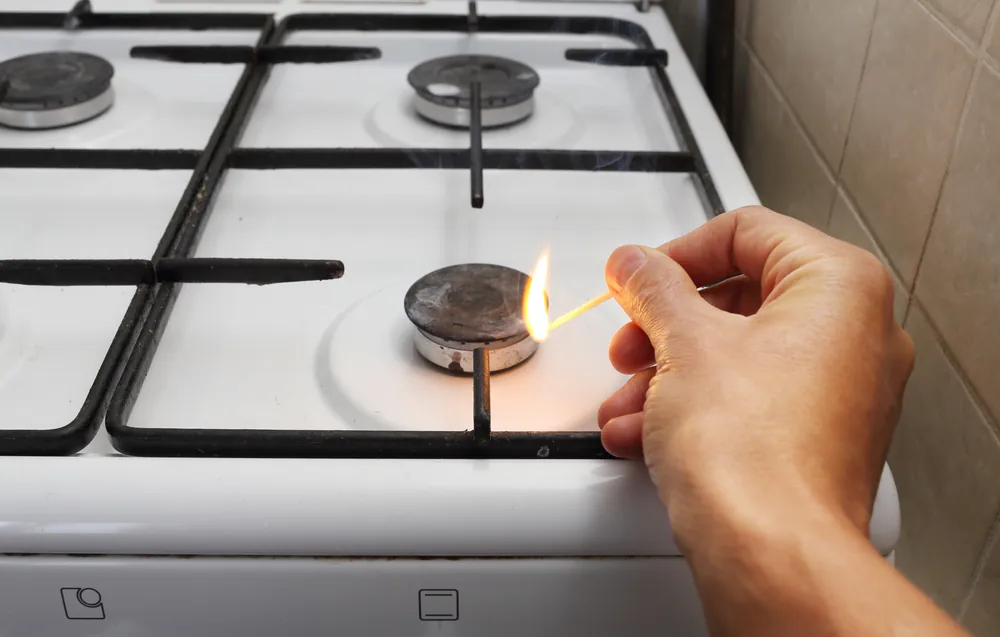
If you hear the igniter clicking but the burner still refuses to ignite, you must consider the fuel supply. The gas valve is typically located behind the stove. If someone recently moved the appliance or performed maintenance, the valve might have been accidentally bumped into the “off” position. Ensure the lever or handle on the gas line is parallel to the pipe, which indicates that the valve is fully open and gas is flowing to the unit.
Are the burner ports clogged?
Gas reaches the burner through a series of small holes known as burner ports. Over time, these ports can become clogged with grease, carbon deposits, or food spills. If the gas can’t escape through these holes, it won’t reach the igniter spark. You can identify this by observing the flame when other burners are lit; if the flame is uneven or yellow, your ports likely need a thorough cleaning.
Cleaning the burner assembly
Use a thin, stiff object, such as a paperclip or a needle, to gently clear out any blockages in the ports. Avoid using toothpicks, as they can break off inside the hole and create a deeper obstruction. Once you have cleared the debris, wipe the burner head with a damp cloth and a mild degreaser, then dry it completely before reassembling the unit.
How to safely handle gas
Safety is paramount when working with any gas-powered appliance. According to the Consumer Product Safety Commission, gas appliances must be properly vented and maintained to prevent the buildup of carbon monoxide, which is an odorless and colorless gas that can be fatal. If you ever smell a “rotten egg” scent, evacuate the area immediately and contact your utility provider to report a potential leak.
Pro Tip: If you notice a persistent smell of gas even when the burners are off, shut off the main gas supply valve immediately and keep the area well-ventilated until a professional arrives to inspect the lines.
Is the control switch faulty?
If you have cleaned the burner and confirmed the power supply is functional, the internal ignition switch might be the culprit. This switch is located behind the control knob. When you turn the knob, the switch sends an electrical signal to the igniter to start the clicking process. If the switch has worn out or suffered moisture damage, it won’t signal the igniter, even if the knob feels like it’s turning correctly.
Should I replace the igniter?
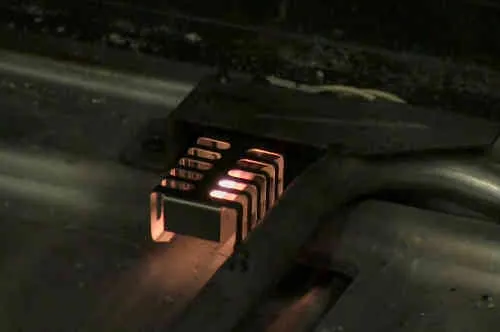
If you hear the spark but the burner still doesn’t light, the igniter itself might be weak. An igniter that’s failing will produce a dim, orange glow rather than a sharp, blue spark. If the igniter is damaged or burned out, it won’t generate enough heat to ignite the gas flow. Replacement igniters are available for most major brands, such as General Electric, Whirlpool, or Samsung, and can often be swapped out by a handy homeowner.
| Part Name | Function | Replacement Difficulty |
|---|---|---|
| Igniter Switch | Triggers spark | Moderate |
| Spark Module | Controls ignition timing | Moderate |
| Burner Igniter | Creates the spark | Easy to Moderate |
| Gas Valve | Controls fuel flow | Advanced/Professional |
Are there moisture issues?
If you have recently cleaned your stovetop with water or a liquid cleaner, moisture can easily get trapped inside the burner assembly. This excess water creates a short circuit in the ignition system, preventing the spark from jumping to the burner. If you suspect moisture, the best solution is to wait. Leave the stove off for several hours, or use a hair dryer on a low, cool setting to gently dry the area around the igniter.
Can debris block the flow?
Beyond the burner ports, the orifice—the small nozzle that feeds gas into the burner—can sometimes become blocked. If you notice that one specific burner is consistently slower to light or has a very weak flame, the orifice may be obstructed by a small piece of debris. Clearing this requires removing the burner head and potentially using a specialized cleaning tool, which is a task best handled with caution to avoid damaging the delicate brass fitting.
How much do repairs cost?
If you choose to hire a professional, the cost will depend on the nature of the repair and the specific model of your stove. Generally, you can expect to pay for a diagnostic fee plus labor and parts.
- Basic diagnostic/service call: $80 – $150
- Replacement igniter part: $20 – $70
- Ignition module replacement: $100 – $250
- Professional labor (per hour): $75 – $150
Is the flame path clear?
The “flame path” is the route the gas takes from the burner port to the igniter. If something is blocking this path—a loose pan support, a heavy layer of baked-on residue, or even a warped burner cap—the gas can’t reach the spark. Always ensure that the area between the igniter and the burner head remains clear of any obstructions. A clean path is essential for the gas to catch the spark instantly upon turning the knob.
Related guides
- How Much Does Stove Cost to Run: Electric vs Gas Breakdown in 2026
- Hot Tub Wont Heat: 3 Simple Fixes to Try Now in 2026
- 10 Best Vented Gas Heaters for Safe and Efficient Heating
Frequently Asked Questions
Why does my stove click but not light?
This usually means the igniter is receiving power but can’t ignite the gas. The most common cause is a blockage in the burner ports or a misaligned burner cap. Alternatively, the gas flow might be insufficient, or the igniter may be too far from the burner ports to spark effectively. Try cleaning the ports and ensuring the burner cap is seated perfectly flat on the base.
Is it dangerous if the burner won’t light?
Yes, it can be dangerous if you continue to turn the knob while the gas is flowing but not igniting. This allows unburnt gas to accumulate in your kitchen, which is a fire and health hazard. If your stove doesn’t light after two or three attempts, stop immediately, turn the knob to the “off” position, and ventilate the room by opening windows to let the gas dissipate.
Can I fix my gas stove myself?
Many minor issues, such as cleaning burner ports or re-seating a burner cap, are safe for homeowners to perform. However, if the issue involves internal wiring, the gas valve, or the main gas lines, it’s strongly recommended that you contact a professional technician. Working with gas lines carries inherent risks, and a faulty repair could lead to leaks or carbon monoxide exposure.
How do I know if the igniter is broken?
If you turn the knob and don’t hear a rhythmic clicking sound, or if you hear the clicking but see no spark at the burner, the igniter is likely faulty. A healthy igniter should produce a bright, consistent spark. If you see only a faint orange glow or nothing at all, the igniter likely needs to be replaced. Consult your manual for the correct part number.
How often should I clean my burners?
To keep your gas stove performing reliably, you should aim to perform a light cleaning of the burner heads and caps once a month. If you notice spills or boil-overs, clean them immediately once the stove is cool. Regular maintenance prevents the buildup of grease and food debris that leads to the majority of ignition failures and ensures the gas flows freely through the ports.
Conclusion
If these troubleshooting steps don’t resolve your issue, it’s time to consult your manufacturer’s user manual for model-specific instructions or contact a qualified appliance repair service. Don’t continue to force the ignition, as this can lead to gas accumulation. Start by checking your burner ports and igniter cleanliness today, as these simple tasks solve most common stove lighting problems.
