
Common mechanical issues often linked to john deere 317 skid steer problems typically involve the hydraulic system, electrical harness connections, and engine cooling components. These machines are known for their power, but they require strict adherence to maintenance schedules to prevent downtime. The main difference between these units is their production year, as early models had different wiring and sensor layouts compared to later, updated versions.
Typical John Deere skid steer troubles
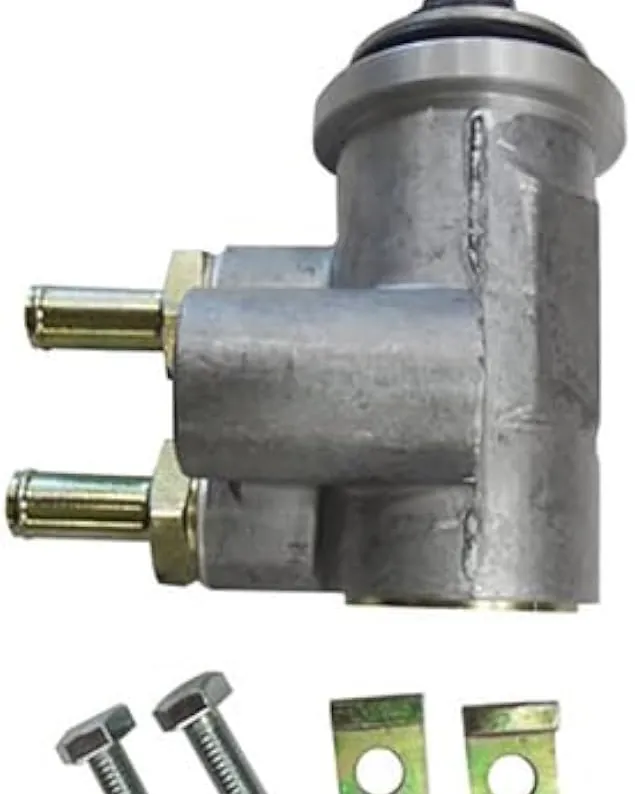
Every operator should monitor these specific areas to ensure the machine remains functional during heavy work. If a system fails, the table below helps you identify the likely source of the trouble.
| Component | Common Issue | Typical Symptom |
|---|---|---|
| Hydraulic System | Fluid leaks | Dropping lift arms |
| Electrical | Sensor failure | Dash warning lights |
| Cooling System | Radiator debris | Engine overheating |
| Drive Motors | Loss of power | Tracking in circles |
| Fuel System | Clogged filters | Rough engine idle |
Check the hydraulic fluid levels daily. If the lift arms drift downward while the engine is off, you have a seal breach that requires repair to prevent the arms from dropping unexpectedly.
When the machine tracks in circles, verify the track tension before assuming a motor failure. A loose track often mimics a dead motor but costs only minutes to adjust.
If the engine idles roughly, replace the primary fuel filter before checking the injectors. Most operators mistake a dirty filter for a mechanical breakdown, wasting hours on diagnostic tests when a simple swap solves the issue.
Finally, keep the radiator fins clear of dust. If the temperature gauge climbs into the red, stop immediately. Running a hot engine for even ten minutes can warp the cylinder head, turning a routine cleaning job into a total rebuild.
Hydraulic system performance
Hydraulic leaks are the most frequent complaint for this model, usually appearing around the fittings or the lift cylinders. The system relies on high-pressure oil to move the arms; if a seal fails, the pressure drops and the arms may drift downward while under a load.
- Check all hose connections for wet spots every 50 hours of operation.
- Inspect the lift cylinders for chrome scoring or visible oil weeping.
- Monitor the hydraulic fluid level daily using the sight glass on the reservoir.
- Replace O-rings immediately if you see fluid pooling on the frame.
If the machine loses lift capacity, verify the hydraulic fluid level is within the range specified in the John Deere operator manual. If the level is correct but the arms still creep, the internal cylinder seals likely need replacement. This is a task for a qualified technician, as the high-pressure system poses a risk of injection injury if handled incorrectly.
Electrical harness and sensor integrity
Electrical faults often stem from corrosion in the wiring harness or faulty sensors near the engine block. Because these machines operate in dirty, vibrating environments, connections frequently loosen or trap moisture, leading to intermittent dashboard alerts or a total failure to start.
Clean all battery terminals and ground connections to prevent voltage drops. If you see a white or blue crust on the terminals, scrub it away with a wire brush and apply dielectric grease to seal the metal from future moisture.
Inspect the wiring harness for signs of rubbing against the frame. If the outer loom shows exposed copper, wrap the area in self-fusing silicone tape rather than standard electrical tape, which peels off under heat.
Test the seat belt and operator presence sensors, as these disable the hydraulics. If your hydraulics fail to engage while the engine runs, check the continuity of the seat switch first. A common mistake is assuming the sensor is dead when the issue is merely a disconnected plug under the seat.
Check the fuse panel for oxidation if the dash display flickers. If the fuse blades look dull or grey, replace them immediately. A corroded fuse creates high resistance, which can melt the plastic housing and permanently damage the fuse block.
When the machine shuts down unexpectedly, look at the error code on the digital display first. If the code indicates a sensor fault, check the plug for debris before replacing the part. Never bypass safety switches, as they’re designed to prevent accidental movement of the loader arms.
Engine cooling and airflow
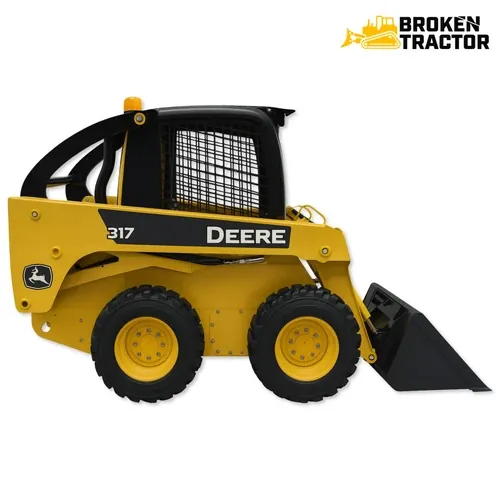
Overheating is a common risk when working in dusty conditions, as the radiator screen blocks airflow to the engine. If the cooling fins become packed with debris, the engine temperature will climb rapidly, potentially causing permanent damage to the block or head gasket.
Clear the radiator screen at the end of every shift using compressed air. Aim the nozzle from the engine side outward to blow debris away from the core, rather than driving it deeper into the fins.
Ensure the cooling fan belt has the proper tension to maintain airflow. A belt that deflects more than half an inch under moderate thumb pressure will slip under load, causing the fan to spin too slowly to dissipate heat.
Check the coolant reservoir level when the engine is completely cool. Verify the thermostat opens correctly if the gauge stays in the red zone.
If the engine runs hot despite a clean radiator, the water pump might be failing. Inspect the weep hole on the water pump for signs of leakage. If you find coolant dripping there, the pump must be replaced to prevent a total engine seizure. Ignoring a small weep today often results in a catastrophic bearing failure during your next high-load task.
Drive motor and tracking issues
Tracking issues manifest as the machine pulling to one side while driving in a straight line. This often happens because drive motor pressure is uneven or steering linkages have developed excessive play.
Adjust the steering linkage tension to ensure both levers have equal travel. If the machine pulls only under a load, the issue is likely a weak drive motor rather than a linkage problem.
Inspect the final drive oil for metal shavings, which indicate gear wear. If you find debris, stop operation immediately to prevent a catastrophic failure of the planetary gears.
Check the tire pressure, as a difference of even two pounds per square inch causes the machine to drift. Always measure pressure when the tires are cold.
Lubricate the pivot points on the drive controls to prevent sticking. If the controls feel stiff, the machine will often jerk when you attempt to make minor corrections.
A machine that pulls hard to the left or right requires a professional adjustment of the hydrostatic pump settings. This process requires specialized gauges to measure pressure output. If you aren’t familiar with hydraulic pressure testing, don’t attempt to adjust the pump. Incorrect settings can destroy the drive motor in minutes.
Other maintenance considerations
-
Fuel delivery: Replace the primary and secondary fuel filters every 500 hours to avoid engine sputtering. If you notice a loss of power under heavy load, swap them early. Waiting until the engine stalls can draw contaminants into the high-pressure pump, turning a simple filter change into a costly repair.
-
Battery health: Use a battery meeting the manufacturer’s minimum cold cranking amps for your specific climate. In regions where temperatures drop below freezing, ensure your battery meets the manufacturer’s cold cranking amp requirements and use the recommended winter-grade engine oil.
-
Grease points: Apply high-quality lithium grease to all pins and bushings every 10 hours. If you operate in wet or muddy conditions, shorten this interval to 8 hours. Neglecting this leads to ovaled-out bushing bores, which creates structural slop that can’t be fixed without expensive machining or complete component replacement.
Choosing the right repair path
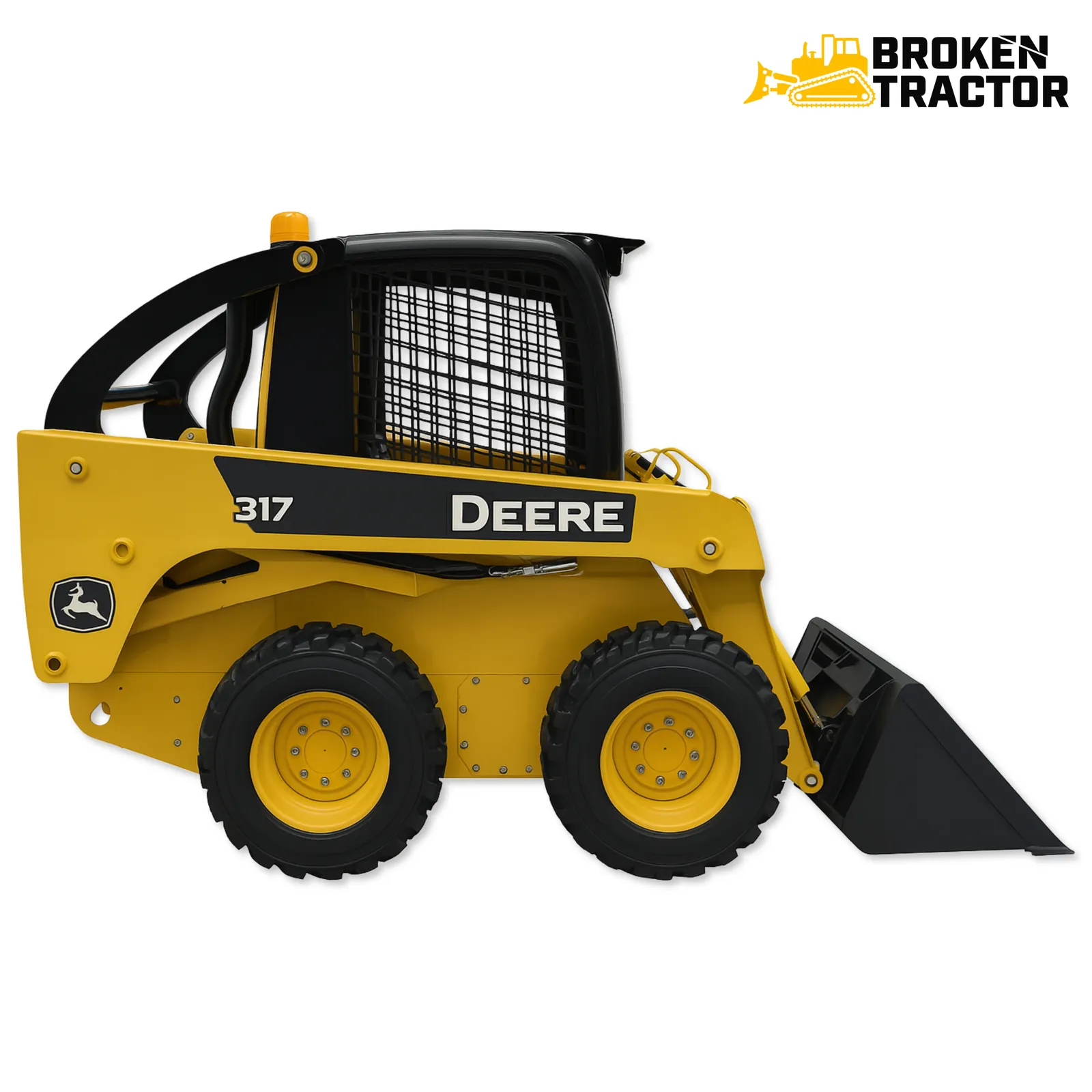
Deciding whether to perform a repair yourself depends on your access to tools and your comfort with heavy machinery. If the problem is a simple filter change or a loose battery connection, most owners can handle it with basic hand tools. If the issue involves splitting the hydraulic pump or engine teardown, it’s safer to hire a trained mechanic.
Picking a repair path means being honest about your mechanical skills; attempting a complex repair without the proper lifting equipment can lead to expensive damage or physical harm. Combining these repairs into a single service visit often saves money on labor costs.
Frequently Asked Questions
How do I clear a machine error code?
You must address the physical fault first, then cycle the ignition switch to reset the computer. The code will remain active until the sensor detects the repair, so don’t try to clear it by simply turning the key on and off. If the code persists after you fix the component, the wiring harness might have a hidden break that needs a multimeter to locate.
Why does the engine lose power under load?
The engine typically loses power because the fuel filter is clogged or the air filter is restricted by dust. Check the air filter gauge on the housing; if it shows red, replace the element immediately. If the filters are clean, the fuel lift pump might be failing to deliver enough diesel to the engine during high-demand tasks.
Is it safe to operate with a hydraulic leak?
It isn’t safe to operate with a hydraulic leak because pressurized oil can pierce the skin or cause a fire if it sprays onto a hot exhaust. Even a small pinhole leak can cause serious medical harm. Stop the machine, relieve the pressure in the system, and fix the leak before attempting to move the arms again.
How long should the hydraulic fluid last?
The hydraulic fluid should be changed every 1,000 hours of operation or sooner if the oil appears milky. Milky oil indicates water contamination, which reduces the lubrication properties and can rust internal valves. Check the manual for the specific viscosity grade required for your local temperature range, as using the wrong oil will cause sluggish performance in cold weather.
Does the machine need a specific battery?
You should use a battery that meets the cold cranking amp requirements listed on the engine serial plate. A battery with too little power will struggle to turn the starter in cold temperatures, which can damage the starter solenoid over time. Ensure the cables are tight and free of corrosion, as a loose connection causes the same starting problems as a dead battery.
What happens if I ignore the cooling screen?
Ignoring the cooling screen causes the engine to overheat, which leads to warped cylinder heads and blown gaskets. The screen is the first line of defense; if it’s blocked, the fan can’t pull air through the radiator. Always clear this screen before you start the engine and periodically throughout the day if you’re working in dry, dusty conditions.
Conclusion
Start your maintenance by checking the engine oil and hydraulic fluid levels before you turn the key. If the levels are correct but the machine shows a warning light, stop immediately to prevent further damage. If you hear a grinding noise or smell burning plastic, shut the machine down and call a professional, as these signs point to a failure that requires specialized diagnostic tools.
