
The offshore industry is evolving as it shifts from extracting oil to harvesting wind energy. Companies rely on similar vessels and subsea technology to construct both oil platforms and wind farms. While oil rigs pump resources from beneath the seabed, wind turbines utilize comparable foundation designs to convert ocean breezes into electricity.
How the offshore industry powers oil and wind
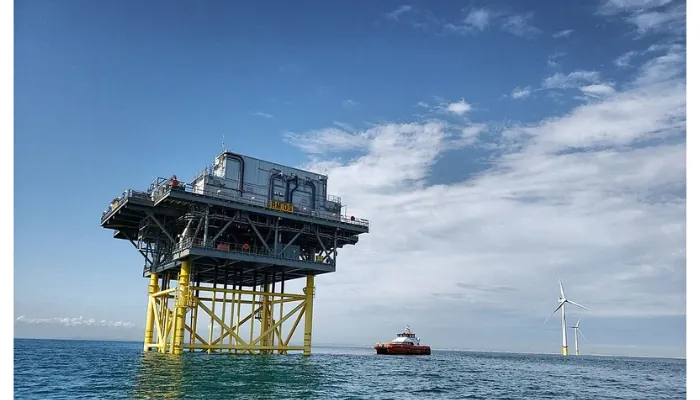
The transition from oil to wind relies on specific infrastructure that stays mostly the same regardless of the energy source. You can check the exact specifications of these parts in the technical manuals provided by the manufacturers or the project site operator.
| Part or input | What it does | What you notice when it goes wrong |
|---|---|---|
| Steel jacket | Supports the structure above water | Corrosion or cracks at the joints |
| Subsea cables | Transports power or oil to shore | Power loss or pressure drop detected |
| Support vessel | Positions equipment and personnel | Delayed schedules or supply shortages |
| ROV unit | Performs underwater inspections and repairs | Loss of video feed or control |
| Heavy-lift crane | Places turbines or rig modules | Load instability or mechanical failure |
If you see bubbling paint or rust streaks near the splash zone, schedule an ultrasonic thickness test immediately. Ignoring these signs often leads to catastrophic weld failure during high-seas events.
When evaluating subsea cables, distinguish between fiber-optic signal loss and actual power transmission failure. If the cable shows a sudden spike in impedance, it’s likely a physical breach; if the voltage remains steady but data drops, focus your troubleshooting on the junction boxes rather than the line itself.
Finally, don’t rely on a single heavy-lift crane for critical offshore installations. If your project requires lifting components exceeding 500 tons, always maintain a secondary crane on standby. This redundancy saves hundreds of thousands of dollars in daily vessel charter fees if the primary hydraulics fail mid-operation.
Steps for offshore energy installation
The process for setting up a wind farm or an oil rig follows a strict sequence to ensure safety and stability. Each stage requires precise engineering and calm weather conditions, which often dictate the pace of work.
- Survey the seabed using sonar to ensure the ground can hold the weight of the structure, a process taking 2-4 weeks depending on the area size.
- Fabricate the steel foundation or jacket on land, which usually takes 6-12 months for a single large unit depending on the steel grade and design.
- Transport the components to the site on a barge, ensuring the weather window remains open for the 3-5 days needed to reach the offshore destination.
- Install the foundation into the seabed using hydraulic hammers or suction piles, which takes 24-48 hours of continuous work once the barge is positioned.
- Connect the subsea cables to the structure to allow for power transmission or resource flow, a task requiring 3-7 days of precise underwater maneuvering by divers or ROVs.
- Commission the final structure by testing all electrical or hydraulic systems, which takes 1-2 weeks to ensure every safety sensor reports back correctly to the control center.
Mechanical links between oil and wind
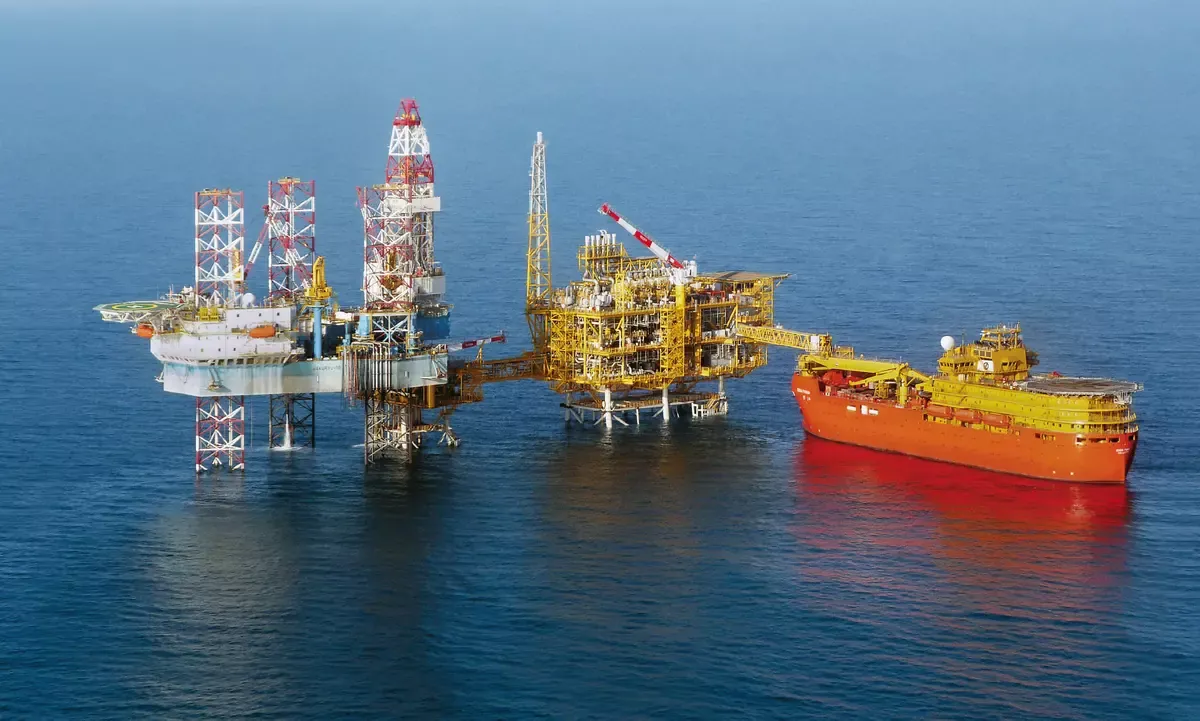
The shift toward offshore wind relies heavily on the technical lessons learned from decades of oil and gas exploration. Engineers use the same subsea foundation designs, such as monopiles and jackets, to anchor wind turbines into the seafloor. If you look at the Bureau of Ocean Energy Management guidelines, you’ll see how these structures must meet strict environmental and structural standards to operate safely in federal waters.
This shared heritage means that the same specialized vessels, such as jack-up barges and anchor-handling tugs, are used for both industries. A mistake people often make is assuming the rigs and turbines are entirely different machines; in reality, the core engineering for staying upright in deep, turbulent water is identical. If the seabed is soft, engineers use suction buckets to anchor the base; if the seabed is rocky, they use drilled piles.
The trade-off is that oil rigs require complex piping for high-pressure fluids, while wind turbines require complex electrical substations to convert and move voltage. If a project uses deep-water sites, it must use floating platforms; if it uses shallow water, it sticks to fixed-bottom foundations. This design choice determines the entire project budget and the type of maintenance team required for the next 20 years of operation.
Control and design limits
Things you control
- The maintenance schedule for critical components.
- The choice of vessel for specific tasks.
- The safety protocols for offshore personnel.
- The monitoring frequency for underwater sensors.
Things fixed by design
- The depth limit of the seabed foundation.
- The maximum wind speed the turbine handles.
- The geological stability of the ocean floor.
If you aren’t a certified marine engineer or a licensed contractor, you should never attempt to modify or inspect these structures yourself. Working on offshore assets requires specific maritime training and safety certifications that only authorized professionals possess.
Improving offshore energy efficiency
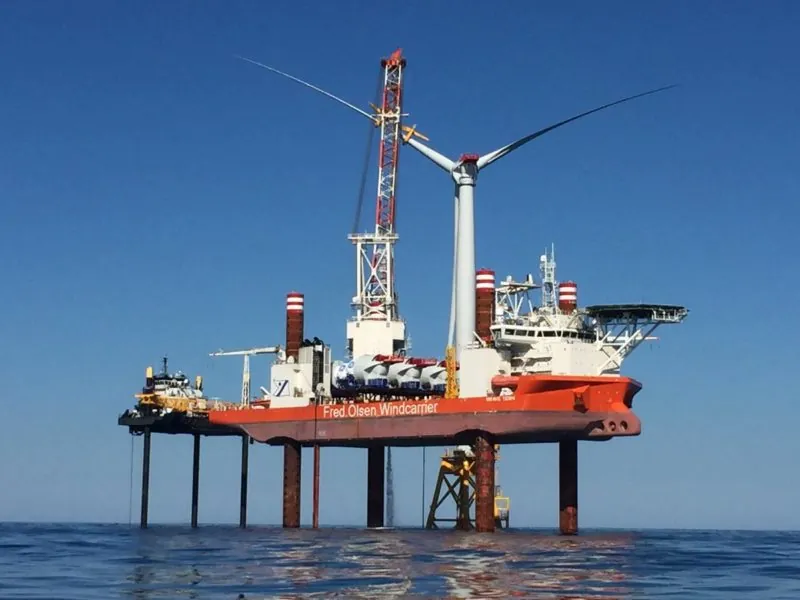
Efficiency in offshore energy comes down to maximizing the time that equipment spends in operation rather than in repair. Since weather is the biggest variable, crews must optimize their maintenance tasks to fit within the narrow windows of calm seas.
If a site experiences wave heights exceeding 1.5 meters, the number of days available for boat transfers drops significantly. Most operators keep spare parts on the platform itself to avoid waiting for a weather window that may not open for weeks.
Regularly cleaning the underwater structures prevents the build-up of marine growth, which adds unnecessary weight and drag to the foundations. If you notice a 5% increase in vibration sensors on the platform, prioritize a hull cleaning immediately to reduce structural stress.
Always use the sensor data from the turbine or rig to predict when a part needs replacing before it actually fails. This predictive approach saves millions in emergency vessel mobilization costs. Avoid the common mistake of waiting for a quarterly report to review this data; instead, set automated alerts for any deviation from baseline performance metrics.
Related guides
- 3 Best Oil Heaters You Can Leave On All Night for Safe Warmth
- 7 Best Clear Coat for Oil Based Paint Options Reviewed in 2026
- How Much Oven Cost Per Hour: Calculate Your Energy Usage in 2026
Frequently asked questions
How long does an offshore wind turbine last?
A standard offshore wind turbine operates for a set duration before it requires decommissioning or a major life-extension refit. You can check the specific design life of a unit by reviewing the technical data sheet provided by the manufacturer for that model.
Is it safe to work on offshore platforms?
It’s safe when you follow the strict safety protocols set by government regulators, but it requires specialized training because of the harsh environment. You must hold valid offshore survival certificates and medical clearance to work in these locations, as risks include high winds and water exposure.
What happens if the weather turns bad?
Work stops immediately and all personnel move to a safe zone or evacuate if the storm exceeds the equipment’s rated wind speed. Every platform or vessel has a specific maximum operating wind speed, which you can find in the captain’s log or the site safety manual.
How much do offshore cables cost to repair?
Repairing a subsea cable is an expensive process that can cost hundreds of thousands of dollars depending on the water depth and cable type. The final price depends on the length of the damaged section and the availability of a specialized cable-lay vessel in your region.
Does it matter if the seabed is soft or hard?
It matters because the type of foundation used for the structure depends entirely on the soil composition at the site. You must perform a geotechnical survey to measure the soil strength, which dictates whether you use a monopile, a jacket, or a gravity-based foundation.
How often do you need to inspect underwater parts?
You need to inspect underwater parts every 24 months to ensure that corrosion and marine growth haven’t compromised the structure. The specific interval depends on the local water temperature and current speed, which you can verify through your site’s environmental monitoring reports.
Conclusion
The transition from oil to wind demonstrates how engineering knowledge scales across different energy needs. By using common foundations and vessel fleets, the industry keeps costs down while moving toward cleaner power. Success in this field relies on respecting the limits of the ocean and the strict safety standards required to work there.
