
The best choice for most homes is a two-piece toilet because it’s easier to install and cheaper to replace if the tank or bowl breaks. However, a one piece toilet vs two piece toilet comparison shows that the one-piece model is the superior pick if you prioritize easy cleaning and a sleek look for your bathroom.
Comparing toilet design options
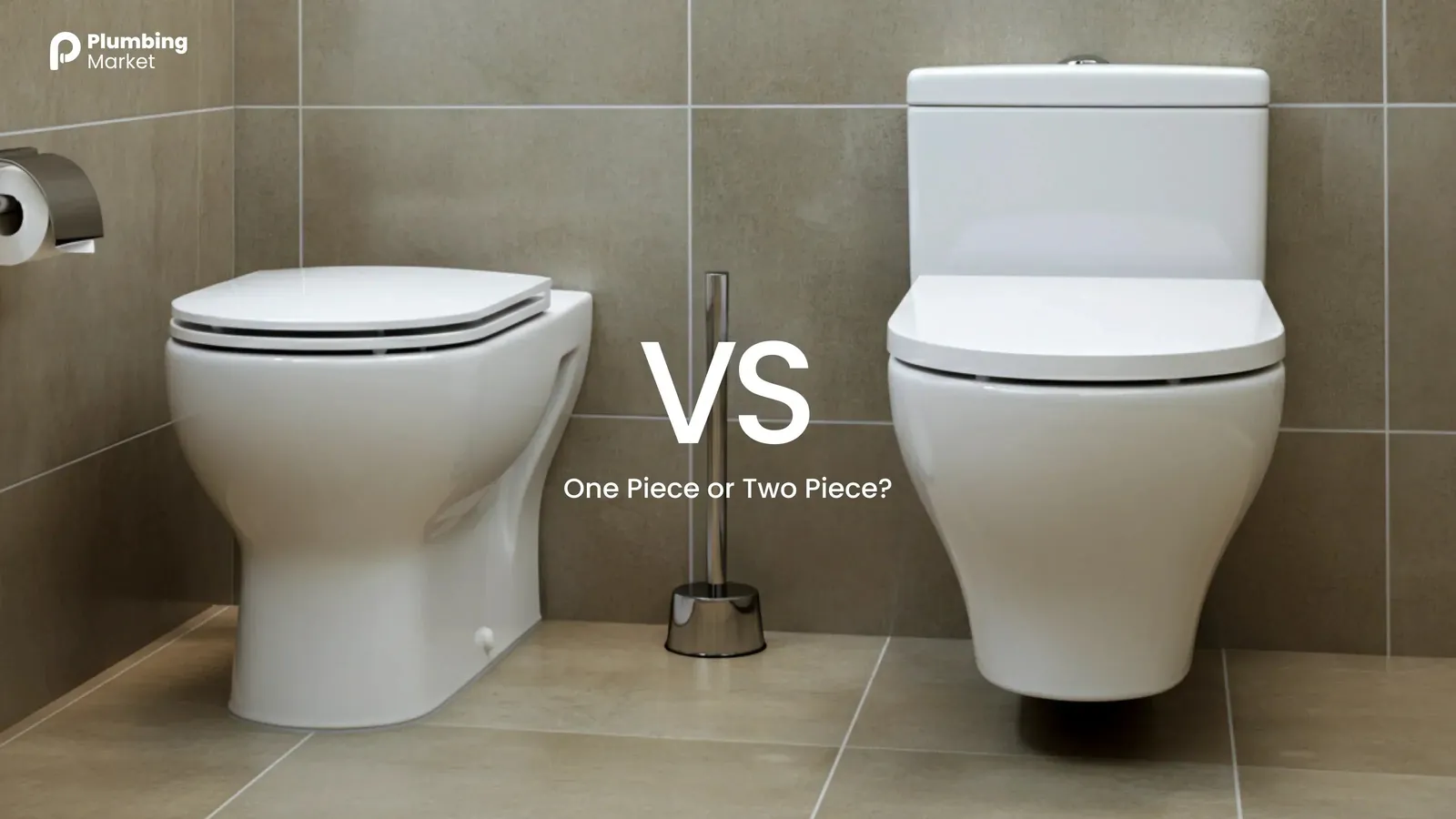
Deciding between these two styles depends on your budget, the size of your bathroom, and how much time you want to spend cleaning. Most people find that the two-piece model fits standard needs well, while the one-piece model is better for modern or high-end renovations.
| Method | How long | Effort | Cost | Best for |
|---|---|---|---|---|
| Two-piece | 2-3 hours | High | Low | Budget projects |
| One-piece | 1-2 hours | Low | High | Easy cleaning |
If your bathroom floor is uneven, avoid the one-piece model. These units are rigid and prone to rocking or cracking if the subfloor isn’t perfectly level. A two-piece toilet allows you to shim the base independently before attaching the tank, which prevents the toilet from rocking and damaging the wax seal.
If you have a very small bathroom with tight corners, the two-piece model is often easier to maneuver during transport. The tank and bowl arrive in separate boxes, making it simple to navigate narrow hallways or stairwells.
If you have a larger space and want a seamless aesthetic, the one-piece model wins every time. Because there’s no seam between the tank and bowl, you eliminate the gap where dust and grime typically collect. This design choice cuts your weekly scrubbing time by half. Always measure your rough-in distance from the wall to the center of the floor bolts; while 12 inches is standard, 10-inch and 14-inch models are also available.
Choosing a two-piece toilet
A two-piece toilet features a separate tank and bowl that bolt together during installation. This design is the industry standard for most residential properties because it’s affordable and simple to manage.
- Place the wax ring onto the floor flange to create a watertight seal.
- Bolt the bowl to the floor and tighten the nuts until snug, being careful not to crack the porcelain.
- Attach the tank to the bowl using the provided gasket and bolts.
- Connect the water supply line and check for any leaks at the base and the tank connection.
This design is great for DIYers because you can carry the tank and bowl separately, which makes the weight manageable for one person. If you’re replacing an old unit, measure the distance from the wall to the floor bolts; most standard toilets require a 12-inch rough-in. Selecting the wrong size means the tank will hit the wall or leave an unsightly gap.
The main weakness is the seam where the tank meets the bowl. This gap collects dust and grime, which requires regular scrubbing to keep sanitary. If you notice water pooling around the base bolts, the tank-to-bowl gasket has likely failed. Replace this rubber seal immediately to prevent subfloor rot. If you aren’t comfortable working with plumbing seals, it’s best to hire a professional plumber to avoid water damage in your home.
Choosing a one-piece toilet
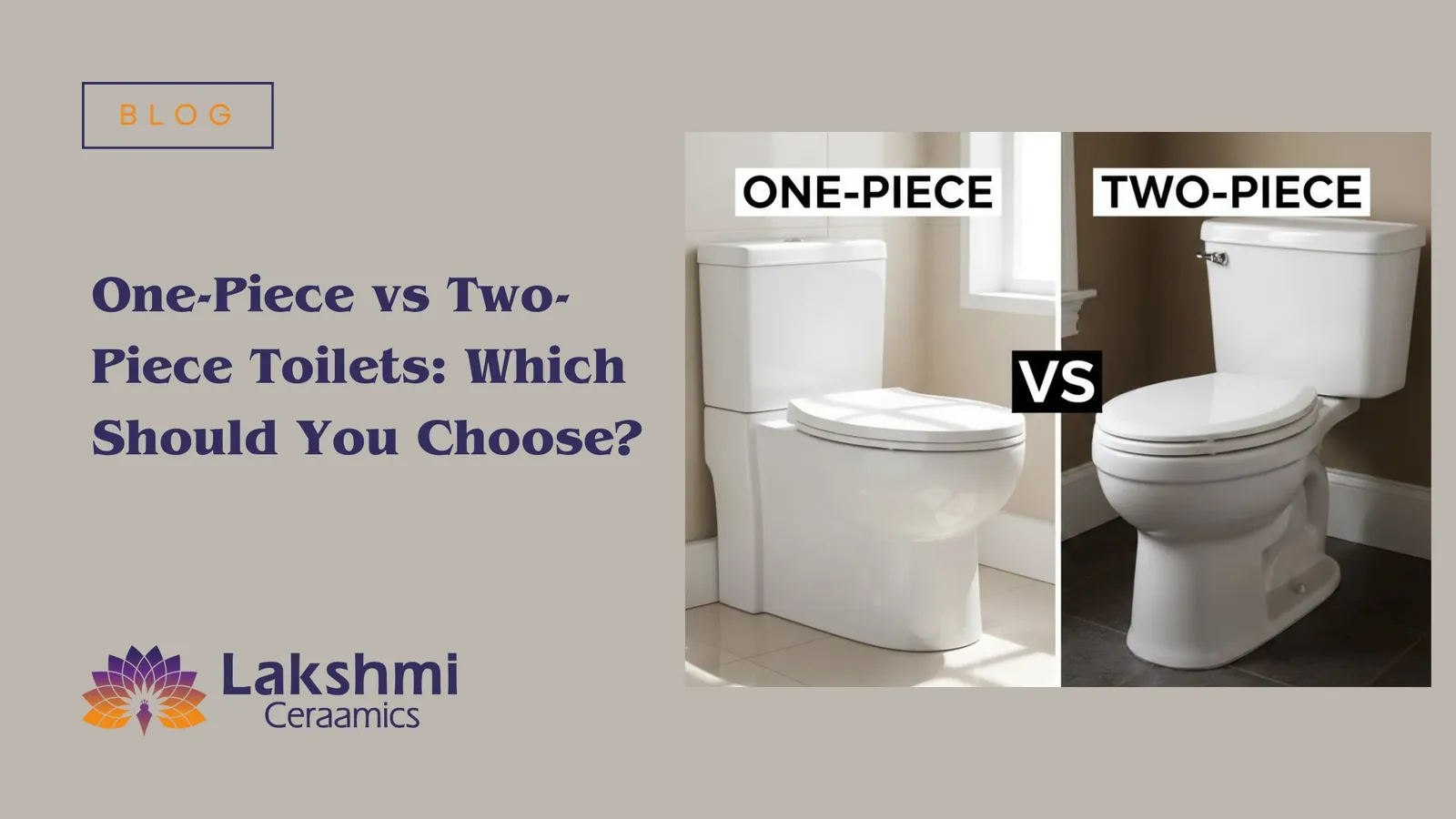
A one-piece toilet is molded into a single, solid unit that eliminates the gap between the tank and the bowl. This creates a smooth profile that’s significantly easier to wipe down and maintain over time.
Clear the area and install a new wax ring onto the floor flange. Carefully lift the entire unit onto the bolts, as one-piece toilets are much heavier than two-piece versions. Secure the unit to the floor using the bolts and decorative caps. Attach the supply line and test the flush mechanism to ensure the internal components are seated correctly.
The primary strength of this unit is its durability and hygienic surface, as there are no hard-to-reach crevices for bacteria to hide. Because the tank and bowl are fused, you can’t replace just one part if a crack develops. If you find a hairline fracture in the porcelain, you must replace the entire fixture.
Expect these units to weigh between 80 and 120 pounds. If you’re working alone, use a furniture dolly to maneuver the toilet into the bathroom before attempting the final lift. If your floor flange sits more than a quarter-inch below the finished tile, use a jumbo wax ring to ensure a watertight seal. Without that extra wax, the weight of the unit can lead to a slow, unseen leak that rots your subfloor.
Which toilet style should you choose?
Selecting the right unit depends on your specific goals for your bathroom space. Each situation calls for a different approach based on your priorities.
When you’re in a hurry to finish a renovation, the two-piece toilet is the best choice because it’s widely available at local supply stores. When you’re doing this for the first time, a two-piece unit is also better because the lighter components are much easier to handle without professional help. If you want the best possible result whatever it takes, the one-piece toilet wins because it offers a modern look that’s incredibly easy to maintain.
The trade-off is clear: you pay more for the convenience and style of a single unit, or you pay less for the flexibility and easy handling of the two-piece design. If your bathroom has a tight footprint, measure the rough-in distance from the wall to the center of the drain pipe before buying either style. A mismatch here means the toilet won’t fit against the wall regardless of the design you choose.
Most standard homes use a 12-inch rough-in. If your measurement is 10 or 14 inches, you must buy a specialized model or a universal fit kit. Ignoring this measurement is the most common mistake during installation, often forcing a complete return of the heavy porcelain unit.
Choose a wall-hung toilet if you’re trying to save floor space in a powder room under 30 square feet. These units hide the tank inside the wall, which adds four to six inches of clearance. However, this requires opening the wall to install a structural carrier frame. If you aren’t prepared to move plumbing lines or reinforce studs, stick to a floor-mounted model.
If you prioritize hygiene, choose a skirted trapway. A smooth, flat base eliminates the crevices that collect dust and grime. While these cost about 20 percent more than exposed trapway models, they cut your weekly cleaning time in half. If you’re on a strict budget, an exposed trapway is perfectly functional, provided you have the clearance to reach behind the bowl with a scrub brush.
The rules that apply to every installation
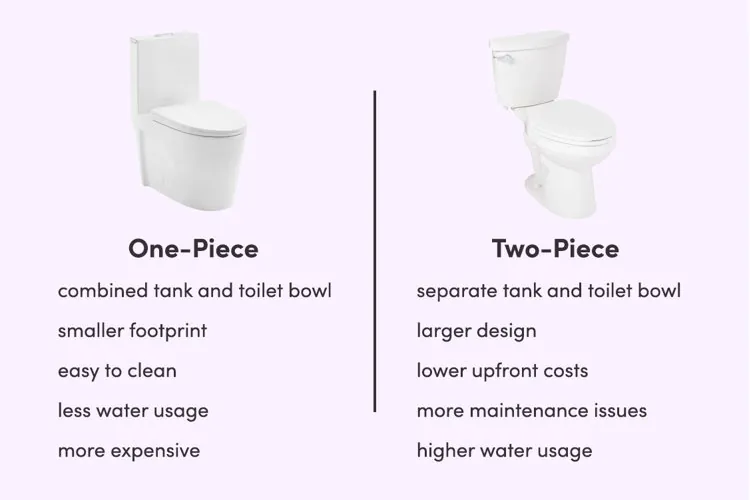
Regardless of the model you pick, you must follow the local plumbing codes in your area to ensure safety and performance. Most municipalities require a standard 12-inch rough-in distance, but you should verify this measurement in your own bathroom before purchasing.
Before starting, always shut off the water supply valve and drain the existing tank completely. Use a bucket and towels to catch any remaining water to prevent floor damage. During the installation, verify that the toilet sits level on the floor; if it wobbles, use plastic shims to stabilize the base before tightening the bolts. Failure to secure the base can lead to a broken wax seal, which causes leaks that ruin subflooring.
If you find that your flange is damaged or sits below the floor level, you must install a flange extender to create a proper seal. This is a critical step that many people skip, leading to long-term leaks. If you aren’t confident in your ability to seal the waste pipe, contact a licensed plumber to handle the work.
Related guides
Frequently asked questions
Can I install a one-piece toilet by myself?
Yes, you can install a one-piece toilet yourself if you have a helper to assist with lifting the heavy unit. Because it’s cast as a single piece, it’s significantly heavier than a two-piece model and requires careful handling to avoid cracking the porcelain. If you can’t safely lift the unit, it’s best to hire a professional to ensure the seal is set correctly without risking injury.
How long does a toilet installation take?
A standard toilet installation usually takes 1 to 3 hours depending on your experience level and the condition of the existing flange. If you’re replacing an old toilet, you might need extra time to clean the old wax off the floor and ensure the new bolts align correctly. If you find the subfloor is rotten under the old unit, you’ll need to pause to fix the floor before proceeding.
Is it safe to use a used toilet?
No, it’s generally not recommended to reuse a toilet because the porcelain can develop hairline cracks that are invisible to the eye. These cracks can lead to sudden leaks or structural failure long after you have installed the unit. If you’re on a tight budget, buy a new, entry-level two-piece toilet instead to ensure you have a warranty and a sound, leak-free fixture.
What happens if the toilet wobbles after installation?
If the toilet wobbles, you must immediately loosen the bolts and insert plastic toilet shims to level the base. A wobbling toilet puts stress on the wax ring, which will eventually break and cause water to leak onto your subfloor. Never rely on caulk to stop the wobbling, as caulk only hides the movement and doesn’t provide the structural support needed to keep the seal tight.
How much does a professional installation cost?
A professional installation is generally inexpensive compared to the cost of potential repairs, depending on your location and the complexity of the job.
Is a one-piece toilet harder to repair?
No, the internal components of a one-piece toilet are usually standard parts that are just as easy to replace as those in a two-piece model. While the tank is fixed to the bowl, the fill valve and flush valve are accessible through the lid opening. You can find replacement parts at most hardware stores, but ensure you match the specific model number to get the correct fit for your tank.
Conclusion
The choice between these two designs comes down to your personal budget and your long-term cleaning preferences. While the two-piece model remains the most popular option for its affordability and ease of transport, the one-piece model offers a cleaner look that’s worth the extra cost for many homeowners. Always measure your space carefully before you buy, as a perfect fit is the most important factor in a successful upgrade.