
Most homeowners prefer a continuous feed vs batch feed garbage disposal because the first type allows for constant waste processing while the sink is running. You should choose the batch feed model only if you have small children or pets and require the added safety of a cover-operated switch to keep hands away from the grinding chamber.
Comparing disposal operation methods
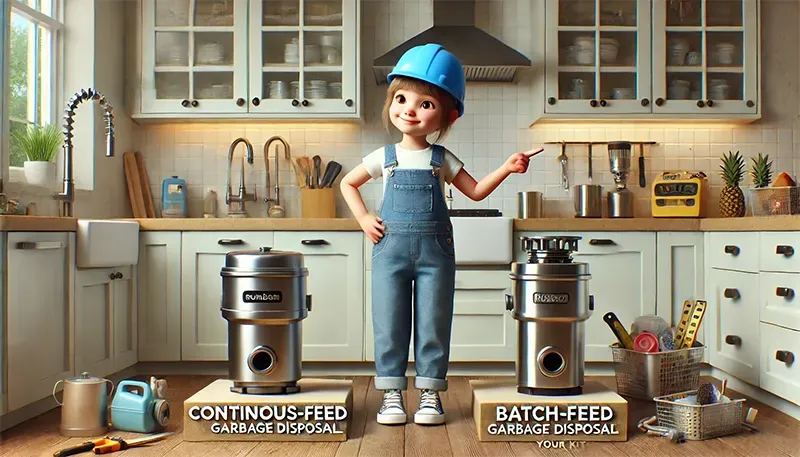
Choosing between these two systems depends on how you use your kitchen sink throughout the day. While both units grind food waste effectively, the way you activate them changes your workflow.
| Method | How long | Effort | Cost | Best for |
|---|---|---|---|---|
| Continuous Feed | Seconds | Low | Low | High-volume kitchens |
| Batch Feed | Minutes | Medium | Medium | Safety-conscious users |
Continuous feed models allow you to scrape plates directly into the drain while the motor runs. Use this if you frequently clear large amounts of scraps during meal prep. If you choose this, install a wall switch at least three feet from the sink to prevent accidental contact with wet hands.
Batch feed units require you to insert a stopper before the motor engages. This physical barrier prevents silverware from falling into the grinding chamber. If you have young children or frequently clear heavy items like bones, the extra ten seconds required to load the stopper is a necessary trade-off.
Many homeowners mistakenly buy the cheaper continuous feed model only to find it lacks the structural durability for heavy, daily grinding. If your household produces more than five pounds of food waste weekly, prioritize a motor with at least 0.75 horsepower. Units with less power often jam when processing fibrous materials like celery or corn husks.
If you live in an older home with limited electrical capacity, verify your circuit breaker can handle the startup surge of a high-torque motor.
Using a continuous feed disposal
This style is designed for speed and convenience when you have a large amount of scraps to clear. It relies on a wall-mounted switch or an air switch installed on your countertop to start the motor.
- Turn on the cold water tap to a steady, medium flow.
- Flip the wall switch to activate the disposal motor.
- Feed food scraps into the drain opening gradually while the unit runs.
- Let the water and motor run for 15 seconds after the grinding stops.
- Turn off the switch and then close the water tap.
These units are excellent for large families who generate constant waste during meal preparation. If you hear a sudden, high-pitched metallic clatter, shut the unit off immediately. This sound indicates a foreign object like a spoon or bottle cap has jammed the impellers. Forcing the motor to grind against metal will quickly trip the thermal overload protector or burn out the starter capacitor.
The main weakness is that the open drain can pose a risk if small objects or silverware fall inside while the unit is running. If you live in a household with curious children or frequent guests, keep a sink strainer nearby to block the opening when the disposal isn’t in use.
If the unit fails to start, check the reset button on the bottom of the housing before calling a plumber. Most jams clear by manually rotating the blades with a hex wrench from underneath the sink. Always verify the power is disconnected before reaching into the chamber.
Using a batch feed disposal
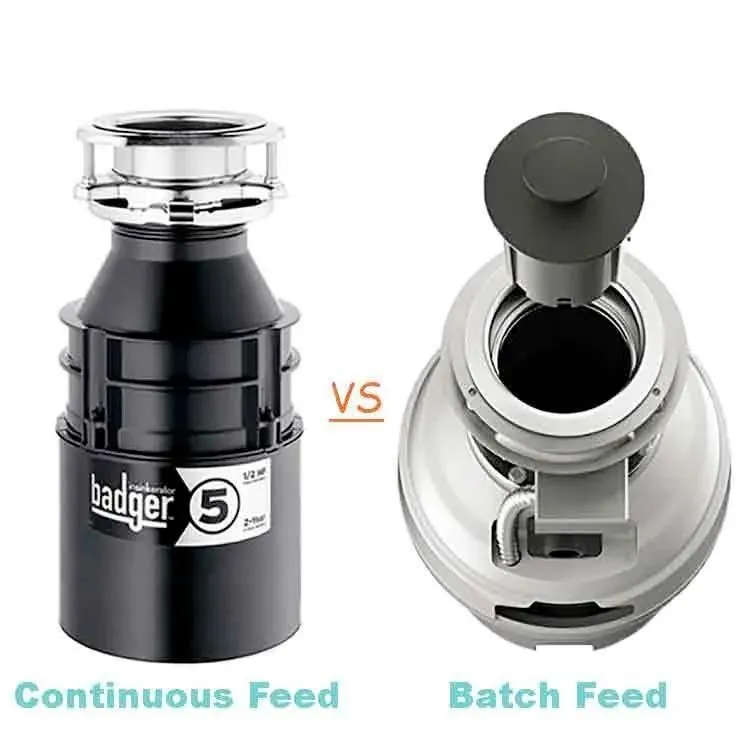
Batch feed units operate differently because they require a stopper to act as a safety lock. The motor won’t turn on until the stopper is properly seated and twisted into the locked position.
- Fill the disposal chamber with a small amount of food waste.
- Place the specialized stopper into the drain opening.
- Push down and twist the stopper to engage the internal safety switch.
- Run the cold water while the unit grinds the contents of the batch.
- Remove the stopper once the grinding noise stops to let water flush the pipes.
Never force the stopper if it resists turning. If the unit fails to engage, check for a stray utensil or a bone fragment wedged near the impeller; forcing the lock can snap the plastic housing. A standard batch capacity is roughly one quart of waste. If you overfill the chamber, the motor may stall or fail to activate entirely.
This method is ideal if you want to ensure the unit never runs while your hands are near the sink. However, the requirement to stop and load the unit in batches makes it slower than a continuous model.
If you’re in a rush to clean up after a large dinner party, this extra step of loading and locking the stopper can feel tedious. If you frequently process large volumes of vegetable scraps, the continuous feed model is likely a better investment for your workflow. Use the batch feed only if you prioritize safety over speed.
Factors for your kitchen sink
When deciding which unit fits your home, consider your current plumbing and your habits. The continuous feed is the standard for most modern homes, while the batch feed is a specific choice for those who value extra safety layers.
When you’re in a hurry, use a continuous feed disposal. It lets you scrape plates and clear scraps instantly without stopping to lock a stopper. This saves roughly ten seconds per meal, which adds up if you cook daily.
When you’re doing this for the first time, a continuous feed is easier to learn. It works like a simple light switch, so you don’t have to master a specific locking motion. Most people fail to align the batch stopper correctly on their first try, which prevents the motor from engaging entirely.
When you want the best possible result, a batch feed is the better choice for safety. It prevents accidental activation, which is a major benefit if you have young children or a curious pet in the house. If you find yourself frequently leaving metal utensils near the drain, the batch feed acts as a physical barrier against dropped silverware.
The trade-off is simple: you either gain speed and ease of use with the continuous model or you gain a mechanical safety barrier with the batch feed. If your sink has limited space under the counter, check the dimensions of the unit. Batch feed models often require an extra two inches of vertical clearance to accommodate the locking mechanism. If your plumbing pipes sit high, stick to the continuous feed to avoid expensive rerouting.
Rules for all disposal types
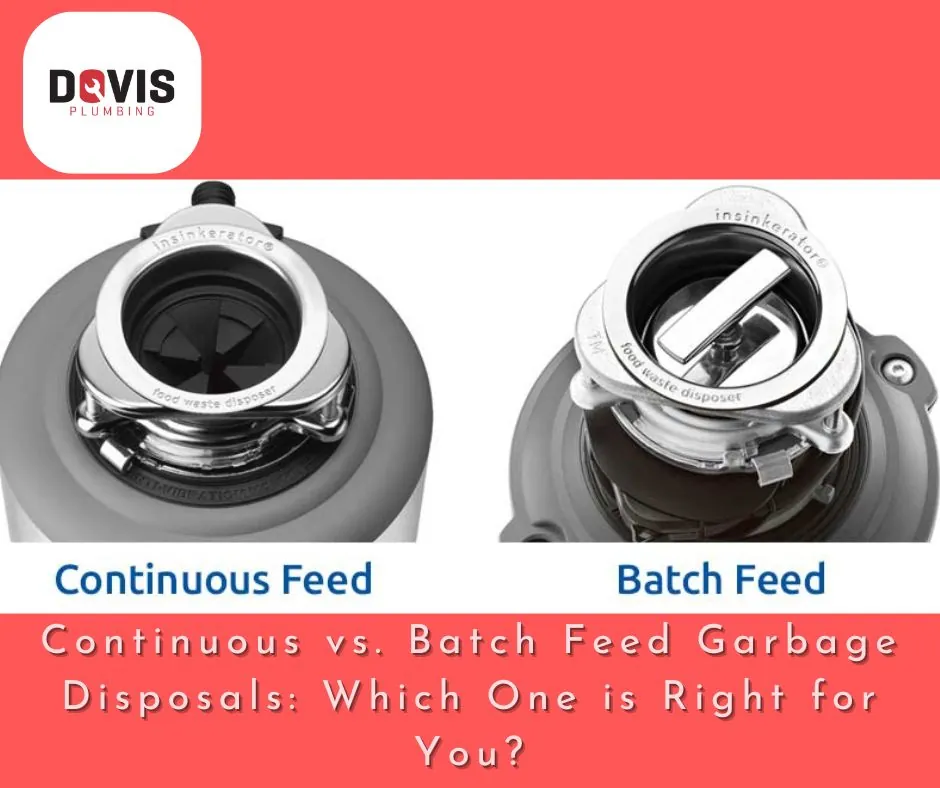
Regardless of the model you select, following basic maintenance rules will extend the life of your motor. Always use cold water when grinding, as it keeps the motor cool and keeps fats in a solid state so they can be flushed through the pipes rather than coating them. If you run hot water, you risk liquefying grease that will inevitably harden further down the line, creating a stubborn blockage in your main sewer lateral.
Before you start any installation, ensure your electrical outlet is protected by a ground-fault circuit interrupter (GFCI) to prevent shock hazards. If you aren’t comfortable working with high-voltage wiring, always hire a licensed plumber or electrician to handle the connection.
Check your local building codes to see if your area requires a specific type of air gap or drainage configuration. Failure to install an air gap in municipalities that mandate one can lead to a failed home inspection or, worse, wastewater backflow into your dishwasher.
Always avoid putting fibrous materials like celery, onion skins, or corn husks into any disposal. These items tangle around the impellers and burn out the motor. If you notice the unit is making a grinding or humming noise but not clearing food, turn it off immediately.
Never stick your hand into the sink while the disposal is connected to power, even if the switch is in the off position. If you must clear a jam, use a wooden spoon or the manufacturer-provided hex key to rotate the flywheel from underneath the unit manually.
Related guides
- Mini Pebble vs Pebble Tec: Which Pool Finish Wins in 2026
- Pleatco vs Unicel: Which Pool Filter Lasts Longer? in 2026
- Spa Frog vs Nature 2: Which Mineral Sanitizer Wins in 2026
Frequently asked questions
Can I install a batch feed disposal in a sink meant for continuous feed?
Yes, you can swap them, but you must check the sink flange diameter. Most standard sinks use a 3.5-inch opening, which works for both, but the batch feed requires the specific stopper that came with the unit to activate the motor. If you lose the stopper, the unit won’t start, so always keep a spare or store the original in a safe place near the sink.
Is it safe to use a disposal with a septic system?
Yes, but you must be careful about what goes down the drain. Excessive food waste can overload a septic system, so many experts recommend composting most food scraps instead. If you use a disposal, keep the volume low and avoid pouring grease or heavy oils down the drain, as these substances can clog the septic tank and damage the drainage field over time.
How long does a typical garbage disposal last?
The average lifespan is 8 to 12 years with regular use and proper care. If you notice leaks from the bottom of the unit or frequent jams, the internal seals or the motor may be nearing the end of their life. You can check the manufacturer’s warranty period for your specific model to see if you’re still covered for common motor failures.
What happens if the disposal gets jammed?
The unit will usually hum or stop spinning entirely to protect the motor from burning out. Most models have a reset button on the bottom of the housing that you can press after clearing the jam with a hex wrench. If the motor smells like burning plastic or smoke, stop using it immediately and contact a professional, as the internal wiring may have been damaged.
How much water should I run while grinding?
You should run a steady, cold stream of water for at least 15 seconds after the grinding noise stops. This ensures all food particles are flushed through the P-trap and into the main sewer line. Using too little water can cause sludge to build up in the pipes, leading to slow drainage or foul odors coming back up through the sink drain.
Is it safe to put eggshells in the disposal?
No, you should avoid putting eggshells into any garbage disposal unit. While some people think they sharpen the blades, they actually create a fine grit that can settle in your pipes and cause blockages. It’s much better to put eggshells in a compost bin, which keeps your plumbing clear and provides useful nutrients for your garden soil instead of clogging your kitchen drain.
Conclusion
Deciding between these two systems really depends on your daily kitchen habits and who shares your home. If you’re still unsure, try visiting a local hardware store to test the switches in person. You’ll quickly see which design feels more natural for your routine, and you won’t regret taking the extra time.