
Copper pipe is generally better for modern residential plumbing because it resists corrosion and lasts longer, while galvanized steel pipe is rarely used in new homes today due to its tendency to rust from the inside out. Choosing between a copper pipe vs galvanized steel pipe depends on whether you’re repairing an existing system or planning a full replacement. If you have an older home with steel lines, you should plan to replace them entirely rather than patching them.
Comparing pipe materials for home plumbing
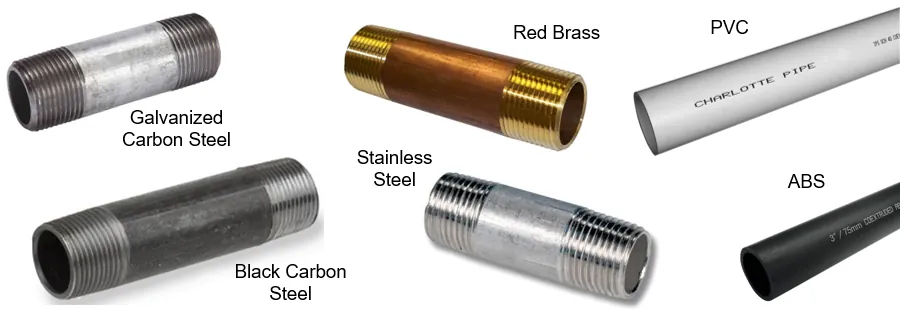
When you decide which material to use, you must weigh the upfront cost against the lifespan of the system. Copper is the industry standard for longevity, but it requires skilled labor to install properly. Galvanized steel is heavy and labor-intensive to fit, which often makes it more expensive to install even if the raw material costs vary.
| Method | How long | Effort | Cost | Best for |
|---|---|---|---|---|
| Copper pipe | 50+ years | Medium | Medium | New homes |
| Galvanized steel | 20-40 years | High | High | Industrial use |
| PEX tubing | 30-50 years | Low | Low | Retrofits |
The cost and labor effort listed above assume standard residential conditions. If you’re working in a tight space or a historic building, the complexity of the job increases significantly. Always check your local building codes before starting, as some municipalities prohibit certain materials for specific water types.
If your home has acidic water with a low pH level, copper pipes will eventually develop pinhole leaks. In these environments, PEX is the superior choice because it resists chemical corrosion. If you’re installing in a basement with exposed joists, choose copper for its rigidity and fire resistance. If you’re snaking lines through existing walls, PEX saves you from cutting large sections of drywall.
Many homeowners mistakenly prioritize material price over the labor required to connect the joints. A cheap pipe that requires soldering or threading will cost more in professional hours than a flexible system that snaps into place. If you’re DIY-capable, stick to PEX; if you’re hiring a professional, copper’s long-term reliability often justifies the higher initial invoice.
Using copper pipe for water supply
Copper remains the most reliable choice for most homeowners because it doesn’t rust and is a durable, non-porous material. It’s also flexible enough to handle slight shifts in a building’s structure without cracking.
Measure your pipe runs and cut the copper to length using a dedicated tubing cutter. Clean the ends of the pipe and the inside of the fittings using a wire brush until they’re shiny. Apply a thin layer of flux to the cleaned surfaces to help the solder bond.
Heat the joint with a propane torch until the metal is hot enough to melt the solder. Touch the solder to the joint, letting the heat pull it into the gap to create a watertight seal.
If you see the solder bead up and roll off rather than flowing into the joint, your metal isn’t hot enough. Stop immediately, let the fitting cool, and clean the residue before trying again. Never overheat the joint, as this burns off the flux and creates a porous, leaky connection.
Copper is excellent for both hot and cold water lines because it handles temperature changes well. However, if your home has very acidic water, the metal can leach over time, which may require you to install a water treatment system. You must have experience with a torch to avoid fire risks. If you’re uncomfortable with open flames, use press-fit copper fittings instead. These require no heat and offer a faster, safer alternative for DIY installations.
Replacing old galvanized steel pipe
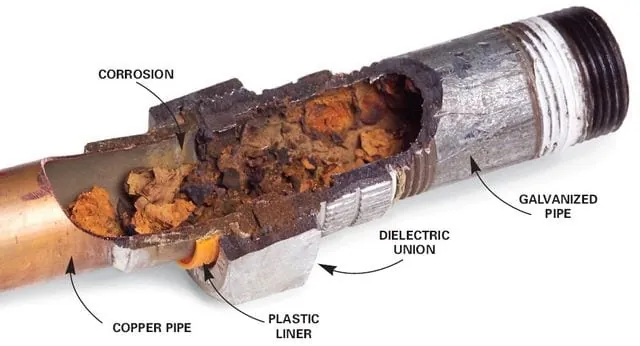
Galvanized steel is essentially iron pipe coated in zinc to prevent rusting. Over time, that zinc coating wears away, causing the iron to oxidize and block the flow of water.
If you observe a sudden drop in water pressure or see reddish-brown sediment at your faucet, your pipes are likely already compromised. Plumbers often find that the blockage is worst at the elbows and tees where turbulence accelerates mineral buildup.
Use two large pipe wrenches to break the joints, applying force in opposite directions. If the pipe doesn’t budge, apply a penetrating oil and wait thirty minutes before trying again. Never use a torch to heat these joints, as the zinc coating releases toxic fumes when burned.
Clean the threads on the remaining pipe to ensure the new fittings seat correctly. Apply pipe joint compound or Teflon tape to the threads before screwing on the new fittings. Tighten the joints until they’re firm, but don’t overtighten, as this can crack the cast-iron fittings.
Flush the system thoroughly to remove any rust flakes dislodged during the work. If you’re replacing a section and find the pipe interior is completely flaked or crumbling, stop the patch job. You’re dealing with systemic failure, and spot repairs will only lead to new leaks within months. In this case, you must replace the entire run with PEX or copper to ensure long-term reliability.
This material handles high-pressure environments well, which is why it’s still found in large commercial buildings. The major weakness is internal corrosion. Corrosion in older plumbing systems can be a primary source of lead and copper entering drinking water.
Choosing the right material for your needs
When you need to decide which material fits your project, consider these three common situations. If you’re in a hurry, PEX tubing is the fastest option because it uses a simple crimping tool rather than solder or threaded joints. Most DIYers finish a PEX run in half the time required for rigid piping.
If you’re doing this for the first time, stick with PEX or hire a plumber for copper work to ensure the joints don’t leak. A single faulty solder joint can cause slow, hidden water damage behind drywall that costs thousands to remediate. If you see a green tint on existing pipes, you’re dealing with oxidation; in this case, avoid mixing metals to prevent galvanic corrosion.
If you want the best possible result regardless of cost, use hard-drawn copper pipe. It provides the longest lifespan and adds the most value to your home. The trade-off is always between the ease of installation and the durability of the metal.
If you prioritize speed, you sacrifice the traditional longevity that copper offers. If you prioritize long-term performance, you must accept the higher skill required for proper installation. Use copper for exposed areas where aesthetics matter, but reserve PEX for behind-the-wall runs where flexibility prevents future stress fractures.
Rules for plumbing installations
Regardless of the material you choose, you must ensure your plumbing system meets local safety standards. Most areas require you to obtain a permit before you open walls or alter water supply lines. If you’re unsure about the requirements, contact your local building department to review the current code in your city.
Before you begin, shut off the main water valve and drain the system completely to prevent flooding. Check your joints for leaks before closing up any walls or floors. If you find a leak after the water is turned back on, you must drain the system again to fix the connection. Plumbing work that violates code can lead to insurance denials or failed home inspections later on.
Always maintain a slope of at least one-quarter inch per foot for all horizontal drain lines. This pitch ensures gravity clears waste efficiently and prevents clogs from forming in the pipe walls. If you’re installing PEX tubing, remember that it can’t be exposed to direct sunlight for more than thirty days. Ultraviolet radiation degrades the plastic, leading to premature brittle failure.
If you encounter a galvanized steel pipe, don’t attempt to join it directly to copper. This creates a galvanic reaction that causes rapid corrosion at the connection point. Use a dielectric union to separate the two metals and preserve the integrity of your lines.
Related guides
Frequently asked questions
Can I mix copper and galvanized steel?
No, you should never connect these two metals directly because it causes a chemical reaction known as galvanic corrosion. If you must join them, you need a dielectric union to separate the metals. This fitting prevents the direct contact between the two metals that causes an electrochemical reaction, which would otherwise accelerate the corrosion of the pipe and cause a leak. Always use a professional-grade adapter designed for this specific purpose.
How long does galvanized pipe last?
Galvanized steel pipe typically lasts for several decades before internal rust causes significant flow issues. The exact lifespan depends on the chemistry of your local water supply and the thickness of the original zinc coating. If you notice a drop in water pressure throughout your house, it’s likely that your pipes are blocked by years of mineral buildup and internal oxidation.
Is it safe to drink water from old pipes?
It’s often unsafe if your pipes are corroded, as they can release lead or other heavy metals into your drinking water. If you live in an older home, you should have your water tested by a certified laboratory to check for contaminants. If the results show high levels of lead or rust, the only permanent solution is to replace the old plumbing system with modern materials.
What happens if I don’t replace old steel pipes?
If you leave old steel pipes in place, you risk a catastrophic pipe burst that can cause extensive water damage to your home. These pipes often fail from the inside out, meaning you won’t see the damage until the metal is too thin to hold water pressure. A small leak can quickly turn into a flood, leading to costly repairs and potential mold growth inside your walls.
How much does it cost to repipe a house?
The cost varies based on the size of your home and the number of plumbing fixtures you have. A professional plumber will charge based on the total linear footage of pipe required and the difficulty of accessing your walls. For an accurate estimate, ask three licensed contractors for a quote after they have inspected your current layout and determined the scope of the project.
Why is my water pressure so low?
Low pressure is usually caused by internal pipe blockage if you have old galvanized steel lines. When the iron rusts, the debris accumulates and narrows the path for water to travel through. You can check this by removing an aerator from a faucet to see if debris falls out. If the flow is still low, the problem is likely deep within the pipes, indicating they need replacement.
Conclusion
The best way to ensure your home’s water quality and reliability is to replace outdated galvanized systems with modern copper or PEX as soon as you can afford the project. Don’t wait for a major leak to occur, as the damage from a sudden pipe failure will cost far more than a planned upgrade. Focus on replacing the main lines first to improve pressure and safety throughout your entire home.