
If you want the best protection against water leaks, a plastic shower curtain is superior, but choosing between a peva vs fabric shower curtain liner depends on whether you prioritize easy cleaning or a softer, more natural look. Fabric liners are better for those who want a spa-like feel, while plastic options are best for keeping your bathroom floor dry with minimal effort.
Comparing shower curtain liner materials
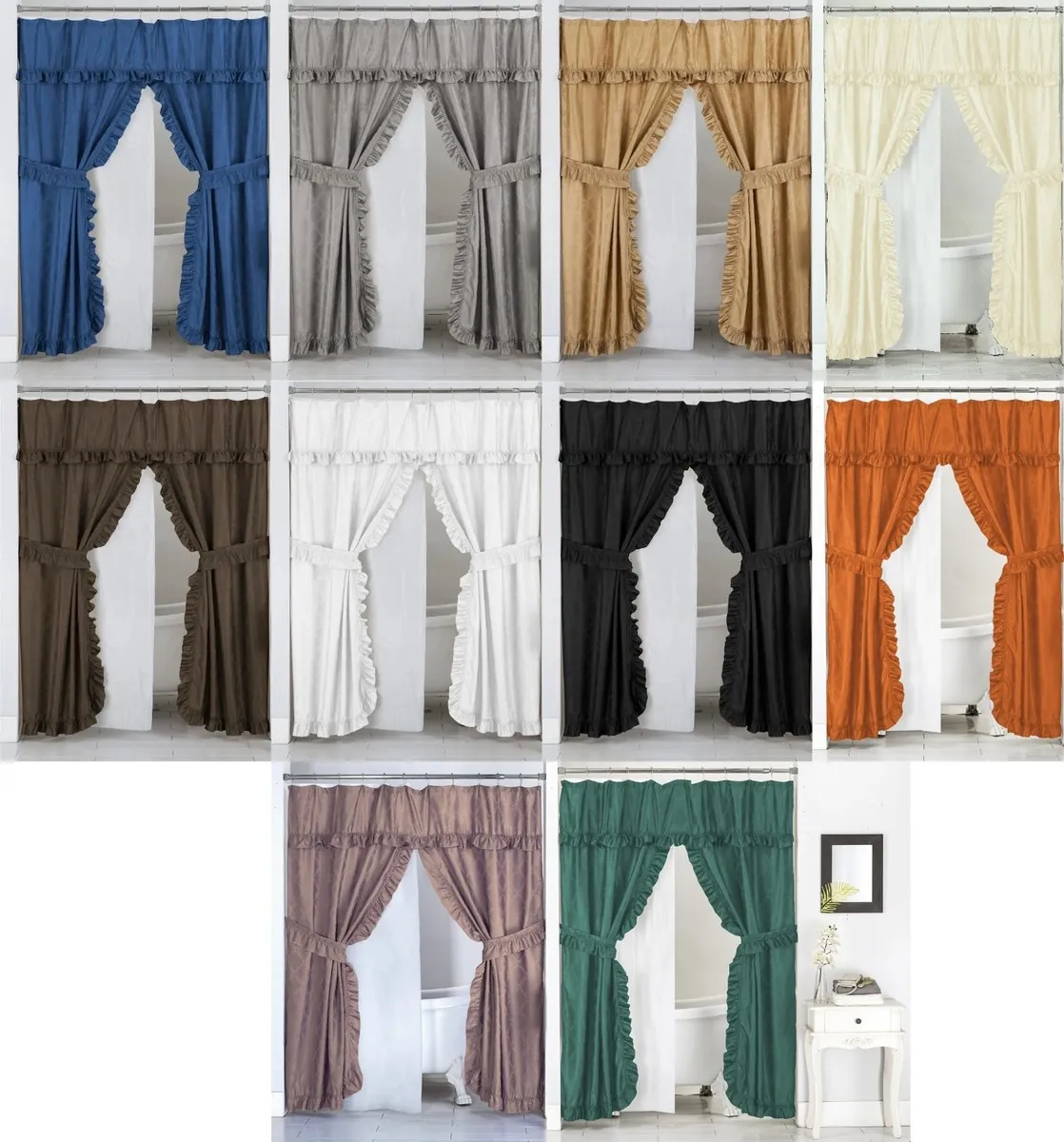
Selecting the right liner depends on your bathroom habits and how often you want to clean. While plastic options offer a clear barrier against water, fabric options allow for better airflow and can be laundered in a machine.
| Method | How long | Effort | Cost | Best for |
|---|---|---|---|---|
| PEVA liner | 3-6 months | Low | Low | Frequent use |
| Fabric liner | 12-24 months | Medium | Medium | Aesthetic appeal |
| Vinyl liner | 6-12 months | Low | Low | Heavy moisture |
If you have a small bathroom with poor airflow, a plastic liner is often the better choice because it doesn’t hold onto moisture as long as woven materials. However, if you prefer a luxury look and don’t mind occasional machine washing, fabric is the clear winner for style.
Using a PEVA shower curtain liner
PEVA stands for polyethylene vinyl acetate. It’s a non-chlorinated plastic chosen because it contains fewer volatile organic compounds than traditional PVC versions.
Hang the liner inside the tub using rust-proof rings. If you use metal rings that lack a protective coating, they will leave unsightly rust streaks on the plastic within three weeks.
Ensure the bottom edge stays inside the tub to prevent water from pooling on your floor. If your liner is too long, trim the bottom with standard household scissors.
Rinse the liner with water after every shower to prevent soap scum buildup. If you see a cloudy film forming, the soap has already begun to bind to the plastic surface. Wipe it down with a damp cloth once a week to remove light mildew.
This material is naturally water-repellent and dries in minutes. However, the plastic can tear at the grommets if you pull it aggressively to close the curtain. To prevent this, pull the curtain by the fabric itself rather than yanking on the rings.
If you have a high-traffic bathroom, replace the liner every six months. While the material is durable, it can accumulate soap scum and mineral deposits that simple rinsing can’t remove. If you notice a persistent musty odor that remains after a deep cleaning, the liner has reached the end of its functional life and should be discarded.
Using a fabric shower curtain liner
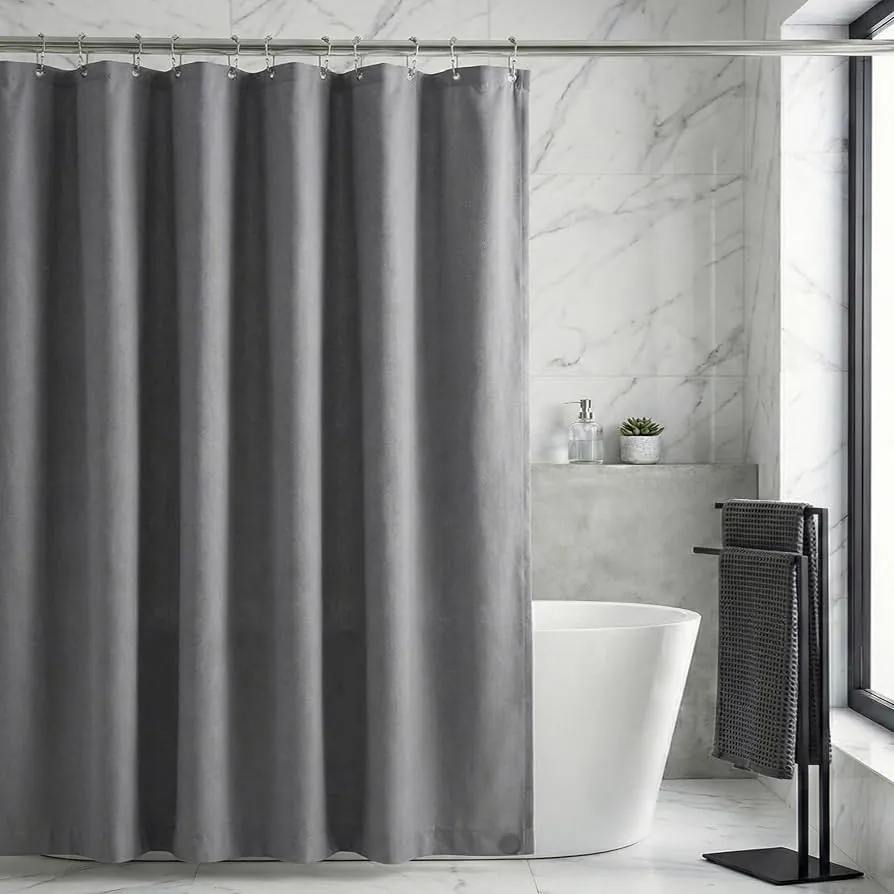
Fabric liners are typically made of polyester or a polyester-cotton blend. They provide a softer look and feel more like a traditional curtain, which makes them popular in guest bathrooms.
Attach the liner to the shower rod using durable hooks. Stretch the fabric across the tub to ensure full coverage during use. Wash the liner in a standard washing machine every 2 to 4 weeks. Tumble dry on a low setting or hang it back up to air dry.
Fabric is great because it doesn’t cling to your legs while you shower like some lightweight plastics do. If your bathroom lacks a powerful exhaust fan, you must pull the liner completely flat across the tub after every shower. This prevents water from pooling in the folds where mold thrives.
Most people make the mistake of leaving the liner bunched up against the wall. If you notice a faint, earthy smell, the fabric is already harboring spores.
If your liner is made of 100% polyester, you can safely add a half-cup of white vinegar to the wash cycle to kill existing mildew. However, if the label specifies a cotton blend, avoid bleach, as it weakens the natural fibers and leads to premature tearing. Always check the weight of the fabric; a heavier weave dries slower but resists billowing better than thin, lightweight options.
Using a vinyl shower curtain liner
Vinyl liners are the standard for heavy-duty protection. They’re thicker and heavier than PEVA, making them stay in place better when the shower is running. Because of their density, they resist the “billowing” effect caused by air pressure changes, keeping the water inside the basin where it belongs.
Install the liner using plastic or metal hooks. If you have a curved shower rod, choose metal rings with ball bearings to prevent the curtain from snagging.
Keep the liner flat against the tub wall to create a tight seal. If the liner constantly blows inward, attach small adhesive magnets to the bottom hem to anchor it against the metal tub edge.
Scrub the surface with a mild soap solution once a month. Use a soft sponge rather than an abrasive pad, which creates microscopic scratches that harbor future mold.
Replace the liner once you notice permanent dark spots that scrubbing can’t remove. These stains indicate that mildew has penetrated the material’s surface.
The mistake many people make is leaving the curtain bunched up in a corner after showering. Always spread the liner fully across the rod after use to allow for complete air circulation. If your bathroom lacks a window or fan, keep the door cracked open for thirty minutes to lower the humidity.
Choosing the right liner for your shower
If you’re in a hurry to get your bathroom ready, a PEVA liner is the best choice because it requires no maintenance other than a quick rinse. For someone doing this for the first time, a fabric liner is often more forgiving because it can be tossed in the wash if you make a mess.
If you want the absolute best result for your home, combine both: use a fabric curtain on the outside for style and a PEVA liner on the inside for waterproof protection.
Anything lighter will billow inward when the shower runs, sticking to your skin. If the liner clings to you, you have chosen a material that’s too thin.
A common mistake is buying a liner with metal grommets for a damp, poorly ventilated bathroom. These will rust within three months, leaving unsightly orange streaks on your tile. If your bathroom lacks a high-powered exhaust fan, choose reinforced buttonholes instead.
If you live in a hard-water area, avoid dark-colored PEVA liners. Minerals will leave a chalky white film that’s nearly impossible to scrub off without damaging the plastic. In these homes, stick to white or frosted liners where mineral buildup remains invisible.
This creates a trade-off between convenience and aesthetics. If you prioritize a clean look, you’ll spend more time washing fabric; if you prioritize low maintenance, you’ll be replacing plastic liners a few times a year. Your choice depends on whether you value the longevity of the product or the speed of your cleaning routine.
Maintaining your shower curtain liner
Regardless of the material, keeping your shower area dry is the most important part of home maintenance. Always ensure your bathroom has proper ventilation, such as an exhaust fan or an open window, to pull moisture out after you bathe. If you notice persistent dark stains that don’t come off with soap, it’s time to replace the liner to prevent further issues.
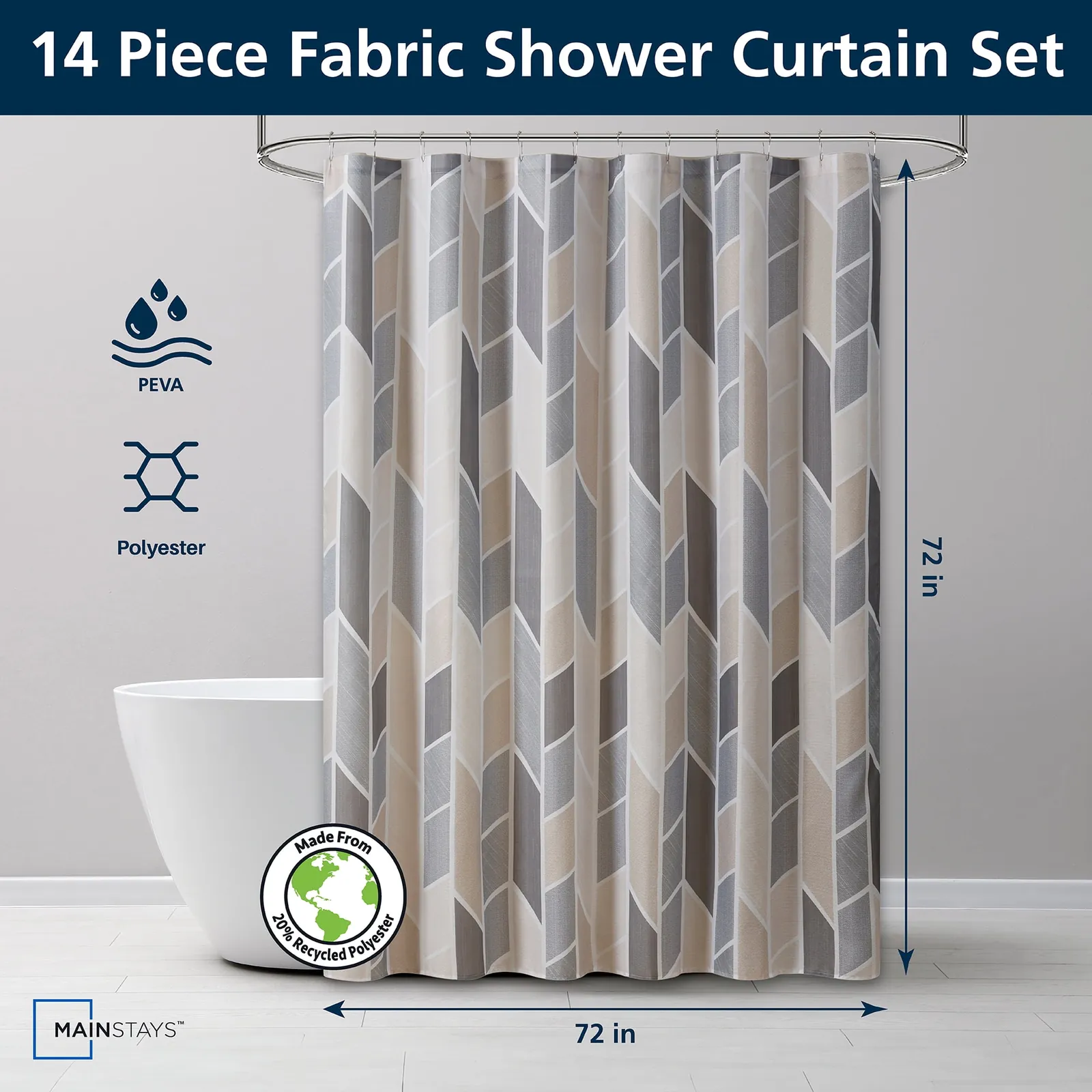
Before buying, measure the width and height of your shower area to ensure the liner covers the entire space. If your shower is wider than the standard 72 inches, you may need a wider liner or two standard ones overlapping. Always check the care label on your specific product, as some fabric liners require specific water temperatures to prevent shrinking.
Most people make the mistake of leaving the liner bunched up against the wall after showering. This traps water in the folds, accelerating mold growth. Instead, pull the curtain fully closed across the rod so it can air-dry evenly. If you see pinkish-orange residue, that’s typically a bacterium thriving on soap scum and moisture. You can kill it by spraying the liner with a vinegar solution once a week.
If your liner is made of heavy-gauge PEVA, you can safely wash it in the machine on a cold, gentle cycle with two old towels to act as scrubbers. However, if the material feels thin or brittle, machine washing will cause tears. In that case, stick to a simple wipe-down with a damp cloth and mild detergent.
Related guides
- Best Adhesive for Shower Corner Shelf in 2026
- Mini Pebble vs Pebble Tec: Which Pool Finish Wins in 2026
- 6 Best Fabric for French Drain in Clay Soil Picks in 2026
Frequently asked questions
How long does a shower curtain liner last?
A PEVA liner typically lasts 3 to 6 months before it begins to discolor or collect soap scum that’s hard to remove. Fabric liners can last 12 to 24 months if they’re laundered regularly. The lifespan depends heavily on your local water hardness and how often you wipe down the liner after showering.
Is it safe to wash a fabric shower curtain liner?
Yes, most fabric liners are machine washable. Use a gentle cycle with a mild detergent and a cup of vinegar to help remove soap buildup. Always check the manufacturer’s tag for the recommended water temperature to avoid damaging the fabric weave or the water-repellent coating.
How do I stop my liner from smelling?
The smell is usually caused by trapped moisture and soap residue. You can prevent this by pulling the curtain fully closed after every shower so it can air dry completely. If it already smells, wash it in the machine with a half-cup of baking soda to neutralize the odor.
Can I put a plastic liner in the dryer?
No, you should never put a PEVA or vinyl liner in the dryer. The heat will melt the plastic and ruin both your liner and your machine. Always hang plastic liners back on the shower rod to air dry after a quick wipe or rinse.
What happens if I don’t clean my liner?
If you don’t clean your liner, soap scum and hard water minerals will build up, creating a surface where mold and mildew thrive. This leads to visible dark spots that are difficult to remove and can eventually affect the air quality in your bathroom.
How much does a replacement liner cost?
Replacement costs vary based on the material and brand, but most standard liners are quite inexpensive. PEVA options are generally on the lower end of that scale, while heavy-duty fabric liners sit at the higher end. You can find current prices by checking the websites of major home goods retailers.
Conclusion
Ultimately, the right choice comes down to your personal lifestyle and how much time you want to spend cleaning. If you’re still undecided, grab a budget-friendly plastic liner to test for a month. You’ll quickly see if you prefer the convenience of a quick wipe-down or the comfort of a machine-washable fabric.