
The best choice for your system depends on your flow requirements, as a swing vs spring loaded check valve comparison shows that swing valves are ideal for low-pressure, high-volume gravity systems, while spring-loaded versions are necessary to prevent water hammer in high-pressure lines. You should use a swing valve if you have limited pressure and need full flow capacity. If your system experiences sudden pressure changes or backflow, you need the fast closing action of a spring-loaded valve.
Comparing check valve performance
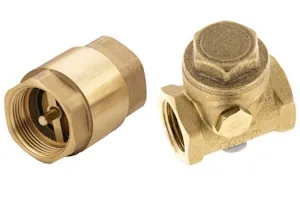
Selecting the right valve involves looking at how each type handles flow resistance and closing speed. The following table breaks down the main differences between these two common designs to help you decide which fits your specific piping needs.
| Method | How long | Effort | Cost | Best for |
|---|---|---|---|---|
| Swing | Long life | Low | Low | Gravity flow |
| Spring Loaded | Medium life | Medium | Medium | Vertical lines |
| Silent/Dual Plate | Medium life | High | High | Pump systems |
The cost and life of these valves often depend on the material grade, such as stainless steel versus brass. Note that “low” or “high” effort refers to the maintenance required to keep the internal hinge or spring clear of debris.
Using a swing check valve
A swing check valve uses a hinged disc that swings open when fluid flows forward and closes by gravity when flow stops. Because there’s no internal spring to push against, it offers the least resistance to flow.
Install the valve in a horizontal position to ensure gravity closes the disc properly. Align the arrow on the valve body with the direction of your fluid flow. Tighten the bolts in a cross-pattern to distribute pressure evenly across the gasket. Inspect the hinge pin periodically based on usage and your owner’s manual to ensure it moves freely without sticking.
These valves are great for large pipes where you want to keep pressure drop to a minimum. They aren’t suitable for vertical piping unless the flow is moving upward, as gravity must assist the closure. If your system has high-velocity flow, the disc can flutter, which wears out the hinge pin quickly over time.
If you hear a loud “bang” when the pump shuts off, the valve is slamming shut too late. You must install a dashpot or a weighted lever to dampen the closure and prevent pipe rupture.
Avoid using these valves in systems with frequent flow reversals. If the flow oscillates, the disc will chatter against the seat, destroying the seal within weeks. Use a spring-loaded silent check valve instead if your flow rate fluctuates rapidly.
Using a spring-loaded check valve
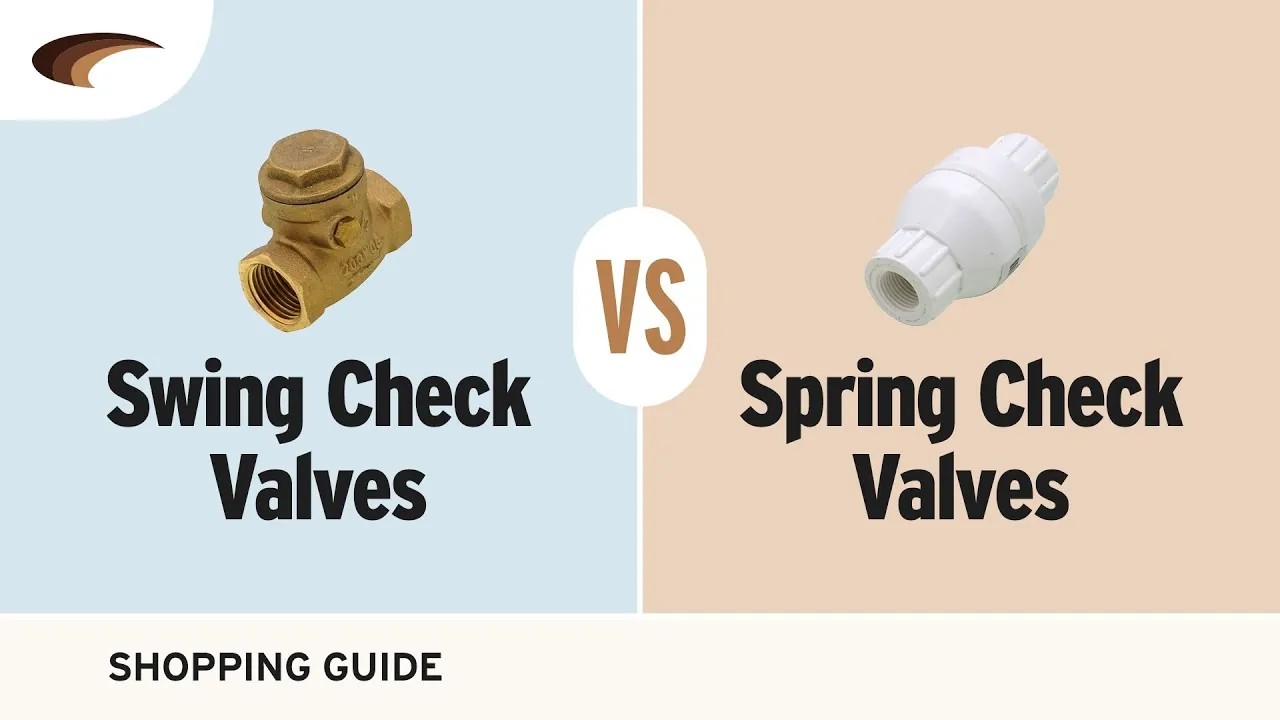
Spring-loaded valves use an internal coil to force the disc shut as soon as the flow slows down. This design is highly effective at stopping backflow before it gains momentum, which eliminates the loud banging sound known as water hammer.
Choose a valve with a spring tension rated for your specific pump’s pressure output. If the spring is too stiff for your pump’s head pressure, the valve will fail to open fully, creating a flow restriction that burns out pump motors prematurely.
Install the unit in either a horizontal or vertical orientation as needed. Ensure the flow direction matches the arrow stamped on the valve housing. If you install it backward, the spring will hold the valve shut against the flow, causing a total system blockage.
Test the seal by briefly stopping the pump and listening for leaks or vibrations. If you hear a rapid clicking sound, the spring tension is likely too light, causing the disc to chatter against the seat.
This design is excellent for residential water systems where quiet operation is a priority. If your system uses a very low-power pump, the spring might be too stiff to open fully, which causes an unwanted restriction in your water supply. Always match the spring rate to your pump’s head pressure to avoid this common performance bottleneck.
Using a silent or dual plate valve
Silent check valves use a center-guided spring that closes the disc exactly when the flow reaches zero velocity. This prevents the disc from slamming shut, making it the top choice for complex commercial plumbing systems.
Mount the valve between two flanges using appropriate gaskets for your pipe pressure. If you’re working with steam or high-temperature water, use spiral-wound gaskets rather than standard rubber to prevent blowout.
Check that the valve is centered in the pipe to prevent uneven wear on the guide.
Verify that the spring is clean and free of mineral buildup or sediment. If your water hardness exceeds 150 parts per million, install a Y-strainer upstream to prevent debris from jamming the spring mechanism.
Tighten the flange bolts to the torque setting specified by the manufacturer. Use a crisscross pattern to ensure even pressure across the gasket surface.
These valves provide the best protection against pressure spikes in high-demand environments. They require more technical skill to install than simple threaded valves. If you lack the equipment to properly torque large-diameter flange bolts, hire a licensed plumber to avoid leaks. The main weakness is their higher cost and the fact that they’re harder to clean without removing the entire valve assembly.
Choosing the right valve for your system
When you’re in a hurry, a swing check valve is the easiest to install because it usually features simple threaded connections that fit standard home plumbing. If you’re doing this for the first time, a swing valve is also more forgiving because it has fewer internal parts that can be damaged during tightening.
If you want the best possible result regardless of cost, use a spring-loaded or silent check valve. These provide superior protection against water hammer and ensure your pump lasts longer by preventing backflow surges.
The trade-off is simple: you either prioritize low flow resistance and simplicity with a swing valve, or you prioritize system safety and quiet operation with a spring-loaded design. If your system pressure varies wildly, the spring-loaded version is the only one that reliably prevents damage to your pipes.
If you’re strictly moving water by gravity from a tank, the swing valve is the only option that won’t restrict your flow. Gravity-fed lines lack the force to overcome the internal spring tension of a silent valve, which often requires at least 2 to 5 pounds per square inch of pressure to seat properly.
Most beginners make the mistake of installing a silent valve on a low-head pump, which causes the pump to cycle rapidly and burn out its motor. If your pump is rated for less than 10 feet of head, stick to the swing valve to avoid this failure.
Guidelines for all valve installations
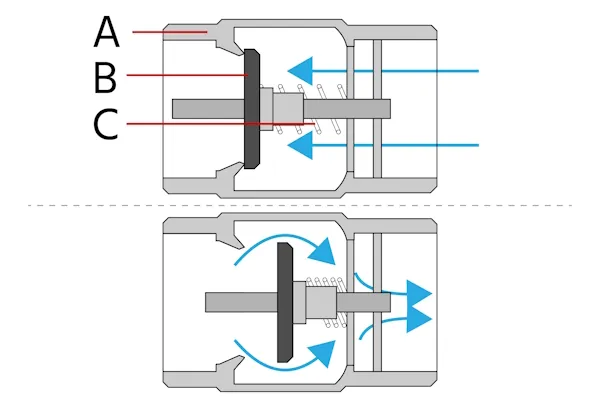
Regardless of which model you select, following standard installation practices ensures your system operates safely. Always check your local building codes to see if a specific valve type is required for your type of water system. Before starting, shut off the main water supply and drain the section of pipe you’re working on to prevent flooding.
During the installation, check for debris inside the valve body, as even a small pebble can prevent the disc from seating. Wipe the threads or flange faces with a clean, lint-free cloth to ensure a tight seal. If you’re installing threaded valves, apply an appropriate amount of PTFE tape to the male threads to ensure a leak-free seal.
Once the valve is in place, slowly open the supply to fill the line. This prevents a sudden surge of air or water from damaging the seals or causing a water hammer that could burst downstream fittings.
If you’re working with high-pressure industrial steam or gas lines, don’t attempt the work yourself. Improper installation here can lead to high-pressure leaks or catastrophic failure. Contact a certified mechanical contractor who holds the necessary pressure vessel certifications. If your system runs above 150 PSI, hire a professional regardless of your personal experience level.
Related guides
- How to Choose a Standing Desk: Features and Frame Types
- How to Fix Springs in a Chair: Step-by-Step Repair Guide
- How to Check Ink Level in Brother Printer Using the Panel
Frequently asked questions
Can I install a swing check valve vertically?
No, you should only install a swing check valve vertically if the flow is moving upward so that gravity can pull the disc into the closed position. If the flow moves downward, gravity will hold the disc open, which effectively makes the valve useless. Always check the manufacturer’s data sheet, as some models are specifically engineered for vertical or horizontal orientation only.
How long do spring-loaded valves last?
Most spring-loaded check valves have a variable lifespan, though this depends entirely on the water quality and the number of pump cycles. If your water has high mineral content, the spring can lose its tension or become clogged with scale. You can often tell the valve is failing if you hear a faint clicking sound or notice a slight pressure drop when the pump kicks on.
Is it safe to use a swing valve for a pump?
Yes, it’s safe to use a swing valve for a pump, but only if the pump doesn’t create rapid start-stop cycles. If your pump turns on and off frequently, the disc in a swing valve will slam shut, which causes significant stress on your plumbing joints. In those cases, a spring-loaded valve is much safer because it closes before the backflow can build up speed.
What happens if I install the valve backward?
If you install the valve backward, the flow will be completely blocked, or the valve will stay stuck in the closed position. Most valves have a clear arrow stamped on the side to indicate the flow direction. If you can’t find an arrow, look at the internal disc to see which way it swings; the fluid must push the disc in the direction of the flow.
How much pressure can these valves handle?
The pressure limit depends on the material of the valve body and the seat rating, which you can find by reading the stamp on the valve housing. For residential copper or PEX systems, most standard valves are rated for 125 to 200 PSI. Always verify the rating on the physical part, as different manufacturers use different alloys that change the maximum safe operating pressure.
How often should I check the valve?
You should check your check valve at least once a year, or whenever you perform regular maintenance on your pump or water heater. Simply listen for any unusual noises in the pipes when the pump stops, which usually indicates the valve isn’t seating perfectly. If you notice a change in the sound, it’s time to inspect the internal seal for wear or debris.
Conclusion
Choosing the right hardware ensures your pipes stay quiet and your flow remains steady for years to come. Before you make your final purchase, check your system’s pressure rating one last time. You’ll be glad you did, as it’s the best way to avoid future leaks and keep everything running smoothly.