
The most effective way to prevent dirty sink water from flowing back into your machine is a dishwasher air gap vs high loop, and choosing the right one depends on your local plumbing code. An air gap is a physical break in the line required by law in many regions, while a high loop is a simpler, gravity-based method that works well where codes allow it. If your local building inspector mandates an air gap, you must use one to pass inspection.
Comparing drainage methods for your dishwasher
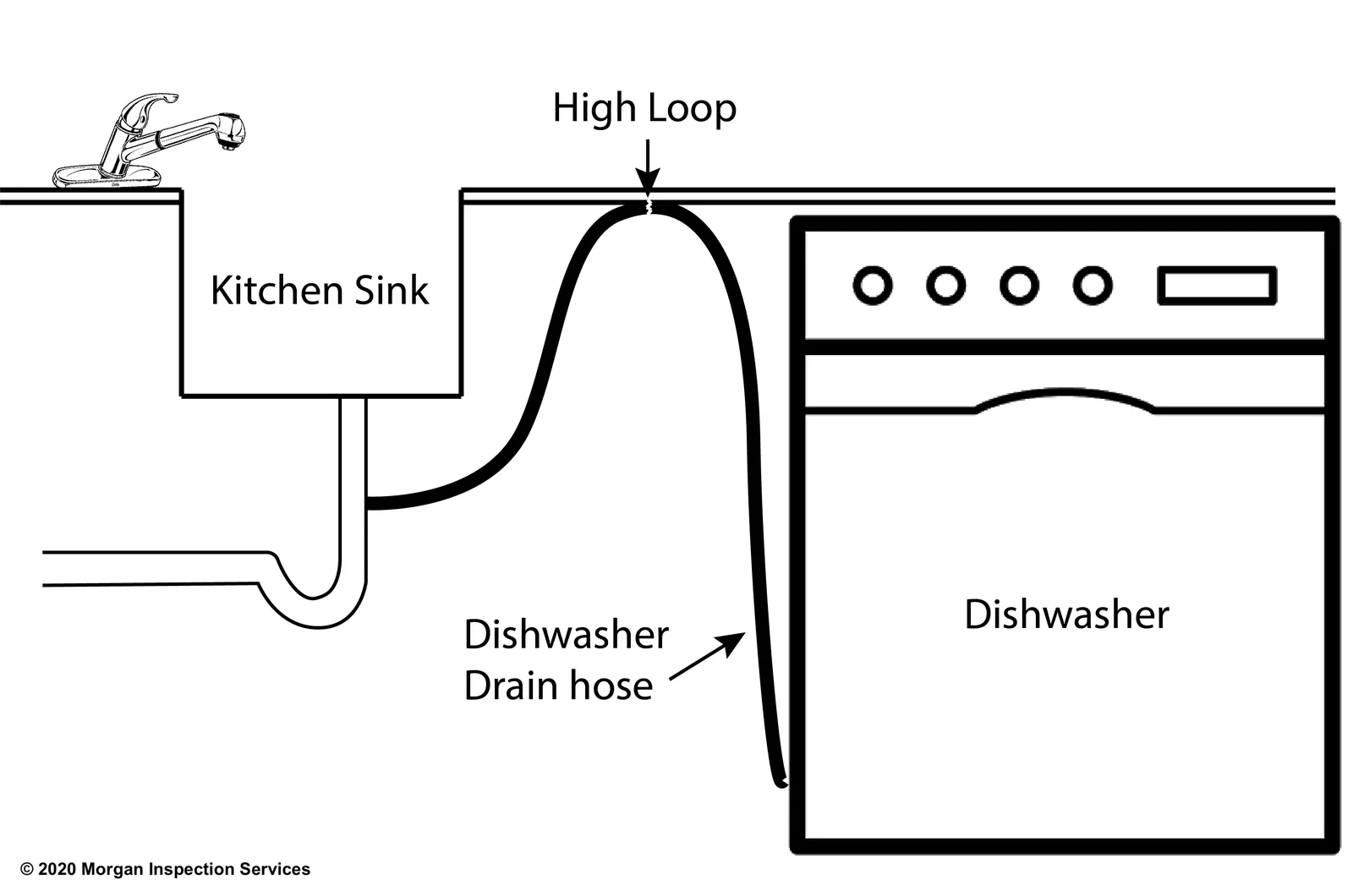
Deciding between these systems usually comes down to whether you prioritize strict code compliance or a cleaner look under your sink. While both prevent backflow, they differ significantly in their installation requirements and maintenance needs.
| Method | How long | Effort | Cost | Best for |
|---|---|---|---|---|
| Air Gap | 1-2 hours | High | Medium | Meeting building codes |
| High Loop | 30-60 mins | Low | Low | DIY-friendly installs |
The air gap requires cutting a hole in your countertop or sink deck. If you don’t have an extra hole, you’ll need to drill through granite or stainless steel, which adds to the difficulty. A high loop only requires securing the existing drain hose to the underside of your cabinet. If your local rules allow the high loop, it saves you from drilling and maintains a clutter-free look.
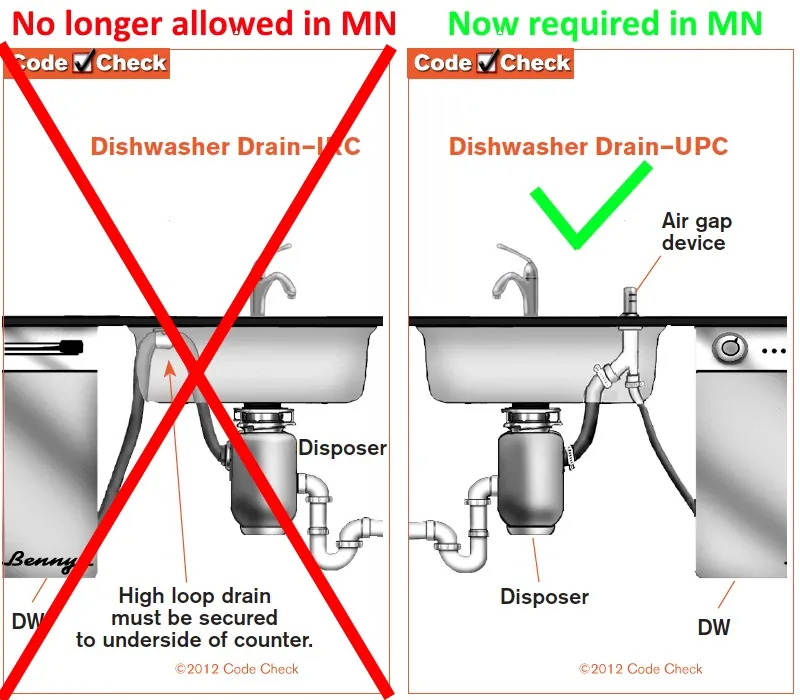
Check your local plumbing code before choosing. If your municipality mandates an air gap, installing a high loop instead will cause you to fail a home inspection during a future sale.
Most homeowners mistake the high loop for a permanent fix, but it only works if the hose is secured as high as possible under the sink cabinet, ideally reaching the underside of the countertop.
If your drain hose is too short to reach this height, the high loop will fail to prevent backflow. In that case, you must install an air gap or extend the hose with a coupling, which introduces a new potential leak point. Always prioritize the physical height of the loop over the convenience of the installation.
Installing a dishwasher air gap
An air gap is a small cylinder that sits on your sink deck, acting as a physical barrier against backflow. It uses gravity to ensure that if your kitchen sink clogs, the water spills out into the sink rather than back into your clean dishes.
- Turn off the power to the dishwasher and clear the area under your sink.
- Drill a 1.5-inch hole in your sink deck if you don’t have a pre-cut spot.
- Thread the air gap body through the hole and secure it tightly with the included nut.
- Attach the corrugated hose from the dishwasher to the small inlet on the air gap.
- Connect a second drain hose from the large outlet on the air gap to your garbage disposal or drain tailpiece.
Use a high-quality rubber gasket between the air gap base and the sink surface to prevent leaks. If you notice water pooling on the counter, the internal chamber is likely clogged with food particles. Simply unscrew the decorative cap and clear the debris with a thin brush.
Most homeowners mistake a high-loop drain hose for an air gap. A high-loop is merely a hose pulled up to the underside of the counter, which doesn’t provide the same physical separation. If your local code mandates an air gap, a high-loop will fail inspection and leave your dishwasher vulnerable to contaminated water. Choose an air gap if your sink drain is prone to frequent backups; choose a high-loop only if your local plumbing authority explicitly permits it.
Setting up a high loop drain
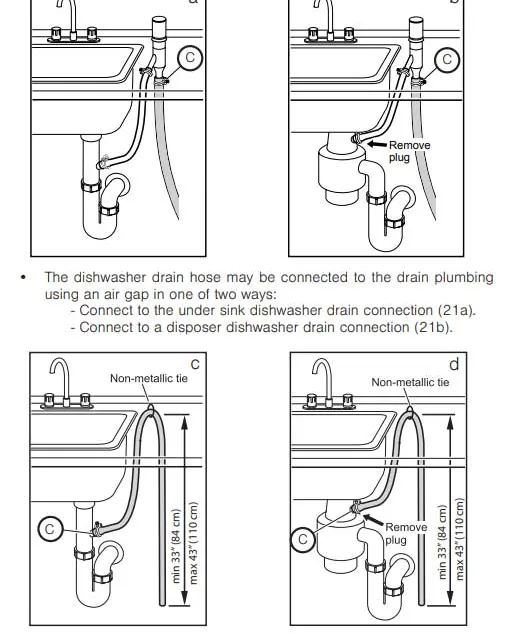
A high loop is a method where you secure the dishwasher drain hose as high as possible under the sink cabinet. By keeping the hose higher than the drain inlet of the sink or disposal, you use gravity to keep wastewater from flowing backward.
Route the dishwasher drain hose up to the highest point under your sink cabinet. Secure the hose to the cabinet wall using a sturdy bracket or zip tie. Ensure the hose forms a smooth, downward slope from that high point to the drain connection. Tighten all clamps to prevent leaks at the connection points.
If your sink drain inlet is lower than the dishwasher discharge port, a high loop is mandatory to prevent siphoning. Use a zip tie to anchor the hose flush against the underside of the countertop. This ensures the peak remains at the absolute maximum height available within the cabinet.
Avoid the common mistake of letting the hose sag between the loop and the disposal. A dip in the line creates a trap where stagnant water collects, leading to odors and premature hose degradation. If you see a belly in the line, shorten the hose or add a second anchor point.
This method is ideal for standard kitchens, but if you have a deep basin sink, check your local plumbing code. Some jurisdictions require an air gap device instead of a high loop to prevent cross-contamination. If you lack the space for a vertical rise, you must install a physical air gap.
When to choose which method
If you’re in a major rush, the high loop is the winner because it requires no drilling or extra parts. You likely have enough hose already, so you can finish the job in under an hour. If you’re doing this for the first time, the high loop is also much more forgiving, as you can’t accidentally damage your countertop by drilling a hole in the wrong place.
Choose the high loop if your dishwasher drain hose has enough slack to be secured at the highest possible point under the sink cabinet. If the hose is too short, the high loop will fail to prevent backflow, and you must choose the air gap instead.
If you want the best possible result regardless of the effort, the air gap is the superior choice. It provides a permanent, physical barrier that satisfies even the strictest local plumbing inspectors. The trade-off is clear: you pay for safety with a more difficult installation and the presence of a plastic or metal cylinder on your sink.
If you live in an area with older, shared drainage systems, the air gap is the most reliable way to keep your appliance sanitary. Many homeowners mistakenly install a high loop in houses with frequent sewer backups, only to find contaminated water entering the dishwasher. When in doubt, follow the local code; if your inspector requires an air gap, the high loop won’t pass final sign-off.
Rules for all drainage installations
Regardless of the method you choose, you must ensure the hose connection is airtight and secure. A common mistake people make is using a loose clamp, which leads to slow leaks that rot the cabinet floor over time.
Always check the hose for kinks or sharp bends after you finish, as these restrict flow and force the dishwasher pump to work harder. If you can pinch the hose flat with two fingers, the bend is too sharp and will eventually cause pump failure.
You must also verify that your drain hose is long enough to reach the high point without being stretched tight. If the hose is pulled too taut, it can disconnect during the vibration of a wash cycle. If you’re uncertain about the specific requirements for your city, contact your local building department. They publish the exact plumbing standards for your area, which is the only way to be sure your setup is legal and safe.
Related guides
- Best Countertop Dishwasher Under 400 in 2026
- Can I Bake Frozen Pizza in a Pizza Oven? The Proper Method in 2026
Frequently Asked Questions
Can I install an air gap myself?
You can install an air gap yourself using basic tools like a drill and wrench. The process involves mounting the unit to the sink deck and connecting two hoses. If you have a stone countertop, you may need a diamond-tipped hole saw bit to prevent cracking.
Why does my dishwasher drain hose need a high loop?
The high loop is necessary to prevent dirty water from the sink or garbage disposal from flowing back into the dishwasher. Without this loop or an air gap, a clog in your sink would force wastewater into the appliance, potentially contaminating your dishes. Gravity keeps the water in the drain path, and the loop ensures the water level in the sink never reaches the height of the dishwasher hose connection.
How long should the high loop be?
The high loop should be as high as possible under your cabinet, ideally reaching the underside of the sink rim. The exact length is less important than the height; the top of the loop must be higher than the drain point of your sink or garbage disposal. If your cabinet has limited space, ensure the loop reaches at least a few inches above the highest point of the sink’s drain pipe.
Is it safe to use a high loop instead of an air gap?
A high loop is safe if your local plumbing code permits it, though it’s less secure than an air gap. An air gap provides a physical break in the pipe, while a high loop relies on gravity. Always check local codes, as some cities mandate air gaps for all new dishwasher installations.
What happens if the air gap gets clogged?
If the air gap gets clogged, you’ll notice water leaking from the small holes at the base of the air gap cylinder on your sink. This is a design feature meant to alert you to a blockage in your drain line. To fix it, you simply unscrew the cover and remove any food particles or debris trapped inside the chamber. Cleaning it regularly ensures your dishwasher drains properly without any overflow.
How often should I clean my air gap?
You should clean your air gap whenever you notice water leaking from the top or if the dishwasher seems to be draining slowly. Most households only need to perform this check once every six months to one year. If you frequently wash dishes with heavy food residue, you might need to check it more often to prevent the small internal paths from becoming restricted by debris.
Conclusion
Proper drainage is essential for the long-term health of your appliance. Whether you choose the simple high loop or the robust air gap, ensure all connections are tight and the hose is free from sharp bends to keep your system running smoothly for years. If you hear a gurgling sound during the drain cycle, check your air gap or high loop immediately, as this indicates a partial blockage that will soon cause a backup.