
A dual flush model is the better choice for most homeowners because it saves water by offering two different flushing volumes, while a single flush toilet is only preferred if you want the absolute simplest mechanism with the fewest moving parts. Choosing the right unit depends on how much you prioritize monthly water savings versus low maintenance costs.
Comparing toilet flushing systems
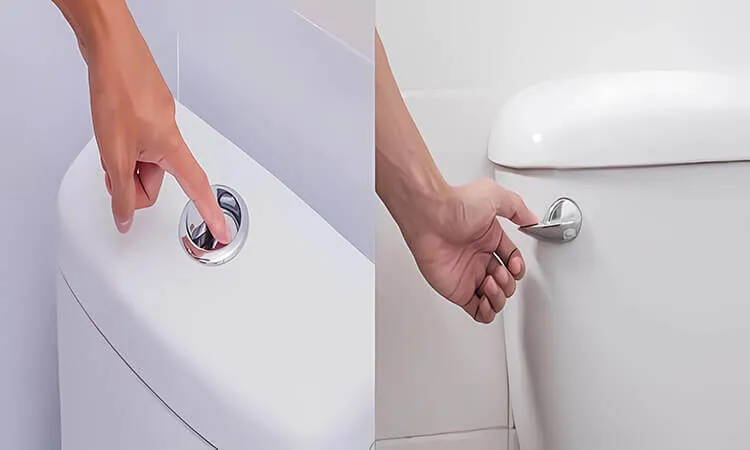
The primary difference between these two systems is the water usage per flush. A single flush toilet uses the same amount of water every time you press the handle. In contrast, a dual flush system gives you a choice between a partial flush for liquids and a full flush for solids.
| Method | How long | Effort | Cost | Best for |
|---|---|---|---|---|
| Single flush | Lifetime | Low | Low | Basic utility |
| Dual flush | Lifetime | Medium | Medium | Water savings |
| Pressure-assist | Lifetime | High | High | Heavy duty |
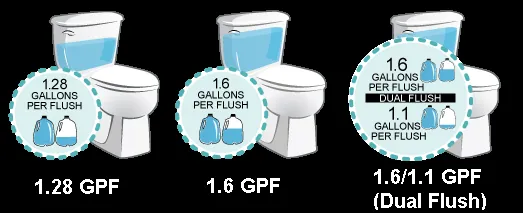
If you’re looking to lower your home utility bills, the Environmental Protection Agency WaterSense program provides guidelines on high-efficiency fixtures. While a standard single flush toilet might use 1.6 gallons per flush, modern dual flush models often use 1.28 gallons for a full flush and as little as 0.8 gallons for a partial flush.
Using a single flush toilet
This system uses a simple gravity-fed mechanism. You press a single lever, which lifts a flapper at the bottom of the tank. Water rushes into the bowl, clears the waste, and the flapper closes once the tank is empty.
Press the handle down fully to release the water. Holding the lever down for a fraction of a second longer ensures the flapper stays open until the tank is nearly empty, providing maximum force for clearing solids.
Wait for the bowl to clear completely. If the water level rises without clearing the waste, don’t flush again immediately. You must wait for the tank to refill, or you risk an overflow.
Allow the tank to refill automatically before leaving the room. This ensures the next user has a full volume of water available for the next flush.
This design is incredibly reliable because it has few components that can break. If a part fails, you can find a replacement flapper or handle at any local hardware store for a very low cost.
The main weakness is that it uses a full tank of water even when a small amount would suffice for liquid waste. If you notice the water level remains high after a flush, check the chain length. A chain that’s too slack prevents the flapper from opening fully, which weakens the flush and causes frequent clogs.
Operating a dual flush toilet
A dual flush unit uses a button or a split-lever system on top of the tank. One button is connected to a smaller valve, while the other triggers a larger release. This allows you to select the precise volume of water needed for the situation.
Press the smaller button or the top half of the lever for liquid waste. Use the larger button or the bottom half of the lever for solid waste. Ensure the button pops back up fully to stop the water flow. If the button sticks, the toilet will continue to run, wasting significant amounts of water.
These toilets are excellent for reducing overall household water consumption. However, they’re more complex to repair. If the dual-valve mechanism breaks, you often need to buy a specific kit from the manufacturer rather than a generic part.
Check the model number stamped inside the tank before purchasing replacements. If you buy a generic universal flush valve, it will likely fail to seal against the proprietary seat, causing a constant leak.
If your toilet flushes weakly, check the water level in the tank. It must sit exactly at the fill line marked on the overflow tube. If the water is too low, the pressure won’t be sufficient to clear solid waste, forcing you to flush twice and negating the water savings.
Pressure-assist flushing systems
Pressure-assist toilets use a sealed tank inside the ceramic housing. As water fills the inner tank, it compresses the air inside. When you flush, this trapped air forces the water into the bowl with much more power than gravity alone.
Wait for the internal pressure vessel to reach full capacity. Push the flush button to release the stored air and water. Listen for the distinct, loud hiss as the cycle finishes.
These units require a minimum of 20 psi of water pressure to function correctly. If your home’s water pressure falls below this threshold, the vessel will fail to fill properly, resulting in a weak, incomplete flush. Test your supply line with a simple pressure gauge before purchase to avoid this performance gap.
These are the best choice for homes with older plumbing or frequent clogging issues. They clear the bowl much more effectively than gravity-fed options. The trade-off is the noise level, as the pressurized release is significantly louder than a standard flush.
Most users make the mistake of ignoring the specialized maintenance these units require. Unlike gravity toilets, you can’t fix every issue with a universal flapper. You must buy proprietary replacement parts from the manufacturer, which often cost three times more than standard hardware. If you value silence or low-cost repairs, stick to a gravity-fed model.
Choosing the right system
If you’re in a hurry, choose a single flush toilet. The mechanism is simple and reliable, and you won’t spend time troubleshooting complex button assemblies if something goes wrong. These models use a standard flapper valve that any homeowner can replace quickly for a minimal expense.
If you’re doing this for the first time, choose a dual flush toilet. The water savings are measurable, and installation is nearly identical to a standard model for a professional plumber. Look for a model with a top-mounted button rather than a side handle, as these units are less prone to the mechanical linkage failures that plague older dual-flush designs.
If you want the best possible result regardless of the price, choose a pressure-assist toilet. While they’re significantly louder and cost more, their ability to clear the bowl is unmatched by any gravity-fed system. These units rely on a sealed tank that traps compressed air, forcing water into the bowl with explosive velocity.
The trade-off is always between the simplicity of a gravity tank and the raw power of a pressurized one. If your home has low water pressure, avoid pressure-assist models entirely; they require adequate supply pressure to function correctly. If you live in an older house with inconsistent municipal supply, stick to gravity-fed systems to avoid frequent maintenance calls.
Rules for all toilet installations
Regardless of which model you choose, you must ensure the unit fits your rough-in distance. This is the measurement from the wall behind the toilet to the center of the floor drain bolts. Most standard homes use a 12-inch rough-in, but checking this before you buy is essential to avoid returns.
If your wall has thick tile or wainscoting, measure from the finished surface, not the studs. A 10-inch or 14-inch rough-in is common in older homes or custom builds; using the wrong size will force the tank to sit against the wall or leave an unsightly gap.
You should also check for leaks after the installation is complete. Place a few drops of food coloring in the tank and wait 30 minutes without flushing; if color appears in the bowl, you have a leak. This test confirms the integrity of the flush valve seal.
If you’re uncomfortable working with water supply lines or wax rings, hire a licensed plumber. Improper installation can lead to rot in the subfloor or dangerous sewer gas leaks. If you notice a rocking motion after tightening the bolts, don’t simply add more caulk. You must shim the base to prevent the flange from cracking under pressure.
Related guides
Frequently asked questions
Can I convert a single flush to a dual flush?
Yes, you can buy a dual flush conversion kit that replaces your existing flapper and handle mechanism. These kits typically cost less than a new toilet, but they don’t work on every model. You must measure the diameter of your flush valve opening to ensure the new seal fits perfectly. If your current tank is very old, the conversion might not be worth the effort compared to replacing the whole unit.
How long does a toilet mechanism last?
Most toilet fill valves and flappers last for a significant period depending on your local water quality. Hard water causes mineral buildup that makes these parts stiff or leaky over time. If you notice your toilet running constantly, it’s usually a sign that the flapper seal is failing and needs to be replaced.
Is it safe to install a toilet myself?
Yes, you can install a toilet yourself if you have basic tools and are comfortable lifting heavy ceramic. The biggest risk is damaging the wax ring during placement, which leads to leaks at the base. If you don’t get a perfect seal, you must remove the toilet and replace the wax ring entirely.
What happens if I use the wrong flush button?
Nothing bad happens if you use the wrong button, but you’ll waste water or fail to clear the bowl. If you use the small button for solid waste, the bowl might not clear, requiring a second flush. If you use the large button for liquids, you simply use more water than necessary. It’s purely a matter of efficiency rather than a risk of damaging the internal components.
How much water does a dual flush save?
A dual flush toilet saves about 20% to 30% of total water usage compared to an older 1.6-gallon single flush model. This assumes a standard household ratio of liquid to solid waste flushes. If your home has many people, this adds up to thousands of gallons per year. You can check your specific usage by looking at the gallons-per-flush rating printed on the back of the tank or the manufacturer’s manual.
Conclusion
Choosing between these systems comes down to your personal priorities for maintenance and utility costs. A single flush is the “set it and forget it” option, while a dual flush is the active choice for a more efficient home. Weigh your needs for simplicity against your desire for water conservation to make the right decision for your bathroom.