
A reliable manual or ratchet-style tool is essential for secure plumbing, and the best PEX crimp tools provide the leverage needed to compress copper rings onto fittings without leaks. These tools are designed for specific tubing types and ring sizes, differing primarily in their mechanical design, the force required from the user, and their ability to reach into tight spaces.
Top rated crimp tools
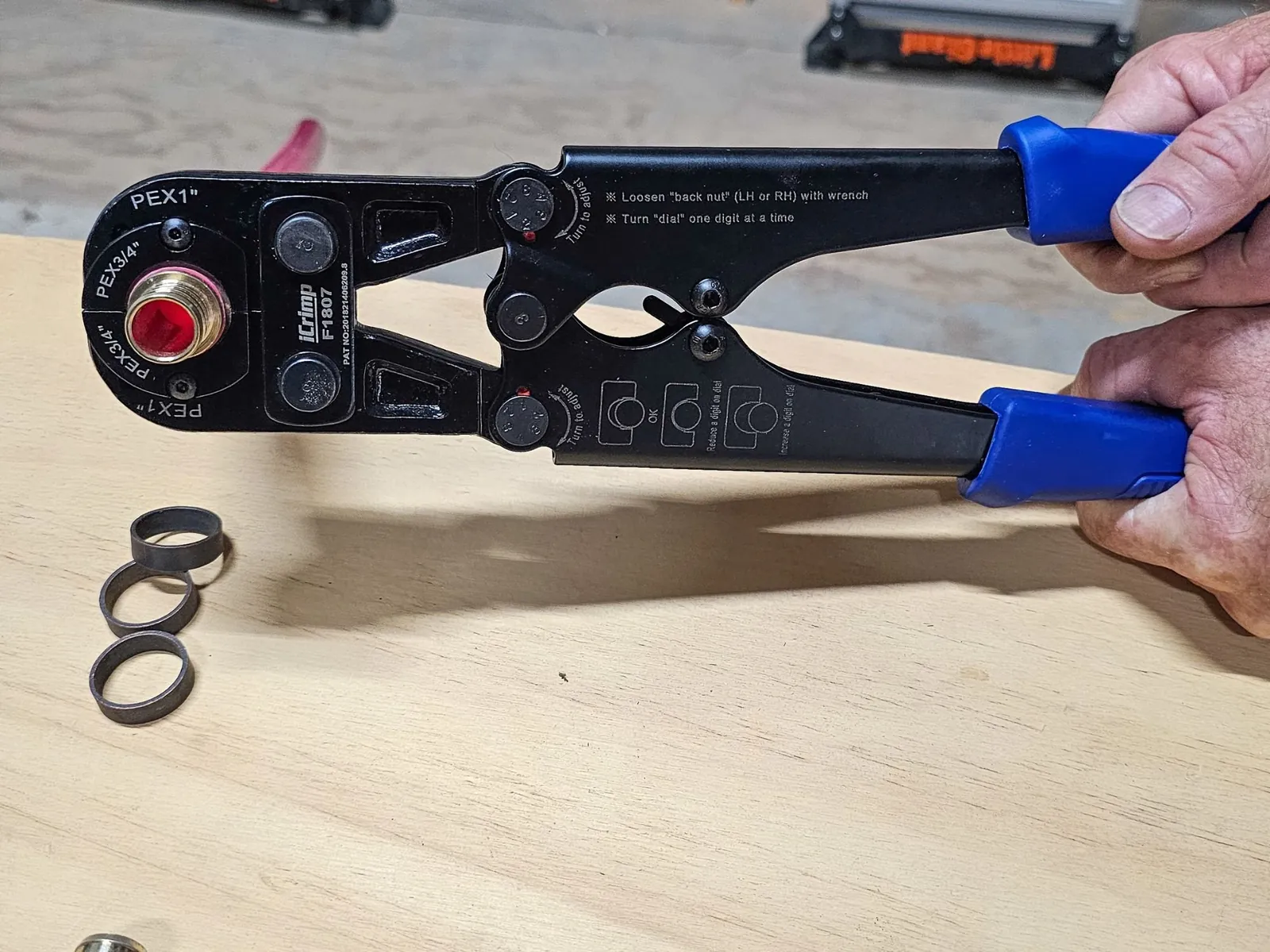
You can choose between tools that handle single or multiple pipe sizes based on your specific plumbing project requirements. The following table outlines the most common types available for residential use, helping you identify which design matches your needs.
| Tool Type | Best For | Concrete Example |
|---|---|---|
| Single-size crimper | Dedicated, one-size pipe jobs | 1/2-inch copper ring tool |
| Multi-head ratchet | Frequent repairs with variety | Interchangeable jaw crimping set |
| Go/No-Go gauge | Verifying connection security | Plastic ring calibration tool |
| PEX-A expansion tool | Full system installations | Manual pipe expansion device |
If you’re plumbing an entire house, buy a dedicated single-size tool. These tools provide superior leverage and consistency over long sessions. You’ll avoid the fatigue caused by swapping heavy jaws every few minutes.
For occasional repairs, choose a multi-head ratchet set. These allow you to switch between 1/2-inch and 3/4-inch lines without carrying two separate handles. However, check the jaw alignment every ten uses. If the jaws drift by more than 1/16 of an inch, your crimps will be uneven and prone to slow leaks.
Never skip the Go/No-Go gauge. A crimp that looks tight to the eye can still be loose enough to fail under pressure. If the ‘Go’ side of the gauge slides over the ring and the ‘No-Go’ side does not, the connection is secure. If it binds, you must cut the fitting out and start over.
Many beginners assume that a tighter crimp is always better. This is a mistake. Over-crimping crushes the copper ring and damages the PEX tubing wall. If you feel the tool handle snap or hit a hard stop, you have already gone too far. Stop immediately to prevent long-term structural failure.
Single-Size Crimp Tool
A single-size crimp tool is a simple, fixed-jaw device designed to compress a specific diameter of copper crimp ring onto a PEX pipe fitting. It suits homeowners completing a small, straightforward project, such as adding a single sink or replacing a damaged section of pipe.
These tools provide consistent, repetitive crimp pressure for one pipe size. The long handle length, usually 10 to 12 inches, provides the mechanical leverage necessary to deform the copper ring without requiring excessive physical strength. They require minimal maintenance beyond keeping the jaw pivot point lubricated with light machine oil. Because the jaws stop at a set distance, you avoid the common mistake of over-compressing the fitting, which can crack the plastic pipe or damage the brass barb.
If you’re repairing a 1/2-inch line under a kitchen cabinet, use a 10-inch fixed-jaw crimper. This tool is small enough to fit between tight joists while providing enough force to create a secure seal.
Choose a single-size tool if you’re working on a single-diameter system. If your project involves mixing 1/2-inch and 3/4-inch lines, a fixed-jaw tool will force you to buy two separate devices. In that case, a multi-head ratchet tool is more cost-effective.
Before you finish, always use a Go/No-Go gauge to ensure the crimped ring diameter is correct. A common error is assuming the crimp is tight simply because the jaws closed completely. If the ‘Go’ side of the gauge doesn’t slide over the ring, the connection is too tight and may damage the fitting or pipe.
According to the ASTM International F1807 standard, these connections must meet specific dimensional requirements to prevent leaks under pressure. If the gauge fails to pass, don’t attempt to re-crimp the same ring. You must cut the fitting out and start over with a fresh ring and pipe section. Attempting to double-crimp a ring weakens the copper and compromises the integrity of the seal, leading to a slow, hidden leak behind your walls.
Multi-Head Ratchet Crimper
A multi-head ratchet crimper uses interchangeable jaws to handle several common pipe sizes, such as 3/8, 1/2, 3/4, and 1 inch. It suits professionals or DIYers who are working on a whole-house re-pipe or multiple projects involving different pipe diameters.
- Allows for quick jaw changes using a simple locking pin or slide mechanism.
- Uses a ratchet gear system to maintain compression until the crimp cycle is complete.
- Reduces user fatigue during large installations by locking the jaws in place.
- Offers greater versatility than fixed tools, saving you from buying separate units.
If you’re installing a new bathroom vanity and an outdoor spigot, use the 1/2-inch jaw for the vanity and the 3/4-inch jaw for the main supply line. The ratchet mechanism prevents the tool from opening until the full crimp force is applied to the ring. This ensures you don’t accidentally leave a ring partially crimped, which would lead to a slow leak once the water pressure is turned on.
Most beginners fail by failing to calibrate the tool before the first crimp of the day. If your crimper features an adjustment screw, test it on a scrap piece of pipe first. Use a go/no-go gauge to verify the diameter of the finished crimp. If the ‘No-Go’ side of the gauge slides over the ring, the crimp is too loose and requires a tighter setting.
If you find yourself crimping in tight wall cavities, prioritize a model with a 360-degree rotating head. This allows you to squeeze the handles from the side rather than head-on. Without this rotation, you’ll often find yourself unable to complete the final ratchet click, leaving the connection compromised. Always keep the internal gears lightly lubricated with machine oil to prevent the ratchet pawl from sticking mid-cycle.
Go/No-Go Calibration Gauge
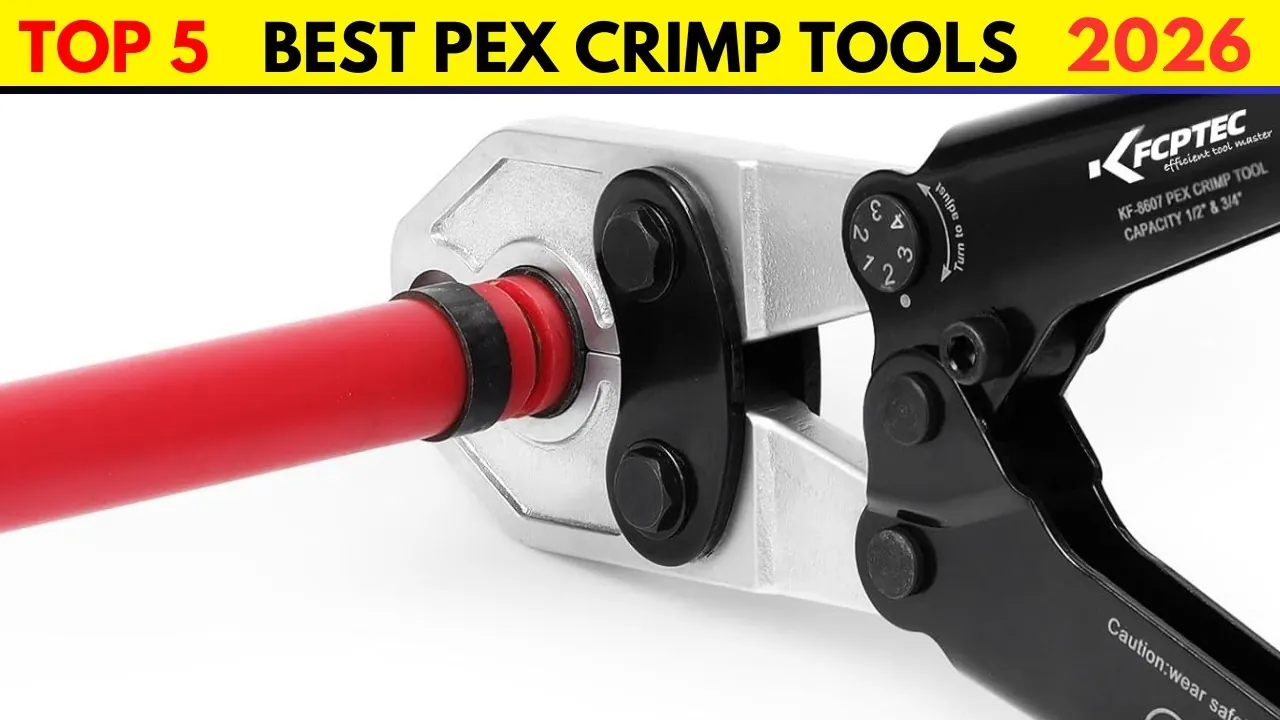
A Go/No-Go gauge is a small, inexpensive plastic or metal tool used to verify that a crimped ring has been compressed to the correct diameter. It suits anyone who wants to ensure their plumbing work meets safety standards before turning the main water supply back on.
- Features two distinct slots: one for the “Go” check and one for the “No-Go” check.
- Fits easily in a pocket, making it accessible for quick checks on every single connection.
- Works by sliding the “Go” side over the crimped ring; it should pass easily.
- Prevents you from guessing if a connection is tight enough by providing a visual pass-fail result.
If you’re crimping a 1/2-inch copper ring, slide the “Go” end of the gauge over the ring after you remove the crimping tool. If the gauge passes over the ring, the crimp is the correct size. If it does not, you must cut the ring off and try again. This step is the only way to confirm you haven’t under-crimped, which is a common mistake that causes leaks under pressure.
PEX-A Expansion Tool
An expansion tool stretches the end of PEX-A pipe before inserting a fitting, bypassing the need for traditional crimp rings. It’s the gold standard for systems requiring high flow rates and superior kink resistance.
The tool utilizes an internal head that rotates and expands the pipe end in small, precise increments. This process creates a memory-seal connection, as the PEX-A material naturally shrinks back to grip the fitting with immense force. Because the pipe itself acts as the seal, you eliminate the need for metal crimp rings, reducing your total parts count and potential leak points.
You must use expansion-specific fittings, which feature a larger internal diameter than standard crimp-style fittings. If you attempt to force a standard crimp fitting into an expanded pipe, the connection will fail immediately under pressure. Always verify the fitting is rated for expansion; if the fitting has a thin, ribbed shank designed for a crimp ring, it’s the wrong part.
When installing a main water line, the expansion method is superior because the connection actually tightens over time. This is critical for high-pressure zones where vibration could loosen mechanical seals. However, this tool requires a specific technique: you must rotate the tool head between each expansion pull. If you pull the trigger without rotating, you’ll create uneven ridges inside the pipe, leading to a permanent leak.
Expect to perform six to eight expansions for a 1-inch pipe, depending on the ambient temperature. In cold weather, PEX-A becomes rigid and resists expansion. If the pipe is below 40°F, keep it in a heated space or use a heat gun to warm the end slightly before expanding. Forgetting this step will cause the pipe to split, forcing you to cut the line and start over.
Additional PEX Tools
PEX Pipe Cutter: This scissor-style tool features a ratcheting mechanism and a hardened, replaceable blade designed to produce perfectly square cuts. A square cut ensures the pipe sits flush against the internal shoulder of the fitting, which is critical for a leak-proof seal. Never use a utility knife or hacksaw for this task. These tools create jagged, uneven edges and burrs that can slice the internal O-rings of your fittings, leading to slow, hidden leaks behind your walls.
Ring Removal Tool: This device uses a guarded, depth-controlled cutting edge to slice through copper crimp rings without scoring the PEX tubing beneath. It’s your primary insurance policy when you misalign a fitting or crimp at the wrong depth. If you find yourself needing to salvage a fitting, use this tool to peel the ring away in two halves.
Avoid the common mistake of using a standard hacksaw or side cutters to remove rings. A hacksaw blade is difficult to control and will almost certainly nick the PEX, creating a stress riser that leads to a pipe burst under pressure. If you’re working in a tight space where the removal tool doesn’t fit, you’re better off cutting the pipe back entirely and starting with a fresh section of tubing.
Replacing a six-inch segment of pipe is always cheaper than repairing water damage caused by a compromised connection. If the ring is stuck, apply a small amount of silicone lubricant to the blade to help it glide through the copper without binding or slipping.
Choosing the Right Tool
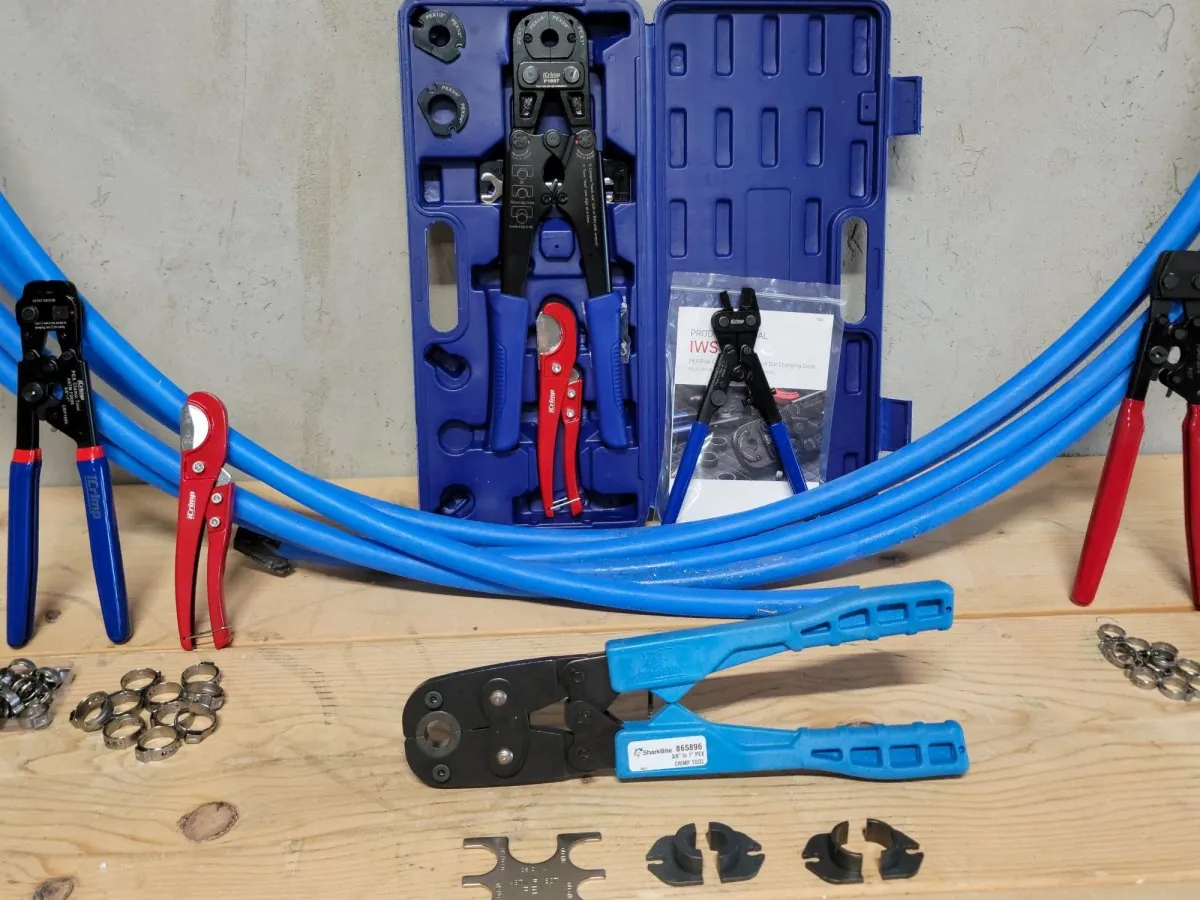
You can decide which tool is right for you by looking at your project scope and the type of PEX pipe you have purchased. If you’re doing a quick repair on a standard 1/2-inch line, a single-size crimper is the most efficient choice because it’s lightweight and easy to use in cramped spots.
If your project involves multiple pipe diameters or a full renovation, choose a multi-head ratchet crimper to avoid carrying several different tools. For those working specifically with PEX-A tubing, an expansion tool is required because it uses the material’s unique properties to create a secure seal without rings.
Consider your budget and the frequency of use when making your final decision. A manual crimper is affordable and reliable for occasional home use, but it requires more physical strength than a ratcheting model. If you have limited strength or a very large project, the ratchet mechanism will save you significant effort.
These tools generally can’t be combined; you must select either the crimp-ring method or the expansion method based on the fittings you have on hand. Picking one system means you must stay consistent with the matching pipe and fittings throughout your entire installation to ensure long-term performance.
Related guides
- Best Time to Test Pool Water: 5 Essential Testing Tools in 2026
- How Much Does Plumbing Repair Cost? Typical Price Ranges in 2026
- Biscuit Joint vs Dowel Joint: 10 Best Tools for Woodworking in 2026
Frequently asked questions
How long do pex crimp tools last?
High-quality steel PEX crimp tools typically last 10 to 15 years with annual cleaning and oiling of pivot points. If the jaws become loose or the tool fails a Go/No-Go gauge test, it no longer provides the consistent pressure required for a watertight seal and must be replaced.
Is it safe to use a cheap pex crimper?
Inexpensive PEX crimpers are safe to use if they meet ASTM F1807 standards and you verify every connection with a Go/No-Go gauge. The safety of a connection depends on the final ring diameter rather than the tool’s cost, provided the jaws are properly aligned to prevent uneven compression.
How do I know if my pex crimp is too tight?
A crimp is too tight if the ‘Go’ side of the gauge fails to slide over the ring. This over-compression risks cracking the brass fitting or damaging the PEX pipe, requiring you to cut off the ring and install a new fitting.
Can I use the same tool for PEX-A and PEX-B?
You can’t use the same tool for PEX-A and PEX-B because they require different connection methods. PEX-B uses crimp rings with a crimping tool, while PEX-A requires expansion fittings and an expansion tool; using the wrong method will likely void your pipe and fitting warranty.
What happens if I don’t use a Go/No-Go gauge?
You risk hidden, slow-growing leaks inside your walls if you don’t use a Go/No-Go gauge to verify your connections. The gauge confirms the ring was compressed to the exact dimension needed for a watertight seal, which is impossible to determine by sight alone.
Why is my pex fitting leaking after crimping?
A leak after crimping usually occurs because the ring was positioned incorrectly or the pipe wasn’t cut squarely. Ensure the pipe end is square and the ring is placed 1/8 to 1/4 inch from the end; if the leak persists, the fitting itself may be damaged.
Conclusion
Start by cutting your PEX pipe squarely with a dedicated pipe cutter to ensure a flat surface for the fitting. Slide the crimp ring onto the pipe, insert the fitting fully, and position the ring so it covers the barbed area of the fitting. Use your crimp tool to compress the ring, then immediately verify the size using your Go/No-Go gauge. If the gauge shows a “No-Go” result, you must cut the ring off and start the connection again.