
The Liberty Pumps LE51-Series, Zoeller M267, and Myers ME40 are reliable sewage ejector pumps for moving residential waste, though they differ in horsepower and solids-handling capacity. Selecting the right effluent pump depends on your home’s vertical lift requirements and the size of your sewage basin. Always check your local building department’s guidelines to ensure your chosen unit meets the minimum legal discharge standards for your property.
Understanding sewage and effluent ejector pumps
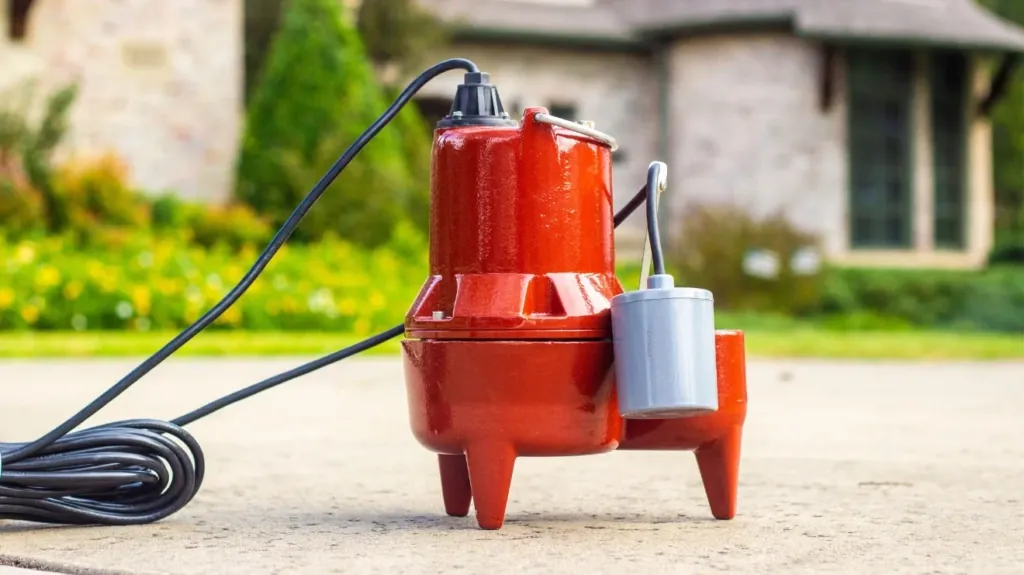
| Pump Model | Best For | Concrete Example |
|---|---|---|
| Liberty LE51 | Mid-range residential | 0.5 HP sewage system |
| Zoeller M267 | Heavy-duty waste | 0.5 HP vortex system |
| Myers ME40 | High-volume drainage | 0.4 HP effluent pump |
| Goulds WE51 | Consistent reliability | 0.5 HP grinder pump |
| Wayne SE50 | Standard basement pits | 0.5 HP submersible unit |
Select a pump based on the solids-handling capacity required for your specific plumbing layout. A standard residential system typically handles two-inch spherical solids. If your waste line serves a full bathroom, you must ensure the pump’s discharge diameter matches the solids-handling rating to prevent clogs.
Many homeowners mistake a simple effluent pump for a true sewage pump. Effluent pumps move gray water from laundry or sinks, but they lack the impeller design to process heavy waste. Using an effluent pump for a toilet line will cause the motor to seize within weeks, leading to a complete system failure that costs hundreds in emergency plumbing fees.
If your home sits more than 15 feet below the municipal sewer line, prioritize a grinder pump over a standard submersible unit. Grinder pumps use cutting blades to liquefy waste before pushing it through narrow pipes. This prevents backpressure that can burn out a standard motor.
Test your basin depth before purchasing. A pump rated for a 24-inch basin will short-cycle in an 18-inch pit, causing the switch to overheat. If your basin is shallow, look for a pump with a vertical float switch rather than a tethered float.
The vertical switch requires less clearance and prevents the pump from snagging on the basin walls. Always confirm the total dynamic head—the vertical distance from the pump to the discharge point—before finalizing your model choice. If the head exceeds 20 feet, you must upgrade to a higher-horsepower motor to maintain flow.
Liberty Pumps LE51-Series
The Liberty Pumps LE51-Series is a 0.5 horsepower submersible pump designed specifically for residential sewage systems. It suits homeowners who need to move waste from basement bathrooms or laundry areas to a main sewer line located at a higher elevation.
Passes 2-inch spherical solids without clogging the internal impeller.
Features a quick-disconnect power cord that simplifies installation and future maintenance tasks.
Includes a cast iron housing that protects the motor from external moisture and physical damage.
Operates with a wide-angle float switch for automatic activation when the basin reaches a set level.
For a typical basement bathroom installation, this pump effectively moves waste through a 2-inch discharge pipe. If your home uses a 1.5-inch pipe, you’ll need a reducer fitting, though this can slightly increase the backpressure on the motor.
The LE51-Series is built for high-torque performance, but it isn’t intended for continuous, 24-hour operation. If your basin level triggers the pump more than 30 times per hour, the motor will overheat and shorten its lifespan. In such cases, you need a larger basin to hold more volume, which reduces the frequency of pump cycles.
Check your total vertical lift before finalizing your purchase. This pump is rated for a maximum head of 21 feet. If your discharge line rises more than 18 feet, the flow rate drops significantly, potentially causing waste to settle in the pipe.
Many installers make the mistake of using a standard check valve instead of a full-flow sewage check valve. A standard valve has a restrictive flapper that catches debris. Always use a full-flow valve to ensure the 2-inch solids pass through the discharge line without creating a blockage.
If the pump runs but fails to move water, check the air vent in your basin. A clogged vent creates an airlock that prevents the impeller from priming. If you hear a humming sound without movement, clear the vent pipe immediately to restore normal flow.
Zoeller M267
The Zoeller M267 utilizes a vortex impeller design to pull solids into the flow stream rather than forcing them through narrow vanes. This mechanical approach significantly minimizes the risk of clumping or clogging, making it a reliable choice for households with high sewage volumes or frequent debris buildup.
It handles 2-inch spherical solids by spinning them away from the impeller blades. This prevents the jamming common in standard residential pumps. The unit features a heat-dissipating cast iron motor housing designed for longer continuous run times. If your system runs for more than ten minutes at a time, this thermal mass protects the motor windings from premature failure.
Stainless steel fasteners and a matching handle ensure the pump resists corrosion in wet, acidic environments. These components prevent the hardware from seizing, which is vital when you need to pull the pump for routine maintenance. The M267 provides a high flow rate, making it ideal for homes where multiple bathrooms feed into a single pit.
This pump is built for high-traffic basements, but physical clearance is the primary constraint. If your basin is smaller than 18 inches in diameter, the wide-angle float switch will likely strike the side wall during operation. This contact prevents the pump from cycling off, which leads to motor burnout and wasted electricity. Measure your pit diameter from the interior wall to the center pipe before ordering.
If your basin is deeper than 30 inches, consider adding a secondary check valve on the discharge line. This prevents backflow from putting unnecessary torque on the impeller during start-up. In systems where the pump cycles more than 20 times per day, install a dedicated high-water alarm.
This simple addition acts as a fail-safe, alerting you to a float switch failure before the basin overflows into your finished living space. Always confirm your local code requirements for discharge pipe diameter, as the M267 requires a 2-inch line to maintain its rated head pressure.
Myers ME40
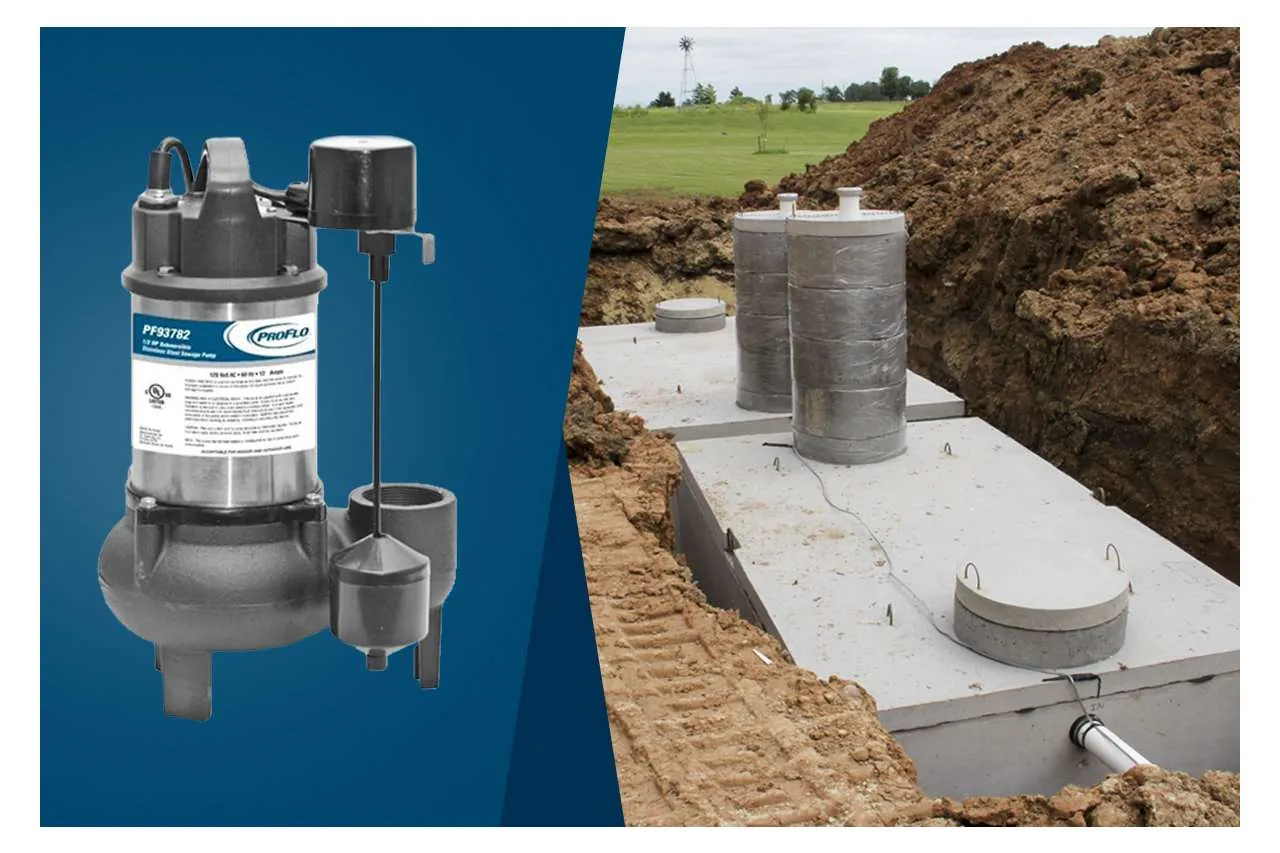
The Myers ME40 is an effluent pump designed for systems where the solids have already been partially broken down or for gray water applications. It suits users who need a durable, lightweight option for moving water from laundry rooms or utility sinks.
- Operates efficiently with a 0.4 horsepower motor that consumes less electricity than standard sewage models.
- Uses a thermoplastic base that resists corrosion from household cleaning chemicals.
- Allows for easy inspection of the intake screen to clear minor debris buildup.
- Includes a thermal overload protection feature that shuts the motor off if it overheats.
This pump requires a stable, level surface at the bottom of the basin to function correctly. If your basin floor is uneven, the pump can vibrate, which eventually wears down the seals. Use a pre-formed sewage pump basin to ensure a flat, secure mounting point for the unit.
Goulds WE51
The Goulds WE51 is a semi-open impeller pump built for residential sewage applications requiring consistent, daily performance. It suits homeowners who want a balance between power and energy consumption.
Passes 2-inch solids while maintaining a steady flow rate against moderate head pressure. The semi-open design prevents clogging from fibrous materials like toilet paper or wipes. This makes it ideal for homes with older plumbing systems prone to debris buildup.
Features a silicon carbide mechanical seal that resists wear from sand or grit in the water. Unlike standard carbon-ceramic seals, this material maintains its integrity when exposed to abrasive particles. You should choose this model if your basin is prone to sediment accumulation or if you live in a region with sandy soil.
Designed with an easily accessible oil-filled motor that keeps components cool during long cycles. This thermal management allows the pump to run for extended periods without overheating.
If you’re replacing an older pump, ensure your current electrical circuit can handle the specific startup amperage of this model. A mistake many people make is assuming all 0.5 HP pumps draw the same current. If your circuit breaker is too small, it will trip every time the pump attempts to start, which can burn out the start capacitor over time.
Check the nameplate on your existing pump for the Locked Rotor Amps (LRA) rating. If the WE51’s LRA exceeds your breaker’s capacity, you must upgrade the circuit to a dedicated 20-amp line. Failing to do this forces the pump to cycle repeatedly, shortening its operational life.
Apply the rule of thumb: if your basin cycles more than ten times per hour during peak usage, the pump is undersized for your household volume. In that case, move up to a model with a higher flow capacity to prevent excessive wear.
Other sewage pump options
Wayne SE50 is a budget-friendly option for homeowners who need a basic sewage pump for occasional use in a guest bathroom. It handles 2-inch solids but lacks the heavy-duty cast iron housing found in more expensive, commercial-grade units. If the pump runs frequently, the thermoplastic housing may warp under sustained thermal stress, reducing its durability.
Barnes SEV412: This model is built for harsh environments where the pump might sit in highly acidic or corrosive water. It features a specialized epoxy coating that prevents the metal casing from breaking down over several years of submersion. Use this if your water test reveals a pH level below 6.5 or above 8.5. Standard pumps will pit and leak at the seals within eighteen months under these conditions, leading to premature motor failure.
Little Giant 9SN: This pump is designed for smaller, confined spaces where a standard-sized sewage pump won’t fit. It’s best for small basement pits, though it has a lower solids-handling capacity compared to the other models listed above. Because it’s optimized for a compact footprint, it’s restricted to 1.5-inch solids.
Don’t install this in a main line serving a full house. If your household includes more than two residents, the reduced flow rate will cause the pump to cycle too frequently, burning out the start capacitor.
When choosing between these, check your discharge pipe diameter first. Match the pump discharge to your existing pipe size to avoid flow restriction. If you can’t confirm your pipe size, opt for the Wayne, as its wider tolerance handles varied pressure loads more gracefully than the specialized alternatives.
Selecting your pump
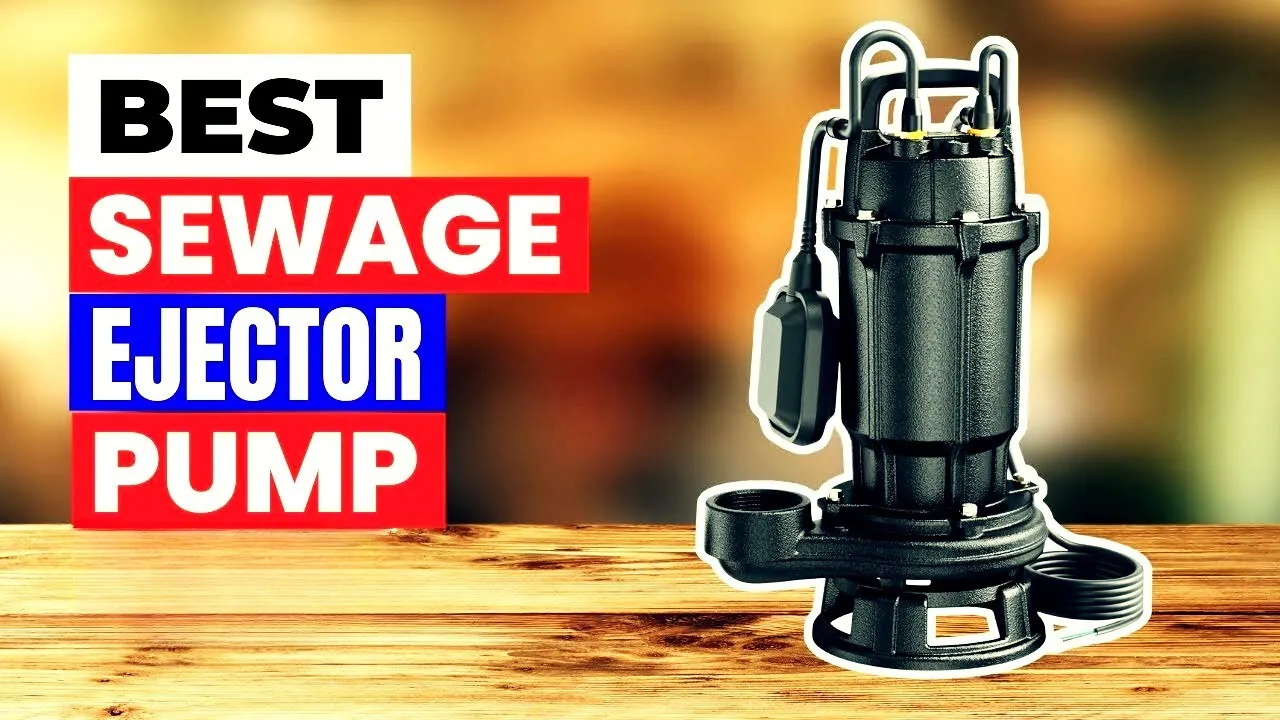
Deciding which pump to install comes down to your home’s vertical lift, the size of your sewage basin, and the type of waste being moved. If you have a basement bathroom that sits 8 to 10 feet below the sewer line, you need a pump with a higher “shut-off head” rating, such as the Zoeller M267. If your primary goal is moving gray water from a laundry room, the Myers ME40 is usually sufficient and costs less to operate.
You must also check your basin diameter. If your basin is 18 inches or smaller, choose a pump with a vertical float switch; if you use a wide-angle tethered float in a small basin, the float will get stuck against the wall, causing the pump to run dry and burn out.
Finally, note that these pumps are typically not meant to be combined in a single basin unless you’re installing a dual-pump duplex system for redundancy. Picking one high-quality pump is usually better than trying to daisy-chain two smaller, weaker units.
Related guides
- Best Air Mattress Pumps for Camping in 2026
- Is Jandy a Good Pool Pump? The Verdict by Pool Type in 2026
- 5 Best Light Bulbs for Pump House Lighting Solutions in 2026
Frequently asked questions
How long do sewage pumps typically last?
Sewage pumps typically last between 7 and 10 years in a standard residential environment. Lifespan is primarily determined by daily water usage and the acidity of the waste processed. Note that high-usage households will naturally experience faster wear on the pump’s motor and impeller components.
What happens if the pump stops working?
If your pump fails, sewage will back up into your home’s lowest drains. First, check your circuit breaker to ensure the pump’s dedicated circuit hasn’t tripped. If the power is active but the pump remains silent, contact a licensed plumber to inspect the float switch and motor.
Is it safe to install a sewage pump myself?
You can install a sewage pump yourself if you’re experienced with plumbing and electrical work, but it isn’t recommended for beginners. Improper installation of check valves or vented discharge lines can allow dangerous sewer gases into your home. Always hire a professional if you’re uncomfortable with high-voltage wiring.
How much power does a sewage pump need?
Residential sewage pumps require a dedicated 115-volt or 230-volt circuit, typically rated for 15 to 20 amps. You can find the specific electrical requirements listed on the pump’s nameplate or the manufacturer’s manual. Ensure your wiring matches these specifications to avoid frequent circuit tripping and serious shock hazards.
Does it matter if I use an effluent pump for sewage?
Effluent pumps are designed for liquid waste, while sewage pumps are built to handle large, solid objects. Installing an effluent pump in a system connected to a toilet will cause immediate clogs and jams. Always confirm your pump is rated for solids handling to avoid frequent, messy blockages.
Why is my sewage pump running constantly?
A pump that runs constantly is usually caused by a stuck float switch or a leaking check valve. A failed check valve causes the pump to cycle the same water repeatedly, which will eventually burn out the motor. Inspect the float switch first to ensure it moves freely without obstruction.
Conclusion
Start by checking your current basin depth and the vertical distance from the pump to your main sewer line. Once you know these two numbers, you can select a pump with the correct horsepower and head pressure for your specific setup. A properly installed pump should cycle on and off smoothly.