
You need to drain the water, blow out the lines with air, and add antifreeze before freezing temperatures hit. Most tubs take 2-3 hours to prep if you have the right tools ready. This guide covers the exact steps for winterizing your hot tub the complete handbook to winter maintenance so you can protect your equipment all season long.
What winterizing your hot tub actually is

Winterizing means preparing your spa for cold weather by removing water and protecting pipes from ice damage. It’s for anyone living where temperatures drop below freezing for more than a few days.
Many people think turning off the power is enough. That leaves water inside the pipes to freeze and burst. Ice expands when it freezes, which cracks plastic fittings and metal pumps in seconds.
You must remove every drop of water or use a special fluid to stop this expansion. The process takes time now to save you thousands in repairs later.
If you skip this step, you might face a total system failure come spring. Always check your owner’s manual for specific instructions on your model before starting.
Draining the main tub is only half the job. Water hides in the jet lines, the heater manifold, and the pump housing long after the shell looks empty.
An air compressor connected to an adapter forces that trapped water out. You have to do this one fitting at a time while capping the others.
Skipping this step leaves just enough water to split a two-inch PVC union overnight. That repair often requires cutting into the cabinet framing to reach the broken joint.
Antifreeze meant for plumbing isn’t the same liquid you pour into a car radiator. Automotive antifreeze contains ethylene glycol, which is toxic and ruins acrylic surfaces.
Use only propylene glycol antifreeze rated for potable water systems. Pour it directly into the skimmer and filter housing after the lines are blown clear.
People who drain their spa but leave the filter cartridge installed make another expensive mistake. A wet cartridge left in a sealed housing grows mold all winter.
Pull the filter out, rinse it with a hose, and let it dry completely indoors. Store it in a closet rather than a damp garage where it can still freeze.
The cover needs attention too. Water pooling on top adds hundreds of pounds of weight that bows the foam core. Use a cover lifter or a simple tarp pitched like a tent to shed snow.
The basic method to prepare your spa
- Turn off the power at the main breaker box, not just the control panel, to avoid electrical shorts.
- Drain the tub completely using the built-in drain valve or a submersible pump into a safe location like a sewer cleanout.
- Remove the filter cartridges and store them indoors in a cool, dry place away from direct sunlight.
- Use an air compressor to blow water out of the suction and return lines until only air comes out.
- Pour non-toxic RV antifreeze into the skimmer jets and return lines until you see pink liquid flowing back out.
- Disconnect the pump and heater unions if possible, then pour antifreeze directly into those components.
- Add antifreeze to the jet bodies and any other low points where water could collect during the freeze.
- Cover the empty tub with a tight-fitting winter cover to keep debris and rain out while it sits idle.
The single judgement call here is how much air pressure to use when blowing out the lines. Too little pressure leaves water behind, but too much can crack the flexible plumbing. Aim for about 40 PSI and watch closely; if you hear a hissing sound change or see water spray, stop immediately. If your tub has complex internal plumbing you can’t reach, call a professional technician who has the right tools to handle the job safely.
Key numbers and settings at a glance
| Situation | What to use | How long | What to watch for |
|---|---|---|---|
| Standard drainage | Submersible pump | 45-60 minutes | Water level dropping evenly |
| Air blow-out | Compressor at 40 PSI | 10-15 minutes | No water droplets in exhaust |
| Antifreeze fill | RV grade propylene glycol | 20-30 minutes | Pink fluid returning from jets |
| Filter storage | Plastic bag + bucket | Until spring | Moisture inside the bag |
| Cover security | Bungee cords or lock | All winter | Cover slipping off in wind |
| Power cutoff | Main circuit breaker | Immediate | Green light on panel is off |
| Final check | Visual inspection | 5 minutes | No standing water in base |
Don’t rely on a single air blast to clear your lines. If you hear a hiss but see no mist, the pipe may still hold a pocket of water that will freeze and burst within hours.
Run the compressor until the sound shifts from a wet gurgle to a sharp, dry whistle. This change signals the last drop has cleared. Skipping this step costs more than a repair bill; it often means replacing an entire section of PEX tubing that runs through inaccessible walls.
When filling with antifreeze, stop as soon as pink fluid appears at every faucet. Pouring extra gallons doesn’t increase protection and wastes money on product that simply drains into your holding tanks. If the fluid returns clear after thirty minutes, you have a blockage or a valve left open. Check the low-point drains immediately. A common mistake is assuming the system is full because the tank gauge reads high, while the upper shower heads remain dry.
Wind catches the edges of loose covers and peels them back, letting snow accumulate directly on the roof membrane. If you live in an area with gusts over forty miles per hour, add a center strap anchored to a roof vent.
Cut power at the main breaker, not just the GFCI outlets. Leaving the main feed active allows phantom loads to draw electricity, which can trip breakers during a storm when you need them most. Verify the green indicator light on the panel is dark. If the light stays on, the disconnect switch is faulty and must be replaced before winter sets in.
Details that separate good results from bad ones
Experienced owners know that temperature matters more than the calendar date. If you wait until the first frost, you risk freezing the remaining water in the deep pipes before you finish draining. Start the process when the forecast predicts lows near 35°F (2°C) for several nights in a row.
When winterizing your hot tub, follow the correct order of operations; never add antifreeze before you have blown out the lines. Adding fluid to wet pipes dilutes the protection and creates pockets where ice can still form.
Beginners often forget to check the high-side plumbing above the waterline. These areas trap water that gravity can’t drain, leading to hidden cracks. You must tilt the hose or use a vacuum to pull water from these spots before sealing them. Also, don’t reuse old antifreeze; buy fresh bottles each year to ensure the chemical concentration is strong enough.
A weak mix will fail when temperatures drop below zero. Finally, inspect your cover for tears before winter sets in. A torn cover lets snow melt into the shell, refreezing and causing new damage even if the pipes are safe.
Common problems and quick fixes
| What you notice | What it usually means | What to do first |
|---|---|---|
| Water won’t drain fast | Clogged drain line or pump | Clear the debris from the drain basket manually |
| Air compressor won’t push air | Loose connection or wrong nozzle | Tighten the fitting or swap to a smaller adapter |
| Antifreeze isn’t returning | Blocked jet or closed valve | Open all valves and check for obstructions in the line |
| Pump makes grinding noise | Water left inside the impeller | Run the pump briefly to clear water, then re-blown |
| Cover keeps sliding off | Wind caught under the edge | Secure with extra bungees or a weighted strap |
| Smell of chemicals in spring | Antifreeze leaked into ground | Flush the area with water and check local disposal rules |
The rules that apply for safety
Local codes often dictate where you can drain your spa water, and the rules change based on your chemical balance. Never dump water containing chlorine or bromine onto your lawn or into storm drains without checking regulations first.
The Environmental Protection Agency warns against releasing treated water into natural waterways as it harms aquatic life. In many cities, you must drain into a sanitary sewer cleanout or a designated drainage area. If you’re unsure, contact your local public works department for the correct procedure.
The specific danger lies in the concentration of chemicals, not just their presence. Water with high concentrations of chlorine (typically above 5-10 ppm) can damage grass and soil microbes if dumped undiluted.
If your test strip shows any reading higher than this, don’t pour it on vegetation. Instead, dilute the water by running fresh tap water into the tub until the chemical levels drop below the safe threshold before draining. This simple step prevents landscaping damage and avoids fines that are inexpensive relative to professional remediation.
Electrical safety is also critical; always shut off power at the breaker before touching any wet parts. Working on live circuits with water nearby can cause severe injury or death. A common mistake is relying solely on the control panel switch, which may still leave voltage present in the system if wiring has failed.
You must go to the main electrical panel and flip the dedicated breaker labeled for the spa to the off position. Verify the power is dead by attempting to start the pump after the switch is flipped.
If you feel uncomfortable with any step involving electricity or heavy lifting, hire a licensed electrician or spa technician to handle it. The cost of a professional call is far less than the price of medical bills from an electrocution incident. When moving heavy components like pumps or heaters, use a dolly rather than trying to carry them alone to avoid back injuries that can sideline you for weeks.
Keeping your spa ready for spring
Once winter ends, you must reverse the process carefully to avoid damaging the system. Don’t turn the power on until all antifreeze is flushed out and replaced with fresh water. Leaving even a small amount of antifreeze in the heater can ruin the heating element instantly.
Run the pump for at least 30 minutes with fresh water to clear the lines before adding new chemicals. If your spa has multiple jets, run them one by one to ensure no pockets of pink fluid remain trapped in the bends. A common mistake is assuming the water looks clear when it’s actually still diluted; if the runoff remains cloudy or tinted after twenty minutes, keep flushing until it runs perfectly transparent.
Check the filter for mold or debris that may have settled during storage. Replace the filter if it looks damaged or smells bad. Even if the cartridge appears intact, soak it in a dedicated cleaner for an hour before reinstalling it. Filters that were stored wet often harbor bacteria that standard rinsing can’t remove, leading to green water within days of reopening.
Inspect the cover for cracks or rot caused by snow and UV exposure. Press down firmly on the foam core; if it feels spongy or doesn’t spring back, the insulation has absorbed moisture and lost its thermal efficiency. If the cover is compromised, replace it before filling the tub again. A wet cover can add up to two degrees per hour to your heating bill, costing hundreds over the season.
Keep a log of when you drained and refilled the unit to track maintenance intervals for future years. Note the specific brand of antifreeze used and the date of removal. This record helps you spot patterns if issues arise later, such as recurring corrosion or premature pump failure. If you skipped the flush step last year, check the heater element immediately this time, as hidden residue may have already begun to degrade the metal.
When to choose a different approach
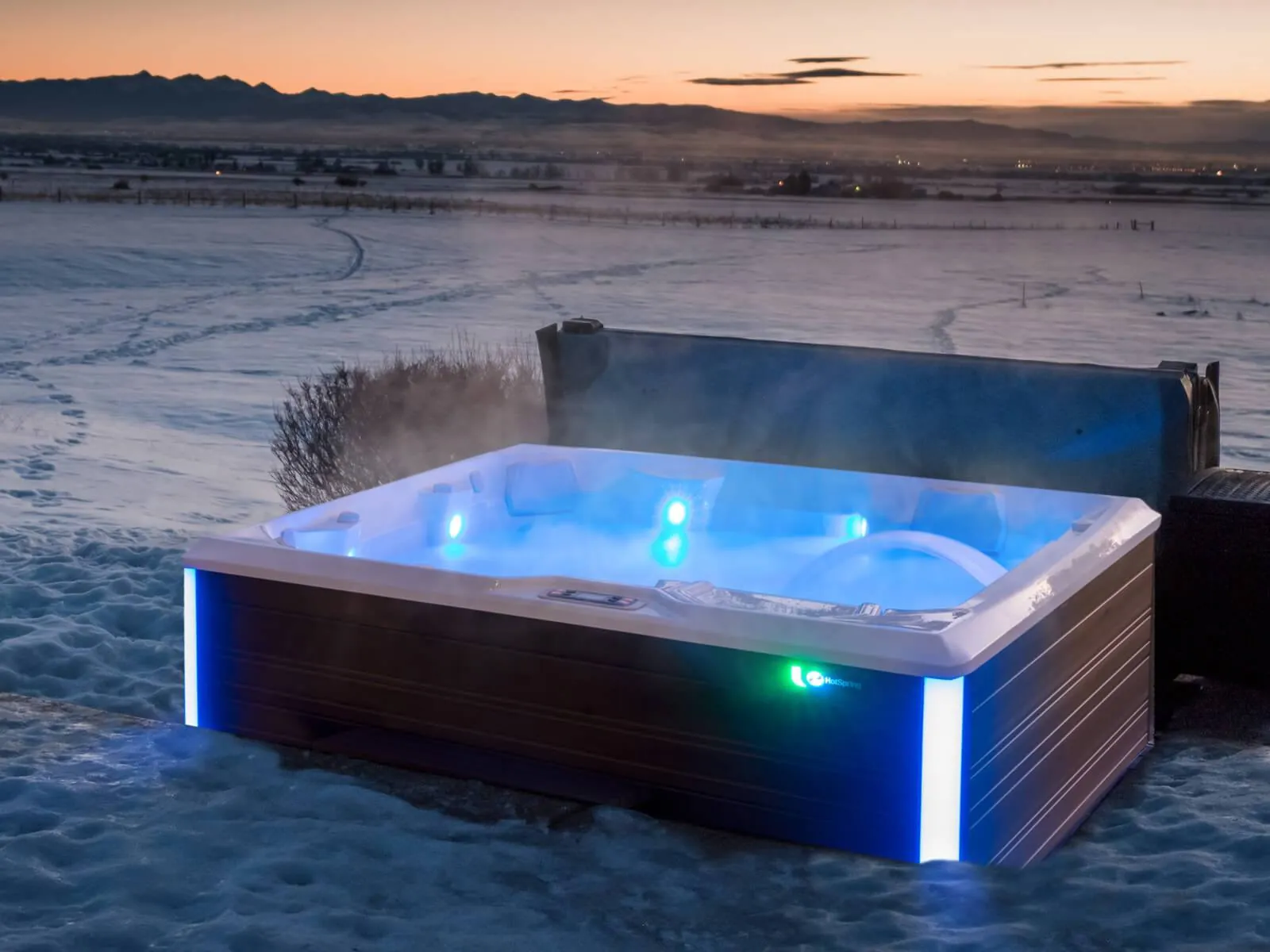
This full winterization method isn’t needed if you plan to run your tub through the winter. Some modern spas have freeze protection systems that keep the water moving and warm enough to prevent ice.
If your unit has this feature and you can keep the power on, simply maintain the heat setting and monitor the cover. However, if you expect a long power outage or extreme cold below -20°F (-29°C), shutting down is safer.
Another exception is if you live in a mild climate where temps rarely drop below freezing. In those cases, you might just lower the temperature and reduce chemical usage instead of draining. Always weigh the cost of running electricity against the risk of pipe bursts in your specific region.
Freeze protection relies on a sensor that triggers the pump when water hits about 40°F. That cycle runs for several minutes every half hour. It works only if the breaker stays on.
A common mistake is leaving the spa on its standard economy mode all winter. Economy cycles are too short to push warm water into every jet line before it cools again. Switch to standard heating mode so the pump circulates continuously during cold snaps.
If your tub sits under an open sky in a heavy snow zone, the weight matters more than the temperature. Wet snow piles up fast on a soft cover. Once the foam core absorbs moisture, it sags and pools water directly over the filter housing.
That trapped water freezes into a solid block. When you finally pull the cover off in spring, the ice tears the vinyl skirt and cracks the plastic locking clips underneath. Brush snow off weekly with a push broom rather than a shovel.
Check your warranty booklet before deciding to leave the tub filled in a vacation home you visit monthly. Many manufacturers void coverage for burst plumbing if the owner can’t prove the heater ran without interruption. A single tripped GFCI outlet while you’re away leaves you paying for the repair.
Frequently asked questions
Can I leave water in my hot tub during winter?
No, you shouldn’t leave water in the tub unless it has active freeze protection and power. Ice expands and will crack pipes, pumps, and heaters within minutes of freezing. Even a small pocket of trapped water can destroy expensive components. Only keep water inside if the manufacturer explicitly states the unit is rated for unattended freezing conditions.
How long does winterizing take?
The whole process takes about 2 to 3 hours for most standard spas. Draining takes the longest, usually 45 to 60 minutes depending on your pump speed. Blowing out lines and adding antifreeze adds another hour. Plan for extra time if you need to move furniture or access hard-to-reach valves.
Is RV antifreeze safe for hot tubs?
Yes, RV antifreeze made from propylene glycol is safe for spa plumbing. It’s non-toxic and designed to be used in potable water systems. Never use automotive antifreeze, which contains ethylene glycol and is highly poisonous. Check the label to ensure it says “propylene glycol” before buying.
What happens if I forget to drain the lines?
If you forget to drain the lines, the water inside will freeze and expand, likely bursting the pipes or cracking the pump housing. This damage often goes unnoticed until spring when you try to refill and find leaks everywhere. Repairing cracked PVC or replacing a pump can cost hundreds or thousands of dollars. Prevention is far cheaper than fixing frozen damage.
How much antifreeze do I need?
You typically need between 2 and 4 gallons of RV antifreeze for most standard spas, depending on the length of the plumbing. Most standard tubs require between 2 and 4 gallons total. Pour it slowly into the jets and lines until you see the pink fluid return. If you’re unsure, buy an extra bottle; leftover antifreeze can be stored for next year.
Can I use saltwater systems in winter?
Saltwater generators must be turned off and removed before winterizing. Salt water is corrosive and can damage metal parts if left in the system all winter. Remove the cell, rinse it thoroughly, and store it indoors to prevent plumbing corrosion.
Conclusion
Once everything’s sealed up, set a reminder on your phone to check the cover after heavy snowstorms. Brushing off the weight keeps it from sagging and cracking. You’ll be glad you did when warmer weather returns and you’re ready to soak again.