
Are you trying to decide between a 110-volt and a 220-volt mini split for your home? Choosing the right voltage can impact your energy bills, cooling efficiency, and overall comfort.
But the differences might seem confusing at first. You’ll discover the key facts that make one option better for your needs. By the end, you’ll feel confident about which mini split system suits your space and lifestyle best. Keep reading to find out what really matters when it comes to 110 vs 220 mini splits.
Basics Of Mini Split Systems
Mini split systems offer a flexible way to heat and cool spaces. They are simple to install and use less energy than traditional systems. Understanding the basics helps you choose the right system for your needs.
What Is A Mini Split?
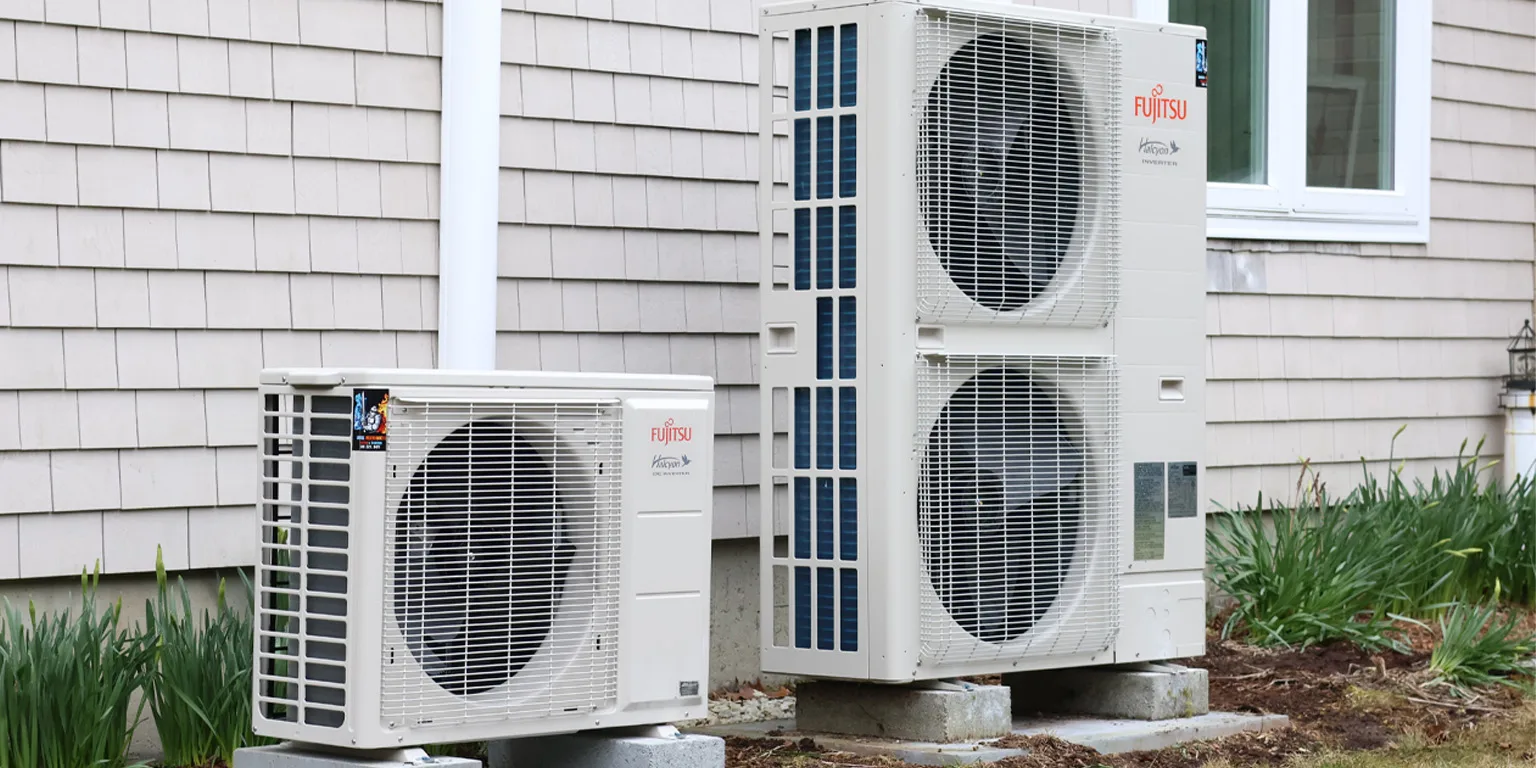
A mini split is a type of heating and cooling system. It has two main parts: an indoor unit and an outdoor unit. These units connect through a small pipe that carries refrigerant. Mini splits do not need ductwork, which saves space and money.
Key Components
The main parts include the compressor, condenser, evaporator, and expansion valve. The outdoor unit holds the compressor and condenser. The indoor unit contains the evaporator and fan. A remote control or wall panel lets you adjust the temperature. Refrigerant moves between the units, carrying heat in or out of the room.
Common Uses
Mini splits are popular in homes, offices, and small shops. They are perfect for rooms without ductwork or extra space. Many use them to cool bedrooms, basements, or garages. They also work well in older buildings where adding ducts is hard.

Credit: www.wewintogether.org
Voltage Differences
Voltage plays a key role in choosing the right mini split system. It affects how the system runs and what kind of power it needs. Understanding the voltage difference helps in picking the best option for your home or office.
What 110v Means
110V, also known as 120V in some areas, is the standard voltage for most household outlets. It is common in many homes across the United States. Mini splits using 110V can plug into regular power sockets. This makes installation easier and less costly.
These systems often suit smaller rooms or spaces. They usually draw less power, fitting typical home electrical setups. Many users find 110V mini splits convenient for simple cooling needs.
What 220v Means
220V systems require a higher voltage power source. They often need a special electrical circuit or outlet. This voltage is common for large appliances like dryers or ovens. Mini splits with 220V are built for stronger performance.
These units are ideal for bigger rooms or spaces needing more cooling power. They use more electricity but can cool or heat faster. Installing a 220V mini split may need an electrician’s help.
Impact On Performance
The voltage affects how well a mini split works. Higher voltage models usually provide more power. This means faster cooling and heating for larger areas. Lower voltage models use less energy but may take longer to reach the desired temperature.
Choosing the right voltage depends on your space size and power availability. Proper voltage ensures the mini split runs efficiently and safely. It also helps avoid electrical problems or higher energy bills.
Installation Factors
Choosing between a 110 and 220 mini split system depends on several installation factors. These factors affect how the system works and how much it costs to install. Understanding these details helps with a smooth setup and efficient operation.
Wiring Requirements
110 mini splits need standard household wiring. Usually, a simple two-wire setup works fine. The wiring is less complex and easier to handle for most homes.
220 mini splits require heavier wiring. They need a dedicated circuit with thicker wires. This wiring handles more power safely and avoids overheating.
Circuit Breaker Needs
Mini splits running on 110 volts need smaller circuit breakers. Usually, a 15 to 20 amp breaker is enough. This size protects the system without wasting power.
220-volt systems need larger breakers, often between 30 and 50 amps. These breakers handle the higher power draw. Proper breaker size prevents electrical hazards and system damage.
Space And Location Considerations
110 mini splits are good for smaller spaces. They fit well in compact rooms or apartments. The installation is simpler and needs less clearance.
220 mini splits suit larger areas or multiple rooms. They need more space for wiring and the outdoor unit. The location must allow easy access for maintenance and airflow.
Energy Efficiency
Energy efficiency is a key factor when choosing between 110 and 220 mini split systems. It affects both your electricity use and your bills. Understanding how each system uses power helps you make a smart choice. Efficient systems save money and reduce environmental impact.
Power Consumption Comparison
110 mini splits run on standard household voltage. They use less power at a time but may run longer. 220 mini splits use higher voltage and can run more efficiently. They deliver more cooling or heating with less energy waste. This makes 220 systems better for larger spaces.
Cost Savings Over Time
220 mini splits often cost more upfront but save on energy bills. The efficient power use lowers monthly expenses. 110 mini splits cost less initially but may use more electricity over time. Choosing the right system depends on your home size and usage. Long-term savings come from lower energy consumption and fewer repairs.
Cooling Capacity
Cooling capacity is a key factor in choosing between 110V and 220V mini split air conditioners. It measures how much heat the unit can remove from a room. This ability affects comfort and energy use. Understanding cooling capacity helps pick the right unit for your space. It also ensures the system runs efficiently and saves money.
Btu Ratings Explained
BTU stands for British Thermal Unit. It measures the cooling power of air conditioners. Higher BTU means the unit cools larger spaces faster. Mini splits come in various BTU ratings. Common sizes range from 9,000 to 24,000 BTU. Knowing BTU helps you find a system that suits your room size.
Matching Capacity To Room Size
Choosing the right BTU depends on room size. Small rooms need lower BTU units. Large rooms require higher BTU units. A 110V mini split usually offers less BTU than a 220V model. Too much BTU wastes energy. Too little BTU won’t cool well. Measure your room before deciding on a mini split.

Credit: www.youtube.com
Cost Differences
Cost differences play a big role in choosing between 110 and 220 mini splits. These costs include the price of the unit, installation fees, and future maintenance. Understanding these expenses helps you make a smart choice that fits your budget.
Initial Purchase Costs
110 mini splits often cost less upfront than 220 models. This is because 110 systems usually have lower power capacity. The price difference can be noticeable for larger units. But smaller homes may find 110 units affordable and enough for their needs.
220 mini splits tend to cost more due to higher power and bigger capacity. They are designed for larger spaces or heavy use. The initial cost may be higher but offers better cooling or heating power.
Installation Expenses
Installing a 110 mini split is often simpler and cheaper. The wiring and electrical work require less effort. Most homes already support 110 volts, cutting down installation costs.
220 mini splits need special wiring and sometimes an electrical panel upgrade. This raises installation costs. The process takes more time and needs a licensed electrician. The higher cost reflects the added complexity and power needs.
Maintenance And Repair
Maintenance for both 110 and 220 mini splits is similar in routine tasks like cleaning filters. Repair costs may differ. 220 units can have more expensive parts due to their size and power. Some repairs may need specialized technicians.
110 mini splits usually have lower repair costs. Their simpler electrical setup means fewer problems. Regular check-ups keep both systems running well and avoid costly damage.
Safety And Reliability
Safety and reliability are key factors when choosing a mini split system. These systems need to work well without causing electrical problems. Both 110V and 220V mini splits have safety rules to follow. Proper installation and care help keep your home safe. Reliable units also save money by avoiding repairs and downtime.
Understanding safety and common issues helps you use your mini split with confidence. Knowing what to check can prevent accidents. Quick troubleshooting keeps the system running smoothly and extends its life.
Electrical Safety Concerns
Mini splits use electricity, so safety is very important. 110V units usually connect to standard home outlets. 220V units need special wiring and a dedicated circuit. This reduces the risk of overload and fire.
Improper installation can cause shocks or short circuits. Always hire a licensed electrician for setup. Check that the system has proper grounding. Use the right circuit breaker size to avoid electrical hazards.
Common Issues And Troubleshooting
Mini splits can face problems like power loss, poor cooling, or strange noises. These often happen from loose wires or dirty filters. Regular cleaning and inspection prevent many issues.
If the unit won’t turn on, check the power supply and breaker. Reset the system by turning it off and on. For cooling problems, clean the filters and check the thermostat settings. Strange sounds may mean a loose part or fan issue.
Knowing these simple steps helps avoid costly repairs. Regular maintenance keeps the system safe and reliable for years.
Which Voltage Fits Your Home?
Choosing the right voltage for your mini split system matters a lot. It affects how well your unit runs and how safe it is for your home. The two common options are 110 volts and 220 volts. Each works better in different situations. Knowing which one fits your home helps you avoid electrical problems and saves money.
Assessing Your Electrical System
Start by checking your home’s current electrical setup. Most homes have circuits for either 110 volts or 220 volts. Look at your breaker box or consult an electrician. A 110-volt system uses a single hot wire and a neutral wire. A 220-volt system uses two hot wires. The wiring size and breaker rating also matter. Make sure your system can handle the mini split’s power needs safely.
Future-proofing Your Cooling Setup
Think about your cooling needs over the next few years. A 220-volt mini split can handle larger units and more power. It suits bigger homes or multiple rooms. A 110-volt unit fits smaller spaces or light cooling needs. Choosing 220 volts now might avoid upgrades later. It supports newer, more efficient models. Plan for growth and comfort to keep your system reliable.
Credit: armusmech.net
Frequently Asked Questions
What Is The Main Difference Between 110 And 220 Mini Splits?
110 mini splits use standard household voltage, while 220 mini splits need higher voltage. This affects installation and power use.
Can I Install A 220 Mini Split In A 110 Outlet?
No, a 220 mini split cannot run safely on a 110 outlet. It requires a dedicated 220-volt circuit for proper operation.
Which Mini Split Is More Energy Efficient, 110 Or 220?
220 mini splits often run more efficiently due to better power delivery. This can reduce energy bills over time.
Are 110 Mini Splits Cheaper To Install Than 220?
Yes, 110 mini splits usually cost less to install. They use existing wiring, while 220 units may need new electrical work.
Do 220 Mini Splits Provide Better Cooling Than 110?
220 mini splits can support larger units with more cooling power. This makes them better for bigger rooms or homes.
Is It Safe To Convert A 110 Mini Split To 220?
Converting a 110 mini split to 220 is not recommended. It can damage the unit and cause electrical hazards.
How Do I Choose Between 110 And 220 Mini Splits?
Consider your home’s electrical system, room size, and cooling needs. 110 is good for small spaces; 220 suits larger areas.
Conclusion
Choosing between a 110 and 220 mini split depends on your needs. A 110 model suits smaller spaces and simpler setups. A 220 model works better for bigger rooms and powerful cooling. Think about your home size and electrical system first.
Both types offer energy-efficient cooling and quiet operation. Make sure to pick the right voltage to avoid problems. This helps save money and keeps your system safe. Take time to compare features before deciding. Your comfort matters most.