
Have you ever turned on your Rheem water heater only to find it won’t ignite? Seeing the “Ignition Lockout” error can be frustrating and confusing.
You rely on your water heater every day, and when it fails, it disrupts your comfort and routine. But don’t worry—understanding why your Rheem water heater hits this lockout can help you fix the problem faster and avoid costly repairs.
Keep reading to discover the common reasons behind ignition lockout and how you can get your hot water flowing again quickly.
Common Signs Of Ignition Lockout
Ignition lockout is a common problem with Rheem water heaters. It happens when the heater tries to light but fails several times. This triggers a safety feature that stops the heater from trying to ignite again. Recognizing the signs early helps avoid longer downtime and costly repairs.
Watch for these common signs that your Rheem water heater may be in ignition lockout mode.
Error Codes To Watch For
Many Rheem water heaters show error codes on their display. These codes indicate what went wrong. Codes like “Lockout,” “Ignition Failure,” or numbers such as “11” or “12” often point to ignition problems. Check your manual to understand what each code means.
Unusual Noises And Smells
Strange sounds can signal ignition issues. Listen for clicking noises that repeat without lighting the burner. A faint gas smell near the heater also means the ignition is failing. These signs warn you that the heater is trying to ignite but cannot.
Frequent Resetting Needs
If your water heater needs frequent resetting, it likely faces ignition lockout. After several failed attempts to light, the unit locks out. You must reset it to try again. This cycle repeats if the root cause is not fixed, showing that the heater cannot start properly.

Credit: diy.stackexchange.com
Fuel Supply Issues
Fuel supply issues often cause Rheem water heaters to fail ignition lockout. The heater needs a steady flow of gas to light the burner. Any disruption in gas delivery stops ignition. This section explains common fuel supply problems.
Gas Line Obstructions
Gas lines can get blocked by dirt, rust, or debris. These obstructions reduce gas flow to the heater. Low gas flow prevents the burner from lighting properly. Regular inspection and cleaning help avoid this problem.
Insufficient Gas Pressure
Gas pressure must be strong and steady for ignition. Low pressure causes the pilot light to go out or fail to ignite. Pressure issues may come from faulty regulators or leaks. Checking pressure levels ensures the heater works well.
Pilot Light Problems
The pilot light must stay lit to ignite the main burner. Fuel supply issues can cause the pilot light to flicker or go out. Dirty pilot tubes or weak gas flow are common causes. Keeping the pilot light clean and steady is essential.
Ignition System Failures
The ignition system in a Rheem water heater plays a key role in starting the heating process. Problems in this system often cause ignition lockout, stopping the heater from lighting. Understanding common ignition failures helps in spotting issues early.
Faulty Igniter
The igniter creates a spark to light the burner. A faulty igniter may fail to spark at all. Dirt, moisture, or damage can cause this failure. Without a spark, the water heater won’t ignite, causing lockout.
Worn Out Electrode
The electrode senses the flame and keeps the burner running. Over time, it can wear out or become dirty. A worn electrode can’t detect flame correctly. This leads to the system shutting down for safety.
Ignition Module Malfunctions
The ignition module controls the spark timing and safety checks. If it malfunctions, the system may fail to ignite. Electrical issues or internal faults often cause these malfunctions. The heater then locks out to prevent damage.
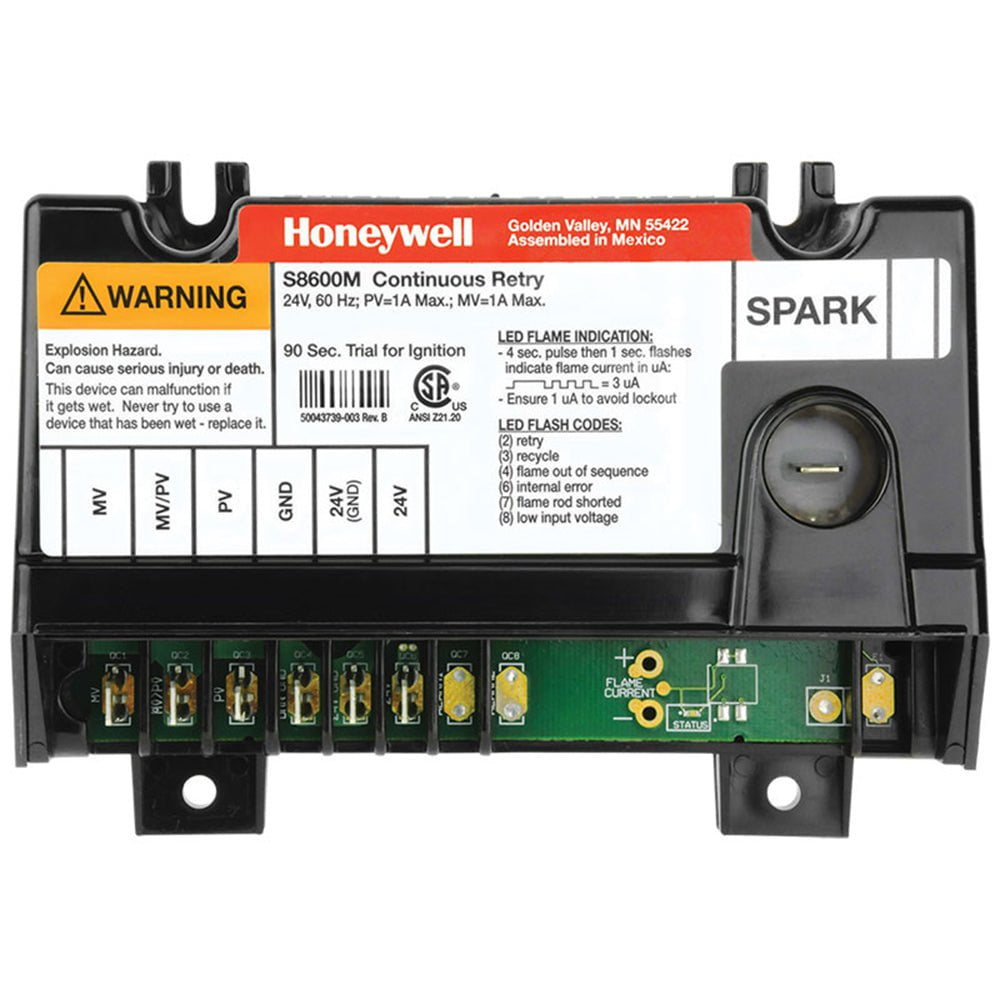
Credit: wholesalewaterheater.com
Ventilation And Exhaust Problems
Ventilation and exhaust problems often cause Rheem water heaters to fail ignition lockout. Proper airflow is crucial for safe and effective water heater operation. Without it, the heater may shut down to protect your home and family.
Blocked Vents
Blocked vents stop fresh air from entering the water heater. Dirt, leaves, or bird nests can block vents outside. This blockage prevents proper gas combustion. The water heater senses this issue and fails ignition to avoid danger.
Improper Venting Installation
Incorrect venting installation leads to poor exhaust flow. Pipes that are too long or twisted cause gas buildup. Exhaust gases may enter your home instead of leaving. The water heater locks out ignition to prevent harmful gas leaks.
Carbon Monoxide Safety Triggers
Carbon monoxide is a deadly gas from incomplete combustion. Rheem water heaters have sensors to detect this gas. If carbon monoxide levels rise, the heater shuts off automatically. This safety feature prevents poisoning and keeps your home safe.
Thermostat And Sensor Malfunctions
Thermostat and sensor problems often cause Rheem water heater ignition lockout. These parts control temperature and ignition safety. When they fail, the heater might not light.
Small faults in sensors or thermostat settings can stop the burner from starting. These issues make the system think it is unsafe to ignite.
Defective Temperature Sensors
Temperature sensors tell the heater the water’s heat level. If a sensor breaks, it sends wrong signals. The heater may think the water is too hot or too cold. This confusion can stop ignition to protect the system.
Sometimes sensors wear out from heat or age. Dust or corrosion on sensors also cause errors. Regular checks help catch sensor faults early.
Incorrect Thermostat Settings
The thermostat controls the water temperature setting. If set too low or too high, the heater might not work right. A very low setting might stop the burner from turning on.
Wrong settings confuse the control board. It may trigger a lockout to prevent damage or unsafe operation. Adjust thermostat to the recommended temperature.
Faulty Flame Sensor
The flame sensor detects if the burner flame is on. A dirty or damaged sensor cannot detect flame properly. The heater then stops ignition to avoid gas leaks.
Flame sensors get dirty from soot or dust buildup. Cleaning or replacing the sensor often fixes this problem. A working flame sensor is key for safe ignition.
Electrical And Wiring Issues
Electrical and wiring problems often cause Rheem water heater ignition lockout. These issues stop the heater from lighting properly. Faulty connections or damaged parts can interrupt the ignition process. Understanding these common electrical faults helps in quick troubleshooting and repairs.
Loose Or Damaged Wiring
Loose wiring can break the electrical connection needed for ignition. Wires may become loose from vibrations or poor installation. Damaged wiring, such as frayed or cut wires, can cause shorts or open circuits. Both conditions prevent the heater from receiving power to ignite.
Control Board Failures
The control board manages the ignition sequence and safety checks. A faulty board may fail to send the correct signals to ignite the burner. Circuit damage or component failure on the board can trigger lockout mode. Replacing the control board often restores proper ignition function.
Power Supply Interruptions
Power interruptions stop the water heater from lighting. A tripped breaker or blown fuse can cut power to the unit. Loose plug connections or damaged power cords also cause interruptions. Ensuring steady power supply is crucial to avoid ignition lockout errors.
Maintenance Tips To Avoid Lockouts
Preventing ignition lockouts in Rheem water heaters saves time and money. Regular care keeps your heater running smoothly. Follow simple maintenance tips to avoid common problems.
Regular Cleaning Routines
Clean the burner area often. Dust and dirt block the flame sensor. Wipe the sensor gently with a soft cloth. Clear the vent pipes to ensure proper airflow. Clean water heater parts help prevent ignition failures.
Scheduled Professional Inspections
Have a technician check your water heater yearly. Professionals spot issues before they cause lockouts. They test ignition systems and safety devices. Timely inspections keep your heater safe and efficient.
Replacing Worn Components Early
Old parts can cause ignition problems. Replace the flame sensor if it looks worn. Change faulty thermocouples to keep flame detection working. Early replacements stop lockouts from happening.

Credit: www.youtube.com
Frequently Asked Questions
What Causes Rheem Water Heater Ignition Lockout?
Ignition lockout happens when the heater fails to light safely. Common causes include gas supply issues, dirty burners, or faulty sensors.
How To Reset Rheem Water Heater Ignition Lockout?
Turn off the power and gas supply to the heater. Wait a few minutes, then turn them back on to reset the system.
Can A Dirty Flame Sensor Cause Ignition Lockout?
Yes, a dirty flame sensor can stop the heater from detecting the flame. Cleaning it often fixes the ignition lockout problem.
Why Does Gas Supply Affect Rheem Ignition Lockout?
Low or no gas flow prevents the burner from lighting. This triggers the lockout to stop unsafe gas leaks.
When Should I Call A Professional For Ignition Lockout?
Call a professional if reset and cleaning do not fix the issue. They can safely check gas lines and electrical parts.
Conclusion
Rheem water heater ignition lockout often happens due to safety features. It stops the heater from lighting when something is wrong. Common causes include gas supply issues, faulty sensors, or dirty burners. Regular maintenance helps prevent these problems. Quick checks can save time and money.
Understanding the reasons helps you fix the heater faster. Keep your water heater safe and working well. Stay alert to any signs of trouble. That way, you avoid cold showers and costly repairs.