
Is your Polaris pool sweep not working like it should? You rely on it to keep your pool clean and inviting, but when problems arise, it can be frustrating and confusing.
Don’t worry—you’re not alone, and fixing it might be easier than you think. You’ll discover simple troubleshooting tips that can save you time and money. Keep reading to learn how to get your Polaris pool sweep running smoothly again, so you can enjoy a sparkling pool without the hassle.
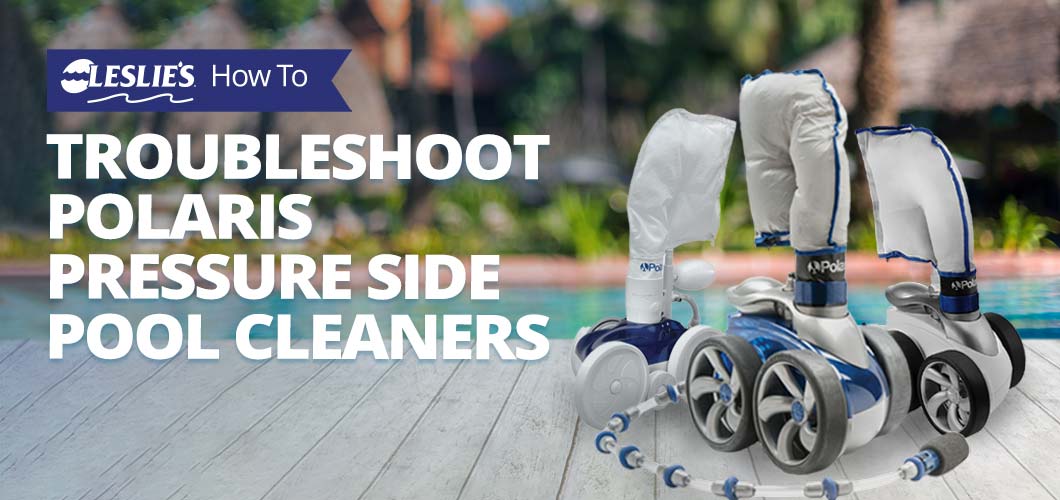
Credit: lesliespool.com
Common Polaris Pool Sweep Issues
Polaris pool sweeps can face problems that affect cleaning. These common issues reduce efficiency and cause frustration. Knowing these problems helps you fix them quickly. It keeps your pool clean and the sweep working well.
Below are typical problems with Polaris pool sweeps. Each one has simple solutions to keep your pool sparkling.
Poor Suction Power
Low suction stops the sweep from picking up debris. Dirt in the filter or pump can cause this. Check the filter and clean it often. Also, ensure the pump is working correctly. Blocked hoses reduce suction too. Clear any clogs or dirt inside the hose.
Hose Kinking Problems
Hose kinks block water flow. The sweep might stop moving or lose power. Straighten the hose and remove any twists. Use hose weights to keep it flat. Replace old, stiff hoses to avoid kinking. Proper hose care helps the sweep work smoothly.
Unusual Noises
Strange sounds can mean worn parts or blockages. Listen closely for grinding or rattling. Check the wheels and moving parts. Clean debris caught in the sweep. Replace damaged parts quickly. Quiet operation means the sweep works well.
Movement Stalling
The sweep may stop moving or get stuck. Check for obstacles in the pool. Look for hose tangles or tight bends. Ensure the pressure is set right. Too low or high pressure stops movement. Keep the sweep free to roam the pool.
Debris Not Collected
Sometimes debris stays on the pool floor. Check the sweep’s brushes and wheels. Clean or replace worn parts. Inspect the hose and suction system for blockages. Strong suction is key for picking up dirt. Regular maintenance improves debris collection.
Inspecting And Cleaning The Sweep
Inspecting and cleaning your Polaris pool sweep is key to keeping it working well. Dirt and debris can block parts and slow down the sweep. Regular checks help catch problems early. This saves time and avoids costly repairs. Follow these steps to keep your sweep clean and efficient.
Checking The Filter And Basket
Start by looking at the filter and basket. These parts catch dirt and debris. Remove the basket from the sweep. Empty out all the debris inside. Rinse the basket with water to clear small particles. Check the filter for dirt build-up. Clean it gently but thoroughly. A clean filter means better suction and faster cleaning.
Clearing Clogs In The Hose
Next, check the hose for clogs. Dirt, leaves, or small toys can block the flow. Disconnect the hose from the sweep and pump. Look through the hose for any blockages. Use a garden hose to flush out the inside. Push water through to clear dirt and debris. A clear hose keeps water flowing freely. This helps the sweep move and clean better.
Cleaning The Sweep Wheels
Finally, inspect the sweep wheels. Dirt and small stones can get stuck in the wheels. This slows down the sweep’s movement. Remove the wheels if possible. Clean them with a brush and water. Check for any cracks or damage. Replace wheels if they are worn out. Smooth wheels help the sweep glide over the pool surface.
Adjusting The Hose Length And Position
Adjusting the hose length and position is key to keeping your Polaris pool sweep working well. The hose connects the pool sweep to the skimmer, and its length and placement affect the cleaner’s movement. Proper adjustments can help the sweep cover the pool better and avoid problems like tangling or getting stuck. Small changes can make a big difference in how smoothly your pool stays clean.
Optimal Hose Length Tips
Keep the hose length just right. Too long makes it hard for the cleaner to move. Too short limits its reach around the pool. Measure your pool’s size and add a little extra length for smooth turns. Check the hose regularly. Replace worn or stretched sections. Using the correct hose length helps the Polaris sweep clean every corner.
Preventing Hose Kinks
Kinks slow down the water flow and stop the cleaner from moving freely. Avoid sharp bends or twists in the hose. Lay the hose straight before use. Spread it out in the sun to remove any curls or bends. Use hose weights or clips to keep the hose in place. These steps prevent kinks and keep water flowing strong.
Correct Hose Placement
Place the hose carefully in the pool. Avoid crossing the hose over itself or other obstacles. Let the hose float naturally on the pool surface. Position the hose away from ladders and steps. This stops the cleaner from getting stuck. Adjust the hose position as the cleaner moves. Good hose placement means better pool coverage and fewer interruptions.

Credit: www.youtube.com
Maintaining Proper Water Flow
Maintaining proper water flow is key to keeping your Polaris Pool Sweep running smoothly. Water flow powers the sweep’s movement and cleaning ability. Poor flow can cause the sweep to stop or clean unevenly. Small adjustments can make a big difference in performance.
Balancing Pool Pump Pressure
Start by checking the pool pump pressure. It should match the Polaris sweep’s requirements. Too much pressure can damage the sweep’s parts. Too little pressure slows down the cleaning cycle. Use a pressure gauge to monitor pump pressure regularly.
Adjusting The Pressure Valve
The pressure valve controls how much water flows to the sweep. Adjust it to maintain steady pressure. Turn the valve slowly and watch the sweep’s movement. Open too much causes fast movement but poor cleaning. Too little makes the sweep sluggish or stops it.
Ensuring Adequate Water Circulation
Water must circulate well through the pool and the sweep. Check for clogged filters or blocked pipes. Clean or replace filters if water flow drops. Clear debris from skimmer baskets and pump strainer. Good circulation helps the sweep reach every corner.
Replacing Worn Or Damaged Parts
Replacing worn or damaged parts is key to keeping your Polaris Pool Sweep working well. Over time, seals, wheels, and hoses wear out. These parts affect the sweep’s movement and cleaning power. Regular checks help spot problems early. Changing parts can save money and extend your pool cleaner’s life.
Focus on parts that wear fastest. Seals and O-rings stop leaks. Wheels and bearings help smooth motion. Hoses deliver strong water flow. Each part needs a close look. Replace parts that show cracks, tears, or stiffness. Use good quality replacements. Proper care keeps your Polaris Pool Sweep running strong.
Identifying Worn Seals And O-rings
Seals and O-rings stop water from leaking inside the unit. Look for cracks, flattening, or sticky spots. These signs show wear. Leaking water reduces cleaning power. Check seals and O-rings every few months. Replace them if they look dry or cracked. Use the correct size for your model. A tight seal keeps your cleaner working properly.
Replacing Wheels And Bearings
Wheels and bearings let the sweep move smoothly around the pool. Listen for grinding noises or rough movement. Inspect wheels for cracks or worn treads. Bearings may feel stiff or loose. Replace broken wheels to avoid damage to pool surfaces. Use bearings that fit well. New wheels and bearings improve speed and efficiency.
Upgrading To Improved Hoses
Hoses carry water pressure that powers the sweep. Old hoses can crack or become stiff. This lowers water flow and cleaning power. Choose hoses designed for better flexibility and durability. New hoses reduce kinks and leaks. Check hose length to match your pool size. Upgrading hoses helps your sweep clean more effectively.
Preventive Care For Longevity
Taking care of your Polaris Pool Sweep helps it last longer and work better. Small steps can prevent big problems. Regular care saves money and time. It keeps your pool clean without hassle. Follow simple routines to keep your sweep in top shape.
Routine Inspection Schedule
Check your Polaris Sweep every week. Look for cracks, leaks, or worn parts. Make sure the hoses are not clogged or twisted. Test the wheels and brushes for damage. Tighten loose screws and bolts. Early fixes stop bigger issues later.
Seasonal Maintenance Tips
At the start of each season, clean your sweep thoroughly. Remove dirt, leaves, and debris from all parts. Replace old or damaged hoses. Lubricate moving parts with pool-safe oil. Check the filter and pump to ensure proper flow. Store it properly during winter months.
Storing The Sweep Properly
Store your Polaris Pool Sweep in a cool, dry place. Keep it away from direct sunlight to avoid damage. Coil hoses without kinks or sharp bends. Avoid stacking heavy objects on top. Proper storage stops cracks and deformation. Ready for use when pool season returns.

Credit: centraljerseypools.com
Frequently Asked Questions
How Do I Fix A Polaris Pool Sweep That Won’t Move?
Check for tangled hoses or stuck debris blocking the wheels. Clean the filter and ensure proper water pressure for smooth movement.
Why Is My Polaris Pool Sweep Not Suctioning Debris?
Clogged hoses or a dirty filter often cause low suction. Clear blockages and clean the filter to restore suction power.
What Causes A Polaris Pool Sweep To Move In Circles?
Uneven hose length or improper weight placement can cause circular movement. Adjust hose lengths evenly and reposition weights to correct the path.
How Often Should I Clean My Polaris Pool Sweep?
Clean your Polaris sweep every 1-2 weeks during heavy use. Regular cleaning helps maintain efficiency and prevents clogs.
Can Low Water Pressure Affect Polaris Pool Sweep Performance?
Yes, low water pressure reduces cleaning power and movement speed. Check your pump and filter system for proper pressure levels.
How Do I Prevent My Polaris Pool Sweep From Getting Stuck?
Keep the pool floor free of large debris and check hoses regularly. Proper hose management also helps avoid tangling and sticking.
Why Is My Polaris Pool Sweep Leaking Water?
Leaks usually come from cracked hoses or loose connections. Inspect hoses and fittings and replace or tighten as needed.
What Maintenance Tips Improve Polaris Pool Sweep Lifespan?
Regularly clean filters, check hoses for damage, and store the sweep properly. Routine care helps your sweep last longer and work better.
Conclusion
Polaris pool sweep problems can be fixed with simple steps. Check the hose for clogs or leaks first. Make sure the cleaner moves freely and doesn’t get stuck. Clean or replace the debris bag regularly to keep it working well.
Inspect the turbine and drive mechanism for wear or damage. Regular care keeps your pool sweep running smoothly and extends its life. Small fixes save time and money. Keep your pool clean and enjoy swimming without worries. Troubleshooting helps you handle issues quickly and easily.