
Have you ever opened your laundry room door only to be hit by a strange, unpleasant smell—like poop? It’s confusing and frustrating because your laundry space should be fresh and clean.
If you’re wondering why your laundry room smells this way, you’re not alone. This problem can sneak up on anyone, and it often points to hidden issues you might not expect. Keep reading, because understanding what’s causing that odor can help you fix it fast and keep your home smelling fresh again.
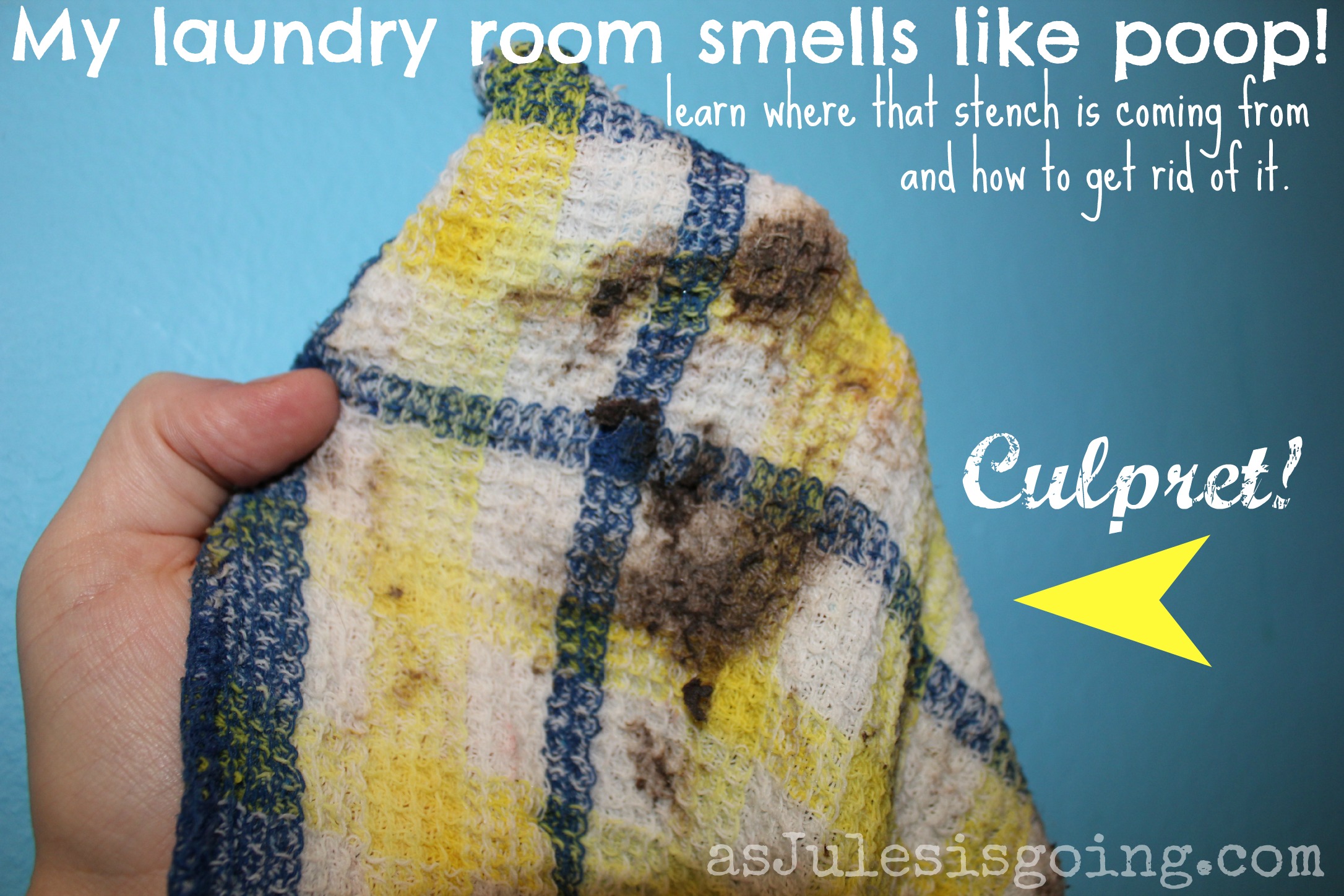
Credit: asjulesisgoing.com
Common Causes Of Foul Laundry Room Odors
Foul smells in your laundry room can be frustrating. These odors often come from hidden problems that need quick attention. Knowing the common causes helps you fix the issue faster. Many factors can make your laundry room smell like poop. The following sections explain the most frequent reasons behind these bad odors.
Sewer Gas Backflow
Sewer gas can enter your laundry room if the drain traps dry out. These traps block gases from the sewer line. When dry, foul odors escape through the pipes. A strong rotten egg or poop smell often means sewer gas backflow. Pouring water into drains can refill traps and stop the smell.
Clogged Or Dirty Drains
Drains that are clogged or dirty trap grime and bacteria. This buildup causes bad smells to rise up. Hair, lint, and soap scum often block the pipes. Stagnant water in clogged drains creates a foul odor. Regular cleaning helps keep drains clear and smelling fresh.
Mold And Mildew Growth
Warm, damp laundry rooms are perfect for mold growth. Mold and mildew produce a musty, unpleasant odor. They grow on walls, floors, and inside machines. Poor ventilation makes the problem worse. Cleaning and drying the area stops mold from spreading.
Washer Drum And Gasket Issues
Front-load washers have rubber gaskets that trap water and dirt. This moist area is ideal for bacteria and mildew. The drum itself can hold leftover water and grime. These cause a smelly, poop-like odor in your laundry room. Wiping the gasket and drum regularly removes the smell.
Dirty Washing Machine Filters
Washing machines have filters that catch lint and debris. Over time, these filters fill with dirt and bacteria. This buildup creates a bad smell during wash cycles. Cleaning the filters regularly keeps the machine fresh and odor-free.
Credit: www.reddit.com
Detecting The Source Of The Smell
Finding a bad smell like poop in your laundry room is frustrating. The first step is to detect where the smell comes from. This helps fix the problem fast. You need to check common spots where odors hide. Some parts may look clean but can trap bad smells. Focus on drains, the washing machine, and airflow. These areas often cause foul odors.
Checking The Drain And Pipes
Drain and pipes can hold leftover dirt and grime. This buildup causes bad smells that spread to your laundry room. Look under the sink and near the washing machine drain. Check for slow water flow or clogs. Use a flashlight to see inside the pipes. Clean any debris found. Pour a mix of baking soda and vinegar down the drain to clear smells. Run hot water afterward to flush out residue.
Inspecting The Washing Machine
The washing machine itself can trap odors. Dirt and soap scum collect in seals and dispensers. Open the door and check the rubber gasket for mold. Wipe it clean with a mild bleach solution. Remove and clean the detergent drawer. Run a cleaning cycle with washing machine cleaner or white vinegar. Leaving the door open after use helps dry the inside and prevent smells.
Examining Ventilation And Airflow
Poor ventilation lets bad smells stay in the laundry room. Check if vents or fans work properly. Clean lint traps and vents regularly. Open windows to improve airflow when possible. Use a small fan to move air if the room feels stuffy. Good airflow reduces moisture and odors. It also stops mold and mildew from growing.
Cleaning And Maintenance Tips
Bad smells in your laundry room often come from hidden dirt and buildup. Cleaning and maintaining your washing machine and drains can stop these odors. A few simple steps make a big difference. Follow these tips to keep your laundry room fresh and clean.
Deep Cleaning The Washing Machine
Start by running an empty cycle with hot water and vinegar. This kills germs and removes grime inside the machine. Clean the rubber door seal carefully. Wipe away any dirt or trapped water. This area often holds mold and bad smells. Leave the door open after use to air dry and prevent odors.
Clearing And Sanitizing Drains
Drains can trap lint, dirt, and soap residue. These cause foul smells over time. Use a drain cleaner or a mix of baking soda and vinegar. Pour it down the drain and flush with hot water. Clear any blockages to keep water flowing freely. Clean drains reduce bad odors in your laundry room.
Removing Mold And Mildew
Mold grows in damp spots like behind machines and under sinks. Use a mix of bleach and water to scrub these areas. Always wear gloves and open windows for fresh air. Remove all visible mold to stop the musty smell. Keep the room dry to prevent mold from coming back.
Regular Filter Replacement
Check your washing machine’s lint filter regularly. Clean it after every load to avoid buildup. Replace the filter as the manual suggests. A clean filter improves machine efficiency and reduces odors. Regular maintenance keeps your laundry room smelling clean and fresh.
Preventing Future Odors
Preventing bad smells in your laundry room is important. It keeps your space fresh and clean. Stopping odors early saves time and effort later. Simple steps can make a big difference. Focus on key areas like venting, cleaning, and moisture control. These help keep nasty smells away for good.
Proper Venting And Drain Installation
Good venting moves air and moisture out of the laundry room. It stops dampness that causes bad smells. Make sure vents are clear and working well. Drain pipes must be installed correctly. Poor drains let sewer gases enter your laundry space. Check for leaks or clogs that can trap odors.
Routine Washer Maintenance
Clean your washing machine regularly to avoid odor buildup. Run a cleaning cycle once a month. Use hot water and vinegar or a machine cleaner. Wipe seals and gaskets to remove trapped dirt. Leave the washer door open after use. This helps the inside dry and stops mold growth.
Using The Right Detergents And Cleaners
Choose detergents designed for your washer type. Avoid using too much detergent, which causes residue. Use cleaners that fight mold and bacteria. Avoid harsh chemicals that can damage your machine. Proper cleaning products keep your laundry fresh and your washer healthy.
Keeping The Laundry Room Dry And Well-ventilated
Dry air reduces mold and mildew growth. Use a fan or open windows to improve airflow. Fix leaks in pipes or faucets quickly. Mop up water spills right away. A dry laundry room stays fresh and free from bad smells.
When To Call A Professional
Sometimes, the smell in your laundry room will not go away. You may try cleaning and airing out the space, but the odor returns. At this point, it is time to call a professional. Experts can find the root cause and fix it safely. They have tools and knowledge that most homeowners do not. Here are some signs that show you need help from a professional.
Persistent Sewer Gas Issues
Sewer gas smells often come from broken or dry traps. If the smell stays after you check drains and traps, a plumber can help. They can test the pipes and vents. Professionals fix leaks or replace parts that cause sewer gas to enter your laundry room. This keeps your home safe and odor-free.
Plumbing Repairs And Upgrades
Old or damaged plumbing can cause strange smells. Pipes may crack or clog over time. A plumber can inspect your system for damage. They can repair or upgrade pipes to stop odors. Proper plumbing stops smells from sewer gases and backups.
Mold Remediation Services
Mold often grows where water leaks or humidity is high. Mold can smell bad and harm your health. Professionals can find hidden mold in walls or under floors. They clean and remove mold safely. Mold remediation stops the smell and protects your laundry room.

Credit: www.reddit.com
Frequently Asked Questions
Why Does My Laundry Room Smell Like Poop?
A poop smell in the laundry room usually comes from bacteria or mold growth. It often happens because of dirty water or clogged drains. Regular cleaning and drying can help stop the smell.
Can Clogged Drains Cause A Poop Smell In Laundry Rooms?
Yes, clogged drains trap dirty water, creating a bad odor. Bacteria grow in the standing water, causing the poop smell. Clearing drains regularly helps prevent this problem.
How Can Mold Cause A Poop Smell In Laundry Rooms?
Mold grows in damp places like washers or walls and smells bad. It can create a smell similar to poop or mildew. Keeping the area dry and clean stops mold growth.
Does Leaving Wet Clothes In Washer Cause Poop Smell?
Wet clothes left too long can develop a bad smell. Bacteria multiply on damp fabric, causing the poop-like odor. Always dry clothes promptly to avoid this issue.
Can Sewer Gas Enter My Laundry Room Causing Poop Smell?
Sewer gas can leak into the laundry room through faulty pipes or vents. It smells like rotten eggs or poop and is harmful to breathe. Fixing plumbing leaks stops sewer gas smells.
How Do I Remove Poop Smell From My Laundry Room?
Clean the washer, drains, and floors with disinfectant regularly. Use vinegar or baking soda to neutralize odors naturally. Ensure good ventilation to keep the room fresh.
When Should I Call A Professional For Laundry Room Smells?
Call a plumber if bad smells persist after cleaning and drain clearing. Persistent odors may mean pipe problems or sewer leaks. Experts can find and fix hidden issues safely.
Conclusion
A bad smell in your laundry room can be frustrating. It often comes from hidden dirt, mold, or clogged drains. Cleaning your washing machine and checking pipes helps a lot. Keeping the area dry stops smells from coming back. Regular care makes your laundry room fresh and pleasant.
Small steps bring big changes. No one wants a stinky space. Take action today to enjoy a clean, fresh laundry room.