
Are you working on a welding project and unsure whether to use a single bevel or double bevel joint? Choosing the right joint can make a big difference in the strength and durability of your work.
But how do you know which one fits your needs best? You’ll discover the key differences between single bevel and double bevel joints, when to use each, and how making the right choice can save you time and money. Keep reading to master this essential skill and take your welding projects to the next level.
Single Bevel Joint Basics
The single bevel joint is a common welding technique. It is simple but effective. This joint uses one angled edge to join two metal pieces. Understanding its basics helps in choosing the right welding method.
Single bevel joints work well in many metalworking projects. They provide strength where needed and save material in some cases. Learning about its design, uses, and pros and cons is important for welders and fabricators.
Design And Structure
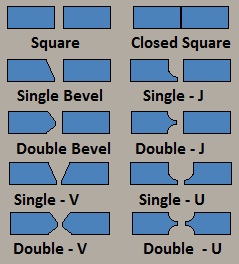
A single bevel joint has one piece cut at an angle. The other piece remains flat. The angled piece forms a groove where the weld fills. This groove allows the weld to penetrate deeply. It helps create a solid and strong bond between the metals.
The angle of the bevel usually ranges from 30 to 45 degrees. The groove width depends on the metal thickness. This design keeps the joint simple and easy to prepare. It also reduces the time needed for welding.
Common Applications
Single bevel joints are often used in thick metal plates. They work well in structural steel fabrication. This joint is common in bridges, buildings, and heavy machinery. It is also used in shipbuilding and pipelines.
This joint suits situations where access is limited to one side. It can join metals that need deep weld penetration. Single bevel joints are good for repair work on existing structures too.
Advantages And Limitations
Single bevel joints save time and reduce welding material. They are easier to prepare than double bevel joints. The joint provides strong welds when done correctly. It allows good access for welding tools.
However, single bevel joints may not be as strong as double bevel joints. They can cause more distortion due to uneven heat. The joint may require more filler material for thicker metals. It is less suitable for very thick or high-stress parts.

Credit: primeweld.com
Double Bevel Joint Essentials
A double bevel joint is a strong and precise way to join two pieces of material. It uses angled cuts on both sides of each piece. This allows the pieces to fit together tightly. The joint creates a clean and smooth surface that is easy to finish.
Understanding the design, uses, and pros and cons helps choose the right joint. Here are the key points about double bevel joints.
Design And Structure
The double bevel joint has two angled cuts on each piece. These cuts form a symmetrical shape. Both edges of the joint are beveled at the same angle. This design increases the glue surface area. It also helps align the pieces perfectly. The joint is usually cut with a saw or router.
Typical Uses
Double bevel joints are common in woodworking and metalworking. They work well for frames, boxes, and furniture parts. This joint is ideal when strength and neatness matter. It fits well in projects where the joint is visible. It also supports heavy loads and stress.
Benefits And Drawbacks
Benefits include strong glue bonds and tight fitting parts. The joint looks clean and professional after finishing. It reduces gaps and misalignment. Drawbacks include the need for precise cutting tools. It may take more time to make than simpler joints. Mistakes in angle cuts can weaken the joint. Overall, it balances strength and appearance well.
Comparing Single And Double Bevel Joints
Comparing single and double bevel joints helps choose the right fit for projects. Both have unique strengths and weaknesses. Understanding these can save time and resources.
Single bevel joints have one angled edge, while double bevel joints have two. This difference affects many factors such as strength, cost, and ease of fabrication.
Strength And Durability
Single bevel joints offer good strength for many applications. They provide a solid connection but may have lower resistance to stress on one side.
Double bevel joints distribute stress more evenly. This makes them stronger and more durable under heavy loads or tension.
Choosing between them depends on the load type and how the joint will be used. Double bevels suit high-stress environments better.
Cost And Material Efficiency
Single bevel joints require less material preparation. This reduces waste and lowers overall costs.
Double bevel joints need more precise cutting and extra material. This increases both time and expense.
For budget-conscious projects, single bevels often work best. Double bevels may be worth the cost if strength is critical.
Ease Of Fabrication
Single bevel joints are simpler to cut and weld. They suit quick fabrication and less skilled workers.
Double bevel joints need more skill and careful alignment. Fabrication takes longer and requires better tools.
Use single bevel joints for faster projects and double bevel joints for detailed, strong welds.
Choosing The Right Bevel Joint
Choosing the right bevel joint is important for a strong and lasting connection. Different projects need different types of joints. Knowing when to use a single bevel or double bevel joint helps you get the best results. This depends on several factors like the type of project, the materials used, and how much load the joint must hold.
Understanding these factors makes your work easier and improves safety. Let’s break down what to consider when selecting between single and double bevel joints.
Project Requirements
Every project has unique needs. Single bevel joints work well for simple tasks with less stress. They are easier to make and require less preparation. Double bevel joints suit complex projects that need stronger connections. They provide more surface area for welding or bonding. Choose the joint that fits the design and function of your project.
Material Considerations
Different materials behave differently with bevel joints. Thin materials often need single bevel joints to avoid burning through. Thick materials benefit from double bevel joints for better strength. Some metals expand or contract more when heated. This affects the choice of joint. Match the bevel joint to the material’s thickness and properties for best results.
Load And Stress Factors
Think about the forces on the joint. Single bevel joints handle light to moderate loads. They are fine for less critical areas. Double bevel joints are best for heavy loads or high stress. They distribute forces evenly and reduce the chance of failure. Consider the direction and amount of stress before deciding on the bevel type.
Common Mistakes To Avoid
Choosing the right bevel joint is key for strong welds. Mistakes can lead to weak joints or wasted materials. Avoiding common errors helps ensure safe and long-lasting results. Here are some common mistakes to watch for.
Incorrect Joint Selection
Selecting the wrong bevel joint can cause poor fit and weak welds. Single bevel joints suit thinner materials or simpler welds. Double bevel joints work better for thick metals needing more strength. Using a single bevel on thick metal may cause cracks or failures.
Match the joint type to the metal thickness and weld strength needed. Check the project requirements carefully before choosing the joint type.
Poor Welding Techniques
Bad welding methods can ruin even the best joints. Uneven heat or wrong speed causes weak spots. Poor bead placement can leave gaps or burn through the metal. Always use steady, controlled welding to avoid defects.
Practice proper welding angles and speed for each bevel type. Follow safety rules and use the right tools to improve quality.
Ignoring Material Properties
Different metals behave differently during welding. Some metals need special bevel angles to avoid warping or cracking. Not considering this can cause joint failure or damage. Know the metal’s hardness, thickness, and heat tolerance before welding.
Adjust bevel type and welding settings based on the metal properties. This reduces risks and improves weld strength.
Credit: www.weldinghelp.org
Tips For Successful Bevel Joint Welding
Successful bevel joint welding requires careful attention to detail. Each step impacts the strength and durability of the weld. The right approach ensures a clean, strong bond between metal parts. Follow these tips to improve your bevel joint welding results.
Preparation And Fit-up
Clean the metal surfaces before welding. Remove rust, oil, and dirt. Proper fit-up is critical. Align the pieces precisely to avoid gaps. Use clamps or fixtures to hold parts firmly. Check the bevel angle matches the welding plan. Good preparation reduces defects and saves time.
Welding Parameters
Set the correct welding current and voltage. Use the right electrode or filler material for the metal type. Control the travel speed to avoid undercut or burn-through. Maintain a steady hand and consistent motion. Adjust settings based on joint thickness and position. Proper parameters ensure deep penetration and strong welds.
Inspection And Quality Control
Inspect the weld visually for cracks or porosity. Use non-destructive testing if required. Check for proper bead shape and size. Look for uniform fusion between parts. Fix defects immediately to avoid failures later. Consistent quality control guarantees a reliable joint.

Credit: openwa.pressbooks.pub
Frequently Asked Questions
What Is A Single Bevel Joint Used For?
A single bevel joint is best for welding thin materials. It helps control heat and reduces warping. It is easier to prepare and weld.
When Should I Choose A Double Bevel Joint?
Double bevel joints work well for thick materials. They provide strong welds on both sides. This joint improves strength and durability.
How Do Single And Double Bevel Joints Differ?
A single bevel has one angled edge; a double bevel has two. This affects weld penetration and strength. Double bevels need more preparation but give stronger joints.
Which Joint Is Better For Heavy Loads?
Double bevel joints handle heavy loads better. They distribute stress evenly across the weld. Single bevels are not as strong for heavy use.
Can Single Bevel Joints Reduce Welding Time?
Yes, single bevel joints usually take less time. They need less edge preparation and fewer weld passes. This makes the welding process quicker.
Are Double Bevel Joints More Expensive To Make?
Double bevel joints cost more due to extra preparation. They require skilled welders and more welding material. The cost is higher but gives better results.
Is One Joint Type Safer Than The Other?
Double bevel joints are safer for critical structures. They offer stronger welds and less risk of failure. Single bevel joints suit less demanding applications.
Conclusion
Choosing between single bevel and double bevel joints depends on your project needs. Single bevel joints suit thinner materials and simpler tasks. Double bevel joints work best for thicker metals and stronger connections. Consider factors like weld strength, cost, and welding skill.
Understanding these differences helps you pick the right joint. This choice improves weld quality and saves time. Keep your project safe and efficient by selecting wisely.