
Is your swimming pool pump acting up? When your pump isn’t working right, it can ruin your whole pool experience.
You might notice strange noises, low water flow, or your pump not turning on at all. Don’t let these problems keep you from enjoying your pool. You’ll discover simple and effective ways to troubleshoot your swimming pool pump. By understanding common issues and easy fixes, you’ll save time, money, and frustration.
Keep reading to get your pump back in top shape and your pool sparkling clean!
Common Pool Pump Issues
Swimming pool pumps are essential for clean and clear water. Problems with pumps can stop water flow and cause damage. Knowing common issues helps you fix small problems early. It also saves money on repairs and keeps your pool safe and healthy.
This section covers frequent pool pump problems. Each one has simple signs and fixes you can try at home.
Pump Not Starting
The pump may not start due to power issues. Check if the pump is plugged in and the circuit breaker is on. Sometimes, a faulty switch or wiring causes no power. A burned-out motor or capacitor can also stop the pump from running.
Low Water Pressure
Low water pressure means weak water flow in your pool. It can happen if the pump basket is clogged with leaves or debris. Dirty or blocked filters reduce pressure too. Air leaks in the suction line can lower pressure as well.
Noisy Pump Operation
Unusual noises from the pump are a warning sign. Rattling or grinding sounds may mean worn bearings. A loose motor or impeller can cause vibration and noise. Debris stuck in the pump housing also leads to loud operation.
Pump Losing Prime
Losing prime means the pump stops pulling water. Air in the pump or suction line often causes this. Leaks around the pump lid or seals let air in. Low water level in the pool can also make the pump lose prime.
Overheating Problems
Overheating can damage the pump motor quickly. Blocked ventilation or dirty motor parts cause heat build-up. Running the pump dry or too long without breaks also leads to overheating. Proper cooling and cleaning prevent this issue.
Quick Fixes For Pump Problems
Swimming pool pumps can face common problems that stop them from working well. Quick fixes help save time and money. These simple steps often solve the issue without needing a professional. Check the basics first. Small problems can cause big headaches.
Checking Power Supply
Make sure the pump is plugged in properly. Check the circuit breaker or fuse box for tripped switches. A loose wire or faulty outlet can stop the pump from running. Use a voltage tester to confirm power reaches the pump. Power issues are often the easiest to fix.
Clearing Blockages
Debris can block the pump or filter. Leaves, dirt, or small objects can reduce water flow. Turn off the pump and remove the debris carefully. Clean the skimmer baskets and pump strainer. Clear pipes and valves to restore proper circulation.
Adjusting Water Levels
Water must reach the pump’s intake to avoid damage. Check the pool water level regularly. Low water can cause the pump to run dry and overheat. Add water to the correct level, usually halfway up the skimmer opening. Keep levels steady for smooth pump operation.
Replacing Worn Seals
Seals prevent water leaks in the pump housing. Over time, seals wear out and crack. Leaking water reduces pump efficiency and can cause damage. Inspect seals for signs of wear or leaks. Replace damaged seals with new ones from a pool supply store.
Lubricating Moving Parts
Moving parts in the pump need lubrication to avoid friction and wear. Use a silicone-based lubricant safe for pool equipment. Apply it to bearings and motor shafts. Regular lubrication helps the pump run quietly and last longer. Avoid oil-based lubricants that can damage seals.
Maintaining Your Pool Pump
Maintaining your pool pump is key to keeping your pool clean and safe. A well-maintained pump runs efficiently and lasts longer. Simple care steps prevent costly repairs and downtime. Regular checks and cleaning improve water circulation and filter performance. This helps keep your pool sparkling and ready for swimming.
Regular Cleaning Tips
Clean the pump basket weekly. Remove leaves, dirt, and debris. Clear the pump housing to stop clogs. Rinse the filter and skimmer baskets often. Use a soft brush to clean around seals. Keep the pump area free of dust and dirt. Check for cracks or damage during cleaning.
Seasonal Maintenance Tasks
Before winter, drain the pump to avoid freezing damage. Store the pump in a dry, safe place if you close your pool. In spring, inspect all parts for wear or damage. Replace worn seals or gaskets. Lubricate O-rings with a silicone-based lubricant. Test the pump motor before restarting the pool system.
Monitoring Pump Performance
Listen for unusual noises like grinding or rattling. Check the water flow; it should be steady and strong. Watch the pressure gauge for sudden changes. Monitor the pump’s running time to avoid overheating. Look for leaks around the pump and plumbing. Record performance data to spot problems early.
Preventing Rust And Corrosion
Keep metal parts dry and clean after use. Apply a rust-resistant spray to metal surfaces. Check for signs of rust regularly. Replace rusty bolts or screws immediately. Use stainless steel or coated hardware when possible. Store the pump away from moisture during off-season. Proper care stops corrosion and extends pump life.
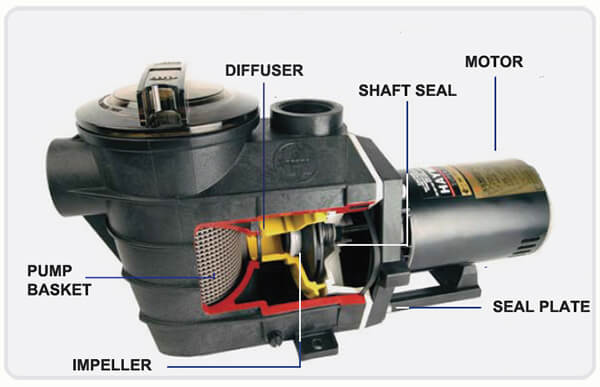
Credit: intheswim.com
When To Call A Professional
Knowing when to call a professional for swimming pool pump issues is important. Some problems need expert skills to fix safely. Trying to repair complex issues alone can cause more damage or risk injury. Hiring a professional saves time and ensures the pump works properly.
Complex Electrical Issues
Electrical problems in pool pumps can be dangerous. Faulty wiring or circuit breaker issues need a trained electrician. Professionals can find hidden electrical faults quickly. They follow safety rules to avoid shocks or fires. Avoid handling electrical parts without proper knowledge.
Motor Replacement
Replacing a pool pump motor is not simple. It requires skill to remove and install the motor correctly. A professional can check if the motor matches the pump model. They ensure the motor runs smoothly after installation. Incorrect replacement can cause pump failure or damage.
Persistent Leaks
Leaks that don’t stop need expert inspection. Professionals can find leaks hidden in pipes or seals. They use special tools to fix leaks thoroughly. Ignoring leaks can cause water loss and damage to the pool area. Timely repair protects your pool and reduces costs.
Unusual Pump Noises
Strange noises from the pump may signal serious problems. Grinding, rattling, or squealing sounds should be checked by a professional. These noises could mean worn bearings or motor issues. A technician can diagnose the cause and fix it properly. Early action prevents bigger pump damage.
Choosing The Right Replacement Parts
Choosing the right replacement parts is key for fixing your swimming pool pump. The wrong parts can cause more problems and cost extra money. Each part plays a special role in the pump’s function. Understanding these parts helps you pick the best replacements. This saves time and keeps your pump running smoothly.
Pump Motors
The motor powers the pump and moves water through the system. Choosing the correct motor means matching the horsepower and voltage. Using a motor not made for your pump can cause damage or poor performance. Check the motor’s label for model number and specs before buying.
Impellers
The impeller pushes water inside the pump. It must fit perfectly to keep water flowing well. A wrong impeller size can lower water pressure or cause noise. Look for the impeller that matches your pump’s make and model. Choose durable materials for longer life.
Seals And Gaskets
Seals and gaskets stop water leaks in the pump. Using old or wrong seals leads to leaks and pump failure. Replace seals with ones made for your pump model. Check for cracks or wear before installation. Proper seals keep your pump safe and dry.
Electrical Components
Electrical parts include wires, capacitors, and switches. These parts control power flow to the motor. Faulty electrical components can stop your pump from working. Use parts that match the original specs exactly. Inspect wiring for damage and replace if needed.

Credit: mrpoolman.com.au
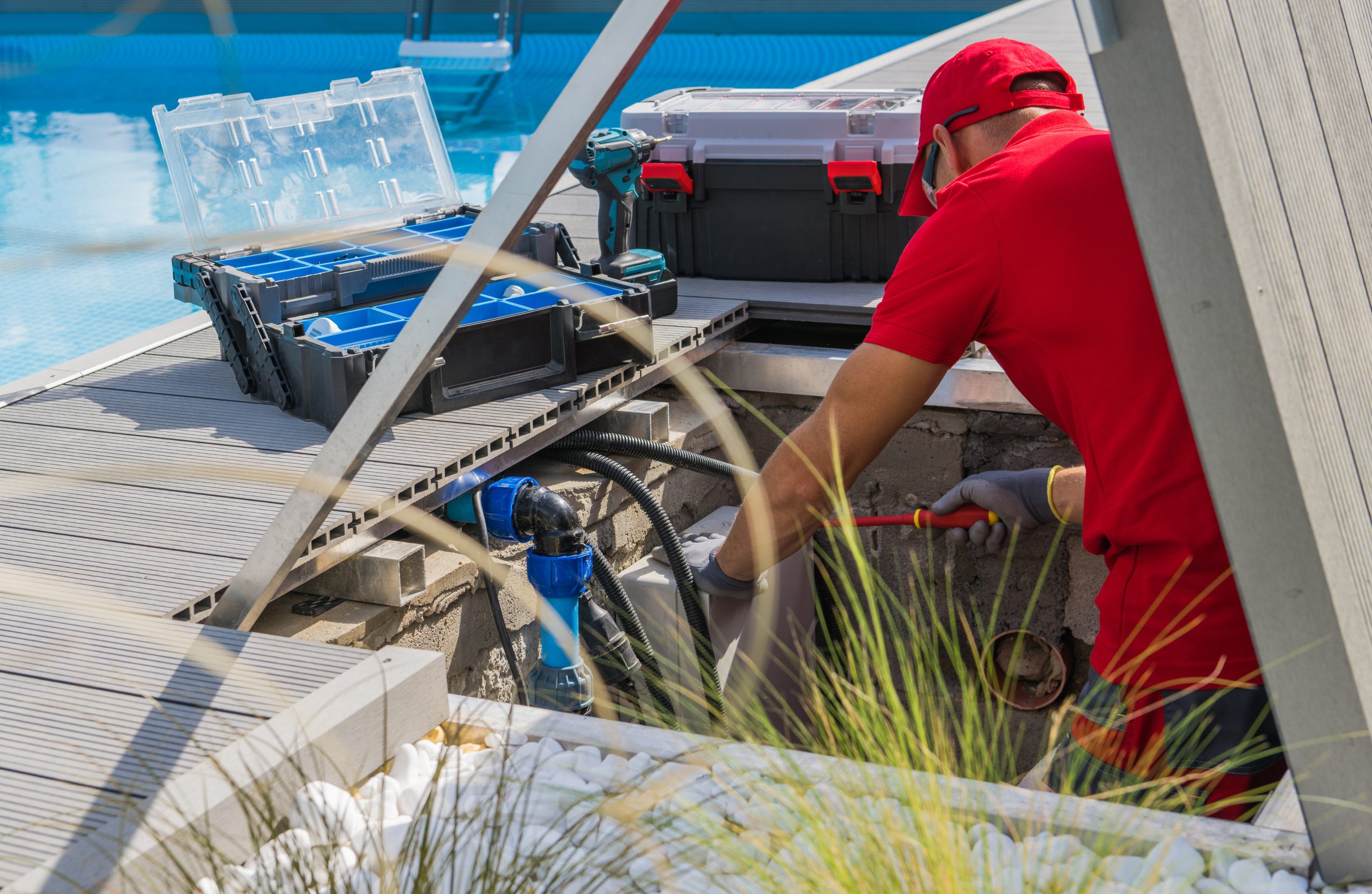
Credit: pooloperationmanagement.com
Frequently Asked Questions
Why Is My Swimming Pool Pump Not Turning On?
Check if the pump is plugged in and the circuit breaker is on. A tripped breaker or blown fuse can stop power. Also, inspect the pump switch and wiring for damage.
What Causes Low Water Flow In Pool Pumps?
Clogged filters, dirty impellers, or closed valves often reduce water flow. Air leaks in the suction line can also lower flow. Cleaning and checking parts helps restore proper water movement.
How Do I Fix A Noisy Swimming Pool Pump?
Noise often comes from loose parts or worn bearings. Tighten screws and bolts, and check the motor for damage. Lubricating bearings or replacing faulty parts can reduce noise.
Why Is My Pool Pump Overheating?
Overheating can result from blocked airflow or running the pump too long. Dirty filters and clogged impellers make the motor work harder. Clean and check these parts to prevent overheating.
What Does Air In The Pool Pump Mean?
Air in the pump usually signals a suction leak or low water level. Check pump lid o-ring and plumbing connections for gaps. Ensuring proper water level avoids air getting trapped.
How Often Should I Clean The Pool Pump Basket?
Clean the pump basket every 1 to 2 weeks to avoid clogging. A dirty basket reduces water flow and strains the pump. Regular cleaning keeps your pump running smoothly.
Why Is My Pool Pump Leaking Water?
Leaks may come from worn seals, gaskets, or cracks in the pump housing. Inspect these parts and replace any that are damaged. Tightening connections can also stop leaks.
Can A Dirty Filter Cause Pump Problems?
Yes, a dirty filter blocks water flow and strains the pump motor. This can cause overheating and poor circulation. Regular filter cleaning or replacement is key to pump health.
Conclusion
Troubleshooting your swimming pool pump can save time and money. Start with simple checks like power supply and filter condition. Clean or replace parts as needed for better performance. Regular maintenance keeps your pump working well longer. Don’t ignore unusual noises or leaks.
Small problems often lead to bigger issues later. Taking action early makes pool care easier. Keep your pool pump running smoothly for a clean, safe swim. Simple steps make a big difference in pool pump health.