
Choosing the right insulation depends on your specific goal, such as stopping heat, blocking noise, or fitting into tight spaces. While some options focus on thermal reflection, others prioritize material safety or high-temperature resistance. These picks represent the best of their respective categories based on their physical properties and intended applications.
Best overall: 3M Thinsulate SM600L offers exceptional moisture resistance and is specifically engineered for vehicle walls. Best for heat reflection: SmartSHIELD R17 Roll provides a high-performance radiant barrier that reflects 95% of radiant energy. Best for high heat: Deouss Ceramic Fiber withstands extreme temperatures, making it the choice for stoves and furnaces.
This guide is for anyone looking to improve thermal efficiency or sound dampening in homes, vehicles, or specialized equipment.
As an Amazon Associate, we earn from qualifying purchases. This post contains affiliate links – if you buy through them, we may earn a commission at no extra cost to you.
How We Picked
Each selection had to state its core material, physical dimensions, and primary application to ensure the information is useful for DIY projects. Products were excluded if they lacked essential performance details or if their intended use was too vague to provide a helpful recommendation.
Comparison Table
1. 3M Thinsulate SM600L Automotive Camper Van Insulation 60 Inch x
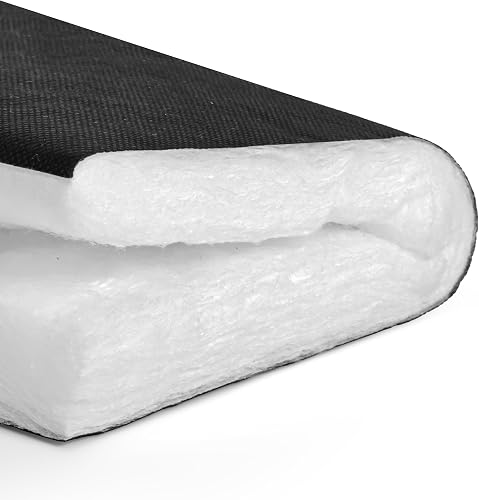
Best for: Automotive and camper van wall insulation.
This insulation is designed for vehicles, featuring a construction of polyester and polypropylene fibers. Because it’s moisture-resistant, you don’t need to install extra waterproof layers, which simplifies the assembly process in tight van interiors.
It’s easy to cut and bond to various surfaces, including door panels and headliners. However, this product isn’t intended for high-heat applications like wood stoves or furnace linings.
Pros
- Exceptional moisture resistance
- Lightweight and flexible
- Engineered for vehicle use
Cons
- Not for high-heat exposure
2. Reflectix BP24025 24-Inch by 25-Feet Bubble Pack Insulation

Best for: Crawl spaces and attic insulation.
This insulation uses a seven-layer design, including two outer layers of aluminum foil to reflect heat. The inner bubble layers help resist heat flow, providing a lightweight barrier for structures like metal buildings or post-frame homes.
The material is fiber-free, which makes it a common choice for those wanting to avoid traditional fiberglass.
Pros
- Reflects most radiant heat
- Fiber-free construction
- Lightweight for easy handling
Cons
- Requires space for reflection
3. SmartSHIELD -5mm 16”X50ft R17 Reflective Insulation Roll

Best for: Projects requiring a high thermal rating.
This roll acts as a radiant barrier, reflecting 95% of radiant energy. It’s designed to be tear and puncture-proof while remaining simple to cut with standard utility scissors for custom fits.
The proprietary clear coating provides corrosion resistance, making it suitable for industrial or commercial-grade applications. This product isn’t for those looking for soft, cushion-like padding, as it’s a foam-core radiant barrier.
Pros
- High R17 thermal rating
- Effective vapor barrier
- Tear and puncture proof
Cons
- Firm foam structure
4. VEVOR Double Reflective Insulation Roll

Best for: Large coverage areas like RV roofs.
The 3-in-1 design combines a radiant barrier, insulation, and vapor control in one roll. It uses high-density aluminum foil to reflect solar heat, which helps maintain indoor temperatures regardless of the season.
It’s foldable and easy to store when not in use, making it practical for temporary window covers or garage doors.
Pros
- Reflects over 95% heat
- Versatile 3-in-1 design
- Easy to cut and fold
Cons
- Limited structural strength
5. Frost King CF1 “No Itch” Natural Cotton Multi-Purpose Insulation

Best for: Homeowners wanting a natural fiber alternative.
This insulation is made from natural cotton, which allows for handling without the need for gloves, masks, or goggles. It serves multiple purposes, including cushioning and noise dampening for pipes and ducts.
It’s simple to rip or cut to the exact size needed for your project. the listing doesn’t mention moisture resistance
Pros
- Safe natural fiber
- No protective gear needed
- Multi-purpose utility
Cons
- Not for high heat
6. Frost King SP1 Multi-Purpose Fiberglass Insulation Roll
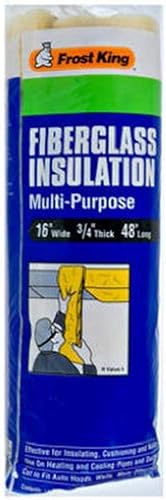
Best for: Heating and cooling duct insulation.
This fiberglass utility roll is designed to be cut to size for specific applications like car hoods, pipes, or heating ducts. It’s fire retardant and heat absorbent, which helps in managing temperatures around equipment.
The material is easy to manage for small-scale DIY tasks. It isn’t intended for use in living spaces where loose fibers could become a concern if not properly encased.
Pros
- Fire retardant material
- Heat absorbent properties
- Handy utility dimensions
Cons
- Requires careful handling
7. Deouss Ceramic Fiber Insulation Blanket
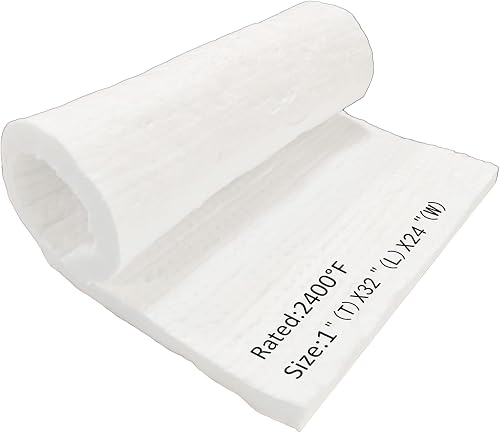
Best for: High-temperature furnace or forge insulation.
This ceramic blanket is built to withstand direct flames and constant temperatures up to 2600°F. It’s ideal for lining wood stoves, boilers, and pizza ovens where standard foam or cotton would fail.
The manufacturer recommends wearing gloves and a mask during installation to prevent irritation. the listing doesn’t mention soundproofing capabilities
Pros
- Withstands extreme temperatures
- Ideal for furnaces
- Easily cut to shape
Cons
- Requires protective gear
8. KILMAT 80 mil 36 sqft Car Sound Deadening Mat

Best for: Reducing automotive road noise.
This 80 mil butyl and foil mat is designed specifically to stop vibrations and dampen sound in vehicles. It features an embossing on the foil that acts as a visual indicator to show when the material has been applied correctly.
The adhesive backing makes it very sticky and simple to install for DIY car audio projects. This product is strictly for sound deadening and won’t provide the high thermal R-value found in dedicated radiant barriers.
Pros
- Effective sound dampening
- Visual installation indicator
- Easy-to-install adhesive
Cons
- Low thermal performance
How to Choose in Sixty Seconds
Which insulation material is safest to handle?
Natural fiber options like Frost King Cotton are generally considered the safest for DIYers because they don’t require gloves, face masks, or goggles. Other materials, particularly fiberglass or ceramic blankets, often require protective equipment because their fibers can cause skin, eye, or throat irritation during installation.
How do I know if I need a radiant barrier?
You should look for a radiant barrier, such as SmartSHIELD R17 Roll, if your primary goal is to reflect heat away from a space in summer or keep heat inside during winter. The U.S. Department of Energy explains that these barriers are most effective in hot climates where solar gain is the main heat source.
Does thickness always mean better insulation?
Not necessarily. While some products like KILMAT use thickness to increase performance, the R-value is the more accurate measure of thermal resistance. Always check the R-value provided by the manufacturer rather than relying solely on the thickness of the material to judge how well it will insulate your specific project.
Closing
For most automotive and van projects, the 3M Thinsulate SM600L is the standout choice for its balance of moisture resistance and ease of use. If you’re working on a furnace or forge, the Deouss Ceramic Fiber is the essential pick. Check your project’s temperature requirements before ordering to ensure you choose the right material.
Related guides
- How to Neutralize Perfume Odor in Office Spaces Effectively
- 5 Best Outdoor Sofas for Large Patios to Upgrade Your Space in 2026
- 5 Best Paint Colors With Calacatta Marble for Elegant Spaces in 2026
Frequently Asked Questions
What maintenance does insulation require after installation?
Most of these products are designed to be “install and forget,” but environmental conditions matter. SmartSHIELD R17 Roll is unaffected by humidity. Always keep the manufacturer’s installation guidelines handy to ensure long-term performance.
What is the most common reason for insulation failure?
The most common issue is incorrect installation, such as leaving air gaps or failing to seal seams, which allows heat flow or moisture to bypass the material. For KILMAT, the listing notes that you must roll the foil until it’s plain smooth to ensure the soundproofing is set correctly and professionally.
Can I use ceramic fiber for soundproofing?
While Deouss Ceramic Fiber is designed for high-temperature heat protection, it isn’t optimized for sound dampening. If your main goal is reducing noise in a vehicle or home theater, products like KILMAT are specifically formulated with butyl and foil to absorb vibrations and block sound more effectively than ceramic materials.
Final Thoughts
When you’re ready to start your project, take a moment to measure your wall cavities or attic gaps carefully. Getting the right fit makes a huge difference in how well your home stays cozy throughout the year. You’ll find that a little extra planning now really pays off in the long run.