
Is your shower leaking behind the wall and causing mold? This is a problem you don’t want to ignore.
Hidden leaks can lead to serious damage, costly repairs, and health risks from mold growth. You might not see the leak right away, but the signs are there if you know where to look. You’ll learn how to spot the problem early, why it happens, and what you can do to fix it before it gets worse.
Keep reading to protect your home and your health.
Signs Of A Leak Behind Shower Wall
Leaks behind shower walls often go unnoticed at first. They hide behind tiles and drywall. Early signs help catch problems before damage spreads. Watch for subtle changes in your bathroom’s appearance and smell. These clues hint at hidden water damage and mold growth.
Water Stains And Discoloration
Look for yellow or brown stains on walls near the shower. These spots show water has seeped behind the surface. The paint or tiles may look darker or blotchy. Water stains often spread slowly and grow larger over time. Spotting them early saves costly repairs later.
Mold And Mildew Growth
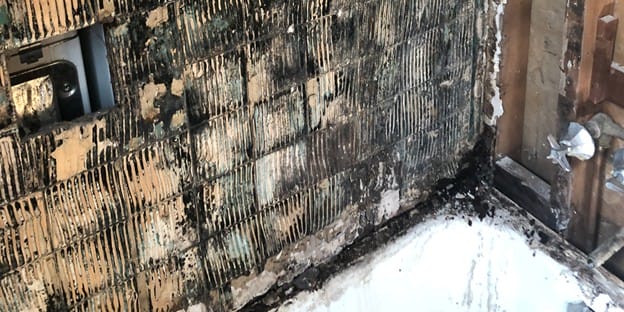
Mold appears as black, green, or white spots on walls or grout. It thrives in damp places with poor ventilation. Mold behind the shower wall can cause health problems. You might see mold patches grow or spread. Mold signals a persistent moisture problem needing immediate attention.
Musty Odors
A damp, musty smell in the bathroom hints at hidden water damage. This odor comes from mold and mildew growing behind the wall. The smell may get worse after showers or on humid days. Musty odors often mean water has been leaking for some time.
Peeling Paint Or Wallpaper
Paint or wallpaper near the shower may start to bubble, peel, or crack. Moisture trapped behind walls causes this damage. You might notice the surface feels soft or crumbly. Peeling finishes often mean water is leaking inside the wall cavity.
Credit: www.reddit.com
Common Causes Of Shower Wall Leaks
Shower leaks behind the wall can cause serious damage. Identifying the cause helps fix the problem fast. Many factors may lead to water seeping behind shower walls. Knowing these common causes saves time and money.
Damaged Waterproof Membrane
The waterproof membrane stops water from reaching the wall. If this layer tears or breaks, water leaks inside. Age, poor installation, or harsh cleaning can damage it. Fixing or replacing the membrane stops leaks behind the wall.
Faulty Grout Or Caulking
Grout and caulking seal gaps between tiles and fixtures. Cracked or missing grout lets water pass through. Old caulk peels or shrinks, losing its seal. Reapplying grout and caulk keeps water inside the shower.
Cracked Tiles
Tiles protect the wall from moisture. Cracks or chips allow water to enter the wall. Impact or temperature changes cause tile damage. Repairing or replacing cracked tiles prevents leaks behind the wall.
Plumbing Issues Behind Wall
Leaks may come from pipes behind the shower wall. Corroded or loose pipes drip water inside the wall cavity. Plumbing problems cause hidden water damage and mold growth. Checking pipes and fixing leaks stops water from spreading.
Quick Fixes To Stop Shower Leaks
Stopping a shower leak fast can save your walls from mold damage. Quick fixes help control leaks before they worsen. These solutions use simple tools and materials. You can do them yourself without much experience. Acting fast prevents costly repairs and keeps your bathroom safe.
Resealing Grout And Caulking
Old grout and caulk allow water to seep behind tiles. Remove cracked or missing grout with a scraper. Clean the area well and let it dry. Apply new grout or caulk in the gaps. Smooth it with your finger or a tool. Let it cure fully before using the shower again.
Applying Waterproof Membrane Patch
Waterproof membranes block water from passing through walls. Buy a patch kit made for bathrooms. Clean the leak area and dry it completely. Cut the patch to fit the damaged spot. Press the patch firmly onto the wall. Seal edges with waterproof tape or sealant to stop leaks.
Replacing Damaged Tiles
Cracked or loose tiles cause leaks behind walls. Remove damaged tiles carefully with a chisel. Clean old adhesive and grout from the surface. Apply fresh tile adhesive and press new tiles in place. Fill gaps with grout and let it dry. This blocks water from reaching the wall behind.
Temporary Plumbing Repairs
Leaky pipes inside walls need quick plumbing fixes. Turn off the water supply first. Use pipe repair tape or a clamp around the leak. This stops water flow until you get a permanent fix. Check for moisture regularly to avoid mold growth. Call a plumber as soon as possible.
Credit: fivestarbathsolutions.com
Preventing Mold Growth After Leak Repair
After fixing a shower leak behind the wall, stopping mold growth is key. Mold grows fast in damp, dark places. Taking steps to dry and protect the area helps keep your bathroom safe and healthy.
Act quickly to prevent mold from returning. These simple tips help you keep moisture under control and avoid future problems.
Drying The Affected Area
Dry the wall and surrounding space fully after the leak repair. Use fans and dehumidifiers to remove moisture from the air. Open windows if possible for fresh air. Avoid covering the wall until it is completely dry. Wet surfaces feed mold growth.
Using Mold-resistant Paint
Apply mold-resistant paint on the repaired wall. This paint blocks mold spores and slows growth. Choose a product made for bathrooms or damp areas. Repaint every few years to keep protection strong.
Improving Bathroom Ventilation
Proper airflow stops damp air from building up. Install or use an exhaust fan during and after showers. Keep the bathroom door or window open when possible. Good ventilation helps dry moisture and lowers mold risk.
Regular Inspection And Maintenance
Check your shower and walls often for leaks or damp spots. Fix small leaks fast to avoid big problems. Clean grout and caulk to prevent mold buildup. Staying on top of maintenance keeps your bathroom mold-free.
When To Call A Professional
Knowing when to call a professional is key to stopping shower leaks behind wall mold. Small leaks might look easy to fix. But some problems need expert help to avoid bigger damage and health risks.
Hiring a professional can save time and money in the long run. They have the right tools and skills to find hidden leaks. They also know how to handle mold safely and repair plumbing correctly.
Signs Of Extensive Water Damage
Watch for soft or sagging walls near the shower. Dark stains or bubbling paint show water has soaked in deeply. A musty smell often means water damage inside the wall. These signs mean the leak has spread beyond a simple fix.
Persistent Mold Problems
Mold that returns after cleaning means the source is still there. Mold inside walls can grow hidden from view. Professionals can find and remove mold safely. They prevent mold from spreading to other parts of the home.
Complex Plumbing Repairs
Leaks behind walls often come from broken pipes or joints. Fixing these needs special tools and skills. DIY fixes may fail or cause more damage. A plumber can correctly locate and repair the leak.
Structural Concerns
Water can weaken the framing and drywall. Cracks in walls or ceilings near the shower may appear. The floor may feel soft or uneven. These problems affect your home’s safety. Experts can assess and fix structural damage properly.

Credit: www.youtube.com
Frequently Asked Questions
What Causes Shower Leaks Behind Wall Mold?
Leaks often come from broken pipes, loose seals, or cracked tiles. Water hides behind walls, causing mold growth.
How Can I Detect Mold Behind Shower Walls?
Look for musty smells, discoloration, or damp spots on walls. Mold often grows in dark, wet areas.
Can Mold Behind Shower Walls Affect Health?
Yes, mold can cause allergies, coughing, and breathing problems. It’s important to fix leaks quickly.
How Do I Fix A Shower Leak Behind The Wall?
Turn off water, remove damaged tiles, and repair pipes or seals. Call a plumber if unsure.
Is Mold Removal Necessary After Fixing Shower Leaks?
Yes, clean mold with proper solutions to stop its return. Mold can spread if left untreated.
How To Prevent Mold Behind Shower Walls?
Keep shower areas dry and well-ventilated. Regularly check for leaks and fix them quickly.
When Should I Call A Professional For Shower Leak Mold?
Call a pro if leaks are large, mold is widespread, or you cannot find the source. Safety first!
Conclusion
A shower leaking behind the wall can cause serious mold problems. Mold grows quickly in damp, hidden spaces. Fix leaks as soon as you notice them. This helps protect your home and health. Regularly check your shower and walls for signs of moisture.
Small repairs now save big costs later. Keep your bathroom dry and well-ventilated. Prevent mold by acting fast and staying aware. Your home will stay safe and fresh with simple care.