
Are you confused about the difference between septic and sewer systems? You’re not alone.
Understanding how your home’s waste is managed can save you money and prevent costly problems. Knowing whether your property uses a septic tank or connects to a sewer line affects maintenance, repairs, and even property value. Keep reading to discover which system you have, how each works, and what you need to watch out for to protect your home and your wallet.
This simple knowledge could make a big difference for you.
Credit: www.balkandraincleaning.com
Septic Systems Basics
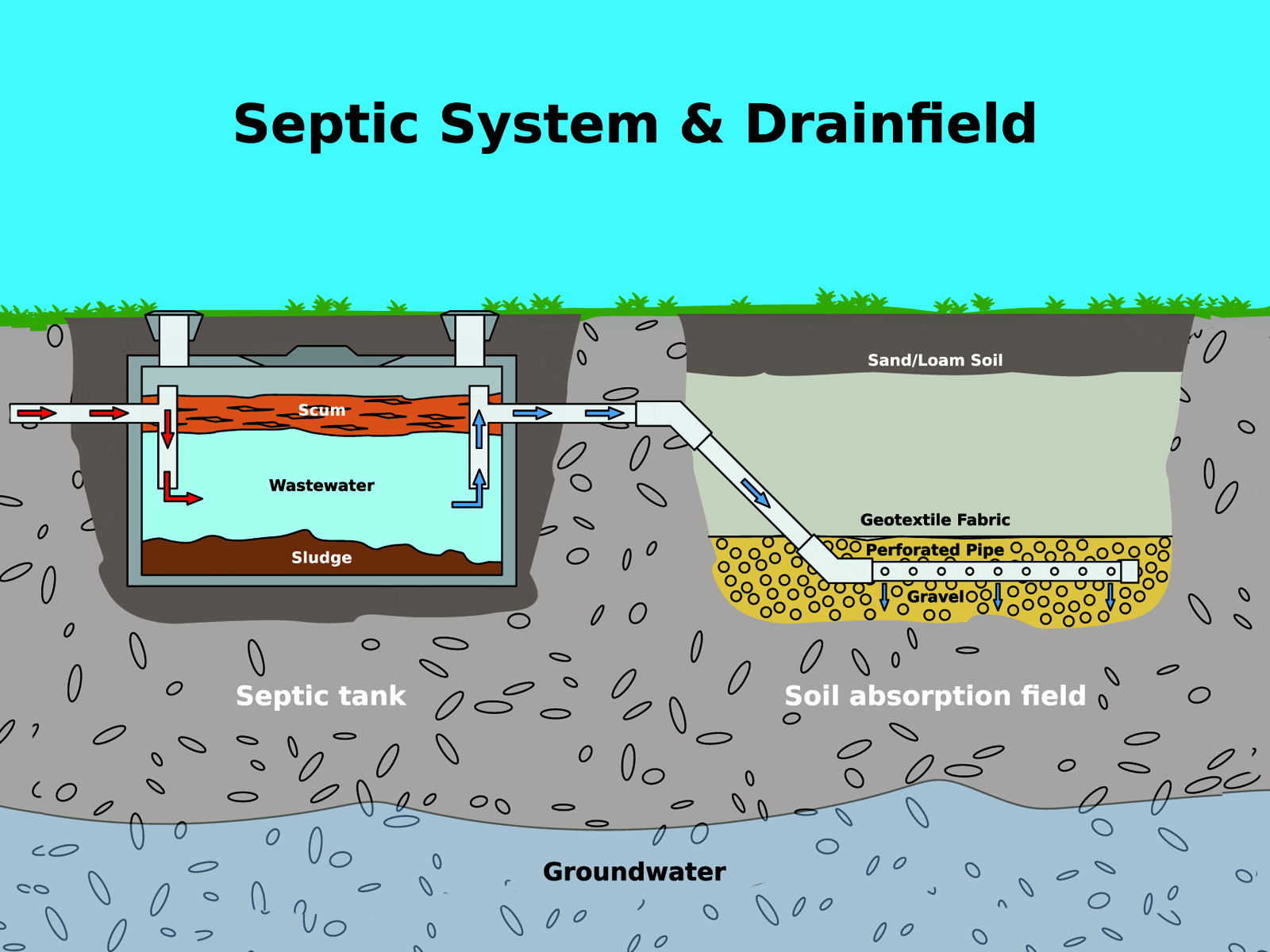
Septic systems play a crucial role in managing household waste in areas without city sewer connections. These systems treat and dispose of wastewater on-site. Understanding how septic systems work helps homeowners keep them in good condition and avoid costly repairs. Below, learn the basics about septic systems, their parts, and how to maintain them.
How Septic Systems Work
Septic systems collect wastewater from your home through pipes. The water flows into a large underground tank. Solid waste settles to the bottom, forming sludge. Grease and oils float to the top, creating scum. The liquid in the middle flows out into a drain field. Soil in the drain field filters and treats the water. This process helps protect the environment and public health.
Common Septic System Components
The main part of a septic system is the septic tank. It is usually made of concrete, fiberglass, or plastic. Pipes carry wastewater from the house to the tank. The drain field, sometimes called a leach field, is a network of perforated pipes buried underground. These pipes spread the water over a large area. Vent pipes release gases safely above the ground. Each part works together to treat wastewater effectively.
Maintenance Requirements
Regular maintenance keeps septic systems working well. Pumping the tank every 3 to 5 years removes built-up sludge and scum. Avoid flushing harmful chemicals or non-biodegradable items down drains. Monitor water use to prevent overloading the system. Fix leaks in toilets and faucets quickly. Proper care prevents backups and costly damage.
Sewer Systems Essentials
Sewer systems play a key role in managing wastewater in cities. They carry water and waste from homes and businesses to treatment plants. Understanding how these systems work helps people appreciate their importance. It also explains why proper care is needed to keep them running well.
This section covers the basics of sewer systems. It explains how they function, their infrastructure, and the maintenance they require.
How Sewer Systems Function
Sewer systems collect wastewater through a network of pipes. Gravity usually moves the waste downhill toward treatment plants. Some systems use pumps to help move the flow. Wastewater includes water from sinks, toilets, and showers. The system keeps this waste away from homes and streets. It prevents health risks by managing sewage safely.
City Sewer Infrastructure
City sewer systems consist of large underground pipes and tunnels. These pipes connect homes and businesses to treatment facilities. Manholes provide access points for inspection and cleaning. Treatment plants clean the wastewater before releasing it back into nature. Infrastructure must be strong to handle heavy use and bad weather. Proper design prevents leaks and blockages.
Sewer System Maintenance
Regular maintenance keeps sewer systems working efficiently. Crews inspect pipes and clear blockages often. Cleaning removes debris that can cause backups. Repair work fixes cracks or broken pipes quickly. Maintenance protects public health and the environment. Neglect can lead to costly repairs and pollution problems.
Cost Comparison
Choosing between a septic system and a sewer connection often comes down to cost. Both have different expenses to consider. Understanding these costs helps homeowners make smart choices.
Costs include installation, ongoing maintenance, and possible repairs or replacements. Each factor affects your budget differently. Let’s break down these costs clearly.
Installation Expenses
Installing a septic system usually costs more upfront. It requires digging a large tank and drain field. The price depends on soil type and tank size. Sewer hookups often have lower installation fees. They connect your home to the municipal system. However, if the sewer line is far, costs can rise. Septic installation can range from $3,000 to $7,000. Sewer connection fees vary widely but often fall between $1,000 and $4,000.
Ongoing Maintenance Costs
Septic systems need regular pumping and inspections. Pumping costs about $300 every 3 to 5 years. Maintenance includes checking pipes and the drain field. Sewer users pay monthly utility bills. These fees cover treatment and line maintenance. Septic system owners may spend less monthly but must budget for periodic service. Sewer costs are predictable but can increase over time.
Repair And Replacement Fees
Septic systems can need repairs to the tank or drain field. Repairs may cost several thousand dollars. Full replacement is expensive and rare. Sewer lines might clog or break. Repair costs depend on the damage and location. Municipal repairs are often covered by the city. Homeowners might pay for line repairs inside their property. Both systems carry potential repair costs, but septic repairs tend to be higher.
Credit: www.elocal.com
Environmental Impact
The environmental impact of septic and sewer systems affects land and water quality. Both systems handle waste differently, which changes their effects on nature. Understanding these effects helps choose the best option for homes and communities.
Septic System Effects On Soil And Water
Septic systems treat wastewater on-site. They use soil to filter and clean water naturally. Properly working systems protect groundwater from pollution. Poorly maintained systems can leak harmful bacteria and chemicals. This contamination risks nearby wells and rivers. Soil type and system age influence the impact. Regular inspections reduce environmental harm.
Sewer System Influence On The Environment
Sewer systems send waste to treatment plants. These plants clean water before releasing it. This process lowers direct pollution risks to soil and water. Sewer lines can leak or overflow, causing pollution. Building and maintaining sewer lines requires energy and resources. Urban areas mostly use sewers, which can strain treatment facilities during heavy rain.
Sustainability Considerations
Septic systems use less energy but need proper care. Sewers rely on energy for pumping and treatment. Both systems can protect the environment if managed well. Choosing depends on location, soil, and community size. Sustainable waste systems support clean water and healthy ecosystems. Awareness and maintenance are key to reducing impact.
Advantages And Disadvantages
Choosing between septic and sewer systems means weighing their advantages and disadvantages. Each system has its own benefits and drawbacks. Understanding these can help in making a better decision for your home or property.
Pros And Cons Of Septic Systems
Pros: Septic systems work independently without city connections. They save money on monthly sewer bills. These systems treat wastewater on-site, reducing pollution risks. Maintenance can be simple with regular inspections.
Cons: Septic tanks need space for installation. They require periodic pumping to avoid backups. System failure can cause costly repairs. Not suitable for all soil types or locations.
Pros And Cons Of Sewer Systems
Pros: Sewer systems provide reliable waste removal. They require less maintenance from homeowners. No need for pumping or tank cleaning. Suitable for densely populated areas.
Cons: Monthly bills increase home expenses. Sewer lines can clog or break. Repairs can disrupt streets and yards. Dependence on municipal services for wastewater treatment.
Credit: www.netsolwater.com
Choosing The Right System
Choosing the right wastewater system is important for any home or property. The decision affects daily life, expenses, and the environment. Knowing the differences between septic and sewer systems helps in making the best choice. Several factors must be considered to ensure the system fits your needs and local rules.
Factors Influencing System Choice
Soil type plays a big role in septic system success. Some soils drain water well; others do not. Space availability also matters. Septic systems need enough land for tanks and drain fields. Sewer systems connect to a city or town network. This can be easier if the area has existing pipes.
Cost is another factor. Septic systems may cost less initially but need regular maintenance. Sewer connections might have higher upfront fees but lower upkeep costs. Household size and water use also impact system choice. Larger families produce more wastewater, which affects system size.
Local Regulations And Codes
Local laws often decide which system you can install. Some areas require sewer connections if available. Others allow septic systems in rural zones. Building codes set standards for system design and placement. Permits are usually needed before installation. Inspectors check that systems meet safety and health rules.
Understanding local rules helps avoid fines and costly changes. Contact local health or building departments for guidance. They provide details on approved systems and necessary steps for installation.
Long-term Benefits And Drawbacks
Septic systems offer independence from municipal services. They can save money in areas without sewer lines. Properly maintained septic tanks last many years. Drawbacks include the need for regular pumping and repairs. Poor maintenance can lead to leaks and pollution.
Sewer systems reduce onsite maintenance. Wastewater is treated by municipal plants. This lowers risks of soil contamination. However, sewer fees and connection costs can be high. Sewer lines may also break or clog, requiring professional fixes.
Frequently Asked Questions
What Is The Main Difference Between Septic And Sewer Systems?
Septic systems treat waste onsite in a tank and drain field. Sewer systems send waste through pipes to a central plant for treatment.
How Does A Septic System Work For Home Waste?
Wastewater flows into a tank where solids settle and liquids drain into soil. The soil filters and cleans the water naturally.
Why Do Some Homes Use Septic Tanks Instead Of Sewers?
Septic tanks suit homes in rural areas without sewer lines. They are cost-effective for places far from city sewer systems.
What Are Common Problems With Septic Systems?
Septic tanks can clog, overflow, or leak if not maintained. Soil drain fields may fail if overloaded with water.
How Often Should Septic Tanks Be Emptied Or Inspected?
Septic tanks usually need pumping every 3 to 5 years. Regular inspections help prevent costly damage and system failure.
Can Sewer Systems Handle More Waste Than Septic Systems?
Yes, sewer systems serve many homes and businesses, managing large waste volumes. They connect to treatment plants designed for high capacity.
Is It Cheaper To Install A Septic System Or Connect To Sewer?
Septic systems often cost less upfront in remote areas. Sewer connection fees and infrastructure can be expensive in some locations.
Conclusion
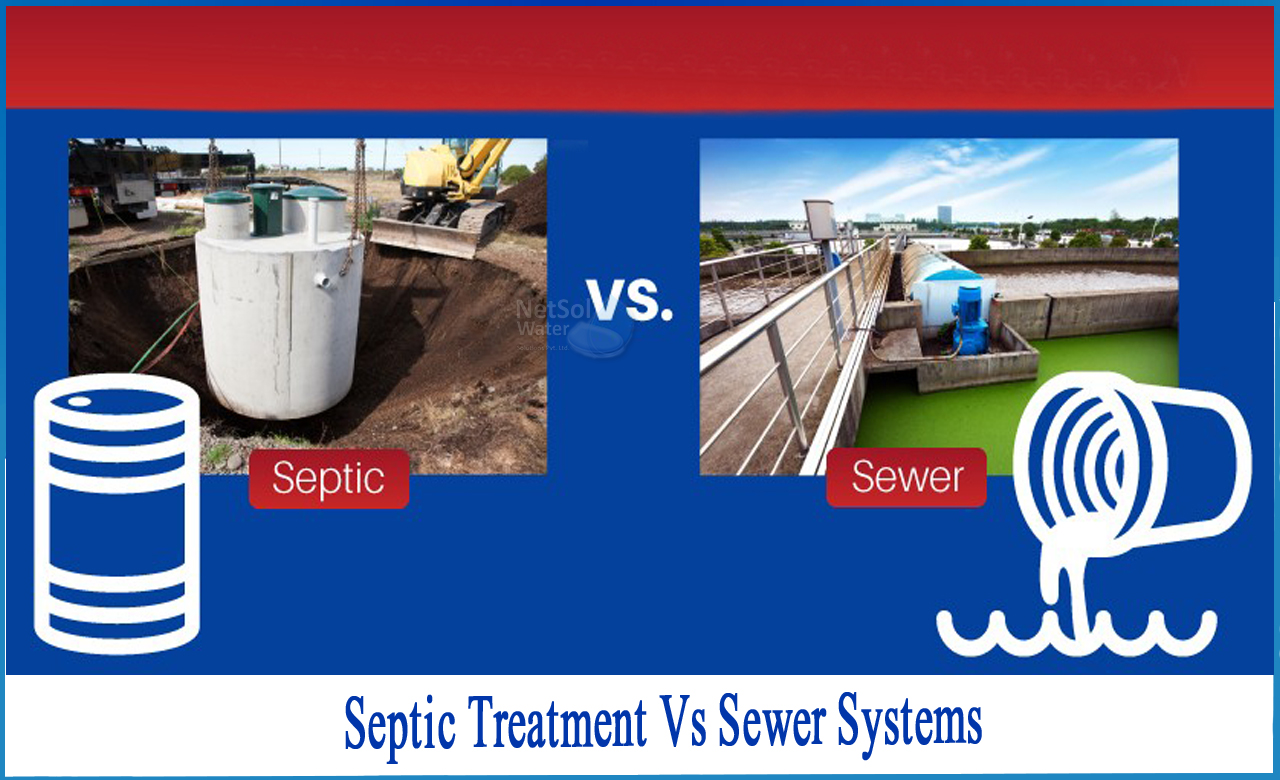
Septic and sewer systems both handle wastewater but work differently. Septic tanks treat waste on-site, needing regular care. Sewer systems connect homes to city treatment plants. Choosing the right one depends on your location and needs. Knowing how each system works helps you maintain it well.
Proper care prevents costly repairs and health risks. Understanding these basics keeps your home safe and clean. Think about your property and community before deciding. Both systems serve the same purpose in different ways. Keep your system working smoothly with simple upkeep.