

Credit: www.allpartsinc.com
No Power
Your Ryobi pressure washer will not start. This is a common problem. It leaves you frustrated. You need to fix it quickly. This section helps you troubleshoot. We will find the cause. Then, we will get it running again.
Check The Power Source
Is the outlet working? Test it. Plug in a lamp. See if the lamp lights up. The outlet needs power. If not, check your circuit breaker. Reset it if it tripped. The power source is key.
Inspect The Power Cord
Look at the power cord. Is it damaged? Check for cuts or frays. Damaged cords are unsafe. They can stop power flow. Replace a damaged cord. Ensure it is fully plugged in. A loose connection causes issues.
Examine The On/off Switch
Find the on/off switch. Is it in the “on” position? Sometimes it is missed. Try moving the switch. Move it to “off” then “on.” The switch might be stuck. Gently wiggle it. It should click when you move it.
Low Pressure
Is your Ryobi pressure washer not delivering the powerful spray you expect? Low pressure is a common issue. It can make cleaning tasks much harder. Do not worry. We can fix this. Let’s explore simple solutions.
Verify Water Supply
Check your water source. Is the garden hose fully open? Ensure the faucet is on. A weak water flow means weak pressure. Use a hose with good water volume. Test the hose without the washer. Does it spray strongly?
Clean The Inlet Filter
A dirty filter blocks water. This causes low pressure. Locate the filter. It is usually near the water connection. Remove it carefully. Rinse it under running water. Use a soft brush if needed. A clean filter lets water flow freely. Reinstall the filter properly.
Inspect The Nozzle
The nozzle can get clogged. Debris can block the spray. Look at the nozzle tip. Is there any dirt or gunk? Use a small tool to clear it. A toothpick works well. Sometimes, a different nozzle helps. Try a wider spray pattern. This might increase perceived pressure.
Check For Leaks
Leaks reduce pressure significantly. Inspect all hose connections. Look for dripping water. Tighten any loose fittings. Check the pump and wand. Are there any cracks or holes? Damaged parts need replacement. A tight system maintains pressure.
Engine Won’t Start (gas Models)
Your Ryobi gas pressure washer refuses to start. This is a common problem. Many factors can cause this issue. Let’s fix it together. We will explore simple solutions. These steps help get you back to cleaning.
Confirm Fuel Level And Type
Check the gas tank. Is it full? Use fresh gasoline. Old gas causes starting problems. Use the correct fuel type. Your manual shows the right fuel. Never use E85 fuel.
Check The Spark Plug
A dirty spark plug stops ignition. Remove the spark plug carefully. Inspect it for damage. Look for carbon buildup. Clean it with a wire brush. A damaged plug needs replacement. Ensure the gap is correct.
Inspect The Air Filter
A clogged air filter restricts airflow. This prevents starting. Locate the air filter cover. Remove the air filter. Check if it is dirty. Clean it with soap and water. Let it dry completely. Replace a damaged filter.
Prime The Engine
Priming sends fuel to the engine. Find the primer bulb. Press it several times. This primes the carburetor. Listen for a slight gurgle. This means fuel is moving. Now try starting again.
Engine Runs Rough (gas Models)
Your Ryobi gas pressure washer engine sputters. It runs rough. This means trouble. Several things can cause this. We will explore common fixes. Let’s get your washer running smoothly again.
Clean The Carburetor
A dirty carburetor causes rough running. Fuel cannot flow properly. You need to clean it. First, disconnect the spark plug. This prevents accidental starting. Locate the carburetor. It connects the fuel tank to the engine. Remove the carburetor bowl. This part collects dirt. Clean the bowl carefully. Use carburetor cleaner spray. Spray it into the jets. Ensure all passages are clear. Reassemble the carburetor. Make sure it seals well.
Check The Fuel Lines
Clogged fuel lines restrict fuel. This makes the engine run poorly. Inspect all fuel lines. Look for kinks or damage. A kink stops fuel flow. Replace any damaged lines. Check the fuel filter. A dirty filter blocks fuel. Clean or replace the filter. Ensure the fuel cap vent is open. A blocked vent creates a vacuum. This stops fuel from reaching the engine. Make sure the fuel is fresh. Old gas causes engine problems.
Inspect The Muffler
A blocked muffler affects engine performance. It can make the engine run rough. Examine the muffler for damage. Look for cracks or dents. Check the exhaust outlet. Is it blocked by debris? Remove any obstructions. Carbon buildup can clog it. Sometimes, you need to remove it. Clean out any carbon deposits. Reattach the muffler securely. A clean muffler lets the engine breathe. This improves its running.
Water Leaks
Water leaks are a common problem. They can stop your Ryobi pressure washer. Don’t worry. Many leaks are easy to fix. Let’s find the source.
Tighten Hose Connections
Loose hoses cause leaks. Check the garden hose connection. Make sure it is tight. Do the same for the high-pressure hose. A secure fit stops water escape. Turn off the washer first. Then, twist the hoses firmly.
Examine The O-rings
O-rings seal connections. They are small rubber rings. Look for damaged O-rings. Cracked or worn O-rings leak. Replace any bad ones. New O-rings create a good seal. They are inexpensive parts. Keep some spares handy.
Inspect The High-pressure Hose
The high-pressure hose carries water. It can get damaged. Look for cuts or cracks. Check the entire hose length. A damaged hose will spray water. This is dangerous. Never use a damaged hose. Replace it immediately. Safety first always.
Check The Pump Seals
Pump seals keep water inside the pump. Leaking pump seals are serious. Water might drip from the pump. This often needs professional repair. Sometimes, seals can be replaced. Consult your Ryobi manual. It has detailed instructions. A leaking pump affects pressure. Fix it quickly for best results.
Unusual Noises
Your Ryobi pressure washer is making strange sounds. This can be worrying. Don’t panic. Many unusual noises have simple fixes. Let’s investigate these sounds.
Listen To The Pump
The pump is the heart of your washer. Listen closely to it. Is it making a grinding noise? This often means air is in the system. You need to prime the pump. Turn on the water supply. Let water flow through the hose. Then start the engine.
A knocking sound could signal trouble. It might mean a loose part. Check the pump for any damage. Ensure all connections are tight.
Check Engine Mounts (gas Models)
Gas models have engine mounts. These hold the engine steady. Vibrations can loosen them. Does the engine sound like it’s rattling? Check the engine mounts. Are they worn or damaged? Tighten any loose bolts. Replace damaged mounts. This reduces engine vibration. A smoother engine runs better.
Detergent Not Dispensing
Your Ryobi pressure washer will not spray soap. This problem is frustrating. You want clean surfaces. Soap helps lift dirt. Here are common reasons why. We will help you fix it.
Ensure Detergent Tube Is Submerged
The detergent tube must be deep. It needs to reach the soap. Check the detergent tank. Is the tube fully inside? A short tube cannot suck soap. Lower the tube if needed. This is a simple fix.
Clean The Detergent Filter
A clogged filter stops soap. The filter is usually small. It is at the tube’s end. Remove the filter carefully. Rinse it under water. Use a soft brush. Remove all debris. Dry the filter completely. Reinsert it securely.
Check The Detergent Valve
The valve controls soap flow. Find the detergent selector. It might be a dial. Turn it to the soap setting. Make sure it is not blocked. Sometimes debris gets stuck there. Gently clean the valve area. Inspect it for damage. Ensure it moves freely.
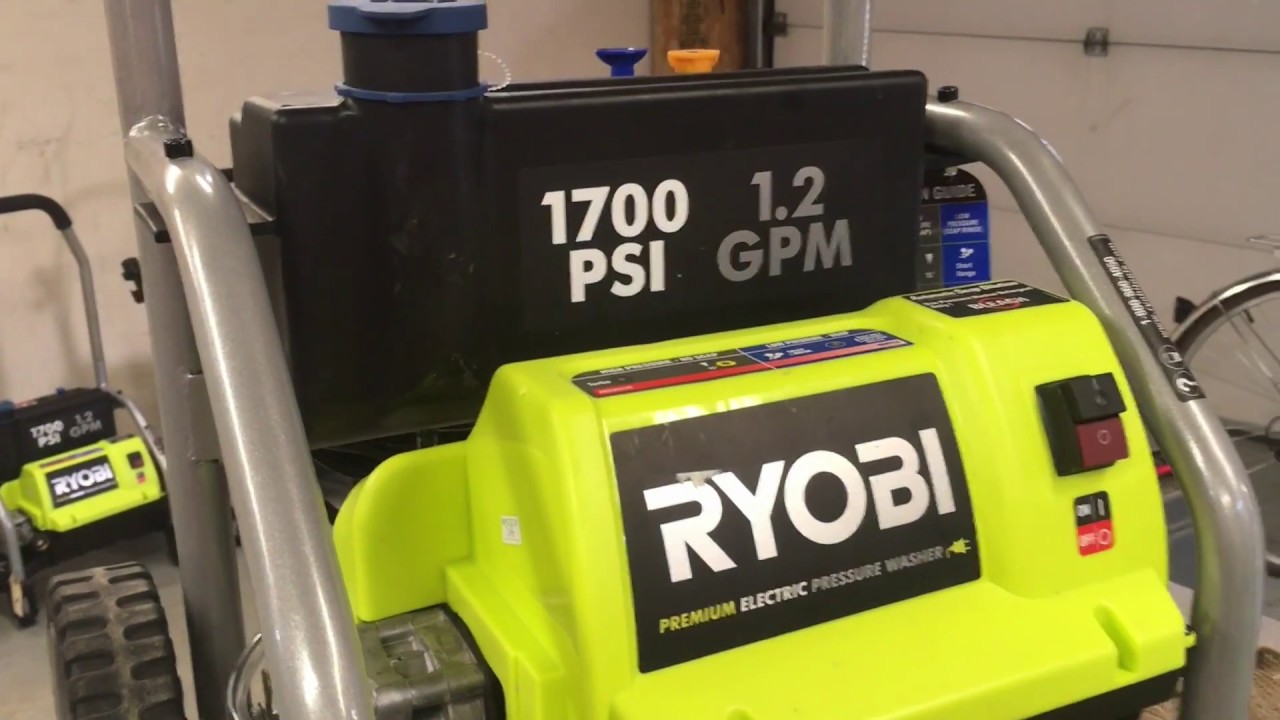
Credit: www.youtube.com
Freezing Issues
Cold weather brings unique challenges. Your Ryobi pressure washer can freeze. This stops it from working. Frozen water expands. It can damage your pump. It can break hoses. Protect your equipment. Learn how to prevent freezing. Address it quickly if it happens.
Drain The System
Empty all water. This is very important. Water left inside can freeze. Turn off the engine. Disconnect the garden hose. Remove the high-pressure hose. Let water drip out. Tilt the pressure washer. Get all water out. Run the engine briefly. This forces out remaining water. Do this after each use. Especially in cold weather.
Use Pump Saver
Pump saver is essential. It prevents freezing. It also prevents corrosion. Read your Ryobi manual. Follow its instructions. Pour pump saver fluid in. Connect it to the pump inlet. Run the engine for a few seconds. This circulates the fluid. It coats internal parts. Store the washer upright. Use pump saver before storing. Use it before cold spells.
Maintenance Tips
Proper maintenance keeps your Ryobi pressure washer running smoothly. Simple steps prevent big problems. Follow these tips for best results. Your washer will last longer. You will save time and money.
Regular Cleaning
Clean your pressure washer often. Remove dirt and debris. Wipe down the exterior. Check the water filter. Clear any blockages. A clean filter ensures good water flow. This prevents pump damage. Keep the spray gun clean too. Ensure nozzles are clear.
Oil Changes (gas Models)
Gas models need oil checks. Refer to your manual. Change the oil regularly. Use the correct oil type. Drain old oil completely. Fill with fresh oil. Proper oil levels are crucial. This lubricates the engine. It prevents overheating. A well-oiled engine runs better.
Winter Storage
Prepare for cold weather. Drain all water from the pump. Water left inside can freeze. Frozen water expands. This can crack the pump. Use a pump protector solution. Follow manufacturer instructions. Store the washer in a dry place. Protect it from moisture. This keeps it ready for spring.

Credit: www.youtube.com
Conclusion
Your Ryobi pressure washer can work again. Simple fixes solve many problems. Check the basics first. Fuel, oil, and water levels matter. Ensure all connections are secure. Clean filters are important. A clogged nozzle stops water flow. Try these steps before calling for help.
Keep your washer running smoothly. Enjoy a clean home and yard.