
Finding the best budget windows is simple: prioritize high-quality vinyl and effective drainage systems. A window that channels water away from your walls prevents rot, while a smooth-moving sash and reinforced frame ensure longevity. Focus on these structural details rather than finishes to find a replacement that seals well and maintains your home’s temperature for years to come.
1. Vinyl Single Hung Window
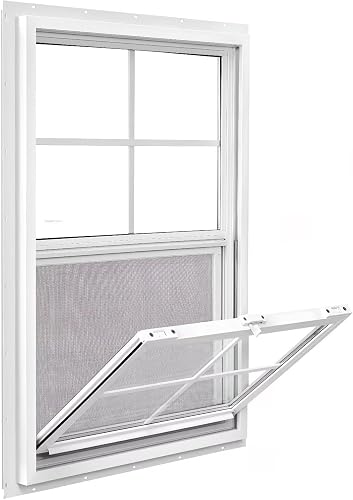
Best for: Standard residential or mobile home wall openings.
This unit features a vertical sliding design with double-pane insulated glass intended to improve thermal performance. Its most notable feature is the tilt-in bottom sash, which allows you to clean the exterior glass from inside your house.
In daily use, the pre-drilled holes make mounting straightforward for most DIY projects. You should note that because it’s a single-hung model, only the bottom sash moves for ventilation. This window isn’t for homeowners looking for maximum airflow, as the top pane remains fixed in place.
What goes smoothly:
- Bottom sash tilts for easy cleaning.
- Includes a screen for fresh air.
- J-channel provides a finished look.
- Reinforced vinyl resists UV damage.
What you have to accept:
- Only the bottom sash opens.
2. Vinyl Double Hung Window

Best for: Rooms requiring flexible airflow control.
This window uses a double-pane design to help manage heat loss and gain throughout the changing seasons. The key feature here is the double-sash operation, meaning both the top and bottom panels slide to let you choose exactly where the air enters your room.
Owning this model means you can vent warm air out of the top while letting cool air in through the bottom. It’s a practical choice for those who need precise control over their home’s ventilation. This isn’t the right choice for someone who doesn’t need the extra mechanical complexity of two moving sashes.
Who it fits This model fits users who want to adjust airflow in multiple directions. It’s ideal for garages, sheds, or light residential builds.
Who should pass Pass on this if you prefer a simpler, single-moving part design.
3. Vinyl Sliding Basement Window

Best for: Low-clearance areas like basement bathrooms.
This horizontal slider is designed specifically for tight spaces where a vertical window won’t fit. It uses double-pane tempered glass to provide insulation and impact resistance, which is a smart choice for ground-level or basement installations.
Because it slides horizontally, it saves vertical space, making it a functional choice for cramped walls. The galvanized latches add a level of security that’s helpful for basement-level access points. This window isn’t for someone looking to install a large, floor-to-ceiling style view, as the dimensions are limited to 24″ x 16″.
Snapshot:
- Horizontal sliding saves vertical room.
- Double-pane glass aids soundproofing.
- Tempered glass increases safety.
- Galvanized latches keep the unit secure.
- Easy to install with foam sealant.
4. Vinyl Transom Fixed Window

Best for: Adding natural light above doors.
This is a fixed, non-operable window designed to sit above doors or in decorative wall spaces. It uses double-pane tempered glass to ensure it stays energy-efficient while providing a clear, static view of the outdoors.
You’ll appreciate the internal grid design, which gives it a classic look without making the glass surface hard to clean. Because it doesn’t open, you never have to worry about mechanical failures or screen maintenance. This window isn’t for anyone who needs airflow, as the frame is completely sealed and fixed.
What goes smoothly:
- Adds light without needing ventilation.
- Internal grids stay clean.
- Tempered glass adds durability.
- Low-maintenance vinyl frame.
What you have to accept:
- Doesn’t provide any airflow.
5. Vinyl Single Hung Black
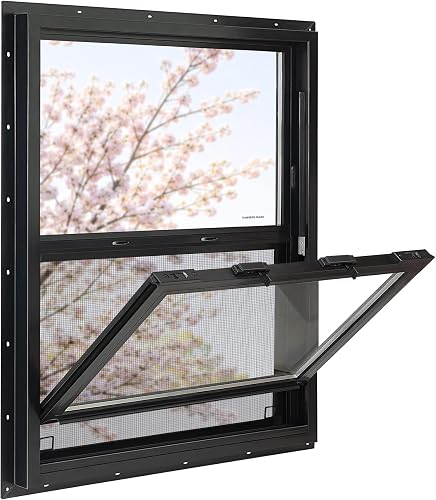
Best for: Larger openings requiring a modern aesthetic.
Measuring 32″ x 36″, this larger-format window uses a vertical sliding mechanism and double-pane insulated glass. The black vinyl frame offers a distinct look compared to standard white units while maintaining the same tilt-in cleaning functionality.
The rear drainage system is a highlight, as it’s designed to keep water away from the wall structure. It’s a solid choice for those who want a larger glass area for more light. This window isn’t for small, narrow openings where the 32-inch width would be too wide to fit.
Who it fits This fits homeowners aiming for a modern, high-contrast look on their home exterior. It’s great for living spaces where you want to maximize light intake.
Who should pass If your current window opening is small, this won’t fit. It’s also not for those who dislike the look of black frames against light-colored siding.
6. Vinyl Single Hung Window 18″x24″
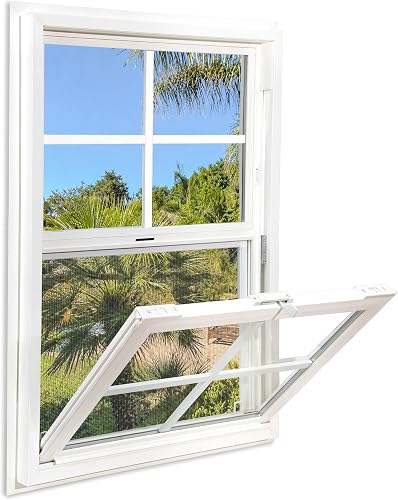
Best for: Small, compact replacement projects.
At 18″ x 24″, this is one of the more compact options for sheds or small mobile home bathrooms. It includes the standard tilt-in sash feature for cleaning and uses double-pane tempered glass to keep the small footprint energy-efficient.
The inclusion of an advanced drainage system is impressive for a window of this size, ensuring that even small units manage rainwater well. It’s a straightforward, reliable replacement for outdated, drafty frames. This isn’t for a primary living room where you need a large glass area to brighten the space.
Snapshot:
- Compact 18″ x 24″ size.
- Tilt-in sash makes cleaning easy.
- Double-pane glass blocks noise.
- Built-in screen included.
- Drainage outlet prevents wall damage.
7. Vinyl Basement Double Slider

Best for: Basements needing maximum ventilation.
This 32″ x 16″ double slider allows both sides of the window to move, which is an upgrade over standard single-slider basement windows. It features double-pane insulated glass to maintain comfort, which is essential for below-grade rooms that often feel damp.
The removable screen is a nice touch, as it makes it easy to wash the glass or clean the mesh without taking the whole frame out. It’s a versatile choice for chicken coops, sheds, or basements. This window isn’t for someone who wants a fixed or vertical window, as the horizontal sliding operation requires specific clearance.
What goes smoothly:
- Both sashes slide for ventilation.
- Removable screen for easier cleaning.
- Rust-resistant latch for security.
- Double-pane insulation for damp areas.
What you have to accept:
- Requires clearance for horizontal sliding.
As an Amazon Associate, we earn from qualifying purchases. This post contains affiliate links – if you buy through them, we may earn a commission at no extra cost to you.
The Decision Filter
Most people miss this: the rough opening size must be measured accurately before you even look at the models. You need to know if you’re doing a new construction or a simple replacement. If you’re replacing, measure the existing frame inside the wall. If you want airflow, rule out all fixed transom options immediately. If you have a basement, prioritize horizontal sliders to keep them above your foundation line. Answering these two questions will cut your choices down to just two models.
The Thirty-Second Checklist
- Does the window size match your current wall opening exactly?
- Do you need the window to open for fresh air?
- Will you be installing this in a basement or bathroom?
- Do you need the glass to tilt inward for cleaning?
- Is the frame color important for your home’s exterior style?
- Are you comfortable performing basic DIY window installation tasks?
Three Regrets Worth Avoiding
Regret #1: Buying a fixed window when you actually needed airflow. Always check if the model is operable before finalizing your choice, as fixed units can’t be changed later.
Regret #2: Ignoring the drainage system details. A window that doesn’t channel water away effectively can cause long-term wall damage, so check that the unit mentions a drainage outlet.
Regret #3: Choosing the wrong orientation for your space. Always double-check if your opening requires a vertical or horizontal slider to ensure it fits the wall without needing modifications.
If You Want This, Look for That
If you want to ensure your installation aligns with thermal performance goals, you should reference guidelines from ENERGY STAR.
| If you want… | Look for | Avoid |
|---|---|---|
| Maximum airflow | Double hung | Fixed transom |
| Easy cleaning | Tilt-in sash | Fixed frames |
| Basement ventilation | Horizontal slider | Vertical hung |
| Modern aesthetic | Black vinyl | Mismatched colors |
| Better insulation | Double-pane glass | Single-pane glass |
When two picks look equal, check the specific mounting hardware included in the box to see if it matches your wall type. Take a moment to verify your measurements one last time to ensure the fit is perfect.
Related guides
- Best Blinds for Sliding Windows in 2026
- 5 Best Adhesives for Convertible Top Window Repairs in 2026
- 5 Best Massage Table Brands for Quality and Comfort in 2026
Frequently Asked Questions
Can I install these windows myself?
Most of these windows come with pre-drilled holes and instructions for DIY installation. If you have basic tools like a screwdriver, a level, and some sealant, you can typically secure the frame into your opening yourself.
How do I measure my window opening?
Measure the width and height of the existing opening in at least three different spots to find the smallest dimension. Using the smallest measurement ensures the new unit will fit into the space without jamming.
Are these windows safe for basements?
Yes, many of these models, like the Vinyl Sliding Basement Window, are specifically designed for basement use with features like tempered glass. Tempered glass provides extra strength and impact resistance, which is ideal for ground-level locations.
How does the tilt-in feature work?
The tilt-in function allows the sash to release from the track and pivot toward the interior of your home. This gives you direct access to the outer surface of the glass, making it much safer to clean from inside.
Do these windows come with screens?
Most of the models listed here include a screen to keep insects out while allowing fresh air to circulate. You should check the product description for your specific choice to confirm the screen is included in the package.
What should I use to seal the gaps?
After securing the frame with screws, you should use an exterior-grade foam sealant to fill the gaps between the window and the wall. This prevents air leaks and moisture from entering your home.
Final Thoughts
Once you’ve identified a reliable local installer, ask them to show you a physical sample of the frame’s internal chambers. Seeing the construction firsthand will give you peace of mind before you commit. You’ll feel much better knowing your investment is built to protect your home for the long haul.