
If your Polaris 280 backup valve won’t shut off, you’re probably dealing with a frustrating issue that can disrupt your system’s performance. You rely on this valve to work smoothly, so when it stays open, it can cause leaks, pressure problems, and even damage.
But don’t worry—you’re not alone, and fixing this problem might be simpler than you think. You’ll discover why your backup valve won’t close and what steps you can take right now to get it back to normal. Keep reading to save time, avoid costly repairs, and get your Polaris system running perfectly again.
Common Causes Of Backup Valve Stuck Open
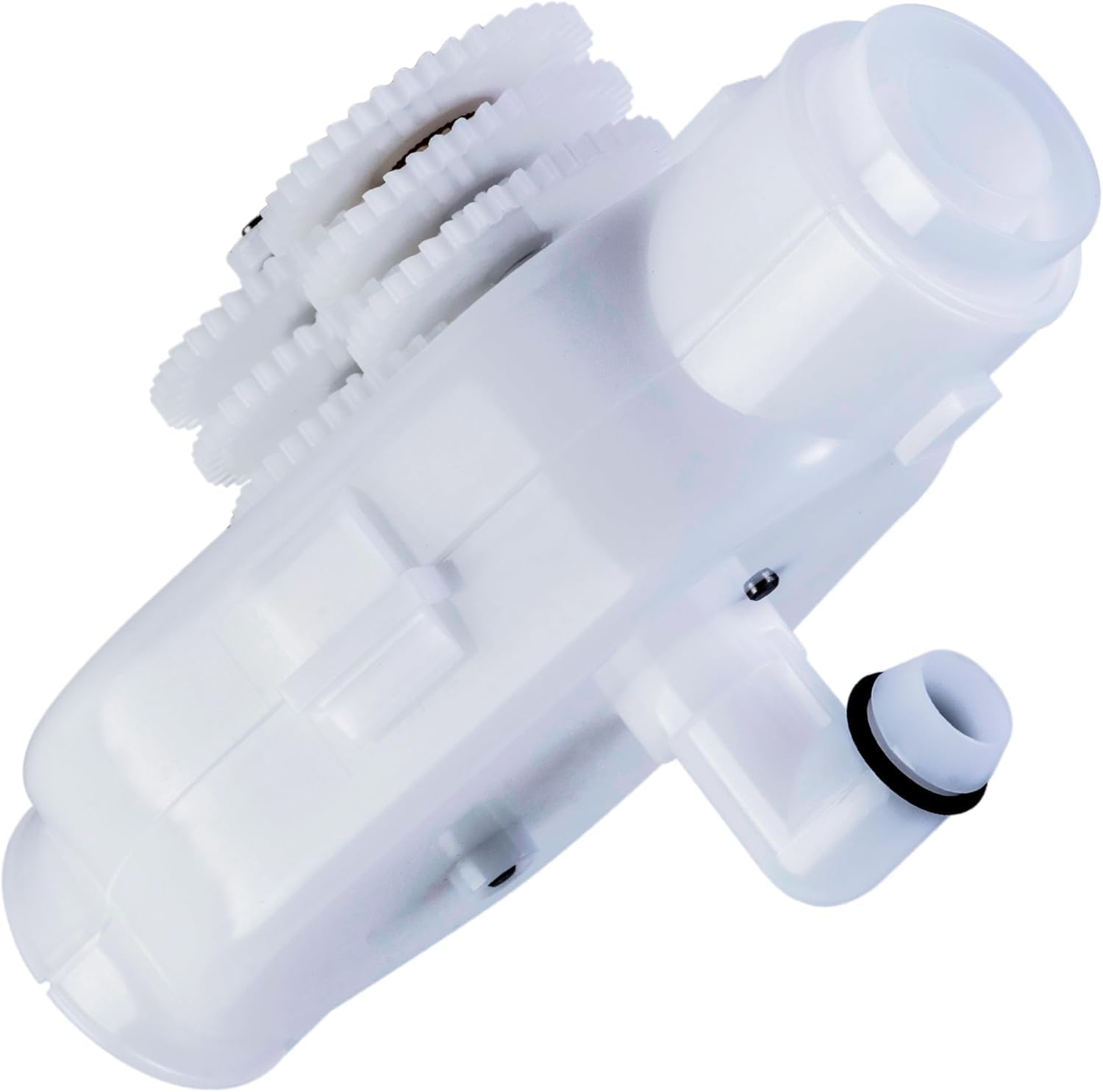
The Polaris 280 backup valve may get stuck open due to several common issues. Understanding these causes helps in quick troubleshooting and repair. The valve not shutting off can lead to poor pool cleaner performance and water waste. Identifying the root cause is the first step to fix the problem.
Debris And Dirt Buildup
Dirt and small debris can clog the backup valve. This buildup blocks the valve’s closing mechanism. It prevents the valve from fully sealing. Regular cleaning is essential to keep the valve working well. Neglecting this can cause the valve to stay open.
Worn Or Damaged Seals
The seals inside the backup valve wear out over time. Cracks or tears stop the valve from closing tightly. Worn seals cause leaks and continuous flow. Replacing damaged seals fixes the issue and restores proper function.
Faulty Valve Spring
The spring inside the valve controls its closing motion. A weak or broken spring fails to push the valve shut. This fault leaves the valve stuck open. Checking the spring and replacing it if needed solves this problem.
Improper Installation
Incorrect installation can cause the valve to malfunction. Misaligned parts stop the valve from closing fully. Tightening or repositioning the valve can restore normal operation. Always follow installation instructions carefully to avoid issues.
Credit: www.amazon.com
Tools And Materials Needed For Repair
Fixing a Polaris 280 backup valve that won’t shut off requires the right tools and materials. Having everything ready helps you work faster and avoid mistakes. This section lists the basic tools and parts you will need. Prepare well to make the repair smooth and simple.
Basic Hand Tools
You will need a few common hand tools. A set of screwdrivers, both flathead and Phillips, is essential. A pair of pliers will help with gripping and twisting. An adjustable wrench lets you loosen or tighten nuts easily. A small flashlight is useful to see inside tight spaces. Keep a clean cloth nearby to wipe off dirt.
Replacement Parts
Replacing worn or damaged parts is often necessary. Have a new backup valve ready if the old one is faulty. O-rings and seals often wear out and cause leaks. Keep spare O-rings of the right size on hand. Check the Polaris 280 manual to confirm the exact parts needed. Using genuine parts ensures the valve works well again.
Cleaning Supplies
Clean parts work better and last longer. Use mild soap and water to remove dirt. A soft brush helps clean tight spots without damage. Avoid harsh chemicals that may harm plastic parts. Rinse everything well and dry with a lint-free cloth. Clean surfaces improve the seal and prevent leaks.
Step-by-step Valve Cleaning Process
Cleaning the Polaris 280 backup valve is important when it won’t shut off. Dirt and deposits can block the valve. This step-by-step process helps restore proper valve function. Follow each step carefully to avoid damage.
Shutting Off The System
Turn off the pool pump before starting. This stops water flow through the valve. Shut off the main water supply if needed. Let the valve depressurize for safety. Never work on the valve under pressure.
Disassembling The Valve
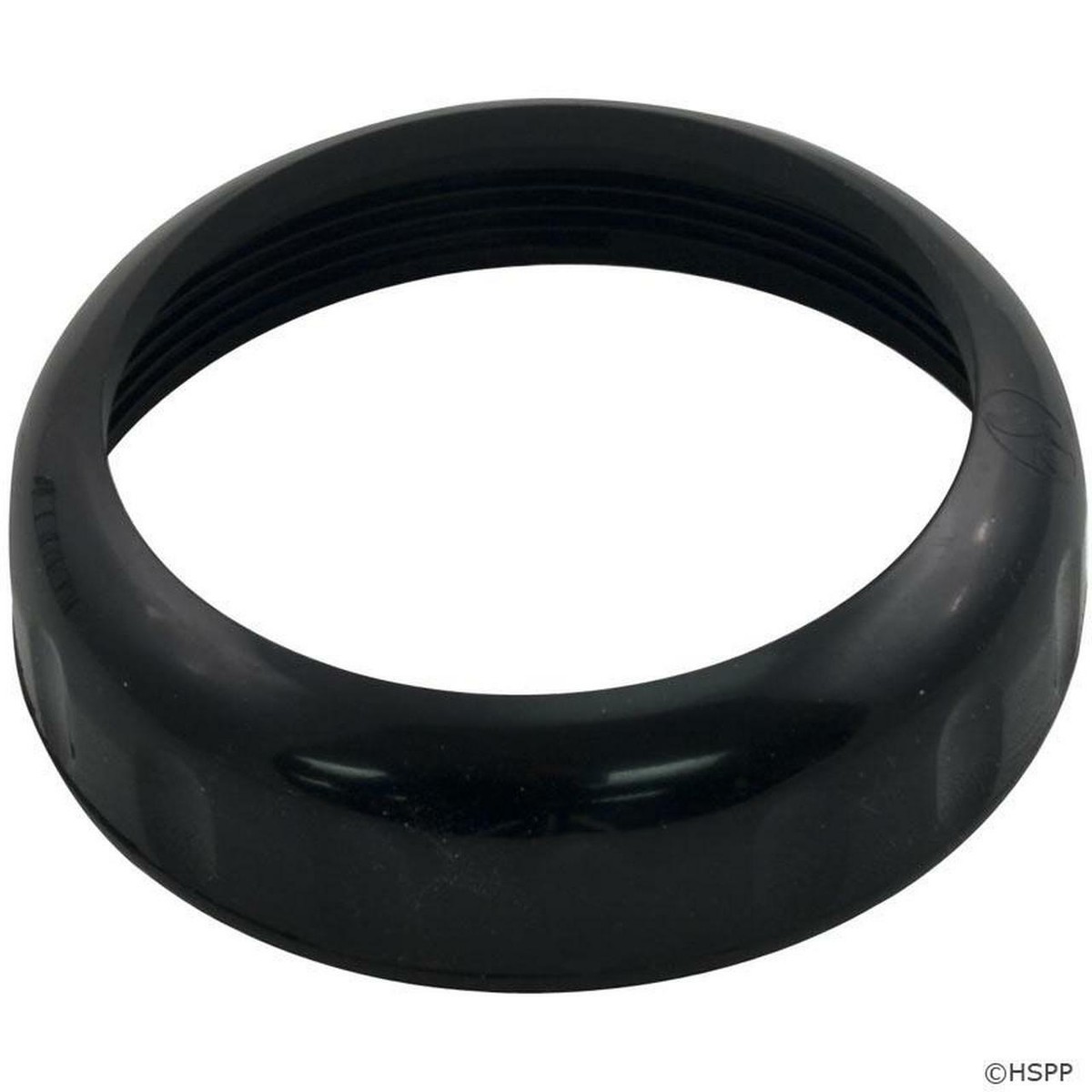
Remove the valve from the system carefully. Use a wrench if needed but do not force it. Take off the valve cover and set it aside. Note the position of all parts for reassembly. Keep small parts in a safe place.
Removing Debris And Deposits
Check the valve seat and internal parts for dirt. Use a soft brush or cloth to clean them gently. Avoid harsh chemicals that can damage the valve. Rinse parts with clean water to remove residue. Clear all small openings and holes thoroughly.
Reassembling The Valve
Place all parts back in their original positions. Tighten screws and bolts without overtightening. Reattach the valve to the system securely. Turn on the water supply slowly and check for leaks. Test the valve to ensure it shuts off properly.
Credit: www.ebay.com
Replacing Faulty Components
Replacing faulty components in your Polaris 280 backup valve is key to fixing the issue. It stops the valve from shutting off properly. This process requires patience and care. You will need to check parts closely and swap out any worn or broken pieces. Doing this right will bring your valve back to good working order quickly.
Identifying Worn Seals
Start by examining the seals inside the valve. Seals stop water from leaking and keep pressure steady. Look for cracks, tears, or any signs of wear. Old seals may look dry or cracked. These damaged seals cause the valve to stay open or leak. Replace any seals that look weak or broken.
Changing The Valve Spring
The valve spring controls how the valve opens and closes. If the spring is weak or broken, the valve may not shut off. Remove the old spring carefully. Check for rust or loss of tension. Use a spring that matches the original part exactly. Installing a new spring helps the valve work smoothly again.
Installing New Parts Correctly
Put the new seals and spring in the right place. Follow the order they came out. Make sure each part fits snugly without gaps. Tighten all screws and fittings firmly but don’t overtighten. Test the valve a few times after assembly. This ensures the parts work well together and the valve shuts off properly.
Testing The Valve After Repair
Testing the Polaris 280 backup valve after repair is a crucial step. It ensures the valve works correctly and stops leaks. Proper testing prevents future problems and saves time and money. Follow these steps carefully to check the valve’s function and reliability.
Reactivating The System
Turn on the power to the Polaris 280 system. Make sure the system is ready to operate. Open the water supply slowly to avoid pressure spikes. Watch the valve as the system starts. Listen for unusual sounds that may indicate issues.
Checking For Proper Shut-off
Activate the valve manually or through the system controls. Observe if the valve closes completely. Check for any water flow after the valve shuts. A small leak shows the valve might need more adjustment. Repeat the test a few times for accuracy.
Monitoring For Recurring Issues
Keep an eye on the valve during regular pool operation. Note any signs of the valve not closing properly again. Check the valve daily for the first few days after repair. Early detection helps avoid bigger problems later. Regular monitoring ensures long-term valve performance.

Credit: www.youtube.com
Preventive Maintenance Tips
Keeping your Polaris 280 backup valve working well starts with good preventive maintenance. Regular care stops small problems before they grow. This saves time, money, and frustration. Follow simple steps to keep the valve clean and working smoothly. Check parts often. Replace worn pieces with quality items. Install parts carefully to avoid leaks and malfunctions. These tips help your valve last longer and work better.
Regular Cleaning Schedule
Clean the valve regularly to avoid dirt buildup. Dirt and debris can block the valve and stop it from closing. Use a soft brush and clean water to remove grime. Clean all parts gently to prevent damage. Set a routine cleaning every few weeks or after heavy use. This keeps the valve in good shape and prevents sticking.
Using Quality Replacement Parts
Choose high-quality replacement parts for repairs. Cheap parts wear out fast and may not fit well. Quality parts ensure the valve works correctly and lasts longer. Always buy parts made for Polaris 280 valves. Check the part numbers before buying. Using the right parts reduces the chance of leaks and failures.
Proper Installation Practices
Install parts carefully and correctly. Follow the manufacturer’s instructions step-by-step. Tighten screws and fittings just right—too loose or too tight causes problems. Use clean tools to avoid introducing dirt. Double-check all connections before testing the valve. Proper installation keeps the valve secure and functioning well.
When To Seek Professional Help
Knowing when to call a professional for your Polaris 280 backup valve is important. Some problems require expert tools and skills. Trying to fix these issues alone might cause more damage. Understanding the signs that need expert help saves time and money.
Complex Valve Issues
Some valve problems are hard to find and fix. Internal parts may wear out or get stuck. These issues often need special tools to repair. Experts can open and test the valve safely. They ensure the valve works perfectly again.
Persistent Leak Problems
Leaks that don’t stop after basic fixes are serious. Water waste can increase and harm your pool system. Professionals can trace leaks deep inside the valve. They use proper seals and parts to stop leaks for good.
Warranty And Service Options
Check your valve’s warranty before fixing it yourself. Many come with service options from the manufacturer. A professional can help keep your warranty valid. They also provide proper service and replacement parts.
Frequently Asked Questions
What Causes A Polaris 280 Backup Valve To Stay Open?
A stuck backup valve usually happens due to dirt or debris blocking it. Worn seals or springs can also cause it not to close properly.
How Can I Fix A Polaris 280 Backup Valve That Won’t Shut Off?
Cleaning the valve and replacing damaged parts often solves the issue. Make sure to check seals and springs for wear before reassembling.
Can A Faulty Backup Valve Cause Pressure Problems In Polaris 280?
Yes, a backup valve that won’t shut off can lead to pressure loss or fluctuations. This affects the system’s performance and may cause leaks.
How Do I Clean A Polaris 280 Backup Valve Safely?
Turn off the system and relieve pressure before cleaning. Use a soft brush and clean water to remove dirt gently.
Is It Necessary To Replace The Polaris 280 Backup Valve Completely?
Not always. Repairing or replacing worn parts usually works unless the valve body is damaged. Full replacement is rare but sometimes needed.
How Often Should I Inspect The Polaris 280 Backup Valve?
Regular checks every few months help catch problems early. Inspect it after heavy use or if you notice pressure issues.
What Tools Are Required To Service A Polaris 280 Backup Valve?
Basic tools like screwdrivers, pliers, and a wrench are needed. Also, keep replacement seals and cleaning supplies handy.
Conclusion
A Polaris 280 backup valve that won’t shut off can cause big issues. Fixing it quickly helps avoid damage and costly repairs. Check the valve for dirt, wear, or damage. Cleaning or replacing parts often solves the problem. Regular maintenance keeps your system working well.
Don’t ignore signs of trouble. Taking small steps now saves headaches later. Your Polaris will run smoothly again with proper care. Simple fixes can restore normal function fast. Keep an eye on your valve to prevent future problems.