
Are you thinking about upgrading your outdoor space but unsure whether to choose Kool Deck or stamped concrete? Both options can transform your patio or pool area, but they offer very different looks, feels, and benefits.
Choosing the right one can make a huge difference in comfort, style, and maintenance. You’ll discover the key differences between Kool Deck and stamped concrete so you can make the best choice for your home and lifestyle. Keep reading to find out which option will give your outdoor space the perfect finish you deserve.
Kool Deck Basics
Kool Deck is a popular choice for pool decks and outdoor surfaces. It is known for its cool touch underfoot, even on hot days. This material helps keep pool areas comfortable and safe from heat. Understanding Kool Deck’s properties can help you decide if it suits your needs.
It offers a smooth, textured finish that blends well with various outdoor designs. The material resists cracking and fading over time. Its unique features make it a strong competitor against stamped concrete.
Material Composition
Kool Deck is made from a blend of cement and special aggregates. These aggregates create a rough, slip-resistant surface. The mix includes additives to reduce heat absorption. This makes the surface cooler than regular concrete.
Installation Process
Installing Kool Deck requires a skilled contractor. The process starts with preparing the base and pouring concrete. Next, the Kool Deck mixture is applied as a top layer. It is then textured and allowed to cure properly. Proper curing ensures durability and heat resistance.
Durability Features
Kool Deck resists cracking and surface wear well. It stands up to sun exposure and pool chemicals. Its textured surface reduces slips and falls. This material lasts many years with proper care.
Maintenance Needs
Maintaining Kool Deck is simple and cost-effective. Regular cleaning with mild soap keeps it looking fresh. Avoid harsh chemicals that could damage the surface. Sealing the deck every few years helps protect it. Proper upkeep extends the material’s lifespan.
Credit: www.bibliotecaoscura.com
Stamped Concrete Essentials
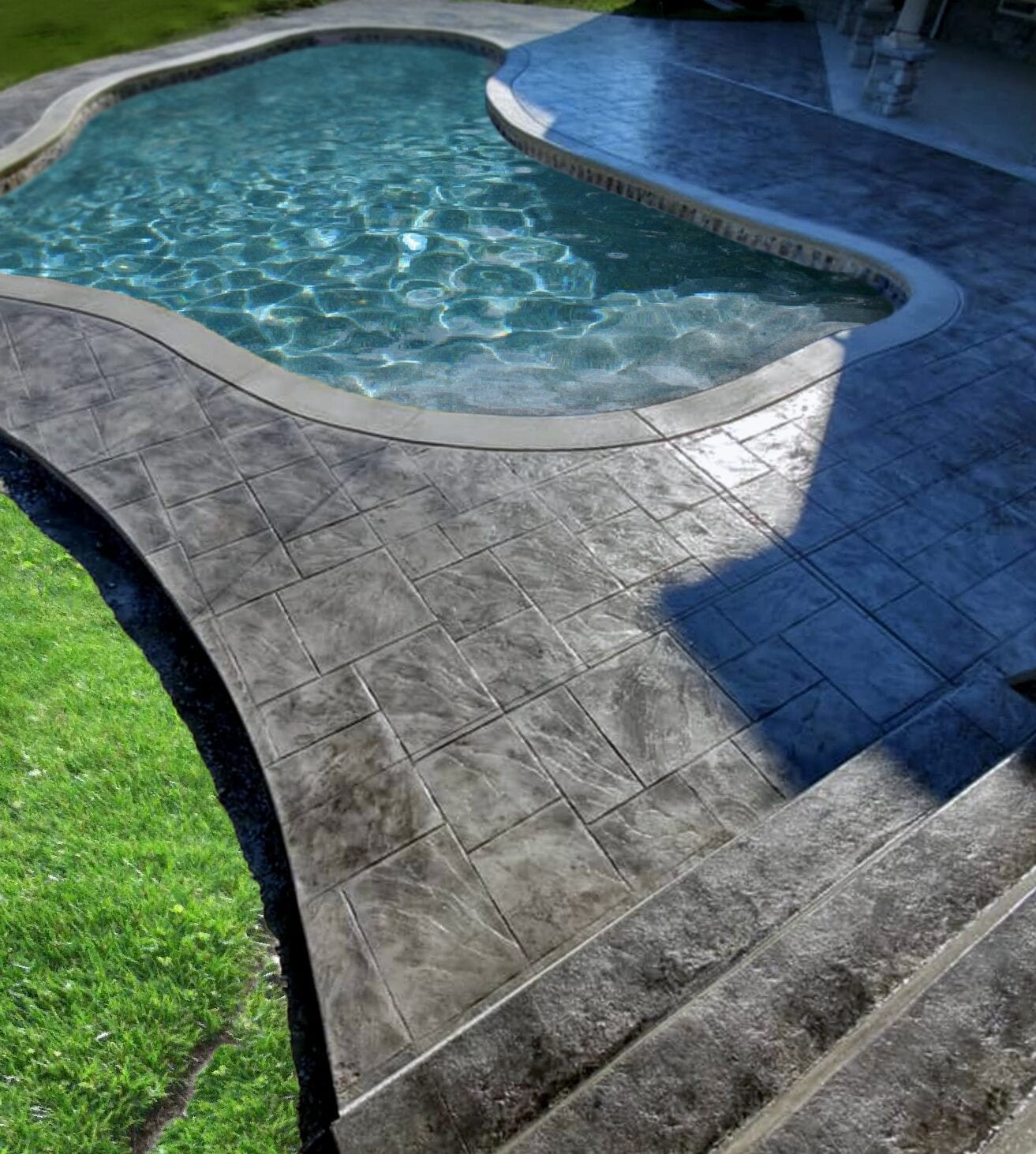
Stamped concrete is a popular choice for outdoor surfaces. It offers the look of stone, brick, or wood with the strength of concrete. Understanding its basics helps in making a better decision for your project.
This section explains the key points about stamped concrete. It covers materials, installation, design choices, and care tips.
Material Composition
Stamped concrete is made from a mix of cement, sand, water, and gravel. Pigments add color to the concrete before stamping. The surface gets texture from special rubber stamps pressed into the wet concrete. This process creates patterns that look like natural materials.
Installation Process
The concrete is poured and smoothed out first. Stamps press into the surface before it dries fully. This step needs skill to get clear patterns. After stamping, the concrete is sealed to protect the design and color. Proper timing and care during installation affect the final look.
Design Options
Stamped concrete offers many styles and colors. You can mimic stone, brick, tile, or wood. Colors can be mixed or added in layers for a natural effect. Borders and patterns can be customized to fit your space. This flexibility makes stamped concrete a popular design choice.
Maintenance Needs
Stamped concrete requires sealing every few years. This helps keep colors bright and prevents damage. Cleaning is simple with water and mild soap. Avoid harsh chemicals that can wear down the sealant. Regular care helps keep stamped concrete looking fresh and strong.
Comparing Aesthetics
Choosing between Kool Deck and stamped concrete often comes down to how they look. Both offer unique styles that can change the feel of your outdoor space. Understanding their aesthetic differences helps you pick the right one for your home.
Color Variety
Kool Deck usually comes in soft, pastel shades. These colors reflect sunlight well and help keep surfaces cool. The palette is limited but calming and natural.
Stamped concrete offers a wide range of colors. You can find bold, bright hues or earthy tones. This variety allows more freedom to match your home’s style.
Texture And Patterns
Kool Deck has a smooth, slightly rough surface. It feels comfortable under bare feet and is slip-resistant. The texture is simple and clean.
Stamped concrete mimics natural materials like stone, brick, or wood. It can have intricate patterns and deep textures. This creates a more decorative and detailed look.
Customization Options
Kool Deck customization focuses on color and finish. It offers few design choices but maintains a consistent look.
Stamped concrete allows many custom designs. You can choose patterns, colors, and even add borders. This makes it easy to create a unique outdoor space.
Durability And Longevity
Durability and longevity matter most for outdoor surfaces. Kool Deck and stamped concrete serve different needs. Both offer unique strengths in standing up to weather and wear. Understanding their durability helps you pick the right choice for your space.
Resistance To Weather
Kool Deck handles heat well. It reflects sunlight, keeping surfaces cooler. This reduces cracking from heat stress. It also resists fading caused by the sun. Rain and moisture do not harm Kool Deck easily. It drains water quickly, preventing damage.
Stamped concrete resists rain and snow. Proper sealing protects it from moisture penetration. Freeze-thaw cycles can cause damage if not maintained. Sun exposure may cause some fading over time. Regular sealing improves its weather resistance.
Crack And Damage Potential
Kool Deck is less likely to crack. Its flexible surface moves with the ground. This reduces stress on the material. It also resists chips and surface damage well.
Stamped concrete is prone to cracks. Ground movement and temperature changes cause stress. Cracks may appear over time without control joints. Surface damage like chips can occur from heavy use.
Lifespan Expectations
Kool Deck typically lasts 10 to 15 years. Proper care extends its life even longer. Its durability suits pools and patios well.
Stamped concrete can last 20 years or more. Lifespan depends on installation quality and maintenance. Sealing every few years keeps it strong and attractive. Without care, its life shortens due to cracking and fading.
Comfort And Safety
Comfort and safety are key factors when choosing between Kool Deck and stamped concrete. Both materials have unique features that affect how safe and comfortable they feel underfoot. These qualities matter a lot, especially around pools or outdoor living spaces.
Surface Temperature
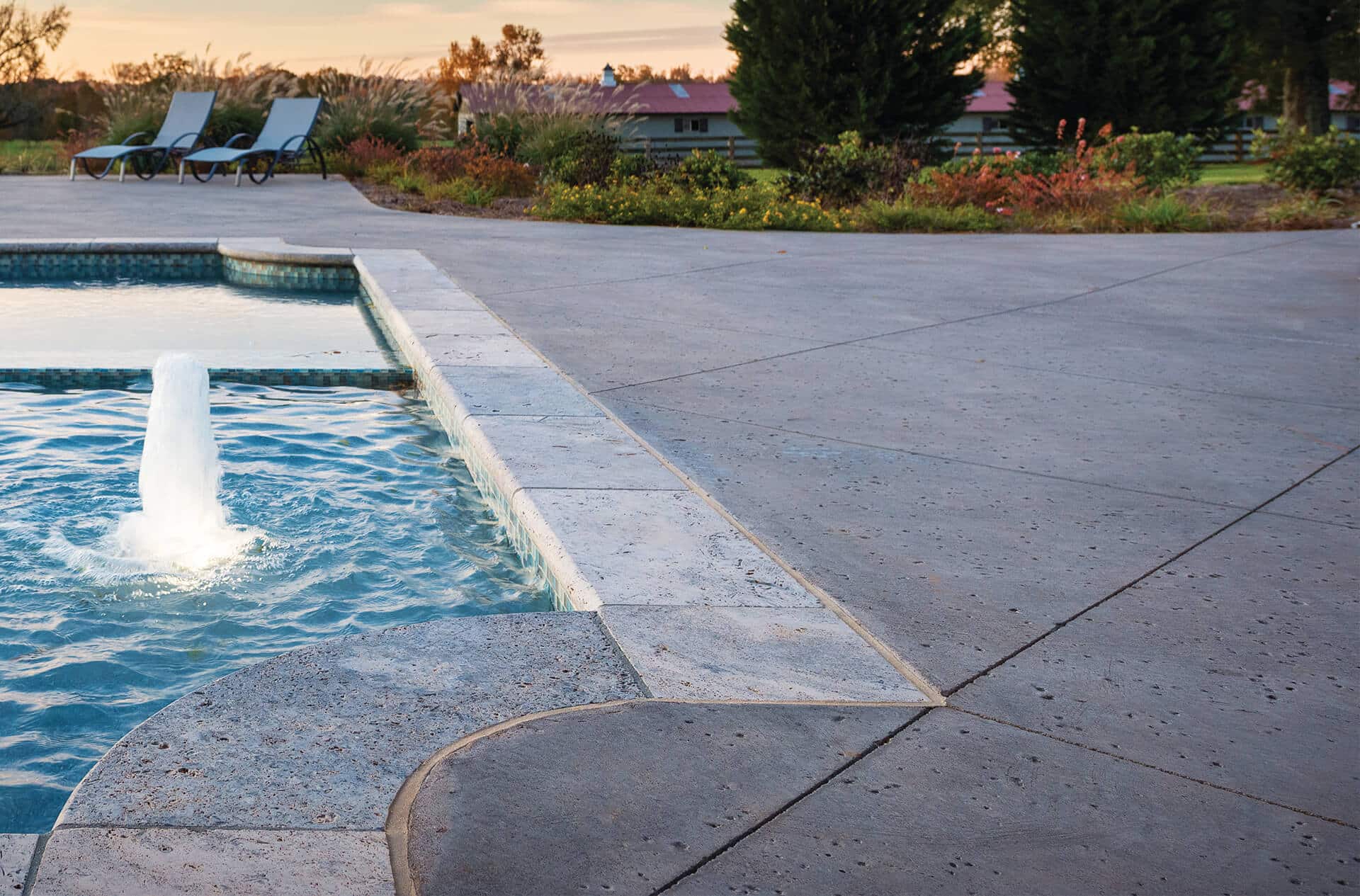
Kool Deck is known for staying cooler under the sun. It reflects heat, reducing surface temperature significantly. Stamped concrete absorbs more heat and can get very hot on sunny days. This makes Kool Deck a better choice for hot climates or pool areas.
Slip Resistance
Kool Deck has a rough texture that helps prevent slips. This makes it safer around wet areas. Stamped concrete often has a smoother finish. It can be slippery when wet unless a special coating is applied. Safety is important, especially where children or elderly people walk.
Impact On Bare Feet
Kool Deck feels softer and cooler on bare feet. It is gentle and comfortable to walk on. Stamped concrete can be harder and warmer, causing discomfort. For barefoot enjoyment, Kool Deck offers a more pleasant experience.
Credit: jmpools.com
Cost Considerations
Cost plays a big role in choosing between Kool Deck and stamped concrete. Both have different price points. Understanding these costs helps make the right choice for your budget. This section breaks down the main cost factors.
Initial Installation Cost
Kool Deck usually costs less to install than stamped concrete. It requires fewer materials and less labor. Stamped concrete involves more steps like stamping and coloring. This raises the price. Expect to pay more upfront for stamped concrete.
Long-term Maintenance Expenses
Kool Deck needs occasional cleaning and sealing. It resists cracking well, so repairs are rare. Stamped concrete may need more frequent sealing to keep its look. Cracks or chips in stamped concrete can cost more to fix. Maintenance costs add up over time.
Value For Money
Kool Deck offers good durability at a lower price. It stays cooler in the sun, adding comfort. Stamped concrete looks more decorative and can raise property value. Choose Kool Deck for budget-friendly durability. Pick stamped concrete for style and curb appeal.
Environmental Impact
The environmental impact of outdoor surfaces is an important factor to consider. Both Kool Deck and stamped concrete affect the environment in different ways. Understanding these differences helps in choosing a greener option for your space.
Material Sustainability
Kool Deck uses lightweight materials with reflective coatings. These materials often contain recycled content. Stamped concrete uses cement, water, and aggregates. Cement production creates high carbon emissions. Kool Deck’s materials generally have a smaller carbon footprint.
Heat Reflectivity
Kool Deck reflects sunlight well. This reduces heat absorption and lowers surface temperatures. Lower surface heat means less energy needed to cool nearby spaces. Stamped concrete absorbs more heat. It can make outdoor areas hotter during summer.
Water Permeability
Stamped concrete is usually sealed, blocking water flow. This can increase runoff and erosion issues. Kool Deck often allows some water to pass through. Better water permeability helps reduce flooding risks. It also improves groundwater recharge in urban areas.
Best Uses For Each
Choosing between Kool Deck and stamped concrete depends on the specific needs of your outdoor space. Each material works best in different conditions and styles. Knowing their best uses helps you select the right option for your home.
Ideal Patio Settings
Kool Deck suits pool areas perfectly. It stays cool underfoot, making it safe and comfortable. Its smooth finish resists slipping. Stamped concrete fits well in patios with decorative designs. It mimics natural stone or brick, adding charm. It suits spaces where style is a priority.
Climate Suitability
Kool Deck performs well in hot, sunny climates. It reduces heat absorption and protects against cracks. It handles intense sun without fading. Stamped concrete works better in mild to moderate climates. It may need sealing in harsh weather to prevent damage. Both can handle rain but differ in heat tolerance.
Design Compatibility
Kool Deck offers a simple, clean look. It pairs well with modern and minimalist designs. Its uniform color blends easily with various decor styles. Stamped concrete provides many pattern and color options. It suits traditional and rustic themes. This choice adds texture and character to outdoor spaces.
Making The Final Choice
Choosing between Kool Deck and stamped concrete can feel tough. Both options improve outdoor spaces but offer different benefits. Consider what matters most for your home and lifestyle. Think about style, money, and future plans. These points help narrow down the best choice.
Personal Style Preferences
Kool Deck has a smooth, cool finish that feels soft underfoot. It works well with modern or simple designs. Stamped concrete mimics natural stone or brick, adding texture and color. It fits classic or rustic looks better. Choose the style that fits your outdoor space and personal taste.
Budget Constraints
Kool Deck usually costs less to install and maintain. It requires fewer repairs over time. Stamped concrete can be pricier due to detailed patterns and colors. It may need sealing every few years. Think about your budget now and for the future before deciding.
Long-term Goals
Consider how long you want the surface to last. Kool Deck offers durability and coolness, perfect for hot climates. Stamped concrete adds value with its unique look but might need more upkeep. Plan for how your space will be used and how much care you can provide.
Credit: bluedreampool.com
Frequently Asked Questions
What Is Kool Deck And How Does It Work?
Kool Deck is a special concrete coating that stays cool under the sun. It reflects heat and reduces surface temperature. This makes it great for pool decks and patios.
How Is Stamped Concrete Different From Kool Deck?
Stamped concrete is regular concrete with patterns pressed into it. Kool Deck is a smooth, heat-reflective surface. Stamped concrete focuses on design, while Kool Deck focuses on cooling.
Which Option Is Better For Pool Areas?
Kool Deck is better for pool areas because it stays cool and is slip-resistant. Stamped concrete looks nice but can get hot and slippery when wet.
How Long Does Kool Deck Last Compared To Stamped Concrete?
Kool Deck can last 10-15 years with proper care. Stamped concrete also lasts about 10-15 years but may need more maintenance. Both are durable choices.
Is Maintenance Different For Kool Deck And Stamped Concrete?
Yes, Kool Deck needs gentle cleaning and occasional resealing to keep cool properties. Stamped concrete requires sealing to protect the design and prevent cracks. Both need care to last.
Can Stamped Concrete Be Customized Like Kool Deck?
Stamped concrete offers many design and color options for customization. Kool Deck has limited colors but focuses on cooling features. Customization depends on your priorities.
Which Surface Is Safer For Children And Elderly?
Kool Deck is safer because it stays cooler and provides better grip. Stamped concrete can become hot and slippery when wet. Safety is key around pools.
Conclusion
Choosing between Kool Deck and stamped concrete depends on your needs. Kool Deck keeps surfaces cool and feels soft underfoot. Stamped concrete offers many patterns and looks like natural stone or brick. Both last long and add style to outdoor spaces.
Think about how you will use the area and your budget. Either option can improve your home’s appearance and comfort. Take your time and pick the best fit for your space.