
When it comes to air fittings, choosing the right type can make all the difference in how smoothly your system runs. Are you working with industrial equipment or automotive tools?
The air fittings you need for each are quite different, and using the wrong ones can lead to leaks, downtime, or even costly repairs. You’ll discover the key differences between industrial and automotive air fittings. By understanding these differences, you’ll be able to pick the perfect fittings for your needs, saving you time and money.
Keep reading to make sure your air system works just the way you want it to.
Credit: www.lumberjocks.com
Types Of Air Fittings
Air fittings connect hoses, pipes, and tubes in pneumatic systems. They help control airflow and maintain system pressure. Different types suit different industries and uses. Industrial and automotive sectors use specific fittings designed for their needs. Understanding these types helps pick the right fitting for each job.
Common Industrial Fittings
Industrial air fittings often focus on strength and durability. Quick-connect fittings allow fast hose changes. Compression fittings provide tight seals for high pressure. Threaded fittings are common for pipe connections. Industrial fittings usually use materials like brass, steel, or stainless steel. These resist corrosion and wear in tough environments.
Popular Automotive Fittings
Automotive air fittings prioritize ease and speed of use. Push-to-connect fittings let mechanics attach hoses quickly. Barbed fittings secure flexible tubing firmly. Automotive fittings often use plastic or lightweight metals. They must handle vibration and temperature changes without leaking. These fittings work well with tire inflators and air tools.
Material Choices
Choosing the right material for air fittings is key in both industrial and automotive settings. Material affects strength, durability, and resistance to wear. Different environments demand specific qualities from these materials. Understanding these differences helps in selecting the best fitting for each use.
Industrial-grade Materials
Industrial air fittings need to handle high pressure and tough conditions. Steel and stainless steel are common choices. These metals resist corrosion and withstand extreme temperatures. Brass is also popular for its durability and anti-corrosive properties. Industrial fittings often require heavy-duty materials to ensure long service life. Plastic fittings are less common but used in low-pressure applications.
Automotive-specific Materials
Automotive air fittings must resist vibration and heat from engines. Aluminum is widely used due to its light weight and strength. Rubber and synthetic materials provide flexibility and seal tight connections. Some fittings combine metal and plastic to balance durability with weight savings. Materials must also resist oil and chemicals found in vehicles. This ensures safety and performance on the road.
Design And Construction
Design and construction play key roles in choosing air fittings for industrial and automotive uses. These fittings connect air hoses and tools, so they must fit well and last long. Each type faces different challenges and needs.
Durability Requirements
Industrial air fittings need to handle heavy use and harsh conditions. They face high pressure, dust, and chemicals. Materials like steel or brass are common. These metals resist wear and corrosion well.
Automotive air fittings must endure vibrations and heat from engines. They often use lighter metals or strong plastics. These materials balance durability with weight and cost. Both types require tight seals to prevent leaks.
Size And Shape Variations
Industrial fittings come in many sizes to fit large hoses and pipes. Shapes vary to connect different equipment and allow easy repairs. Common designs include quick couplers and threaded joints.
Automotive fittings are usually smaller and more compact. Their shapes match tight engine spaces and specific tools. Quick connect fittings are popular for fast changes. Both types must ensure secure, leak-free connections.
Pressure And Temperature Ratings
Pressure and temperature ratings are key factors in choosing air fittings. These ratings tell us how much force and heat the fittings can safely handle. Both industrial and automotive fittings must meet strict requirements for safety and performance.
Different uses mean different demands. Industrial fittings often face much higher pressures and temperatures than automotive ones. Understanding these differences helps pick the right fitting for the task.
Handling High Pressure In Industry
Industrial air fittings must handle very high pressures. Machines in factories use compressed air at strong force levels. These fittings often work above 300 psi and sometimes much higher.
Materials like steel or brass are common for industrial fittings. They resist wear and pressure well. The design also focuses on secure connections to stop leaks and bursts.
Temperature ratings are also high. Industrial systems may work in hot environments or near heated machines. Fittings must keep their strength and seal tight under these conditions.
Automotive Pressure Standards
Automotive air fittings face lower pressures than industrial ones. Most car systems work under 150 psi. This difference allows using lighter materials like aluminum or plastic.
Temperatures in automotive systems vary. Engines can heat the fittings, but they rarely reach industrial heat levels. Fittings still must endure cold weather and engine heat changes.
Automotive fittings focus on easy installation and durability. They need to handle vibrations and movement without failing. Pressure and temperature ratings ensure safety during driving and repairs.
Compatibility And Standards
Compatibility and standards are crucial for air fittings in both industrial and automotive sectors. These ensure safe connections and efficient air flow. Following the right codes helps prevent leaks and failures. Each industry has unique requirements and rules to meet.
Industrial Compliance Codes
Industrial air fittings must follow strict compliance codes. These codes focus on pressure limits, material strength, and safety. Common standards include ISO, ANSI, and ASME. These organizations set rules for design and testing. Industrial fittings often handle high pressure and harsh conditions. Meeting these codes ensures long-lasting and reliable connections.
Automotive Industry Standards
Automotive air fittings follow different standards from industrial ones. They focus on vibration resistance and compact design. SAE and JIS are popular standards in the automotive field. These standards ensure fittings fit well in tight spaces. They also guarantee safety in vehicle air systems. Using the right standards helps avoid air leaks and system failures.
Installation And Maintenance
Installation and maintenance are key for both industrial and automotive air fittings. Proper setup ensures safety and efficiency. Regular care extends the life of fittings and prevents failures. Understanding the differences helps choose the right approach.
Industrial Installation Practices
Industrial air fittings require strong and secure connections. Workers use specialized tools to tighten fittings correctly. Proper sealing prevents leaks and pressure loss. Installers follow strict safety rules on site. Clear labeling helps identify parts quickly. Regular checks catch wear or damage early. Heavy machinery demands robust fittings that handle high pressure.
Automotive Maintenance Needs
Automotive air fittings face heat, vibration, and road dust. Maintenance involves frequent inspections for cracks or leaks. Clean fittings ensure smooth airflow and engine performance. Mechanics replace worn parts to avoid breakdowns. Using the right parts prevents costly repairs later. Quick fixes keep vehicles running safely on the road. Routine care reduces the risk of sudden failures.
Cost Considerations
Cost is an important factor when choosing between industrial and automotive air fittings. Both types serve different purposes and come with distinct price points. Understanding these costs helps make the best choice for your project or business.
Each fitting type has unique features that affect its price. Comparing these costs can save money and avoid unexpected expenses later. Budget planning plays a key role in managing these purchases effectively.
Budgeting For Industrial Fittings
Industrial fittings usually cost more than automotive ones. They are built to handle higher pressure and tough environments. This strength adds to their price. Quality materials and strict standards also increase costs.
Buying in bulk can reduce the price per fitting. Maintenance and durability affect long-term expenses. Choosing reliable fittings lowers repair and replacement costs. Plan your budget with these factors in mind.
Automotive Fittings Pricing
Automotive air fittings are generally cheaper than industrial types. They are designed for lighter use and lower pressure. This simplicity keeps the cost down. Different brands offer various price options.
Easy installation and availability make automotive fittings cost-effective. However, cheaper fittings may wear out faster. Balance price with quality to avoid frequent replacements. This approach saves money over time.
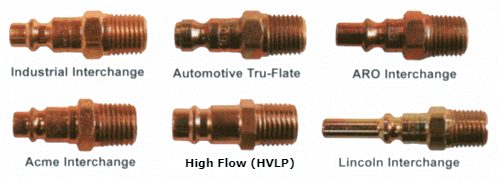
Credit: fittingsandadapters.com
Common Applications
Air fittings connect air hoses and tools to deliver compressed air efficiently. Both industrial and automotive sectors use these fittings, but their applications differ. Each type suits specific environments and tasks. Understanding these uses helps choose the right fitting for the job.
Industrial Use Cases
Industrial air fittings appear in factories and plants. They connect machines like pneumatic tools and conveyor belts. These fittings handle high pressure and heavy use. They work with air compressors and control systems in assembly lines. Industrial fittings often endure harsh conditions such as dust and heat. They help maintain smooth production and reduce downtime.
Automotive Use Scenarios
Automotive air fittings link tools in repair shops and garages. Mechanics use them with air wrenches, spray guns, and tire inflators. These fittings must be easy to connect and disconnect quickly. They support tasks like painting, tire changing, and engine repairs. Automotive fittings usually work with lower pressure than industrial types. They focus on speed and convenience for fast service.
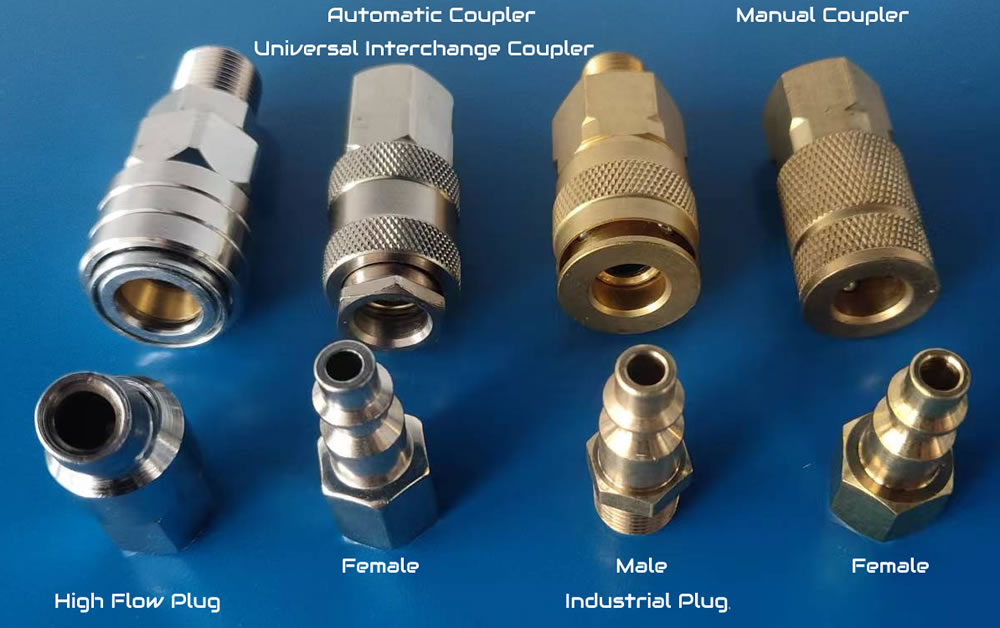
Credit: longweiairtools.com
Frequently Asked Questions
What Are The Main Differences Between Industrial And Automotive Air Fittings?
Industrial air fittings are made for heavy-duty use and high pressure. Automotive fittings focus on flexibility and quick connection in tight spaces. Their designs suit their specific environments and needs.
Which Materials Are Commonly Used In Industrial Air Fittings?
Industrial fittings often use brass, steel, or stainless steel. These materials resist corrosion and handle high pressures well. Durability is key in industrial settings.
Why Do Automotive Air Fittings Need Quick-connect Features?
Quick-connect fittings save time during assembly and repair in vehicles. They allow easy and fast connection without tools. This is vital for efficient automotive maintenance.
Can Industrial Air Fittings Handle Higher Pressure Than Automotive Ones?
Yes, industrial fittings usually handle higher air pressure safely. They are built to withstand tough operating conditions. Automotive fittings prioritize ease over extreme pressure resistance.
Are Automotive Air Fittings Compatible With Industrial Air Systems?
Generally, no. Automotive fittings have different sizes and connection types. Using the wrong fitting can cause leaks or system failure.
How Do Temperature Ranges Differ Between Industrial And Automotive Fittings?
Industrial fittings often tolerate wider temperature ranges. Automotive fittings focus on the heat generated by engines. Each fits the temperature needs of its field.
What Role Does Size Play In Choosing Air Fittings?
Size affects airflow and fitting compatibility. Industrial fittings are larger for high volume air systems. Automotive fittings are smaller to fit compact spaces.
Conclusion
Choosing the right air fittings depends on your specific needs. Industrial fittings suit heavy-duty tasks and high pressure. Automotive fittings fit smaller systems and quick connections. Both have unique features and uses. Understand your project requirements first. This helps avoid costly mistakes and downtime.
Proper fitting improves safety and performance. Always pick quality parts for lasting results. Simple but effective choices make a big difference. Keep these points in mind when selecting fittings.