
Is your shower arm loose or leaking? This common problem can be annoying and waste water, but the good news is you don’t need to call a plumber.
You can tighten your shower arm quickly and easily with just a few simple tools. You’ll discover step-by-step instructions that anyone can follow. Keep reading, and you’ll have a sturdy, leak-free shower in no time—saving you money and frustration.
Signs Of A Loose Shower Arm
A loose shower arm can cause many problems in your bathroom. It may lead to leaks, water damage, and an unstable showerhead. Knowing the signs of a loose shower arm helps you fix it early. This prevents bigger issues and saves money on repairs.
Common Leak Indicators
Water dripping from the shower arm base is a clear sign. Look for wet spots or water stains around the shower wall. You might see mold or mildew growth in these areas. Water pooling on the floor near the shower also signals a leak. Even small drips waste water and damage walls over time.
Detecting Wobbles And Movement
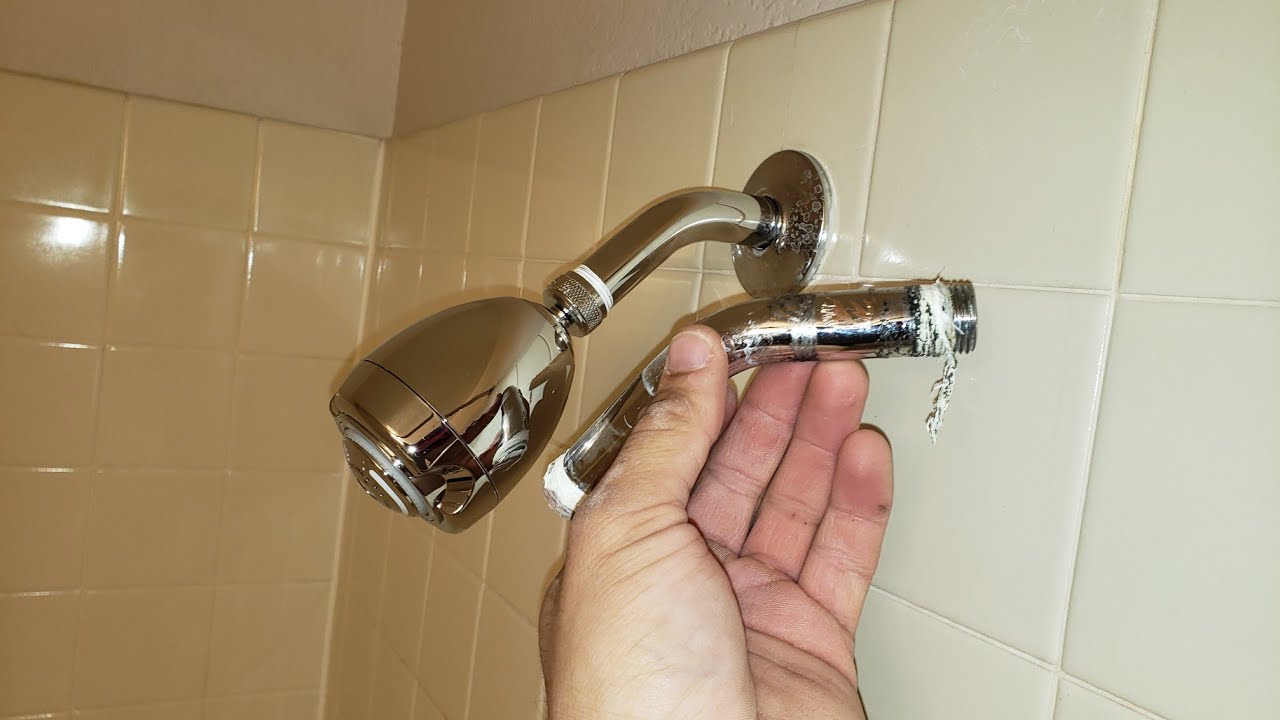
Try to gently move the shower arm by hand. If it shifts or feels loose, it needs tightening. A solid shower arm should not move at all. Wobbles cause the showerhead to tilt or fall. This can interrupt your shower and cause damage to fixtures.
Credit: www.youtube.com
Tools And Materials Needed
Tightening a shower arm requires the right tools and materials. Having these ready makes the job easier and faster. You will avoid damage and leaks if you use proper equipment. Below is a list of what you need.
Essential Tools
A pipe wrench is the main tool needed to tighten the shower arm. It grips the pipe firmly without slipping. An adjustable wrench can work if you don’t have a pipe wrench. A cloth or rag helps protect the shower arm’s finish from scratches. A flashlight is useful if the shower area is dark. Gloves protect your hands from sharp edges and dirt.
Recommended Sealants And Tapes
Plumber’s tape, also called Teflon tape, seals the threads and prevents leaks. Wrap the tape around the threads before tightening the shower arm. Pipe joint compound can be used as an extra sealant on the threads. Use a small brush or your finger to apply it evenly. Avoid using too much sealant to prevent clogging the pipe.
Preparing The Shower Arm
Preparing the shower arm is an important first step before tightening it. Proper preparation helps avoid water leaks and damage. This process includes turning off the water supply and removing the shower head carefully. Follow these steps for a smooth and safe job.
Turning Off The Water Supply
Start by shutting off the water supply to the shower. This stops water from flowing while you work. Locate the main water valve or the shower shut-off valves. Turn the valve clockwise until it stops. Check the shower to make sure no water comes out.
Removing The Shower Head
Next, remove the shower head from the arm. Use a cloth or rag to protect the finish. Grip the base of the shower head and turn it counterclockwise. If it is tight, use an adjustable wrench gently. Avoid using too much force to prevent damage. Set the shower head aside safely.
Tightening Techniques
Tightening a shower arm helps stop leaks and keeps the shower steady. Using the right technique makes the job easier and protects the plumbing. There are simple ways to tighten the shower arm by hand or with a tool. Each method fits different situations and skill levels.
Choose the best approach for your shower arm to avoid damage. Follow clear steps to do it safely and correctly.
Hand Tightening Methods
Start by turning the shower arm clockwise using your hand. This works if the arm is only a little loose. Grip the arm firmly near the wall. Turn slowly to avoid stripping the threads. Stop when it feels snug. Do not force it too much by hand. Over-tightening can cause damage. Hand tightening is a quick fix for small problems.
Using A Wrench Safely
Use a wrench when hand tightening is not enough. Choose an adjustable wrench or a pipe wrench. Protect the shower arm with a cloth to stop scratches. Place the wrench on the flat part of the arm. Turn the wrench clockwise slowly. Tighten only one-quarter to one-half turn more. Avoid using too much force. Too tight can crack the pipe or wall. Check the shower arm after tightening for leaks or movement.
Sealing Leaks Effectively
Sealing leaks effectively is key to fixing a loose shower arm. Water drips waste water and may damage walls. Proper sealing keeps your bathroom dry and safe. It also stops annoying noises from water leaks. Two common ways to seal leaks are plumber’s tape and pipe dope. Both work well but require different steps. Choose the right one for your shower arm repair.
Applying Plumber’s Tape
Plumber’s tape, also called Teflon tape, is easy to use. Start by cleaning the threads of the shower arm. Wrap the tape tightly around the threads in one direction. Usually, two to three layers work best. Make sure the tape covers the threads evenly. Avoid overlapping too much, which can cause uneven sealing. Screw the shower arm back into the wall fitting. Tighten it by hand, then use a wrench for a snug fit. The tape fills gaps and stops leaks from forming.
Using Pipe Dope Or Sealant
Pipe dope is a thick paste used to seal threaded pipe joints. Clean the threads before applying the sealant. Use a brush or your finger to spread pipe dope evenly on the threads. Avoid putting too much; a thin layer is enough. Screw the shower arm into the wall fitting carefully. Tighten it securely with a wrench. Pipe dope creates a durable seal that resists water leaks. It also helps prevent corrosion on metal parts.

Credit: www.reddit.com
Fixing Persistent Wobbles
Persistent wobbles in a shower arm can be annoying and may cause leaks. Fixing these wobbles improves your shower’s stability and prevents damage. Start by inspecting key parts that hold the arm in place.
Checking Wall Flange Stability
The wall flange covers the hole where the shower arm enters the wall. Check if it is loose or cracked. A loose flange means the arm may move and wobble. Tighten screws or replace the flange if needed. Make sure the flange fits snugly against the wall. A stable flange supports the shower arm firmly.
Reinforcing The Shower Arm Connection
Remove the shower arm and clean the threads. Use plumber’s tape around the threads to create a tight seal. Screw the arm back into the pipe carefully. Hand-tighten first, then use a wrench with a cloth to avoid scratches. This reinforcement stops movement and wobbles. Confirm the arm feels solid and does not shift after tightening.
Testing And Final Adjustments
After tightening the shower arm, testing and making final adjustments is key. This step ensures your shower works well and stays secure. You will check water flow and look for leaks. A stable shower arm means no wobbling or movement. Let’s see how to do this properly.
Restoring Water Flow
Turn on the water slowly. Watch how the water flows from the showerhead. It should come out evenly and strongly. If the flow is weak or uneven, the shower arm might be misaligned. Adjust it slightly by turning or repositioning. Check again until the water flows smoothly.
Inspecting For Leaks And Stability
Look closely around the shower arm connection for water leaks. Use a dry cloth to wipe the area. Any wet spots show a leak. Tighten the shower arm a bit more if you see leaks. Also, gently wiggle the arm to check stability. It should feel firm and not move. Fix any looseness before finishing.

Credit: www.reddit.com
Preventative Maintenance Tips
Preventative maintenance helps keep your shower arm secure and leak-free. Small actions done regularly stop bigger problems later. This saves time and money on repairs.
Follow simple steps to protect your shower arm from damage and wear. Keep the parts clean and check for any signs of loosening.
Regular Checks And Cleaning
Look at your shower arm every few months. Check for rust, mineral buildup, or leaks. Dirt and grime can make the arm loose or cause damage.
Clean the shower arm gently using a soft cloth and mild soap. Avoid harsh chemicals that might weaken the metal. Rinse thoroughly and dry it well.
Doing this keeps the threads clear and helps the arm fit tightly. Regular cleaning prevents corrosion and extends the shower arm’s life.
Avoiding Over-tightening
Do not tighten the shower arm too much. Over-tightening can strip the threads or crack the pipe.
Use just enough force to make the arm snug. Hand tight is usually enough, then use a wrench with care.
Stop turning once you feel resistance. Overdoing it causes leaks and may require replacement parts.
Gentle tightening protects your plumbing and keeps everything working well for longer.
Frequently Asked Questions
How Do I Tighten A Loose Shower Arm?
Use a wrench to turn the shower arm clockwise. Wrap plumber’s tape around the threads first. This stops leaks and keeps it tight.
What Tools Are Needed To Tighten A Shower Arm?
You need an adjustable wrench and plumber’s tape. A cloth helps protect the finish. Sometimes, silicone grease can help with sealing.
How Much Plumber’s Tape Should I Use On A Shower Arm?
Wrap plumber’s tape 3 to 4 times around the threads. Make sure it covers the threads evenly. Avoid too much tape, which can cause leaks.
Can Tightening A Shower Arm Fix Leaks?
Tightening often stops leaks caused by loose connections. Use plumber’s tape to seal the threads well. If leaks continue, check the washer or replace the arm.
How Do I Avoid Damaging The Shower Arm Finish?
Place a cloth around the shower arm before using a wrench. Tighten gently to avoid scratches or dents. Avoid using too much force.
How Do I Know If The Shower Arm Is Too Tight?
If it won’t turn or feels stuck, it may be too tight. Stop tightening to avoid breaking the pipe. Use gentle force and check for leaks.
When Should I Replace The Shower Arm Instead Of Tightening?
Replace it if the arm is cracked, bent, or corroded. Tightening won’t help damaged parts. A new arm ensures a secure and leak-free fit.
Conclusion
Tightening a shower arm is a simple task anyone can do. Use the right tools and work carefully to avoid leaks. Small fixes like this save money and prevent bigger problems. Take your time and follow steps step-by-step. Soon, you will enjoy a steady shower without drips.
Keep your bathroom working smoothly with easy maintenance. No need to call a plumber every time. Simple actions make a big difference in your home.