
Remodeling your kitchen is exciting, but it can also turn your daily routine upside down—especially when it comes to cooking. You might be wondering how you’ll manage meals without your usual setup.
The good news? You don’t have to survive on takeout or cold cereal. Setting up a temporary kitchen is easier than you think, and it can keep your cooking simple, stress-free, and even enjoyable during the remodel. You’ll discover practical tips to create a functional space that meets your needs until your dream kitchen is ready.
Keep reading, and you’ll be ready to cook with confidence, no matter the chaos around you.
Choose The Right Location
Choosing the right location for your temporary kitchen is key to making your remodel easier. The right spot helps keep cooking simple and safe. It also keeps the mess away from your living space. Think about space, access, and air flow before setting up. These factors make your temporary kitchen comfortable and efficient.
Assess Available Space
Look for a space that fits your temporary kitchen needs. It should be large enough for a small stove, fridge, and prep area. Check the floor and counters for stability. Avoid cramped or cluttered rooms. A clear, open space lets you move around easily. Make sure there is room for all your cooking tools and ingredients.
Consider Accessibility And Ventilation
Choose a location that is easy to reach from your main living areas. This makes carrying food and dishes simpler. Avoid places with lots of stairs or tight hallways. Good ventilation is important to avoid smoke and smells. Pick a spot near a window or door that opens. Use fans if needed to keep air fresh and reduce heat.
Select Essential Appliances
Selecting the right appliances is key when setting up a temporary kitchen during a remodel. Choosing essential tools helps keep cooking simple and efficient. Focus on items that fit your space and cooking needs. This approach saves time, energy, and keeps your kitchen organized.
Portable Cooking Options
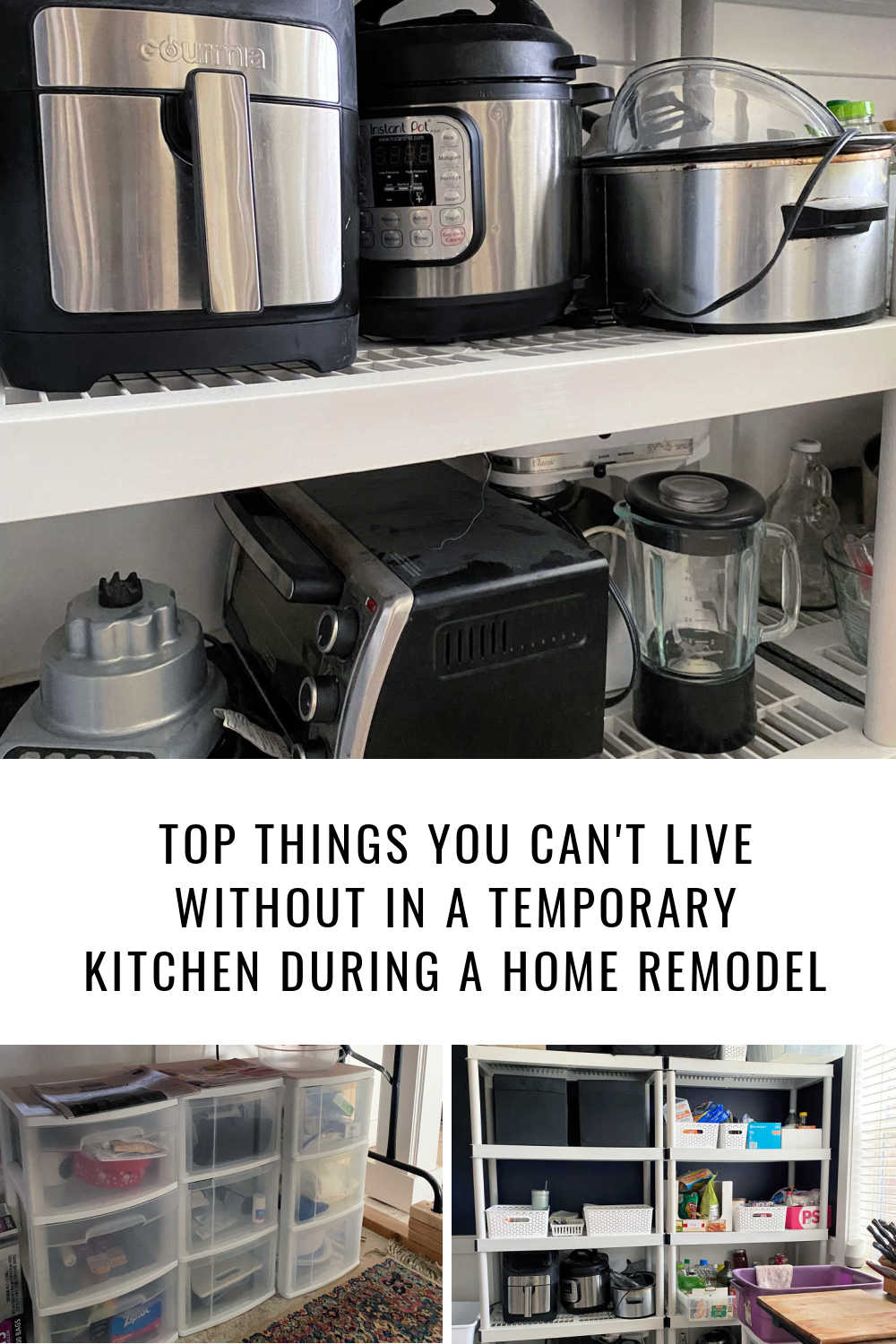
Choose compact cooking appliances that are easy to move and use. A hot plate or electric burner works well for simple meals. A microwave oven heats food quickly and safely. A slow cooker or instant pot can prepare meals with little effort. These options fit small spaces and require minimal setup.
Refrigeration Solutions
A mini fridge is perfect for keeping perishables fresh. Consider a cooler with ice packs for short-term needs. A small freezer can store frozen goods if you have space. Make sure your refrigeration choice matches your meal plans. Proper cooling prevents food waste and keeps your family safe.
Small Appliances To Include
Essential small appliances add convenience and speed. A toaster or toaster oven handles bread and snacks. A blender or food processor helps with sauces and smoothies. A coffee maker or kettle provides hot drinks easily. These items make your temporary kitchen feel complete and functional.
Plan Your Workstation Layout
Setting up a temporary kitchen during a remodel needs careful planning. The workstation layout is key. It helps keep cooking tasks smooth and organized. A smart layout saves time and reduces stress in the kitchen. Think about how you move while cooking and arrange your space to match those movements. This way, you can cook without feeling cramped or confused.
Create Zones For Prep And Cooking
Divide your temporary kitchen into clear zones. One zone should be for food preparation. Keep knives, cutting boards, and mixing bowls here. Another zone should focus on cooking. Place pots, pans, and stove nearby. This separation helps avoid clutter. It makes it easier to find tools quickly. Zones also help keep the kitchen cleaner. Each area has its own purpose. This setup speeds up meal preparation and cooking.
Maximize Counter Space
Counter space is often limited in a temporary kitchen. Use small tables or portable islands to add more surface area. Clear off anything that is not needed. Store appliances you rarely use. Stack items vertically to save space. Use cutting boards that fit over the sink or stove. This creates extra space for chopping or mixing. Keeping counters clear makes cooking easier and safer. It also helps you work faster and with less mess.

Credit: www.seattletimes.com
Set Up Storage And Organization
Setting up storage and organization is key for a temporary kitchen during a remodel. This keeps your space neat and makes cooking easier. A well-organized area helps you find what you need quickly. It also reduces stress while your main kitchen is unavailable.
Focus on creating easy access to essentials. Plan storage that fits your limited space. Keep items you use most in reach. Store less-used tools and ingredients out of the way.
Use Portable Shelving
Portable shelving units are great for temporary kitchens. They are lightweight and easy to move. Use shelves to hold pots, pans, and small appliances. Choose metal or plastic shelves for durability and easy cleaning. Open shelves help you see all your items at once. Stack shelves vertically to save floor space. Place shelving near your cooking area for quick access. Add baskets or bins on shelves to group similar items.
Organize Utensils And Ingredients
Keep utensils in containers on the countertop or shelves. Use jars or cups for spoons, spatulas, and whisks. Group similar utensils together for faster cooking. Store spices and dry ingredients in clear containers. Label containers to find items without opening them. Arrange ingredients by type or frequency of use. Keep heavy or bulky items on lower shelves. Avoid clutter by only keeping daily-use items in the temporary kitchen.
Establish Cleaning And Waste Areas
Setting up cleaning and waste areas is key during a kitchen remodel. These areas keep your temporary kitchen tidy and safe. Clear zones for washing and trash help avoid mess and confusion. They make daily tasks easier and more efficient.
Temporary Sink Options
A sink is essential for washing dishes and hands. Portable sinks work well in small spaces. You can also use a large basin or tub with clean water. Some people use outdoor garden sinks or camping sinks. Place the sink close to your cooking area to save time.
Remember to have a water source nearby. A hose or bucket can supply water. Set up a drainage method to avoid spills. Use a container or connect to a drain if possible. Keep soap, sponges, and towels near the sink for easy access.
Trash And Recycling Setup
Designate spots for trash and recycling. Use separate bins to sort waste easily. Clear labels help everyone know where to put items. Choose bins with lids to control odors and pests.
Empty bins regularly to keep the area clean. Keep trash bins away from food prep zones. Place recycling bins near the trash area but separate. Use sturdy bags to avoid leaks and spills. This setup helps maintain cleanliness and order during the remodel.

Credit: www.neilkelly.com
Ensure Safety And Convenience
Setting up a temporary kitchen during a remodel needs careful planning. Safety and convenience must come first. A well-organized space helps avoid accidents and keeps cooking easy. This section covers key points to make your temporary kitchen safe and practical.
Address Electrical Needs
Check your temporary kitchen’s electrical setup. Use outlets that can handle your appliances. Avoid overloading power strips or extension cords. Place cords away from water sources to prevent shocks. Use grounded plugs for all devices. Turn off appliances when not in use to save energy and reduce risk.
Maintain Fire Safety Measures
Keep a fire extinguisher close to your cooking area. Know how to use it properly. Do not leave cooking unattended. Clear flammable items like paper towels or curtains from near heat sources. Install a smoke detector nearby if possible. Keep a phone handy for emergencies. These steps help prevent fires and keep everyone safe.
Plan Meals For The Remodel Period
Planning meals during a kitchen remodel helps reduce stress and keeps your family fed. A temporary kitchen usually has limited tools and space. Planning meals carefully saves time and energy. It also helps avoid waste and extra trips to the store. Focus on easy and quick dishes that need little preparation. This way, you enjoy good food without the usual kitchen setup.
Simplify Cooking Methods
Choose meals that need few steps and simple tools. Use appliances like slow cookers, microwaves, or toaster ovens. These work well in small spaces and need little cleanup. Boiling, steaming, or grilling are easy cooking methods. Avoid recipes that require many pots or pans. Keep meals straightforward to reduce hassle and mess.
Stock Up On Easy-to-prepare Foods
Keep a supply of ready-to-eat or quick-cook foods. Frozen vegetables, canned beans, and pre-cut fruits save time. Buy bread, cheese, and deli meats for simple sandwiches. Instant noodles and pre-made sauces also help. These foods need little cooking and are filling. Having these on hand makes meal planning easier during the remodel.
Credit: www.rachelteodoro.com
Maintain Hygiene And Comfort
Setting up a temporary kitchen during a remodel can feel chaotic. Maintaining hygiene and comfort is key to making the space usable and safe. Cleanliness prevents germs and keeps food safe. Comfort helps you enjoy cooking and reduces stress.
Regular Cleaning Tips
Wipe down all surfaces before and after use. Use a disinfectant spray on counters and handles. Clean dishes and utensils right after use. Throw away food scraps and trash daily. Sweep or vacuum the floor to remove crumbs. Keep cleaning supplies nearby for quick access. Avoid clutter that can trap dirt and germs.
Keep The Space Comfortable
Place a fan or portable air conditioner to cool the area. Use a small rug to soften hard floors and reduce fatigue. Ensure good lighting for safe cooking and cleaning. Keep a water bottle nearby to stay hydrated. Arrange tools and ingredients within easy reach. Take breaks to avoid feeling tired or overwhelmed.
Frequently Asked Questions
How Do I Choose A Location For My Temporary Kitchen?
Select a spot with easy access to water and electricity. A garage, basement, or dining area often works best. Ensure there is enough space for appliances and food prep. Good ventilation and lighting are also important for safety and comfort.
What Essential Appliances Are Needed In A Temporary Kitchen?
Include a microwave, hot plate, toaster oven, and mini fridge. These appliances cover basic cooking and storage needs. A coffee maker or electric kettle can add convenience. Prioritize compact, easy-to-clean models to save space and effort.
How Can I Keep My Temporary Kitchen Organized?
Use shelves, storage bins, and hooks to maximize space. Keep frequently used items within reach to improve efficiency. Label containers and group similar items together. Clean and declutter daily to maintain a functional workspace.
What Safety Tips Should I Follow In A Temporary Kitchen?
Keep appliances away from water to prevent electrical hazards. Use surge protectors and avoid overloading outlets. Ensure proper ventilation to reduce smoke and odors. Keep a fire extinguisher nearby and never leave cooking unattended.
Conclusion
Setting up a temporary kitchen helps keep your meals on track during remodeling. Keep it simple with basic tools and easy-to-clean surfaces. Plan your space for comfort and safety. Stay organized to save time and reduce stress. Remember, this setup is just temporary.
Soon, you’ll enjoy your new kitchen’s full benefits. Take small steps and stay patient throughout the process. Your effort makes cooking easier now and later.