
Grease buildup in your kitchen can quickly turn from a small annoyance into a tough, stubborn mess that’s hard to clean. You might not notice it at first, but over time, that sticky layer can cause unpleasant odors, attract pests, and even affect the safety of your cooking space.
The good news? With a few simple habits and smart tricks, you can stop grease from piling up in the first place. Keep reading to discover easy, practical steps you can take right now to keep your kitchen fresh, clean, and grease-free.
Your future self will thank you!
Causes Of Grease Build-up
Grease build-up in the kitchen happens because of daily cooking activities. Oil, fats, and food particles mix and stick to surfaces. Over time, this layer grows thicker and harder to clean.
Understanding what causes grease build-up helps keep your kitchen cleaner and safer. It also protects your appliances and walls from damage.
Common Kitchen Sources
Cooking oils and butter release grease into the air and on surfaces. Frying and sautéing cause splatters on counters and stovetops. Food scraps and spills add to the problem.
Grease also comes from vents and exhaust fans that trap oily air. Leftover sauces and dressings can leave sticky spots. Even dirty dishes with oily residue contribute to build-up.
Impact On Appliances And Surfaces
Grease damages kitchen appliances by clogging vents and fans. It slows down their function and shortens their lifespan. Sticky grease on surfaces attracts dust and germs.
Walls and cabinets look dirty and lose their shine. Floors become slippery and unsafe. Over time, grease stains become tougher to remove and may cause unpleasant odors.
:max_bytes(150000):strip_icc()/ways-to-prevent-grease-buildup-on-kitchen-surfaces-GettyImages-1254788325-6238534cddfb49a493a0ec7d527acf6b.jpg)
Credit: www.realsimple.com
Daily Habits To Reduce Grease
Daily habits play a big role in stopping grease from building up in the kitchen. Small actions each day keep your kitchen fresh and clean. Consistent care prevents tough grease stains that are hard to remove later.
Simple steps like wiping surfaces and using good ventilation help a lot. These habits save time and effort in the long run. A clean kitchen feels better and stays safer for cooking.
Wiping Surfaces Regularly
Wipe kitchen surfaces after cooking. Use a damp cloth or sponge with mild soap. Clean counters, stove tops, and splash backs. This stops grease from sticking and hardening. Quick cleaning is easier than scrubbing later. Make wiping a daily routine.
Proper Ventilation Techniques
Turn on the exhaust fan while cooking. Open windows to let fresh air in. Good airflow helps carry grease particles away. It reduces the amount that settles on surfaces. Ventilation keeps air clear and kitchen walls cleaner. Use fans and windows every time you cook.
Effective Cleaning Methods
Effective cleaning methods help stop grease from building up in your kitchen. Regular cleaning keeps surfaces shiny and safe. Grease can cause bad smells and stains if ignored. Use the right tools and cleaners to make cleaning easier. A clean kitchen looks good and feels fresh.
Choosing The Right Cleaners
Select cleaners that break down grease well. Look for degreasers made for kitchen use. Avoid harsh chemicals that can damage surfaces. Test a small area first to check safety. Use spray bottles for easy application. Cleaners with citrus or vinegar work great on grease.
Using Natural Solutions
Natural solutions clean without harsh chemicals. Mix baking soda and water to make a paste. Rub the paste on greasy spots, then wipe clean. White vinegar cuts through grease and disinfects. Lemon juice adds a fresh scent and cleans well. These options are safe for kids and pets.
Cleaning Kitchen Appliances
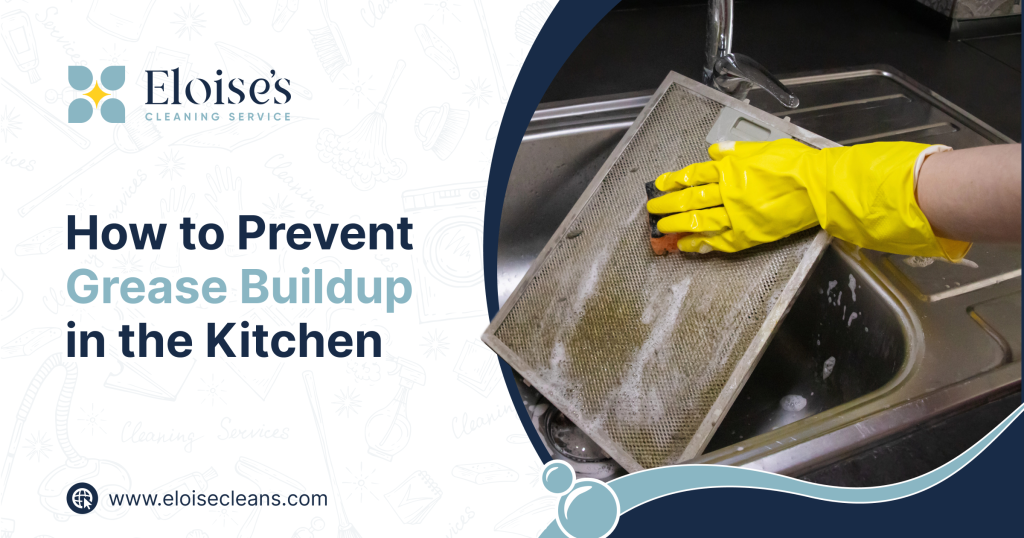
Grease collects on ovens, stovetops, and microwaves. Wipe appliances after every use to avoid buildup. Use warm soapy water for daily cleaning. For tough grease, apply a degreaser or natural paste. Clean appliance filters regularly to keep them working well. Dry surfaces with a clean cloth to prevent streaks.
Credit: eloisecleans.com
Preventive Tools And Accessories
Preventive tools and accessories help keep grease from building up in your kitchen. Using the right items saves time and effort on cleaning. These tools catch grease before it spreads on surfaces.
Grease Traps And Filters
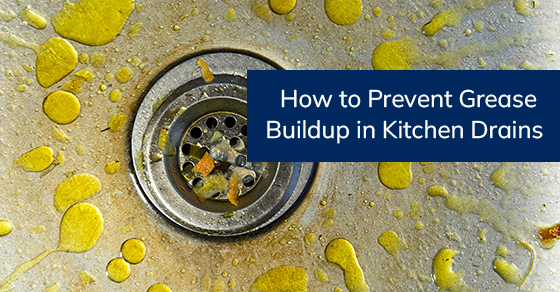
Grease traps collect fats and oils from wastewater. They stop grease from clogging drains and pipes. Installing a grease trap under your sink is simple. Filters in range hoods catch grease particles while cooking. Clean or replace filters regularly to keep them effective. These tools protect your plumbing and reduce bad smells.
Splatter Screens And Covers
Splatter screens cover frying pans and pots. They stop hot grease from splashing onto counters and walls. Using a screen makes cooking safer and cleaner. Covers on pots keep steam and grease inside. This limits mess and prevents grease stains. Choose screens that fit your cookware for best results.
Maintenance Tips For Long-term Cleanliness
Keeping your kitchen free of grease build-up takes regular care. Simple habits help maintain a clean kitchen environment. This section shares key maintenance tips for long-term cleanliness.
Follow these steps to reduce grease and keep your kitchen fresh. Regular attention prevents tough grease layers and keeps appliances working well.
Scheduled Deep Cleaning
Set a routine for deep cleaning every few weeks. Focus on areas where grease collects most, like stove hoods and backsplashes. Use warm water and a mild degreaser to wipe surfaces. Scrub stubborn spots with a soft brush or cloth. Deep cleaning stops grease from turning sticky and hard to remove.
Checking And Replacing Filters
Check your kitchen filters monthly for grease and dust. Filters trap grease and keep air fresh, but they need care. Remove filters and wash them with soap and hot water. Let them dry completely before reinstalling. Replace filters if they look worn or damaged. Clean filters improve air flow and reduce grease build-up on surfaces.
Avoiding Common Mistakes
Preventing grease buildup starts with avoiding common mistakes in your kitchen. These errors often make the problem worse or cause damage. Understanding and correcting these habits can keep your kitchen cleaner and safer. Focus on simple, practical steps that anyone can follow.
Using Harsh Chemicals Incorrectly
Harsh chemicals can seem like a quick fix for grease. Using them too often can harm your surfaces and pipes. Always follow the instructions on the label. Never mix different cleaners; this can cause dangerous fumes. Use gloves to protect your skin. Rinse surfaces well after cleaning to remove any residue. Gentle, natural cleaners often work just as well.
Neglecting Ventilation Systems
Ventilation helps remove grease and smoke from the air. Ignoring your kitchen fan or hood lets grease settle on walls and cabinets. Clean filters regularly to keep air flowing freely. Check vents for blockages or damage. Proper ventilation reduces buildup and improves air quality. It also helps stop grease from spreading to other areas.
Credit: www.brothersplumbing.ca
Frequently Asked Questions
What Causes Grease Build-up In The Kitchen?
Grease builds up from cooking oils, fats, and food splatters. Warm surfaces attract and hold grease, making it sticky and hard to clean.
How Often Should I Clean Kitchen Surfaces To Avoid Grease?
Clean kitchen surfaces daily to prevent grease from hardening. Wipe counters, stove, and vents after cooking for best results.
Which Cleaning Products Work Best For Removing Kitchen Grease?
Use degreasers or dish soap mixed with warm water. These break down oils effectively without damaging surfaces.
Can Vinegar Help In Preventing Kitchen Grease Build-up?
Yes, vinegar cuts through grease and cleans surfaces well. Mix with water to create a safe, natural cleaning spray.
How To Keep Kitchen Exhaust Fans Free From Grease?
Clean exhaust fans every few weeks using warm soapy water. Removing grease stops buildup and keeps air flowing smoothly.
Why Should I Avoid Letting Grease Sit In The Sink?
Grease can clog pipes and cause bad odors. Always wipe excess grease before washing dishes or use a grease trap.
What Habits Help Reduce Grease Build-up While Cooking?
Use lids on pans to reduce splatter and clean spills right away. Regular cleaning keeps grease from sticking and piling up.
Conclusion
Preventing grease build-up keeps your kitchen clean and safe. Clean spills and splatters right away. Use warm, soapy water for regular cleaning. Avoid letting grease sit and harden on surfaces. Ventilate your kitchen while cooking to reduce grease. Regularly clean exhaust fans and filters too.
Small habits make a big difference over time. A clean kitchen feels fresh and inviting every day. Simple steps help you avoid tough grease problems later. Keep your kitchen shining with easy, daily care.