
The fastest way to move a foosball table is to remove the legs, lift the playing surface by its reinforced handles, and carry it flat on a dolly. You need two people for this because the unit stays heavy even without the frame. This method works best for standard residential tables that weigh between 150 and 250 pounds when disassembled. Trying to slide the full table across hardwood floors will scratch your finish and hurt your back, so taking it apart is the only safe choice.
Tools you need for moving a foosball table
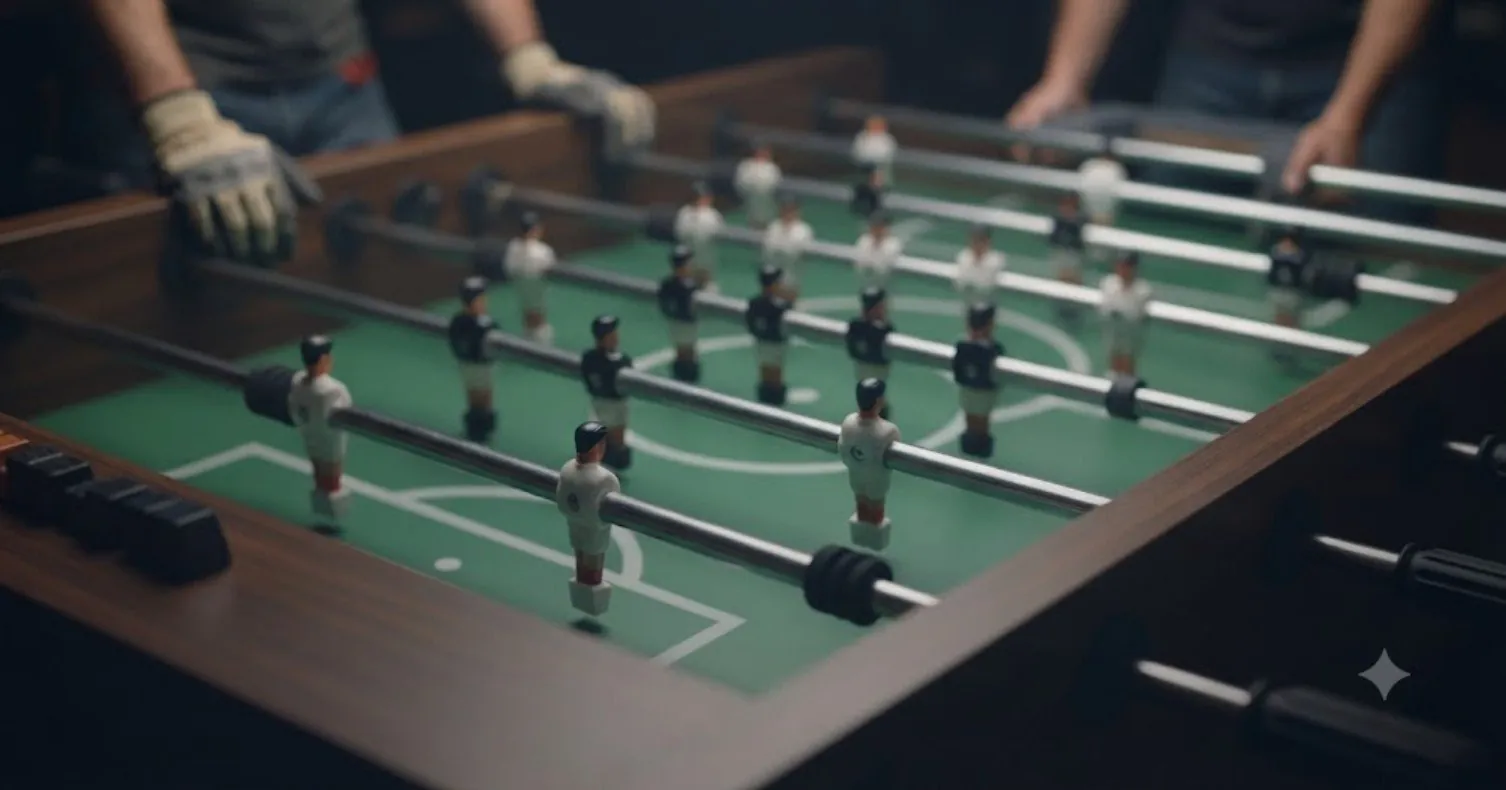
You must gather specific gear before you touch the table. A standard screwdriver set won’t cut it if the bolts are rusted or stripped. Here is what actually goes into the box:
- Allen wrench set: Most modern tables use hex bolts for leg attachment. If you don’t have the right size, you’ll strip the heads and leave yourself with no way to reassemble it later.
- Heavy-duty dolly: A regular furniture dolly might tip under the weight of the metal rods. Look for one rated for at least 600 pounds to keep the load stable during transit.
- Moving blankets: These protect the painted surface from scratches. Thin sheets slide off too easily; thick wool blends grip the edges and stay in place while you walk.
- Packaging tape: Use this to secure loose parts like player figures or scorekeepers. Don’t use duct tape on the wood finish as it leaves a sticky residue that ruins the paint job.
- Gloves: Leather work gloves give you grip on smooth metal rods. Cotton gloves slip when you sweat, which happens fast when you’re lifting heavy objects.
- Helper: You absolutely need a second person. One person can’t safely control the balance of a wide table top while navigating stairs or doorways.
One substitution that works is using a hand truck instead of a flat dolly if you have narrow hallways. One substitution that doesn’t work is trying to wrap the entire table in plastic shrink wrap; it traps moisture and warps the wood底板 over time. Always check with your insurance provider about coverage for large items during a move, as standard policies often exclude high-value recreational equipment.
Step-by-step guide to disassembly and transport
Follow these steps carefully to avoid injury or damage to your table. Each action builds on the last, so don’t skip ahead.
- Clear the playing field. Remove all balls, scorekeepers, and any loose accessories. Check underneath the rods for small parts that might fall out when you tilt the table. This takes about five minutes but saves you from losing pieces in the carpet.
- Locate the leg bolts. Turn the table upright and find where each leg connects to the base. Most models use four bolts per leg. Mark their location with tape so you know exactly where they go back.
- Unscrew the legs. Use your Allen wrench to loosen the bolts. Don’t remove them completely until all four legs are loose. This keeps the frame stable while you work. Once loose, set the legs aside in a safe spot.
- Disconnect the rods (optional). If your table has removable rod assemblies, unbolt them now. This reduces weight significantly. Label each bag with the row number (e.g., “Goalkeeper,” “Forwards”) to ensure correct reassembly later.
- Lift the main body. With the legs off, two people should grip the reinforced handles on the side rails. Lift straight up; don’t twist your spine. Place the table directly onto the dolly.
- Secure the load. Wrap the table in moving blankets and strap it tightly to the dolly. The straps must cross over the center to prevent shifting. Test the stability by gently pushing it; it shouldn’t wobble.
- Transport to the vehicle. Roll the dolly slowly to your car or truck. Keep the table flat and level. Never tilt it more than 15 degrees, as this can crack the internal support beams.
- Load into storage or vehicle. Slide the dolly into the space. Use additional blankets to fill gaps. Ensure nothing rests on top of the playing surface, as pressure points can cause permanent warping.
Tip: If the bolts are stuck, apply penetrating oil and wait ten minutes. Forcing them breaks the wrench or strips the bolt head, costing you hours of repair time.
Careful: Never try to slide the table on its bottom edge. The finish will chip instantly, and the structural integrity of the base may fail.
Tip: Take photos of the wiring (if electronic) before disconnecting anything. This prevents confusion when you reconnect it weeks later.
How the move changes with your situation
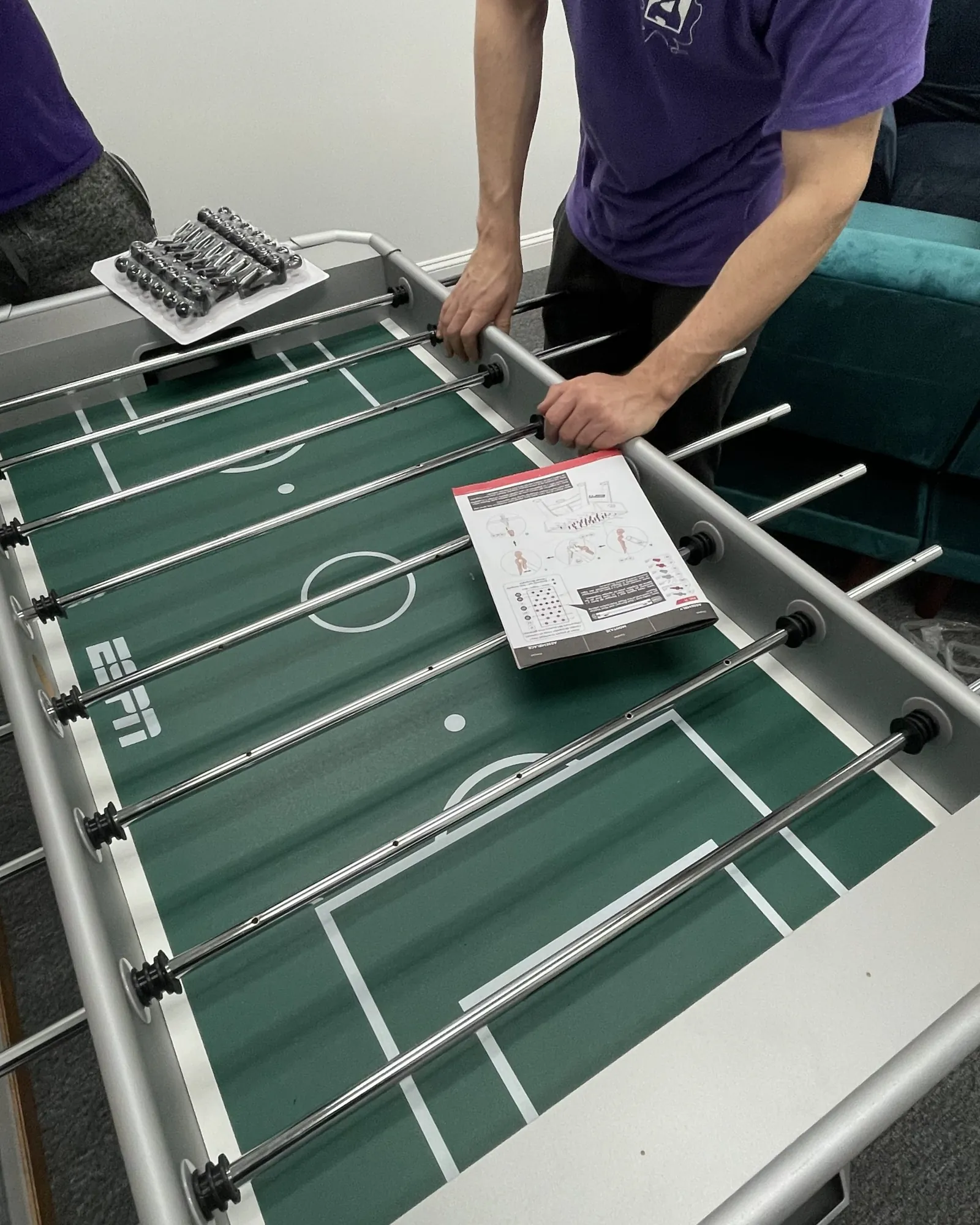
The effort required shifts based on where you’re taking the table and how much space you have. A short move across the room is different from a long-distance relocation.
| Situation | Time Cost | Money Cost | What Changes | Watch For |
|---|---|---|---|---|
| Room-to-room move | 30 mins | $0 (DIY) | No disassembly needed if floor is clear. | Scratches on hardwood floors. |
| House to house (local) | 2 hours | $50 (Rental) | Full disassembly required. | Narrow doorways and stairs. |
| Long distance (truck) | 4 hours | $200+ (Boxing) | Needs custom crating for protection. | Vibration damage during transit. |
| Storage unit drop-off | 1 hour | $10 (Pallet) | Requires pallet for easy loading. | Moisture buildup if not ventilated. |
Starting small means testing the fit in your first doorway before committing to the whole path. It’s safer to measure twice than to get stuck halfway through a hallway with a jammed table.
How to tell you did it right
A successful move leaves your table ready to play without adjustment. A poor result shows visible stress marks or misaligned parts. When you reassemble the table, the playing surface should sit perfectly level. If one corner sags, the base was warped during transport. This happens when the table was tilted too far or left unsupported for too long. To prevent this, always keep the table flat on the dolly and never let it hang off the edge.
Check the rod rotation next. Each line of players should spin freely without grinding against the frame. If a rod sticks, the mounting bracket shifted during the move. Tighten the brackets evenly to fix this.
Finally, inspect the feet. They should be flush with the floor and provide stable contact. Uneven feet mean the table rocks, which ruins gameplay. If you notice any of these issues, stop playing and adjust the hardware immediately. Ignoring a slight wobble now leads to broken rods later.
Test the goal mechanisms specifically. The nets must retract fully into their housings without catching on the rim. If they snag, the alignment pins were knocked out of place. Reinsert the pins gently until they click into position. Don’t force them, as plastic breaks easily under pressure. You can verify proper alignment by dropping a puck into each goal from directly above. It should fall straight through without hitting the sides.
Listen for metallic clicks when rotating the rods. These sounds indicate loose screws in the bearing assemblies. Tighten them with a hex key before starting the match. Loose bearings cause uneven wear on the player figures over time. This is a common mistake that costs players expensive replacements months later. Addressing it now saves money and ensures smooth gameplay.
Wipe down the entire surface with a dry cloth after assembly. Dust accumulates during transport and affects ball roll speed. A clean surface guarantees consistent physics for every shot. Check the score counter mechanism as well. Ensure both digits advance correctly when goals are scored. Stuck counters lead to disputes and ruined matches. Reset them to zero if they fail to move.
Rules and post-move checks
Local building codes don’t regulate foosball tables, but safety standards from the Consumer Product Safety Commission (CPSC) advise securing heavy furniture to walls in homes with children. Consumer Product Safety Commission guidelines recommend anchoring any item over 50 pounds to prevent tipping.
Use a wall anchor kit rated for at least twice the table’s weight. Drill into wall studs, not drywall alone. Drywall anchors fail under sudden lateral force when a child climbs the rails. Studs provide the necessary structural integrity to stop the unit from falling forward.
After you finish moving, clear away all packing materials and dispose of them properly. Record the serial number of your table in a safe place for insurance purposes. The result lasts indefinitely if you store it correctly, but humidity changes can affect the wood.
Keep the table in a climate-controlled environment to maintain its condition. If you live in a very dry area, consider using a humidifier nearby to prevent the wood from cracking. Maintain relative humidity between forty and fifty percent. Use a hygrometer to monitor levels accurately. Wood expands and contracts with moisture shifts. Rapid fluctuations cause joints to loosen or surfaces to warp.
Avoid placing the table near heating vents or air conditioning returns. Direct airflow dries out the wood unevenly. This creates stress points that lead to cracks in the playing surface. Consistent ambient temperature protects the structural glue holding the frame together.
Other ways to handle the move
Hire professional movers
Pros bring dollies and experience, offering a cost-effective alternative that saves your back and guarantees no damage, making it ideal for long distances.
Rent a U-Haul with help
A more affordable option than hiring professionals allows you to handle the labor yourself, which suits DIYers with strong friends despite the risk of self-injury from incorrect lifting.
Sell and replace
If the table is old, selling it online avoids moving costs entirely. You buy a new one locally. Saves time but loses sentimental value.
Frequently asked questions
Can I move a foosball table alone?
No. A standard table weighs over 100 pounds even without legs. One person can’t control the balance while walking. You risk dropping it on your foot or damaging the floor. Always get a helper.
How long does it take to disassemble a foosball table?
It takes about 15-20 minutes for most standard models. Complex electronic tables may take 30 minutes due to wiring. Factor in extra time if bolts are rusty or hard to reach.
Is it safe to roll a foosball table on its wheels?
Never roll it on its built-in casters unless they’re designed for transport. Most home tables have static feet. Rolling them drags the finish and breaks the axle. Disassemble it instead.
What happens if I don’t remove the legs?
The table becomes too tall and unwieldy to navigate doorways. You’ll likely get stuck in the frame or damage the door jamb. Removing legs reduces height and weight for easier handling.
How much does it cost to hire movers for a foosball table?
Local moves typically involve moderate costs, while long-distance moves are priced based on mileage; obtaining quotes from at least three licensed movers ensures fair pricing.
Conclusion
Moving a foosball table doesn’t have to be a nightmare if you plan ahead. By removing the legs and using proper tools, you protect both your furniture and your health. Take your time with each step, and enjoy your game in its new location.