
Are you noticing tiny tunnels or damaged wood inside your kitchen cabinets? Termites could be silently eating away at your valuable space right now.
Ignoring them can lead to costly repairs and even affect your home’s safety. But don’t worry—you can take action today to protect your kitchen and stop these pests for good. You’ll discover simple, effective ways to get rid of termites in your kitchen cabinets before they cause serious damage.
Keep reading to learn exactly what you need to do to save your home.

Credit: www.reddit.com
Signs Of Termites In Kitchen Cabinets
Termites can cause serious harm to kitchen cabinets. They often hide inside the wood, making their presence hard to notice. Early signs help catch termite problems before severe damage occurs. Watch for subtle clues to protect your kitchen.
Visible Damage And Wood Dust
Look for small holes or cracks on cabinet surfaces. Termites eat wood from the inside out. You may see tiny piles of wood dust below damaged areas. This dust comes from termites chewing through the wood. Notice any crumbling or flaking wood too.
Swarmers And Mud Tubes
Swarmers are winged termites that leave the nest to start new colonies. Spotting swarmers near your cabinets signals an active infestation. Mud tubes on cabinet edges or walls also point to termites. These tubes protect termites as they travel outside the wood.
Soft Or Hollow Wood
Press on cabinet wood gently. Soft or hollow spots mean termites have eaten through. Tap the wood lightly to hear a hollow sound. This indicates tunnels inside the cabinet structure. Damaged wood weakens the cabinet and needs quick attention.
Common Causes Of Termite Infestation
Termites often invade kitchen cabinets because of certain common causes. Understanding these causes helps prevent infestations. Termites need specific conditions to thrive. Knowing what attracts them can protect your home.
Moisture And Leaks
Termites love damp environments. Moisture from leaks under sinks or pipes creates perfect homes. Wet wood softens, making it easy for termites to chew. Fixing leaks quickly stops termite access.
Wood-to-soil Contact
Wood touching soil invites termites inside. Soil holds moisture and termites live underground. If cabinets or walls touch soil directly, termites can crawl inside. Keep wood away from soil to reduce risk.
Clutter And Poor Ventilation
Clutter in cabinets traps moisture and warmth. Poor airflow creates humid spots that termites prefer. Clean cabinets and improve ventilation to keep areas dry. Dry spaces repel termites effectively.
Diy Methods To Eliminate Termites
DIY methods help control termites in kitchen cabinets without harsh chemicals. These approaches target termites directly and reduce damage. They work best for small infestations or as a first step before calling professionals.
Using safe, simple materials can protect your cabinets and kitchen structure. Regular treatment and cleaning keep termites away and prevent return visits.
Applying Boric Acid
Boric acid is a natural substance toxic to termites but safe for humans. Dust boric acid powder into cracks and crevices inside cabinets. It sticks to termites and kills them over time.
Wear gloves and a mask to avoid inhaling the powder. Apply boric acid lightly and reapply after cleaning or heavy use. This method controls termites by disrupting their digestion.
Using Orange Oil
Orange oil contains d-limonene, which kills termites on contact. Use a spray bottle to apply orange oil directly to infested areas. The oil penetrates wood and attacks termites quickly.
Test orange oil on a small cabinet area first to avoid damage. Repeat treatment weekly until termite activity stops. Orange oil offers a natural, odor-friendly alternative to chemicals.
Vacuuming And Cleaning
Vacuuming removes termite debris and live insects from cabinets. Use a vacuum with a hose attachment for tight spots. Empty the vacuum bag outside to prevent reinfestation.
Clean cabinets regularly with mild soap and water to remove food and moisture. Dry cabinets thoroughly after cleaning. This removes termite food sources and makes the area less inviting.
Chemical Treatments For Termites
Chemical treatments are a common way to fight termites in kitchen cabinets. These treatments kill termites quickly and stop them from coming back. They work by using special chemicals made to target termites.
Different chemical methods suit different termite problems. Some treat the wood directly. Others create a barrier around your cabinets. Choosing the right treatment depends on the termite type and damage level.
Termiticide Sprays
Termiticide sprays kill termites on contact. You spray the chemical on affected wood and inside cracks. The sprays reach deep into wood to stop termites inside.
These sprays act fast. They also leave a protective layer that kills new termites. Sprays are easy to apply and good for small infestations.
Fumigation Options
Fumigation uses gas to kill termites in enclosed spaces. The gas penetrates wood and hidden areas in cabinets. It kills termites at all life stages, including eggs.
This method requires sealing the kitchen or home for hours. It is very effective for severe infestations. Professionals usually handle fumigation for safety reasons.
Baiting Systems
Baiting systems attract termites to poison bait stations. Termites eat the bait and carry poison back to the colony. This slowly kills the entire colony over weeks.
Baiting is less messy than sprays or fumigation. It works well to control termites around cabinets over time. Regular monitoring is needed to replace baits and check progress.
Natural Remedies And Prevention
Natural remedies offer safe ways to fight termites in kitchen cabinets. These methods avoid harsh chemicals and keep your home eco-friendly. Prevention is key to stop termites from coming back. Simple steps can protect your cabinets for a long time.
Nematodes And Beneficial Insects
Nematodes are tiny worms that eat termites. They hunt termites in the wood and kill them. You can buy nematodes online or at garden stores. Release them near termite spots in your kitchen cabinets.
Other helpful insects include certain types of ants and beetles. These insects naturally control termite numbers. They live in soil and wood. Encouraging beneficial insects helps keep termites away.
Essential Oils For Repelling
Essential oils like orange, neem, and tea tree keep termites away. These oils have strong smells termites dislike. Mix a few drops with water and spray inside cabinets. Repeat often to keep the smell strong.
Using essential oils is safe for your family and pets. Avoid oily buildup by wiping surfaces after spraying. Oils also help freshen the air in your kitchen.
Maintaining Dry Cabinets
Termites love damp places. Keep kitchen cabinets dry to stop them. Fix leaks in pipes and sinks quickly. Use a dehumidifier if your kitchen is humid.
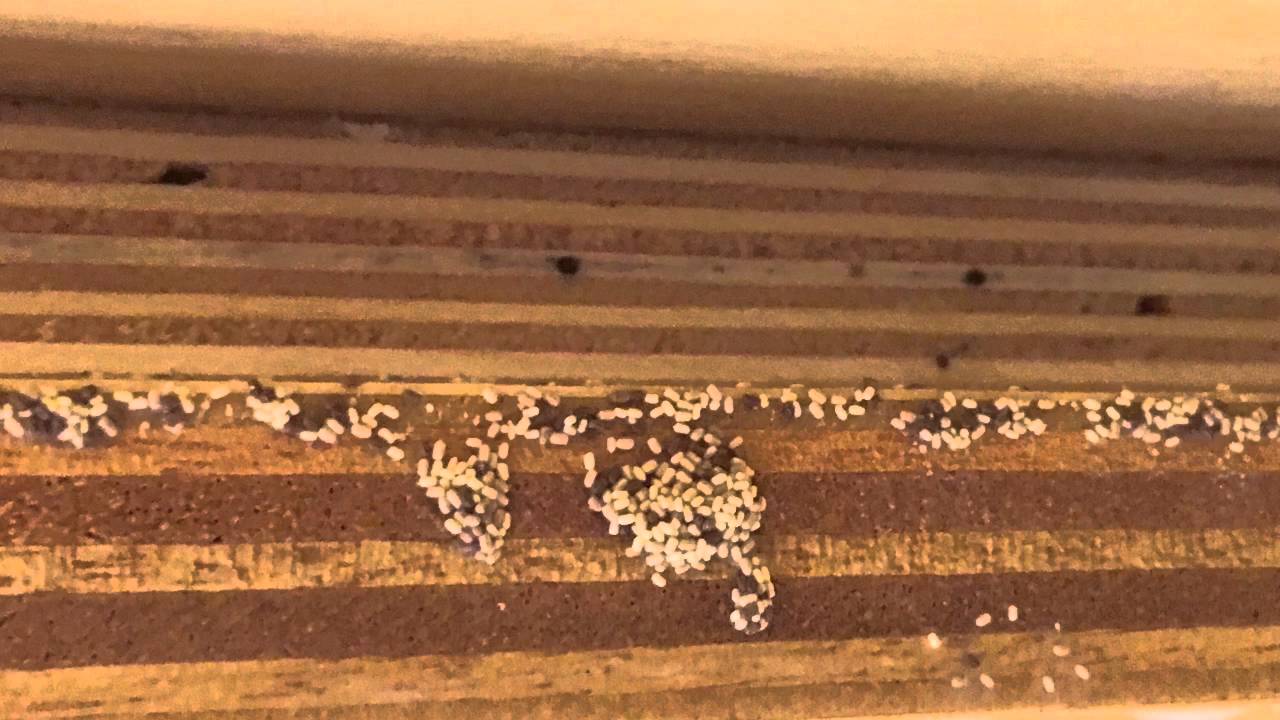
Good air circulation helps dry out cabinets. Open windows or use fans. Dry wood is hard for termites to damage. Check your cabinets regularly for moisture or mold.
Credit: www.youtube.com
When To Call A Professional
Knowing when to call a professional for termite problems in kitchen cabinets is very important. Small infestations might be handled with DIY methods. But some situations need expert help to stop the damage and protect your home.
Termites can cause serious damage fast. Early action can save your cabinets and money. Watch for signs that show the infestation is too big to handle alone. Professionals have tools and skills to remove termites safely and completely.
Signs Of Severe Infestation
Look for hollow-sounding wood when tapped. Mud tubes on cabinet surfaces or walls show termite paths. Crumbling or blistered wood means termites have eaten inside. Large piles of termite wings indicate many termites have swarmed. If you see several signs, the problem is serious.
Benefits Of Expert Inspection
Experts find hidden termite nests you can’t see. They use special tools to check inside walls and wood. A professional inspection shows the full damage extent. This helps in choosing the best treatment plan. Experts also give advice on preventing future infestations.
Choosing The Right Pest Control Service
Pick a licensed company with good reviews. Ask if they use safe, effective termite treatments. Check if the company offers a warranty on their work. Compare prices but don’t pick only on cost. A reliable service gives lasting results and peace of mind.
Preventing Future Termite Problems
Stopping termites before they start saves time and money. Preventing future termite problems keeps your kitchen cabinets safe and strong. Small actions can protect your home from serious damage.
Regular Inspections
Check your kitchen cabinets often for signs of termites. Look for tiny holes, wood dust, or hollow sounds. Early detection helps stop infestations quickly. Set a monthly reminder to inspect your cabinets carefully.
Sealing Cracks And Gaps
Termites enter through small cracks and gaps. Seal all openings around cabinets using caulk or weatherstripping. Pay attention to joints, edges, and places where pipes enter. Tight seals block termite access to your wood.
Proper Storage And Cleaning
Keep cabinets clean and dry to deter termites. Wipe up spills and remove crumbs regularly. Store food in airtight containers to avoid attracting pests. Avoid stacking wood or cardboard near cabinets. Clean spaces reduce termite hiding spots.

Credit: www.livspace.com
Frequently Asked Questions
How Do I Identify Termites In Kitchen Cabinets?
Look for tiny holes, wood dust, or hollow sounds in cabinets. Termites often leave mud tubes or damaged wood behind. Early detection helps prevent major damage and costly repairs in your kitchen.
What Are The Best Natural Remedies For Termite Removal?
Use orange oil, neem oil, or boric acid as natural termite treatments. These options are safe, eco-friendly, and effective for minor infestations in kitchen cabinets. Always follow application instructions carefully.
Can Diy Termite Treatments Fully Eliminate Infestations?
DIY treatments can reduce small termite populations but may not remove infestations completely. For severe cases, professional pest control is recommended to ensure thorough elimination and protect your kitchen cabinets.
How Can I Prevent Termites From Returning To Cabinets?
Keep cabinets dry, seal cracks, and remove wood debris near kitchen areas. Regular inspections and proper ventilation reduce termite attraction and help maintain a termite-free kitchen environment.
Conclusion
Termites in kitchen cabinets cause serious damage and stress. Act fast to stop their spread and protect your home. Use safe treatments and check cabinets regularly for signs. Clean and seal cracks to keep termites out. Call a professional if the problem grows too big.
A termite-free kitchen means a safer, cleaner space. Stay alert and take simple steps to keep pests away. Your kitchen deserves care and attention every day.