
Are you tired of those tiny pissant bugs invading your kitchen and ruining your peace? You’re not alone.
These pesky little creatures can be a real nuisance, sneaking into your food and making your space feel unclean. But don’t worry—you can take control and get rid of pissants for good. You’ll discover simple, effective ways to protect your kitchen and keep these unwanted guests out.
Keep reading, because the solution is easier than you think!

Credit: todayshomeowner.com
Identifying Pissants In The Kitchen
Knowing how to identify pissants in the kitchen helps stop them fast. These pests cause damage and spread germs. Catching them early prevents bigger problems. Pay attention to small signs and traits. It makes removing them easier and safer for your home.
Common Traits Of Kitchen Pests
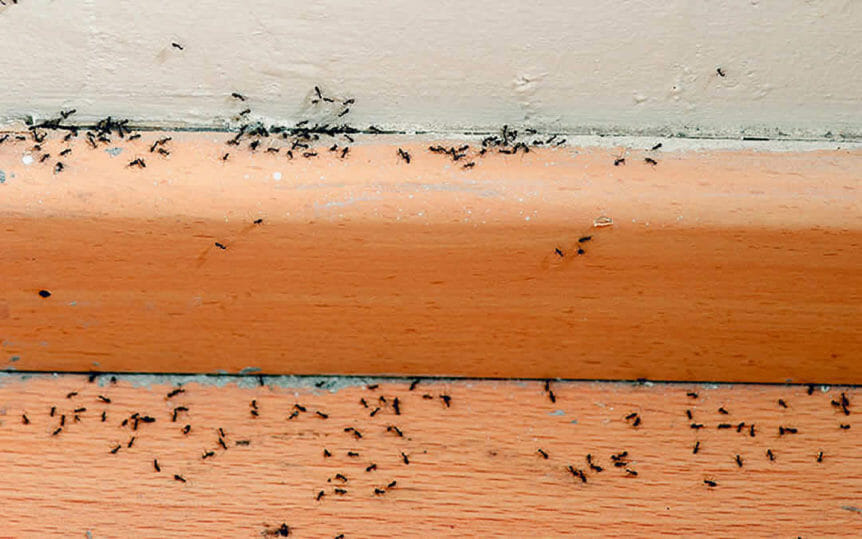
Pissants are tiny insects that move quickly. They often hide in dark, damp places like under the sink. Their bodies are small, usually less than half an inch long. They have six legs and antennae. Their color ranges from light brown to dark. Some pissants leave a faint odor when crushed. They prefer food crumbs, grease, and leftover moisture. They avoid bright light and stay close to food sources.
Signs Of Infestation
Small droppings near food or cabinets hint at pissant presence. You may see tiny holes in packaging or wrappers. Sticky residue or smears on surfaces can appear. Unexplained musty smells could signal hidden pests. Frequent sightings of small bugs during the day are a clear sign. Damage to fresh produce or crumbs in hidden spots also warns of infestation. Early signs help take action before the problem grows.
Causes Of Pissant Infestations
Pissants can become a big problem in kitchens. They invade spaces where food is stored or prepared. Understanding what causes these infestations is key to stopping them. It helps to know what attracts pissants and how they enter your kitchen. This knowledge allows better prevention and control.
Food Sources That Attract Pissants
Pissants are drawn to many common kitchen foods. Crumbs left on counters or floors invite them. Unsealed food containers, especially with sweets, attract these pests. Spills and sticky residues on surfaces are a magnet. Garbage bins with food waste provide a perfect feast. Pet food left out can also lure them in. Moist foods and leftovers are high on their list.
Entry Points In The Kitchen
Pissants find many ways to enter kitchens. Small cracks in walls or baseboards serve as entry points. Gaps around pipes and drains allow easy access. Windows and doors that don’t close tightly let them slip inside. Holes in screens or vents create open doors. Sometimes, they come in through grocery bags or boxes. Sealing these openings can reduce their entry greatly.
Preventing Pissant Problems
Preventing pissant problems in the kitchen is the best way to keep your space clean and safe. Pissants are small pests that can spread germs and damage food. Stopping them before they appear saves time and effort later. Focus on three main areas to reduce their chance of invading your kitchen.
Proper Food Storage Techniques
Store food in airtight containers. This keeps smells from attracting pissants. Keep fruits and vegetables in the fridge if possible. Do not leave food out overnight. Clean up crumbs and spills immediately. Check packages for holes or tears before buying.
Maintaining Kitchen Cleanliness
Wipe counters and tables daily. Sweep and mop floors regularly. Empty trash cans often and use bags with tight seals. Clean under appliances where crumbs may hide. Avoid leaving dirty dishes in the sink. Remove pet food when not feeding pets.
Sealing Entry Points
Inspect your kitchen for cracks and holes. Use caulk to seal gaps around pipes and walls. Install door sweeps on exterior doors. Repair torn window screens. Close vents with fine mesh screens. Keep pantry doors shut tightly at all times.
Natural Remedies To Eliminate Pissants
Natural remedies offer safe and effective ways to get rid of pissants in the kitchen. These methods avoid harsh chemicals and keep your space healthy. Simple ingredients from your home can help control and remove these pests quickly. Try these easy, natural solutions to keep your kitchen clean and pest-free.
Essential Oils And Herbs
Essential oils like peppermint, eucalyptus, and tea tree repel pissants well. Mix a few drops with water in a spray bottle. Spray the mixture around kitchen corners, cupboards, and entry points. The strong smell keeps pests away.
Herbs such as bay leaves, rosemary, and lavender also work. Place fresh or dried herbs in kitchen drawers and shelves. They create a natural barrier that pissants dislike. Replace herbs regularly to keep the scent fresh.
Homemade Traps And Baits
Create simple traps using items found at home. Fill a shallow container with soapy water and place near pissant paths. The soap breaks the water’s surface tension, trapping the pests.
For baits, mix sugar and baking soda in equal parts. Place the mixture in small containers around the kitchen. Pissants eat the bait and get eliminated naturally. This method is safe for families and pets.
Chemical Solutions For Pissant Control
Chemical solutions can help control pissants in the kitchen. These products kill pests quickly and reduce their numbers. Using chemicals properly ensures safety for you and your family.
Choose products made for indoor use. Apply them in places where pests hide. Follow instructions carefully to avoid damage to surfaces or health risks.
Safe Use Of Insecticides
Always read the label before using insecticides. Wear gloves and avoid breathing in sprays. Keep children and pets away during application. Ventilate the kitchen well after use. Store chemicals out of reach of kids. Clean up spills immediately. Using insecticides with care protects your home and health.
Choosing The Right Products
Pick insecticides designed for kitchen pests. Look for products labeled safe for indoor use. Use sprays, baits, or powders depending on the problem. Avoid strong chemicals that may harm food or surfaces. Natural insecticides can also work for mild infestations. Check product reviews and ratings before buying. Choosing the right product saves time and effort.

Credit: www.wikihow.com
When To Call A Professional Exterminator
Dealing with pissants in the kitchen can be frustrating. Sometimes, home remedies do not solve the problem. Calling a professional exterminator can be the best choice. Experts have the right tools and knowledge to remove pests safely and quickly.
Signs You Need Expert Help
Seeing many pissants in your kitchen is a clear sign. You might notice small black droppings or damage to food packages. Pissants often hide in cracks and crevices, making it hard to remove them alone. If you spot them during the day, their numbers may be high. Bad smells or a strange odor can also mean infestation. Persistent problems despite cleaning mean it is time for expert help.
What To Expect From Pest Control Services
Professionals start with a thorough inspection of your kitchen. They find where pissants hide and how they enter your home. Experts use safe and effective treatments to kill pests. They may set traps or use sprays that are hard to buy in stores. After treatment, they offer advice to keep pests away. Follow-up visits might be scheduled to ensure pests are gone for good.
Credit: www.johnmooreservices.com
Frequently Asked Questions
What Attracts Pissants To The Kitchen?
Pissants are drawn by food crumbs, spills, and moisture. They seek easy access to food and water. Keeping the kitchen clean minimizes their attraction.
How Can I Prevent Pissants In My Kitchen?
Seal food containers tightly and clean spills immediately. Regularly take out trash and fix leaks. Declutter counters to reduce hiding spots.
What Natural Remedies Repel Pissants Effectively?
Peppermint oil, vinegar, and lemon juice repel pissants naturally. Spray these solutions near entry points and common hiding areas for best results.
Are Pissant Traps Safe For Kitchen Use?
Yes, non-toxic pissant traps are safe for kitchens. Place traps away from food prep areas to avoid contamination and ensure effectiveness.
Conclusion
Keeping your kitchen free of pissants is simple with the right steps. Clean regularly to remove food scraps and crumbs. Seal any cracks or holes where they enter. Use natural repellents or traps to control their numbers. Stay consistent and patient—results take time.
A clean kitchen means fewer pests and a healthier home. Start today to enjoy a pest-free cooking space.