
Learning how to drive a dirt bike begins with finding the friction zone on a flat dirt lot, practicing smooth clutch releases for 20 minutes in first gear. This basic method suits brand-new adult riders on small, four-stroke trail machines between 110cc and 140cc.
Essential gear for your dirt bike
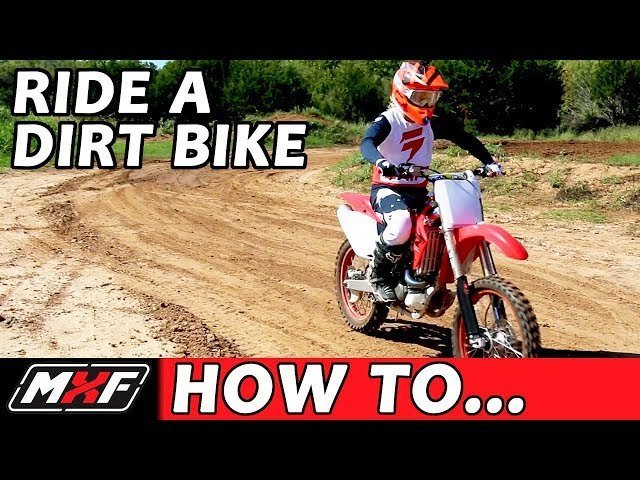
- A certified motorcycle helmet with a DOT or ECE safety sticker that fits snugly without pinching.
- Heavy leather boots that rise over your ankles to protect your feet from footpegs and hot exhaust pipes.
- Tough riding gloves with padded palms to stop blisters and keep a firm grip on the handlebars.
- A small trail bike, preferably an air-cooled four-stroke model with an electric start or kickstarter.
- Eye protection, such as sealed dirt bike goggles that keep dust and flying gravel out of your eyes.
- Thick riding pants or denim jeans that won’t tear immediately during a low-speed slide.
Only purpose-built motorcycle boots provide the necessary ankle support and impact protection for riding.
Step-by-step
- Put on your full gear, turn the fuel petcock switch to “On,” and switch the engine kill button to “Run.”
- Straddle the bike with both feet flat on the ground, squeeze the left handlebar lever fully to pull in the clutch, and press the start button for two seconds until the motor catches.
- Click your left foot downward once on the shift lever to drop the transmission from neutral into first gear while keeping the clutch pulled tight.
- Turn your head up to look straight ahead across the open lot, not down at your front wheel.
- Roll the right handgrip throttle backward about one-quarter inch to give the engine a steady, quiet hum. Careful: Jerking the throttle open too fast will make the front tire lift off the ground or spin the rear wheel out from underneath you.
- Open your left hand slowly to let out the clutch lever until the machine starts creeping forward, then hold your hand perfectly still in that spot for three full seconds. Tip: If the engine coughs and dies, you opened your hand too fast; pull the lever back in, press the starter, and try again with a slower release.
- Lift both feet onto the metal footpegs once the bike moves at a steady jogging pace, then release the final quarter of the clutch lever completely.
- Squeeze the right handlebar lever and press your right foot down on the foot brake pedal together using gentle, progressive pressure to roll to an easy stop.
Adjusting for different riding conditions
Ground conditions change how much traction your tires get and how hard the engine works to move you.
| Riding surface | Extra cost or effort | Handling change | What to monitor |
|---|---|---|---|
| Hard-packed dry dirt | Standard fuel use and baseline effort | Best tire grip and easiest steering balance | Dust clouds blocking your forward vision |
| Thick sand or loose gravel | Higher fuel use and heavy steering effort | Rear wheel wanders sideways and tires sink | Engine temperature from working at higher revs |
| Wet grass or slick mud | Frequent bike washing and slow speeds | Front tire slides easily when turning | Foot slip on wet metal pegs during stops |
| Rocky, uneven trails | High risk of popped inner tubes | Sharp bumps kick handlebars back and forth | Punctures and chain tension over rocks |
Starting at slow speeds on flat, dry dirt is much safer than tackling wet hills right away, where overshooting your turn or sliding out can lead to a bruised hip.
How to tell you did it right
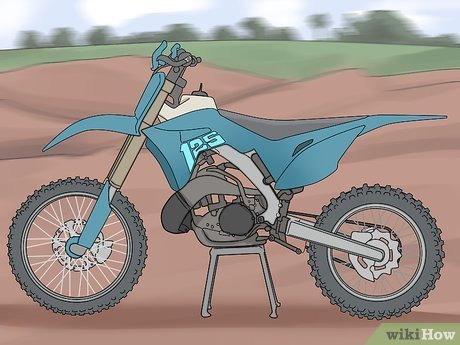
A clean start feels smooth and quiet, with the machine rolling forward smoothly without bucking or making the engine whine loudly. A poor start jerks your shoulders back, stalls the motor instantly, or spins the rear wheel in a shower of dirt. Stalling happens because the clutch plates lock together instantly before the engine builds enough momentum to push your body weight. You prevent this stall by letting the clutch lever out millimeter by millimeter, giving the throttle just enough gas to stay above idle, and keeping your fingers resting lightly over the lever.
Riding standards and shutdown routine
The Motorcycle Safety Foundation recommends that off-highway operators ride exclusively on dedicated dirt trails and never on paved public streets without street registration. After completing your practice session, shut the ignition off, flick the petcock fuel valve to “Off,” and Use a soft brush and approved chain cleaner to remove dirt from the chain. Basic maintenance steps vary by model, so check the owner’s manual for exact fluid amounts.
Alternative training paths
Hands-on coaching school
Sign up for a supervised single-day dirt riding class. An instructor guides your body positioning and clutch control in a closed course, which speeds up your learning time significantly while keeping you safe from major errors.
Semi-automatic trail bike
Start on an entry-level bike that doesn’t use a hand clutch lever. You shift gears using only your left foot, which removes the risk of stalling the engine, though you’ll need to relearn lever control later.
Flat yard drills
Practice purely in a wide grass backyard at idle speeds without touching second gear. This keeps your speeds low and stops you from damaging the machine, but wet grass cuts down tire grip quite quickly.
Frequently asked questions
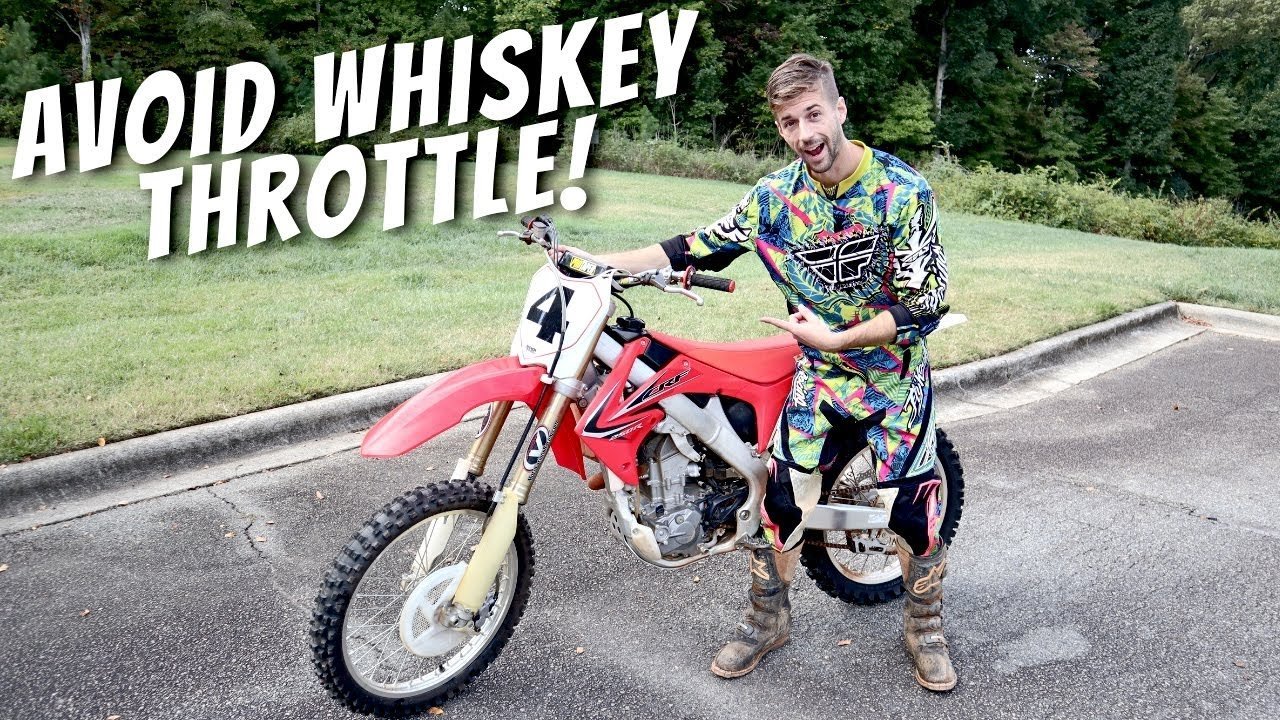
Can I learn on a four-stroke bike?
Yes, a four-stroke engine delivers smooth, predictable power that makes clutch control much easier for beginners than an aggressive two-stroke engine.
Is it hard to drive a dirt bike?
The only new task you must learn is coordinating your left clutch hand with your right throttle wrist.
What happens if I drop the bike?
The engine might stall or leak a tiny splash of gas from the carburetor overflow tube. Hit the red kill switch, lift the bike up using your legs, and inspect your levers before restarting.
How do I stop without stalling the engine?
Pull your left clutch lever completely against the handlebar grip before you press the foot brake or squeeze the front brake lever.
Why does my dirt bike jerk when shifting?
Your hand released the clutch lever too quickly or your throttle hand was twisting the gas unevenly during the gear change.
Can I drive a dirt bike on normal roads?
No, trail dirt bikes lack turn signals, horn units, mirrors, and DOT-approved tires, which makes them illegal on paved roads without a special dual-sport conversion.
Final Thoughts
Once you’re comfortable shifting through the gears, look for a local trail map to explore. Don’t rush your progress, as building confidence takes time. You’ll find that every ride gets easier, so just keep practicing until it feels like second nature. It’s a great way to enjoy the outdoors with your friends.