
Your kitchen sink is one of the busiest spots in your home. It’s where you wash your dishes, prep your food, and clean up messes.
But did you know it can also be a hotspot for germs and bacteria? If you want to keep your sink clean and safe without using harsh bleach, you’re in the right place. This article will show you simple, effective ways to disinfect your kitchen sink using everyday items you probably already have.
Keep reading to discover easy tips that protect your family and make your kitchen sparkle—no bleach needed.
Why Avoid Bleach In The Kitchen
Bleach is a common choice for cleaning kitchen sinks. It kills germs fast. But it also comes with problems. Many people want safer ways to keep their sinks clean. Knowing why to avoid bleach helps find better options.
Health Risks Of Bleach
Bleach releases strong fumes. These fumes can irritate your eyes and throat. Breathing bleach can cause coughing and shortness of breath. It can be harmful to children and pets. Skin contact may cause burns or rashes. Using bleach often can lead to long-term health problems.
Environmental Impact
Bleach is a chemical that harms the environment. It can pollute water when washed down the drain. This pollution affects fish and other wildlife. Bleach breaks down slowly in nature. Chemicals from bleach can build up in the soil. This makes the earth less healthy for plants.
Effect On Sink Materials
Bleach can damage your kitchen sink. It can discolor or weaken the surface. Over time, bleach may cause cracks or rust. This damage shortens the sink’s life. Some sink materials react badly with bleach. Using bleach often means more repairs or replacement.
:max_bytes(150000):strip_icc()/GettyImages-562976341-a417c28a4ea242d0a322523cc2e5ad08.jpg)
Credit: www.southernliving.com
Natural Ingredients For Disinfection
Natural ingredients offer a safe and effective way to disinfect your kitchen sink. They kill germs without harsh chemicals. These options also help remove odors and stains. Using natural cleaners keeps your kitchen fresh and healthy.
Vinegar
Vinegar is a popular natural disinfectant. It contains acetic acid, which kills many bacteria and viruses. Spray white vinegar on your sink and let it sit for 10 minutes. Then rinse with warm water. Vinegar also removes soap scum and hard water stains.
Baking Soda
Baking soda works as a gentle abrasive cleaner. It removes grime and deodorizes your sink. Sprinkle baking soda on the surface and scrub with a damp sponge. Rinse thoroughly to leave your sink clean and fresh. It is safe for all sink types.
Lemon Juice
Lemon juice has natural antibacterial properties. Its acidity helps break down stains and kills germs. Rub lemon juice on your sink using a cloth. Let it sit for a few minutes before rinsing. It also leaves a pleasant citrus scent.
Hydrogen Peroxide
Hydrogen peroxide is a natural disinfectant and bleach alternative. It kills bacteria and viruses effectively. Spray 3% hydrogen peroxide on your sink and wait 5 minutes. Rinse with water afterward. It is safe but avoid mixing with vinegar or baking soda.
Essential Oils
Essential oils like tea tree, eucalyptus, and lavender have antimicrobial effects. Add a few drops to water or vinegar to boost cleaning power. Wipe your sink with this mixture to kill germs and freshen the air. Use oils sparingly and test for allergies.
Step-by-step Natural Cleaning Methods
Keeping your kitchen sink clean and safe is important. Natural cleaning methods offer a simple way to disinfect without harsh chemicals. These step-by-step methods use common household items. They are easy, effective, and safe for your family and the environment.
Try these natural cleaning techniques to remove germs and grime. Each method targets bacteria while leaving your sink fresh and shiny. Follow the steps carefully for the best results.
Vinegar And Baking Soda Combo
Start by sprinkling baking soda all over the sink surface. Let it sit for a few minutes. Then, pour white vinegar over the baking soda. The mixture will fizz and bubble, helping to lift dirt and kill germs. Use a sponge or cloth to scrub the sink gently. Rinse with warm water to wash away residues. This combo cleans and disinfects naturally.
Lemon And Salt Scrub
Cut a lemon in half and sprinkle salt on the cut side. Use the lemon like a scrub brush to clean your sink. The salt acts as a gentle abrasive, removing stains and buildup. Lemon juice kills bacteria and leaves a fresh scent. Scrub all sink areas, including around the drain. Rinse well with water after scrubbing.
Hydrogen Peroxide Spray
Fill a spray bottle with 3% hydrogen peroxide. Spray the sink surface evenly. Let it sit for about 10 minutes. Hydrogen peroxide works as a natural disinfectant and bleach alternative. After waiting, scrub the sink lightly with a brush or sponge. Rinse thoroughly with warm water. This method helps remove germs without harsh chemicals.
Essential Oil Disinfectant Mix
Mix 1 cup of water with 10 drops of tea tree or lavender essential oil. Pour the mix into a spray bottle. Spray the sink and let it sit for 5 to 10 minutes. Essential oils have natural antibacterial properties. Afterward, wipe the sink clean with a cloth. Rinse with water to finish. This method adds a pleasant scent while disinfecting.
Maintaining A Germ-free Sink Daily
Keeping your kitchen sink clean every day helps stop germs from spreading. A clean sink means fewer bacteria and a safer place to prepare food. Simple daily habits can keep your sink fresh without strong chemicals.
Small actions matter. They prevent buildup and keep your sink smelling good. This section shares easy tips to maintain a germ-free sink every day.
Routine Cleaning Tips
Wipe your sink daily with warm, soapy water. Use a soft cloth or sponge to clean all surfaces. Rinse well to remove soap and debris. Avoid harsh scrubbing that can damage your sink.
Clean the drain area carefully. Food bits often hide there. Use a small brush or old toothbrush to reach tight spots. This stops grime from building up and attracting bacteria.
Preventing Bacterial Growth
Remove leftover food and scraps immediately. Bacteria grow quickly on food waste. Use a natural cleaner like white vinegar to spray the sink. Let it sit for a few minutes before rinsing.
Use baking soda to scrub stubborn spots. It acts as a mild abrasive and deodorizer. These natural products keep bacteria away without bleach.
Proper Sink Drying Techniques
After cleaning, dry your sink with a clean towel. Water left on surfaces helps bacteria grow. Air drying takes longer and can leave water spots.
Make sure to dry the faucet and handles too. These areas get touched often and can carry germs. Keeping everything dry cuts down on moisture that bacteria need.
When To Deep Clean Your Sink
Knowing when to deep clean your kitchen sink helps keep it safe and fresh. A sink often collects food scraps, grease, and germs. These build-ups can cause bad smells and stains. Regular cleaning helps, but sometimes your sink needs a deeper clean to remove tough dirt and bacteria.
Deep cleaning your sink without bleach is easy if you know the signs. It also depends on how often you use your kitchen. Proper care protects your sink and keeps your kitchen healthy.
Signs Your Sink Needs Extra Care
A strong odor from the drain means bacteria are growing. Stains or discoloration on the sink surface show grime build-up. Slow draining water indicates clogs that need cleaning. Sticky or slimy areas feel unpleasant and unsafe. If these signs appear, your sink needs a deep clean soon.
Frequency Recommendations
For busy kitchens, deep clean your sink every week. Less-used sinks can be cleaned every two weeks. After handling raw meat or fish, clean the sink immediately. Regular deep cleaning stops bacteria growth and keeps your sink shiny. Use natural cleaners like vinegar and baking soda for safe, effective cleaning.

Credit: sweepinghands.com
Additional Natural Kitchen Hygiene Tips
Keeping your kitchen clean goes beyond the sink. Natural methods help maintain hygiene safely. Simple steps protect your family and reduce germs.
Disinfecting Cutting Boards
Cutting boards can hold bacteria from raw foods. Use white vinegar to spray and wipe them down. Let the vinegar sit for a few minutes. Rinse with warm water and air dry. For deeper cleaning, rub salt and lemon juice on the surface. This removes stains and kills germs naturally.
Cleaning Faucets And Handles
Faucets and handles are touched often and can spread germs. Wipe them with a cloth dipped in a mixture of water and vinegar. This kills bacteria and removes grime. Dry with a clean towel to avoid water spots. Regular cleaning keeps these areas fresh and safe.
Sanitizing Dishcloths And Sponges
Dishcloths and sponges hold many germs. Soak them in hot water with baking soda for 10 minutes. Microwave damp sponges for 1-2 minutes to kill bacteria. Replace cloths and sponges often to avoid bad smells. Clean tools help keep your kitchen hygienic and healthy.
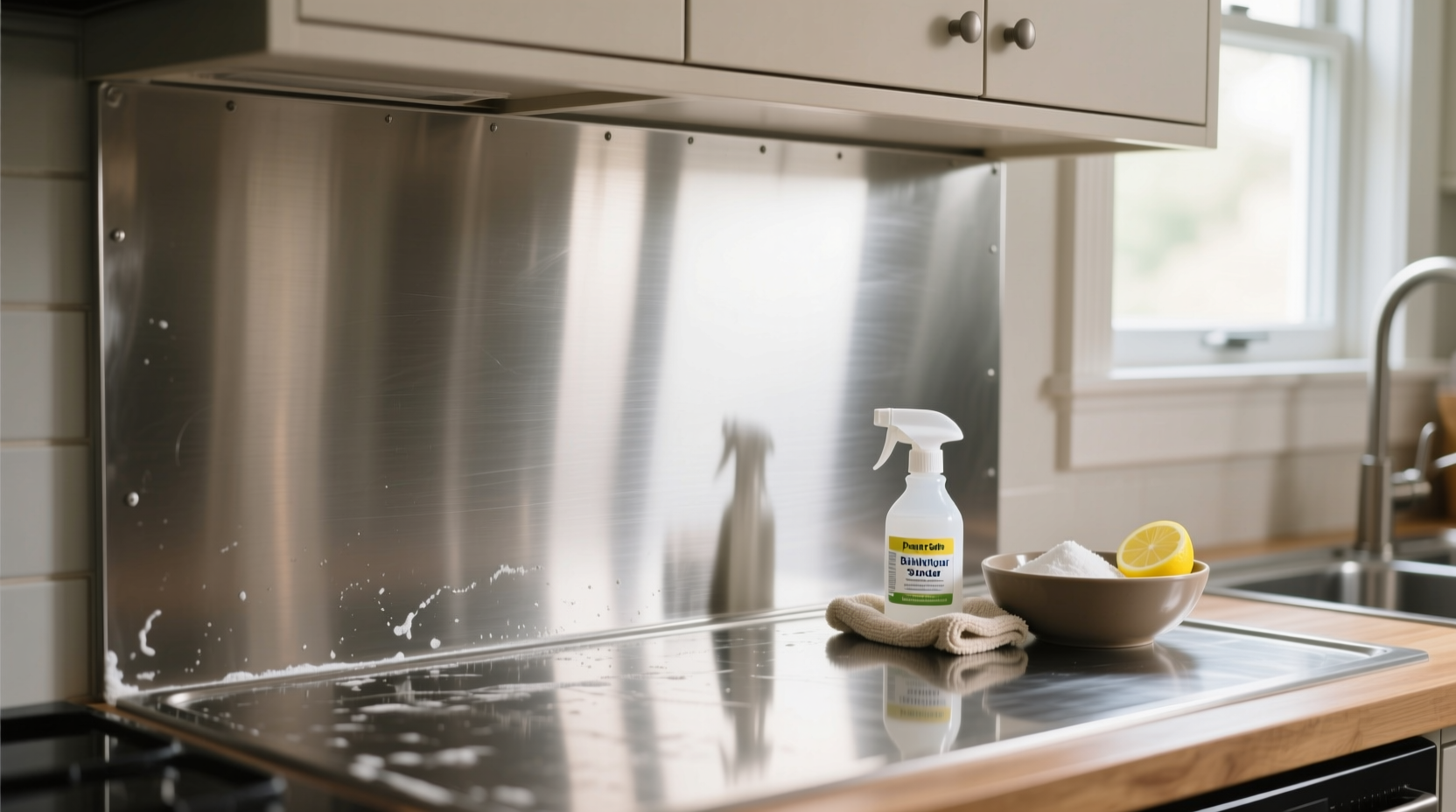
Credit: lifetips.alibaba.com
Frequently Asked Questions
How To Disinfect Kitchen Sink Without Bleach Effectively?
Use natural disinfectants like vinegar, baking soda, or hydrogen peroxide. They kill germs without harsh chemicals. Regular cleaning prevents bacterial buildup and keeps your sink hygienic.
Can Vinegar Replace Bleach For Kitchen Sink Cleaning?
Yes, vinegar is a natural disinfectant. It removes odors and kills many bacteria. Vinegar is safe, eco-friendly, and suitable for daily kitchen sink cleaning.
Is Baking Soda Safe For Disinfecting Kitchen Sinks?
Baking soda is safe and helps remove grime and odors. Combined with vinegar, it effectively disinfects surfaces without harmful chemicals. It’s gentle and ideal for regular sink maintenance.
How Often Should I Disinfect My Kitchen Sink?
Disinfect your kitchen sink at least once a day. Daily cleaning prevents bacteria growth and cross-contamination. For heavy use, disinfect more frequently to maintain hygiene.
Conclusion
Cleaning your kitchen sink without bleach is simple and safe. Natural ingredients like vinegar and baking soda work well. They kill germs and remove smells effectively. Regular cleaning keeps your sink fresh and healthy. Try these easy steps to protect your family from harmful chemicals.
A clean sink makes cooking and washing more pleasant. Keep your kitchen bright and germ-free every day. Small efforts lead to a cleaner, safer home. Why use harsh chemicals when nature offers great options? Give these methods a try and see the difference yourself.