
Is your shower pressure too strong, making your daily rinse uncomfortable or even painful? You’re not alone.
High water pressure can cause wasted water, noisy pipes, and even damage your plumbing over time. But don’t worry—there are simple ways you can lower that pressure and make your shower more enjoyable. You’ll discover easy, effective tips to decrease your shower’s water pressure right now.
Keep reading to find out how you can transform your shower experience with just a few smart adjustments.
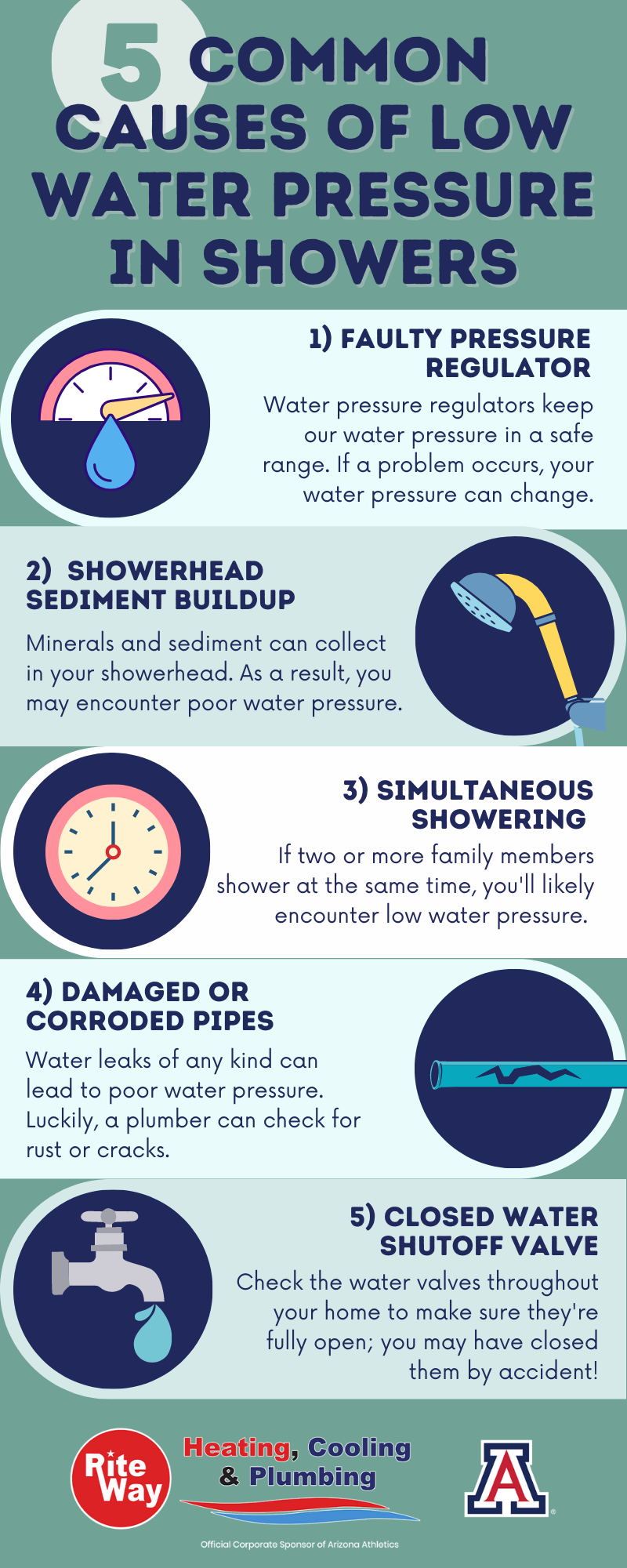
Credit: ritewayac.com
Causes Of High Shower Water Pressure
High water pressure in the shower can cause discomfort and damage. It can lead to water waste and increase your utility bills. Understanding the causes helps you fix the problem effectively. Several factors inside your home’s plumbing system can raise water pressure beyond normal levels.
Plumbing System Factors
Old or faulty plumbing parts can increase water pressure. Leaks in the pipes may cause pressure changes. Blockages or mineral buildup restrict water flow, raising pressure in some areas. A sudden change in water demand affects the pressure balance. These issues make the shower water pressure uneven or too strong.
Pressure Regulator Issues
Many homes have pressure regulators to control water force. If this device breaks or wears out, pressure can rise. Regulators set too high cause excessive pressure in showers. Sometimes, the regulator is missing or not installed properly. This leads to uncontrolled water pressure in your pipes.
Pipe Size And Layout
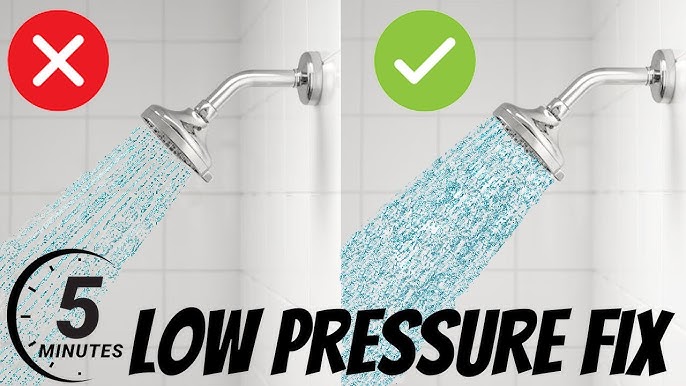
Small or narrow pipes increase water speed and pressure. Long pipe runs or many bends create pressure changes. Incorrect pipe layout can cause uneven pressure distribution. Larger pipes help lower pressure by allowing water to flow freely. Knowing your pipe setup helps find pressure problems fast.
Credit: www.youtube.com
Tools And Materials Needed
Lowering water pressure in your shower requires a few simple tools and materials. Having the right items ready makes the task easier and faster. This section lists the basic tools needed to get started.
Basic Plumbing Tools
Start with common plumbing tools like an adjustable wrench, pipe wrench, and screwdrivers. These tools help remove shower parts and tighten fittings. A pipe cutter may be necessary for cutting pipes cleanly.
Water Pressure Gauge
A water pressure gauge measures the current pressure in your pipes. It attaches to a faucet or shower arm to give a clear reading. This helps decide how much to reduce the pressure.
Pressure-reducing Valves
Pressure-reducing valves control the flow of water into your shower. These valves lower the pressure to a safer, more comfortable level. Choose a valve that fits your pipe size and pressure needs.
Quick Fixes To Lower Shower Pressure
High water pressure in your shower can make your daily routine uncomfortable. It may cause water to splash everywhere or make it hard to adjust the temperature. Quick fixes can help you lower the pressure without calling a plumber. These simple steps save time and money.
Adjusting The Pressure Regulator
Many homes have a pressure regulator on the main water line. It controls the water pressure entering your house. Locate the regulator and check its setting. Turning the screw clockwise usually lowers the pressure. Use a pressure gauge to monitor changes. Small adjustments can make a big difference.
Cleaning Or Replacing Showerhead
Mineral buildup can block water flow in your showerhead. Remove the showerhead and soak it in vinegar for a few hours. Scrub off any deposits with a brush. If cleaning does not help, replace the showerhead with a low-pressure model. New showerheads often come with built-in pressure control.
Installing Flow Restrictors
Flow restrictors limit water flow to reduce pressure. Many showerheads already have these small devices inside. You can add or replace flow restrictors to lower pressure further. They are inexpensive and easy to install. Check your showerhead manual for instructions on adding restrictors.
Diy Methods For Pressure Reduction
Lowering water pressure in your shower can improve comfort and save water. Simple DIY methods help control strong water flow. These steps require basic tools and little time. You can make your shower more pleasant and efficient on your own.
Using A Pressure-reducing Valve
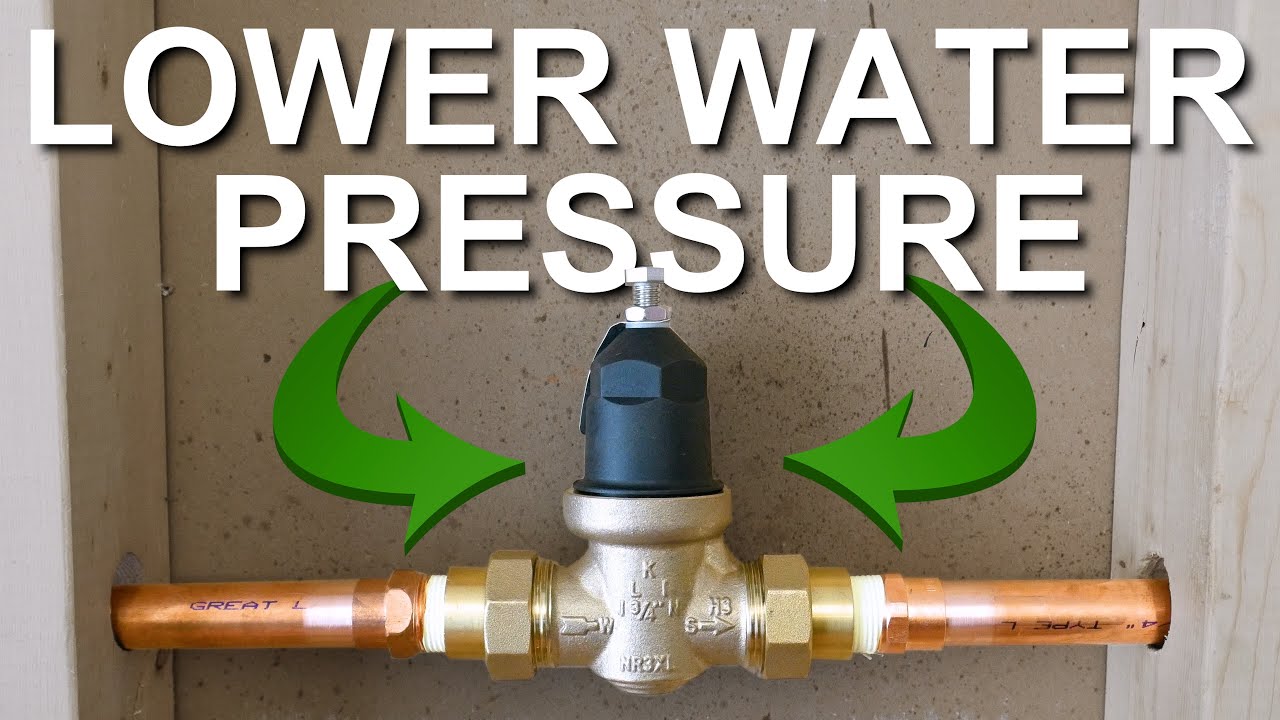
A pressure-reducing valve (PRV) limits water flow into your shower. It fits on your home’s main water line or near the shower valve. Installing a PRV controls pressure before water reaches the showerhead. This reduces force without losing water volume. Adjust the valve to set the perfect pressure level. PRVs are affordable and easy to find at hardware stores.
Modifying Showerhead Settings
Many showerheads have adjustable settings. Look for a dial or lever on your showerhead. Change the setting to reduce water flow or spray intensity. Choose a gentle or low-pressure option. Some showerheads come with built-in flow restrictors. These devices limit water flow and reduce pressure. Modifying settings is quick and requires no tools.
Installing A Pressure Booster Bypass
A pressure booster bypass redirects water around a pressure booster pump. This lowers pressure in the shower without affecting other faucets. It involves adding a simple valve and pipe connection. This method suits homes with booster pumps causing high shower pressure. Installation needs some plumbing skills and tools. A bypass lets you control pressure selectively and easily.
When To Call A Professional Plumber
Knowing when to call a professional plumber can save you time and prevent damage. Some shower water pressure problems need expert help. This section explains signs that show it is time to get a plumber.
Identifying Complex Issues
Simple fixes like cleaning a showerhead are easy. But complex problems need a plumber’s tools and skills. Low water pressure might come from pipe damage or leaks. If water pressure changes suddenly or is very low everywhere, it could be a bigger issue. Problems inside walls or hidden pipes require a professional’s inspection.
Safety Considerations
Water and plumbing repairs can be dangerous. Pipes carry hot water or are under pressure. Wrong repairs can cause leaks or floods. A plumber knows how to work safely with water systems. They also use special tools to avoid injury. Calling a plumber protects you and your home from risks.
Cost And Time Estimates
Trying to fix plumbing without skills may waste time and money. A professional plumber can find the problem faster. They have experience and proper equipment. This often leads to a quicker, cheaper fix. Getting an estimate from a plumber helps you plan costs. It also avoids surprises from hidden damages or repairs.
Maintaining Optimal Shower Pressure
Maintaining optimal shower pressure keeps your showers comfortable and efficient. Too much pressure wastes water and can damage pipes. Too little pressure makes showers weak and unpleasant. Regular care helps balance water flow for a better experience. Simple steps can keep your shower pressure just right.
Regular Cleaning And Maintenance
Mineral buildup can block showerheads and reduce pressure. Clean your showerhead regularly to remove deposits. Soak it in vinegar or use a soft brush. Check for leaks in pipes and joints. Fixing leaks improves pressure and saves water. Clean filters and screens to avoid clogs. Small maintenance tasks keep water flowing smoothly.
Monitoring Water Pressure
Use a pressure gauge to check your shower’s water pressure. Ideal pressure is between 40 and 60 psi. Too high pressure can harm plumbing and waste water. Too low pressure causes weak water flow. Check pressure at different times of the day. This helps spot changes caused by other water use. Monitoring keeps pressure stable and comfortable.
Upgrading Plumbing Components
Old pipes and fixtures can lower your shower pressure. Replace corroded or narrow pipes with newer ones. Install pressure-reducing valves to control strong water flow. Choose showerheads designed for low pressure if needed. Modern fixtures often improve water flow efficiency. Upgrading parts ensures lasting pressure balance and better showers.
Credit: www.youtube.com
Frequently Asked Questions
How Can I Lower Shower Water Pressure Quickly?
You can lower shower water pressure by installing a pressure-reducing valve. Adjust the valve to your preferred pressure level for comfort.
What Causes High Water Pressure In Showers?
High water pressure is often caused by municipal water supply settings or a faulty pressure regulator. It can also result from plumbing issues.
Is A Pressure Regulator Needed To Reduce Shower Pressure?
Yes, a pressure regulator helps control and reduce water pressure. It protects your pipes and improves shower comfort.
Can Showerhead Type Affect Water Pressure?
Yes, some showerheads limit water flow to reduce pressure. Low-flow showerheads are designed to save water and lower pressure.
How Do I Check My Shower’s Water Pressure?
Use a pressure gauge attached to the shower arm to measure water pressure. Normal shower pressure is between 40-60 psi.
Will Reducing Water Pressure Save Water And Energy?
Lower water pressure reduces water use and can lower energy bills. It helps save resources without losing shower effectiveness.
Can Clogged Pipes Cause High Water Pressure In Showers?
Clogged pipes usually reduce pressure but can cause uneven flow. Regular cleaning prevents buildup and maintains steady water pressure.
Conclusion
Controlling shower water pressure improves your comfort and saves water. Small changes like adjusting valves or adding a pressure reducer work well. Cleaning or replacing showerheads can also help reduce strong water flow. Regular checks keep your shower pressure steady and safe.
These easy steps make shower time more pleasant every day. Start with simple fixes and see the difference quickly. Your bathroom will feel more relaxing and efficient.