
Dreaming of a sleeker, more spacious bathroom? A floor-mounted toilet can feel bulky and make cleaning a chore.
But what if you could transform that outdated fixture into a modern, wall-mounted marvel? Imagine the extra floor space you’d gain, and how much easier cleaning would become! This guide is your roadmap to achieving that bathroom upgrade you’ve been wanting.
We’ll walk you through exactly how to convert your floor toilet to a wall-mount, step-by-step. Get ready to give your bathroom a stunning, functional makeover!
Why Go Wall Mount?
You are thinking about changing your toilet. A wall-mount toilet offers many advantages. It is a smart choice for many homes. Consider the reasons to make this switch.
Space Saving Benefits
Wall-mount toilets save floor space. They free up valuable room. Your bathroom feels larger. This is great for small bathrooms. It creates a more open feel.
Easier Cleaning
Cleaning becomes simpler. There is no base to clean around. The floor is completely clear. You can wipe under the toilet easily. This keeps your bathroom cleaner. It is a hygiene plus.
Modern Aesthetics
Wall-mount toilets look modern. They offer a sleek design. This updates your bathroom’s look. It gives a high-end appearance. Your bathroom feels more stylish.
Accessibility Options
These toilets can improve accessibility. They allow for adjustable heights. This helps people with mobility issues. It makes using the toilet easier. This is a significant benefit for many.
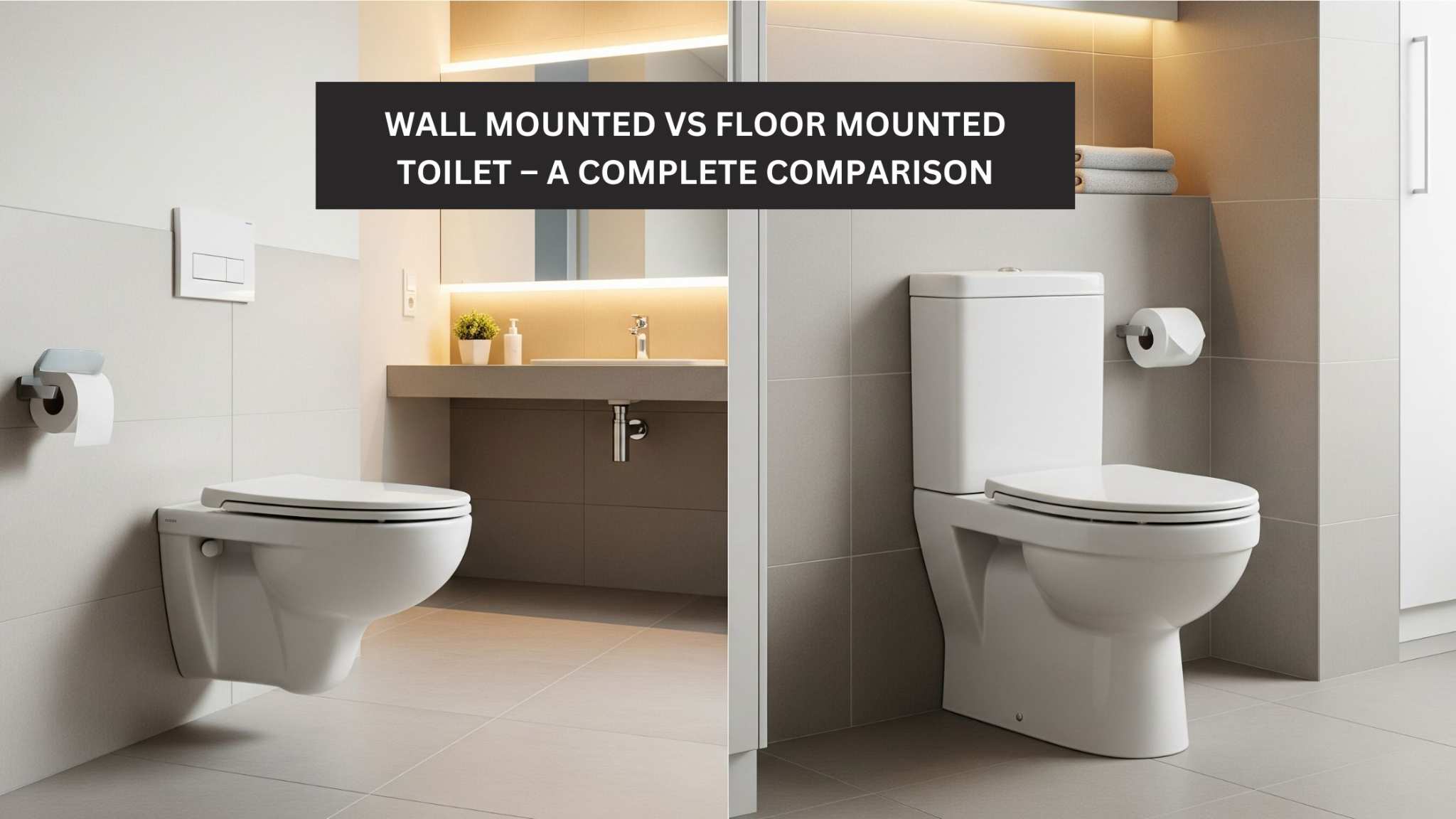
Credit: www.simpolo.com
Is A Wall Mount Right For You?
Thinking about a wall-mounted toilet? This upgrade saves space. It also makes cleaning much easier. Decide if this modern look fits your bathroom needs.
Converting your floor toilet to a wall-mount toilet is a big change. It looks modern. It saves space. Think carefully before you start. This decision impacts your bathroom’s look. It also affects its function. Let’s explore if this upgrade suits your needs.Structural Wall Considerations
Your bathroom wall must be strong. It needs to hold the toilet’s weight. It must support the flush mechanism. Structural walls are best. They offer the needed support. Drywall alone is not enough. You may need to reinforce the wall. Consult a professional. They can assess your wall’s strength. This step is crucial for safety.Plumbing Accessibility
Wall-mount toilets need different plumbing. The tank hides inside the wall. You need access to this space. This means opening the wall. Plumbers must run new pipes. They must connect to the hidden tank. Check your existing pipes. Are they easy to reach? Are they up to code? This work can be complex. It may require professional help.Budget And Diy Skills
This project costs money. You will buy a new toilet. You will buy a mounting frame. You will pay for labor. DIY can save you money. Do you have the skills? Are you comfortable with plumbing? Are you good with framing walls? If not, hire a pro. Get multiple quotes. Understand all costs upfront.Choosing The Right Toilet
Many wall-mount toilets exist. They come in different styles. Some are sleek and modern. Others are more traditional. Consider the flushing power. Look at the water usage. Think about the size. Will it fit your bathroom? What shape do you prefer? Research brands and models. Read reviews. Pick one that matches your needs.The Conversion Process: Step-by-step
Converting a floor toilet to a wall-mounted one is a significant upgrade. It creates a cleaner look. It also makes cleaning the bathroom floor much easier. This process involves several careful steps. Follow them precisely. We will guide you through each stage.
Gathering Your Tools And Materials
You need specific items. Gather them first. You will need a new wall-mount toilet. Get the mounting bracket. You also need a flushometer valve. Buy a new wax ring. Get a new supply line. You need a level tool. A tape measure is essential. A wrench set is important. You need a putty knife. Safety glasses protect your eyes. Gloves keep your hands clean. A bucket is useful. A hacksaw might be necessary.
Removing The Old Floor Toilet
Turn off the water supply. Find the shut-off valve. It is usually behind the toilet. Flush the toilet one last time. This removes most water. Disconnect the water supply line. Use a wrench. Remove the tank bolts. Lift the tank off the bowl. Remove the nuts holding the bowl. Use your wrench. Gently rock the toilet. Break the wax seal. Lift the old toilet away. Clean the old wax off the floor.
Preparing The Wall For The Tank
Locate the wall studs. These support the tank. Use a stud finder. Mark their positions clearly. Install the wall-mount bracket. Follow the manufacturer’s instructions. Ensure it is level and secure. This bracket holds the tank. It must be strong. Measure the height for the tank. Double-check the placement. Proper placement is critical.
Installing The Flushometer Valve
This valve controls water flow. It is crucial for flushing. Install the valve into the tank. Use plumber’s tape. Ensure a tight seal. Connect the valve to the water pipe. Use the correct fittings. Tighten them securely. Avoid over-tightening. A good seal prevents leaks.
Mounting The Toilet Bowl
Position the wall bracket. This supports the bowl. Align the bowl with the bracket. Slide the bowl onto the bracket. Secure the bowl firmly. Use the provided bolts. Tighten them carefully. Make sure the bowl is level. A stable bowl is safe. It prevents future problems.
Connecting The Water Supply
Attach the new supply line. Connect it to the flushometer valve. Connect the other end to the wall pipe. Ensure connections are snug. Do not overtighten fittings. A good connection prevents leaks. Use a wrench for tightening.
Testing For Leaks
Turn the water supply back on. Slowly open the shut-off valve. Watch for any drips. Check all connections carefully. Flush the toilet. Observe the tank and bowl. Listen for unusual sounds. Look for any water pooling. If leaks appear, tighten connections. Sometimes, re-sealing is needed. A dry bathroom is the goal.
Flushing Mechanisms Explained
Understand how toilets flush. This knowledge helps with your conversion. Different systems exist. Each has unique features. Knowing them is important.
Gravity-fed Systems
This is the most common type. Water fills the tank. A flapper lifts. Water rushes down. It pushes waste away. Simple and reliable. Most older toilets use this.
Pressure-assisted Systems
These use air pressure. A sealed tank holds air. Water enters, compressing air. A valve releases pressure. This creates a powerful flush. They use less water. They are very effective.
Dual-flush Options
These offer two flush choices. One is for liquids. One is for solids. This saves water. You choose the right flush. It is good for the environment. Many modern toilets have this.
Finishing Touches And Maintenance
The final steps truly elevate your new wall-mount toilet. These finishing touches make a big difference. Proper maintenance ensures lasting beauty. Let’s explore these important details.
Concealing The Plumbing
Hide all pipes from view. This creates a clean, modern look. A recessed wall box works well. You can also build a false wall. This hides the tank and pipes. It looks much tidier. This step is crucial for aesthetics.
Choosing A Flush Button
Select a flush button style. Many options exist. Choose one that matches your decor. Chrome, brushed nickel, or matte black are popular. Consider dual-flush buttons. They save water. Placement is also important. Make it easy to reach.
Regular Cleaning Tips
Keep your toilet sparkling clean. Use a soft cloth for dusting. Wipe down the porcelain regularly. A mild bathroom cleaner is best. Avoid abrasive scrubbers. They can damage the finish. Clean the flush button too. This prevents buildup.
Troubleshooting Common Issues
Occasional problems may arise. A slow flush needs attention. Check the water level. The fill valve might need adjustment. Leaks require immediate repair. Tighten connections carefully. A running toilet needs a new flapper. Don’t ignore small issues. They can become bigger problems.
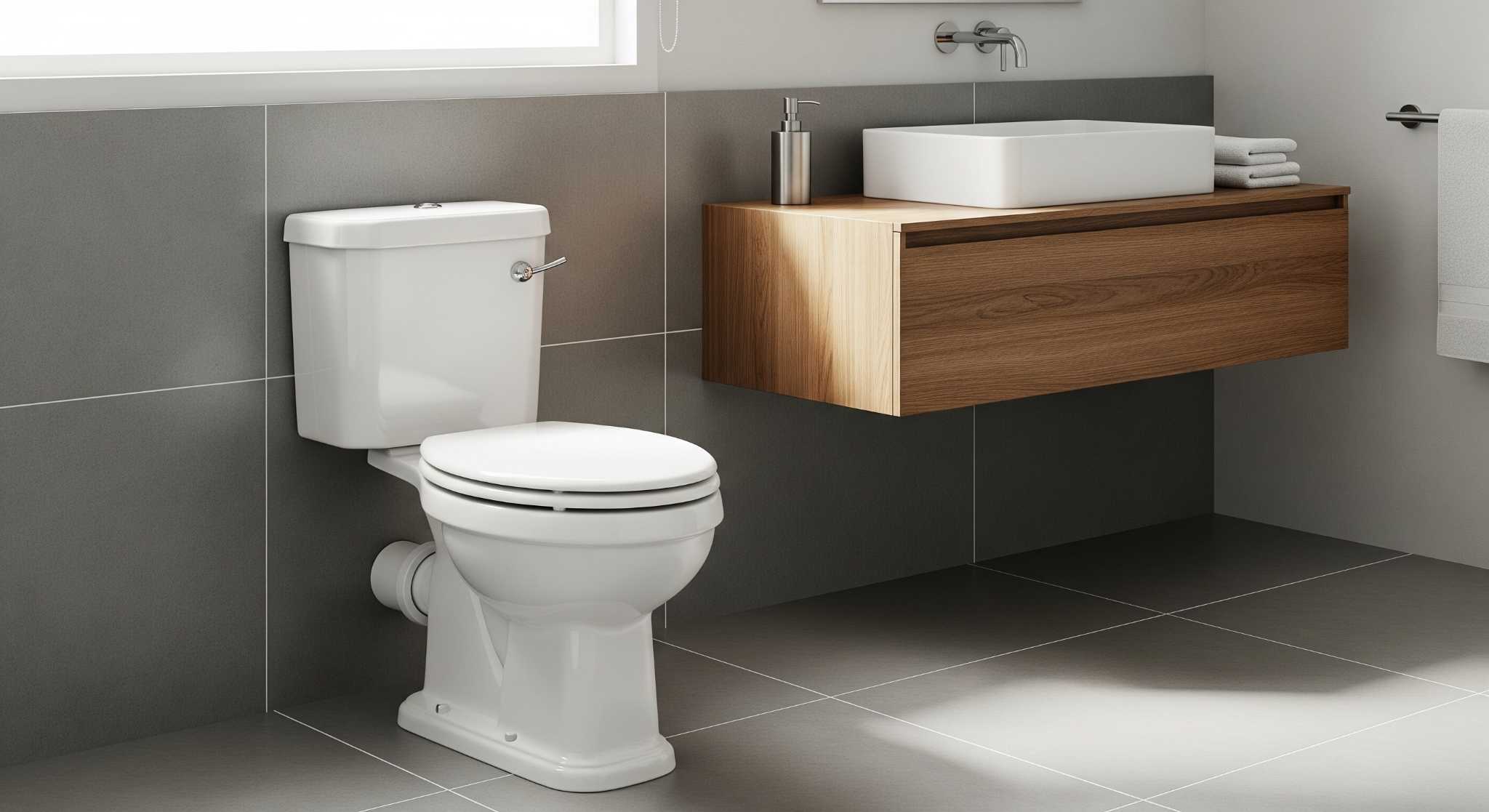
Credit: www.simpolo.com
When To Call A Professional
Complex plumbing tasks often require expert help. Consider calling a professional for your wall-mount toilet conversion. They ensure safe and proper installation.
When to Call a Professional Converting a floor toilet to a wall-mount toilet is a significant undertaking. It involves plumbing and structural adjustments. Sometimes, a DIY approach is not best. You might need expert help. This is especially true if your situation is complicated.Complex Plumbing Challenges
Your existing pipes may be old. They might not support a wall-mount toilet. The drain line may need rerouting. This requires specialized knowledge. Incorrect plumbing can cause leaks. It can also lead to water damage. A professional plumber understands these risks. They have the right tools. They can identify potential issues. They ensure a safe and functional installation.Structural Concerns
Wall-mount toilets attach to the wall studs. The wall must be strong enough. It needs to support the toilet’s weight. Plus, it must hold water weight. Old walls may lack this strength. A professional can assess your wall structure. They can reinforce it if necessary. This prevents future problems. Safety is paramount.Lack Of Confidence In Diy
DIY projects can be rewarding. They can also be stressful. If you doubt your skills, get help. Plumbing is not for everyone. Structural work is also tricky. A professional ensures the job is done right. They save you time and frustration. A proper installation guarantees peace of mind. You avoid costly mistakes.Credit: terrylove.com
Frequently Asked Questions
What Is A Wall-mount Toilet?
A wall-mount toilet hangs on the wall. It frees up floor space. This makes cleaning easier.
Why Convert A Floor Toilet To Wall Mount?
You get more bathroom space. Cleaning becomes much simpler. It offers a modern look.
Is Converting A Toilet Difficult?
It can be challenging for some. Professional help is often best. Careful planning is important.
What Are The Main Steps Involved?
First, remove the old toilet. Then, prepare the wall for mounting. Finally, install the new toilet.
Do I Need Special Plumbing?
Yes, the plumbing needs changes. Water supply and drainage must adapt. A professional can handle this.
How Much Does This Conversion Cost?
Costs vary widely. Materials and labor add up. Get several quotes for accuracy.
Can I Do This Diy?
DIY is possible for skilled people. It requires specific tools. Mistakes can be costly.
Conclusion
Transforming your bathroom is achievable. A floor toilet can become wall-mounted. This upgrade saves space. It also looks modern. Careful planning is key. Follow the steps precisely. Enjoy your new, sleek bathroom.