
Choosing the right toilet for your RV, van, or off-grid adventure can feel overwhelming. You’ve probably heard of cassette toilets and composting toilets, but what’s the real difference?
Do you know which one is the better fit for your needs and lifestyle? This guide cuts through the confusion, showing you exactly what makes each option tick so you can make the smartest decision for your next trip.

Credit: www.thefitrv.com
Cassette Toilets: The Basics
Cassette toilets offer a practical solution. They are common in RVs and campers. Understanding their function is key. This section breaks down cassette toilets. You will learn how they operate. We explore their main features. We also discuss their good and bad points.
How They Work
Cassette toilets use a two-tank system. One tank holds fresh water. This water flushes the bowl. The waste goes into a second tank. This is the holding tank. It seals waste securely. A special liquid helps break down waste. It also controls odors. You empty this tank later. A portable cassette makes emptying easy.
Key Features
These toilets have a built-in tank. The tank is removable. This is a big advantage. They often have a flush indicator. This shows when the tank is full. Many have a comfortable seat. Some models offer a small sink. They are designed for mobile use. Their compact size is useful.
Pros And Cons
Pros are many. Cassette toilets are easy to use. Emptying is straightforward. They are relatively inexpensive. They are a good starter option. They fit in small spaces. Cons exist too. You must empty them often. Odor control needs attention. They require chemicals. The holding tank can get heavy. Frequent emptying is a must.
Composting Toilets: The Essentials
Composting toilets offer a unique approach. They turn waste into compost. This section covers their basics. We explore how they work. We look at different types. We weigh their advantages and disadvantages.
How They Function
These toilets use natural processes. They separate liquids and solids. Microorganisms break down waste. This process needs air and moisture. It creates usable compost over time. No water is needed for flushing. This makes them eco-friendly.
Types Of Composting Toilets
There are several designs. Self-contained units are common. They hold all components. Remote systems have a separate composting chamber. This chamber is often outside. Incinerating toilets also exist. They burn waste to ash. This is another waterless option.
Pros And Cons
Pros: They save water. They reduce environmental impact. They create valuable compost. They work off-grid. They offer independence.
Cons: Initial cost can be high. They require maintenance. Some find the smell an issue. Regular emptying is necessary. They need proper ventilation.
Direct Comparison: Key Differences
Let’s directly compare cassette toilets and composting toilets. Understanding their differences is key. This section breaks down the main distinctions. You can make a better choice. Here is a direct comparison.
Waste Management
Cassette toilets store waste. It goes into a removable cassette. You empty this cassette later. Composting toilets separate liquids. Solids break down over time. They turn into compost. This is a fundamental difference.
Water Usage
Cassette toilets use some water. Flushing is similar to a home toilet. Water is needed for rinsing. Composting toilets use very little water. Some use none for flushing. Water is mainly for cleaning. This is a big water saving.
Odor Control
Cassette toilets manage odors. Chemicals help control smells. Proper sealing is important. Composting toilets also control odors. They use ventilation and separation. Good airflow is crucial. Both systems aim for freshness.
Maintenance
Cassette toilet maintenance is simple. You empty and clean the cassette. Regular chemical refills are needed. Composting toilet maintenance varies. You manage the compost material. Some require adding bulking agents. Cleaning is also necessary.
Environmental Impact
Cassette toilets require chemical disposal. This can impact water systems. Composting toilets create compost. This nutrient-rich material is useful. It can enrich soil. This is a more natural cycle.
Cost
Cassette toilets have a lower initial cost. They are often more affordable upfront. Composting toilets can be pricier. Their advanced systems cost more. Consider long-term savings too. Chemical costs add up for cassettes. Compost is free fertilizer.
Choosing Your Ideal Toilet
Choosing your ideal toilet matters. It impacts your comfort. It affects your lifestyle. Cassette and composting toilets differ greatly. Your needs guide your decision. Consider where you will use it. Think about your priorities. This section helps you decide.
For Rvs And Campers
RVs need compact solutions. Cassette toilets fit well. They use a portable waste tank. Emptying is straightforward. Campers value convenience. Cassette toilets offer this. They do not need plumbing. They are easy to install. This makes travel simpler.
For Off-grid Living
Off-grid living requires self-sufficiency. Composting toilets excel here. They process waste naturally. They create usable compost. This reduces water use. It minimizes environmental impact. Composting toilets are sustainable. They suit remote locations.
For Eco-conscious Users
Environmental impact is key. Composting toilets are greener. They recycle waste nutrients. They use little to no water. Cassette toilets use some water. They require chemical additives. Composting toilets align with eco-goals. They offer a sustainable choice.
For Simplicity Seekers
Some prefer easy operation. Cassette toilets are simple. You just empty the tank. Composting toilets need management. You add material regularly. You manage the compost process. Cassette toilets are less involved. They are user-friendly for many.
Installation And Setup
Setting up a cassette toilet is straightforward. Composting toilets require a bit more initial effort. Both offer different waste solutions for your needs.
Setting up your toilet is important. It affects your entire experience. Let’s look at how easy each type is. We will compare their installation needs. This helps you choose the best option.Cassette Toilet Installation
Cassette toilets are simple. They usually require no complex plumbing. You connect the waste tank. This tank slides out easily. It fits into a dedicated compartment. Some models need a water supply line. This connects to your RV’s water system. It is a straightforward process. Many DIYers can do it.Composting Toilet Installation
Composting toilets are also simple. They do not need plumbing connections. You must vent the toilet outside. This vent removes odors. It requires a small hole in your wall. You then connect a small fan. This fan runs on electricity. Some models need a separate gray water tank. This tank holds liquids. Installation is still manageable. It is a bit more involved than a cassette.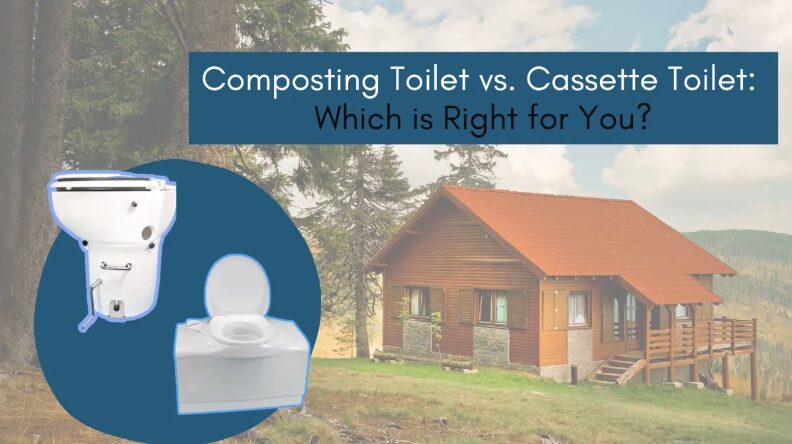
Credit: airheadtoilet.com
Maintenance And Care
Maintaining your toilet is crucial. It keeps things clean and fresh. This section explains how to care for both types. Let’s dive into the details.
Routine Cassette Toilet Care
Empty the cassette often. Do not let it get too full. Use special toilet fluid. This fluid controls odors. It breaks down waste too. Clean the cassette regularly. Use mild soap and water. Rinse it thoroughly. Keep the seals clean and lubricated. This prevents leaks. Check for any damage. Repair or replace parts as needed.
Routine Composting Toilet Care
Add bulking material regularly. This is usually peat moss. It absorbs moisture. It helps with odor control. Stir the compost pile. This aerates the material. It speeds up decomposition. Empty the solids chamber. Do this when it is full. Dispose of compost properly. Follow local guidelines. Clean the toilet bowl. Use a gentle cleaner. Avoid harsh chemicals. They can harm the microbes.
Troubleshooting Common Issues
Bad smells? Check the fluid. Cassette toilets need proper fluid. Composting toilets need bulking material. Ensure enough is added. Leaks? Inspect the seals. Lubricate them if dry. Replace damaged seals. Slow emptying? The vent may be blocked. Clear any obstructions. Composting is too wet? Add more bulking material. It absorbs excess moisture. Composting is too dry? Add a little water. Keep it slightly moist.
The Future Of Toilet Technology
Toilet technology is changing fast. New ideas are making bathrooms better. We see exciting developments. These changes affect waste handling. They also impact sustainability. The way we use toilets evolves.
Innovations In Waste Management
New toilet systems are emerging. They handle waste differently. Cassette toilets offer convenience. They are great for RVs. Composting toilets are also popular. They turn waste into compost. This reduces landfill waste. Smart toilets are another innovation. They monitor usage. They can even analyze waste. This data helps health tracking. Future toilets will be smarter. They will be more efficient. Waste will become a resource. This is a big shift.
Sustainability Trends
Sustainability is a major focus. People want eco-friendly options. Composting toilets fit this need. They use less water. They create valuable compost. This compost enriches soil. Cassette toilets also save water. They offer a contained system. This prevents pollution. The goal is a circular economy. Waste is not just waste. It becomes useful material. Future toilets will support this. They will minimize environmental impact. This is important for our planet.

Credit: separett.shop
Frequently Asked Questions
What Is A Cassette Toilet?
A cassette toilet stores waste in a removable tank. You empty this tank directly into a disposal point. They are common in RVs and boats.
What Is A Composting Toilet?
A composting toilet separates liquids and solids. It uses natural processes to break down waste. This creates a compostable material.
Cassette Vs. Composting: Which Is Better?
The best choice depends on your needs. Cassette toilets offer quick emptying. Composting toilets are more eco-friendly.
Do Cassette Toilets Smell Bad?
Proper use minimizes odors. Regular emptying is key. Sealable tanks help contain smells.
Do Composting Toilets Smell Bad?
Good ventilation is important. Proper management prevents most odors. They are designed to be low-odor.
Which Toilet Uses Less Water?
Composting toilets use very little water. They often use none at all. Cassette toilets use some water for flushing.
Which Toilet Is Easier To Install?
Cassette toilets are generally simpler to install. They require basic plumbing connections. Composting toilets may need more setup.
Conclusion
Choosing the right toilet matters. Cassette toilets offer simple use. Composting toilets provide eco-friendly benefits. Consider your needs carefully. Think about water usage. Waste disposal is key. Both have pros and cons. Make an informed decision. Your perfect toilet awaits.