
Are you struggling to connect black poly pipe to PEX tubing and not sure where to start? You’re not alone.
Getting a secure, leak-free connection between these two different pipes can feel tricky. But don’t worry—this guide will walk you through simple, step-by-step methods to make the job easier than you think. By the end, you’ll have the confidence and know-how to handle your plumbing project like a pro.
Keep reading to discover the tools, tips, and tricks that will save you time and frustration.
Materials Needed
Connecting black poly pipe to PEX pipe requires specific materials. Using the right supplies makes the process easier and ensures a strong connection. Gather everything before starting the project. This section covers all the essentials you need for a smooth connection.
Black Poly Pipe Essentials
Choose black poly pipe made for water supply. Check the pipe diameter to match other materials. Cut the pipe cleanly and straight. Avoid cracks or damage. Proper pipe quality helps prevent leaks and breaks.
Pex Pipe Requirements
Select PEX pipe designed for plumbing use. Confirm the size fits your project. Use flexible PEX to simplify installation. Cut the pipe with a sharp cutter. Ensure smooth, even ends for secure fitting.
Connection Fittings And Tools
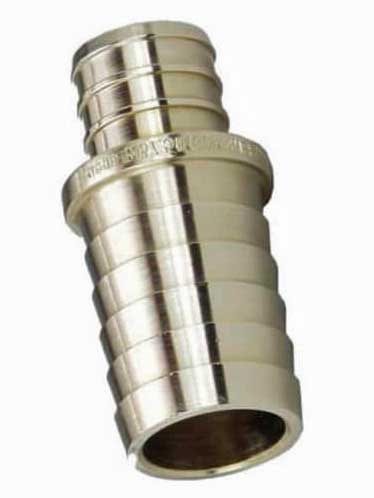
Use transition fittings made for poly to PEX connections. Brass or plastic fittings work well. Have a pipe clamp or compression tool ready. A pipe cutter and deburring tool are important. Use Teflon tape or pipe sealant for tight seals. Proper tools save time and prevent leaks.
Credit: terrylove.com
Preparing The Pipes
Preparing the pipes is the first step to connect black poly pipe to PEX. Proper preparation ensures a strong, leak-free joint. This step involves cutting the pipes to the right length and cleaning their ends. Clean cuts and smooth edges help the fittings fit perfectly. Let’s explore how to prepare each pipe type correctly.
Cutting Black Poly Pipe
Use a sharp pipe cutter designed for plastic tubing. Cut the black poly pipe straight and clean. Avoid crushing or deforming the pipe. A clean cut makes a better seal with fittings. Measure twice and cut once to get the right length.
Cutting Pex Pipe
Choose a PEX pipe cutter for smooth, straight cuts. Cut the pipe perpendicular to its length. Avoid twisting the cutter to prevent uneven edges. A clean cut prevents leaks and fitting damage. Keep the cut ends free of cracks or splits.
Cleaning And Deburring
Remove any burrs or rough edges from both pipes. Use a deburring tool or sandpaper for this task. Clean the pipe ends with a cloth to remove dirt and grease. Clean, smooth pipe ends improve fitting connection and seal. Proper cleaning reduces the risk of leaks.
Choosing The Right Connector
Choosing the right connector is key for joining black poly pipe to PEX. The connector must hold tight and stop leaks. It should fit both pipe types well. Picking the wrong connector can cause problems later. Here are common options to consider.
Compression Fittings
Compression fittings use a nut and ring to seal pipes. They work by squeezing the pipe ends together. These fittings are strong and reliable. They do not need special tools for installation. They suit different pipe sizes and types. Tighten the nut carefully to avoid damage.
Barbed Fittings With Clamps
Barbed fittings have ridges to grip the pipe inside. Use a clamp to hold the pipe firmly on the fitting. They are simple to install and cost-effective. Clamps must be tight to prevent leaks. These fittings work well for flexible pipes like poly and PEX.
Push-to-connect Adapters
Push-to-connect adapters snap onto the pipe end. They create a secure seal without tools or glue. These adapters are quick and easy to use. They fit both black poly pipe and PEX. Ideal for DIY projects or repairs.
Step-by-step Connection Process
Connecting black poly pipe to PEX requires careful steps to ensure a strong, leak-free joint. Follow these clear instructions to make the connection safe and durable. The process involves attaching fittings to the poly pipe, connecting PEX tubing to those fittings, and then securing and testing the joint.
Attaching Fittings To Black Poly Pipe
Start by cutting the black poly pipe cleanly and squarely. Use a pipe cutter designed for plastic pipes for best results. Slide a compression fitting or a barbed fitting onto the pipe end. Push the fitting firmly until it seats properly inside the pipe. Tighten the compression nut or clamp the barbed fitting with a hose clamp. Make sure the fitting is secure and will not pull off.
Connecting Pex To Fittings
Cut the PEX tubing straight and remove any burrs. Slide a PEX crimp ring or clamp ring over the tubing end. Push the PEX tubing onto the fitting’s barb or insert until it stops. Position the crimp or clamp ring about 1/8 inch from the fitting. Use a PEX crimp tool or clamp tool to secure the ring tightly around the tubing. Check that the tubing does not slide off the fitting.
Securing And Testing The Joint
After both connections are tight, inspect the joint carefully. Look for gaps or loose parts. Turn on the water supply slowly and watch for leaks. If water drips, tighten the fittings or clamps more. Once no leaks appear, the connection is complete. Test the joint under normal pressure to ensure durability.
Common Mistakes To Avoid
Connecting black poly pipe to PEX requires care and attention. Mistakes can cause leaks or damage. Avoid common errors to ensure a secure, long-lasting connection.
Improper Cutting Techniques
Cutting pipes unevenly leads to poor connections. Use a sharp pipe cutter for clean, straight cuts. Avoid crushing or deforming the pipe ends during cutting.
Using Incorrect Fittings
Each pipe type needs the right fittings. Black poly and PEX require specific connectors. Using wrong fittings can cause leaks or weak joints.
Overtightening Clamps
Clamps hold pipes tightly but overtightening causes damage. Too much pressure can crack the pipe or fittings. Tighten clamps just enough to hold firmly without squeezing.

Credit: www.youtube.com
Maintenance Tips For Long-lasting Connections
Maintaining a strong and secure connection between black poly pipe and PEX is key to a reliable plumbing system. Proper care helps avoid leaks and extends the life of the fittings. Small efforts in upkeep can save time and money later.
Follow these simple tips to keep your connections working well over time. Regular checks and timely fixes make all the difference.
Regular Inspections
Check your connections every few months. Look for cracks, wear, or loose fittings. Use a flashlight to see hidden spots clearly. Tighten any loose clamps or connectors gently. Early detection prevents bigger problems.
Leak Detection Methods
Watch for drops in water pressure or damp areas near joints. Use soapy water on fittings; bubbles mean leaks. Listen for dripping sounds in quiet rooms. Act fast to fix leaks and stop damage.
When To Replace Fittings
Replace any fitting that shows cracks or corrosion. If tightening no longer stops leaks, swap it out. Old or brittle parts fail more often. Use new connectors designed for poly pipe and PEX for best results.
:max_bytes(150000):strip_icc()/fixing-a-leaking-black-poly-pipe-2718678-04-22285369fe8a412589cc3376094997f9.jpg)
Credit: www.thespruce.com
Frequently Asked Questions
How Do I Connect Black Poly Pipe To Pex Tubing?
Use a brass or plastic compression fitting designed for both pipes. Slide the fitting over the poly pipe and insert the PEX tubing into the other end. Tighten the fitting to create a secure, leak-free connection.
What Tools Do I Need To Join Black Poly Pipe And Pex?
You need a pipe cutter, adjustable wrench, and suitable compression fittings. A pipe cutter ensures clean cuts, and the wrench tightens the fittings properly. These tools help make a strong, lasting connection.
Can I Use Regular Fittings For Poly Pipe And Pex?
No, standard fittings won’t fit both types well. Use fittings made specifically for joining poly pipe to PEX. These fittings prevent leaks and ensure the connection is safe and durable.
Is It Necessary To Use Clamps On The Connection?
Clamps add extra security and prevent leaks. Use stainless steel clamps or compression rings on both sides of the fitting. Clamps keep pipes from slipping out under pressure.
How Do I Prevent Leaks When Connecting Poly Pipe To Pex?
Make sure pipe ends are cut straight and clean. Use the correct fittings and tighten them properly. Adding pipe thread tape can improve the seal and avoid leaks.
Can I Connect Black Poly Pipe Directly To Pex Without Adapters?
Direct connection is not recommended as pipe sizes and materials differ. Always use a proper adapter or fitting designed for both pipes. This ensures a safe and leak-proof joint.
What Are Common Mistakes To Avoid When Joining Poly Pipe And Pex?
Avoid uneven cuts and over-tightening fittings. Using the wrong fittings or skipping clamps can cause leaks. Always follow manufacturer instructions for the best results.
Conclusion
Connecting black poly pipe to PEX is simple with the right tools. Use proper fittings to ensure a tight seal. Avoid leaks by checking connections carefully. Take your time and follow each step closely. This helps your plumbing work last longer and work better.
Now, you can confidently join these pipes for your projects. Easy and reliable connections save time and effort. Keep your plumbing safe and strong with these tips.