
Have you ever wondered how many cups of alkalinity up it takes to equal a pound? If you’re working with pool maintenance or balancing water chemistry, this question is more important than you might think.
Understanding the exact measurements helps you get the perfect balance quickly and avoid costly mistakes. You’ll discover the simple math behind alkalinity up conversions and learn how to handle it with confidence. Keep reading, and you’ll never guess how easy it can be to get it right every time.
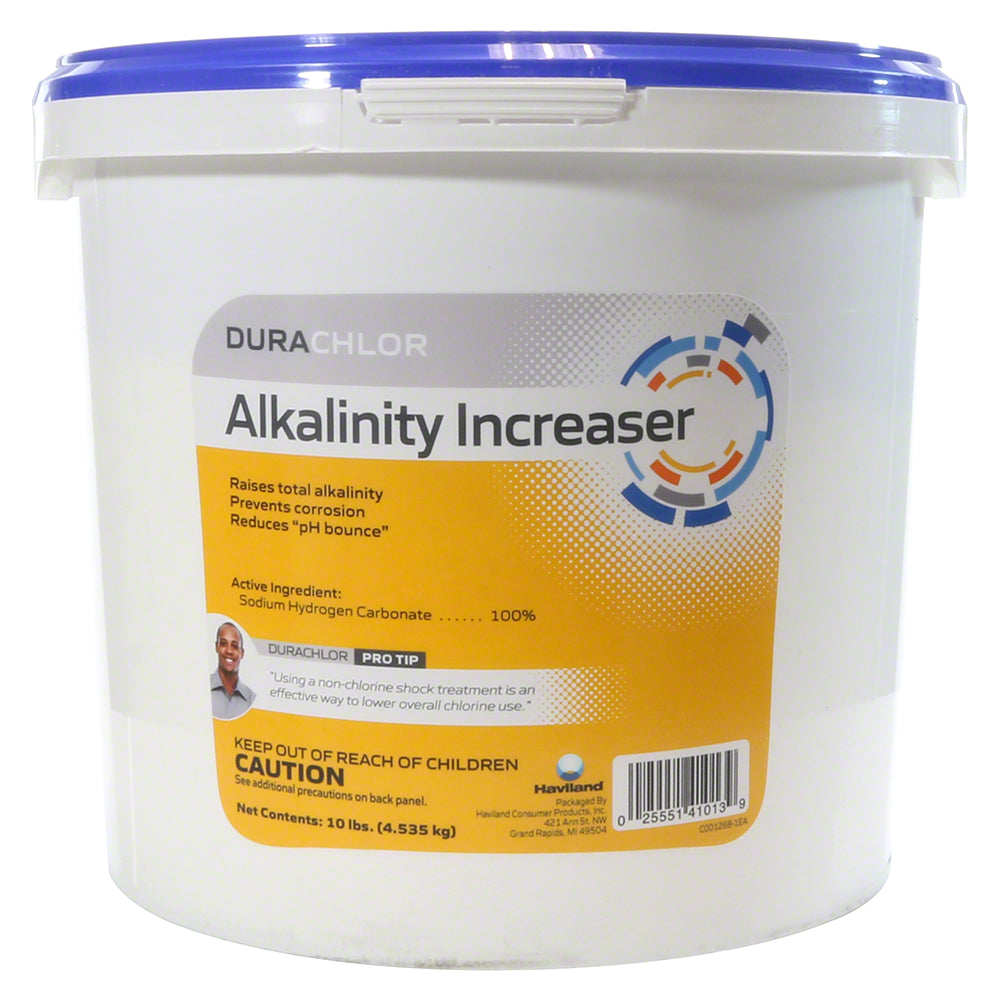
Credit: www.poolweb.com
Alkalinity Up Basics
Understanding the basics of Alkalinity Up helps maintain clear and safe pool water. It is a product designed to raise the total alkalinity in your pool. Proper alkalinity levels prevent water from becoming too acidic or too basic. Balanced water protects pool surfaces and equipment from damage.
Knowing what Alkalinity Up is and how it is used helps pool owners keep their water in good condition. This knowledge also supports safe swimming and extends the life of pool components.
What Is Alkalinity Up
Alkalinity Up is a chemical used to increase the total alkalinity in pool water. It usually contains sodium bicarbonate, also known as baking soda. This compound neutralizes acids and stabilizes pH levels. Maintaining proper alkalinity prevents sudden pH changes that can irritate skin and eyes.
The product comes in powder or granular form. It dissolves easily in water and raises alkalinity without causing large pH swings. Pool owners use it to keep water balanced and safe for swimming.
Common Uses In Pools
Pool owners add Alkalinity Up to correct low alkalinity levels. Low alkalinity can cause water to become corrosive. This may damage pool liners, metal parts, and filters. Proper alkalinity protects these components and keeps the water comfortable.
Alkalinity Up also helps maintain the right pH range. Stable pH improves chlorine efficiency, which keeps the water clean. Regular testing and adjusting alkalinity with Alkalinity Up ensures healthy pool water all season.
Measurement Units Explained
Understanding measurement units is key to using alkalinity up correctly. Many wonder how cups relate to pounds in this context. Knowing the difference helps you measure precisely. This section breaks down the basics clearly. It will help you handle alkalinity up safely and effectively.
Cups Vs Pounds
Cups measure volume, or how much space a substance takes. Pounds measure weight, or how heavy something is. Alkalinity up is usually sold by weight, in pounds. Home users often measure it by volume, using cups. One cup does not always equal the same weight. The density of alkalinity up changes how much a cup weighs. This means one cup might weigh less or more than one pound. For best results, use a scale if possible. Scales give the most accurate measurement for pounds.
Why Accurate Measurement Matters
Adding too much alkalinity up can harm your pool water. Too little will not fix the problem. Accurate measurement keeps your water balanced and safe. It also saves money by avoiding waste. Small errors in measuring can cause big changes in water quality. Follow instructions closely to get the best results. Use the right tools for measuring volume or weight. This reduces mistakes and keeps your pool healthy.
Converting Cups To Pounds
Converting cups to pounds is important for accurate measurements in cooking and gardening. Cups measure volume, while pounds measure weight. This difference makes direct conversion tricky. Knowing the right ratios helps achieve the correct amount for your needs.
Alkalinity Up, a common water treatment product, varies in density. This affects how many cups equal one pound. Understanding these details ensures proper usage and prevents mistakes.
Standard Cup-to-pound Ratios
Most powders have a general cup-to-pound conversion. For Alkalinity Up, one cup usually weighs about 0.5 pounds. This means two cups make roughly one pound. Remember, this is an estimate and can vary slightly.
Using this ratio helps in quick measuring without a scale. It is useful for gardeners and pool owners needing simple measurements.
Factors Affecting Conversion
Density changes with moisture content. Wet powders weigh more than dry powders. Packing density also matters. Tightly packed cups hold more weight than loosely filled ones.
Different brands may have slight variations in product density. Temperature and humidity can affect the powder’s weight, too. These factors make precise conversion challenging without a scale.
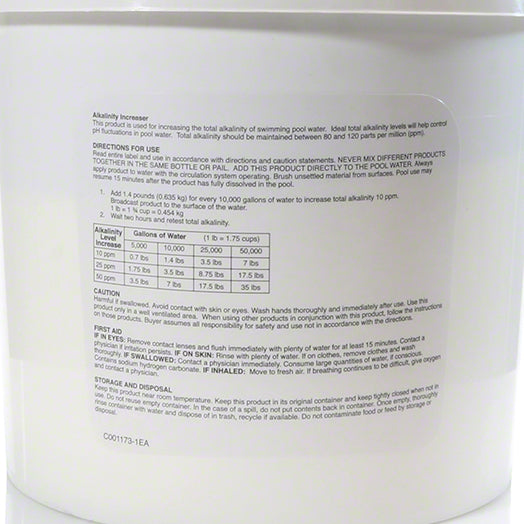
Credit: www.poolweb.com
Exact Measurement For Alkalinity Up
Knowing the exact measurement for Alkalinity Up is important for pool maintenance. It helps keep the water balanced and safe. Using the right amount prevents damage to pool surfaces and equipment. Accuracy is key to maintaining proper alkalinity levels.
This section explains how to measure Alkalinity Up correctly. Follow the steps for the best results.
Manufacturer Guidelines
Always check the product label first. Manufacturers provide clear instructions on how much to use. The label usually states the amount in cups per pound or per gallon of water. These guidelines are tested for safety and effectiveness. Use a measuring cup for accuracy. Avoid guessing or eyeballing the amounts.
Practical Measurement Tips
Use a clean, dry cup to measure the powder. Level off the cup for an exact amount. Adding too much can raise alkalinity too high. Stir the water well after adding Alkalinity Up. Test the water again before adding more. Small adjustments work better than large ones. Keep notes on how much you add each time. This helps track changes over time.
Tools For Precise Measurement
Accurate measurement is key when working with alkalinity up products. Without precise tools, you risk using too much or too little. This affects your results and can cause frustration. Choosing the right tools helps you measure the correct amount every time. It also saves time and reduces waste.
Measuring Cups And Scales
Measuring cups are common for liquids and powders. Use cups marked with clear, easy-to-read lines. This helps avoid guesswork. For greater accuracy, digital kitchen scales work best. They measure weight, not volume, which is more precise. Scales can measure in grams or ounces for flexibility. Always use the same tool for consistency.
Calibration And Accuracy
Calibration keeps your tools accurate over time. Check scales regularly with standard weights. Measuring cups should be checked against known volumes. Avoid using damaged or worn tools. Even small errors affect the final measurement. Accurate tools ensure you add the right amount of alkalinity up each time.
Credit: www.safecastle.com
Impact On Pool Chemistry
Alkalinity plays a key role in pool chemistry. It helps keep the water balanced and safe for swimmers. Proper alkalinity levels protect the pool surfaces and equipment. They also prevent water from becoming too acidic or too basic.
When alkalinity is off, the pool water can cause skin irritation and damage pool parts. Maintaining the right alkalinity helps keep the pH stable. This reduces the need for constant adjustments and chemical use.
Adjusting Alkalinity Levels
To raise alkalinity, add baking soda or a commercial alkalinity increaser. The amount depends on pool size and current alkalinity. One pound of alkalinity increaser usually raises 10,000 gallons by about 10 ppm. Use cups to measure small amounts carefully. Add chemicals slowly and mix well before retesting.
Lowering alkalinity often requires adding muriatic acid or sodium bisulfate. Add small doses and check levels after each application. This prevents overcorrection and keeps water balanced.
Avoiding Over Or Under Treatment
Too much alkalinity causes cloudy water and scaling on surfaces. It also makes pH rise quickly. Too little alkalinity leads to corrosion and pH swings. Both conditions harm pool equipment and swimmer comfort.
Test alkalinity regularly using a reliable test kit. Make small changes and retest after each adjustment. Patience and care avoid big swings in water chemistry.
Common Mistakes To Avoid
Understanding how many cups of alkalinity up equal a pound can be tricky. Many people make simple mistakes that cause confusion and errors. Avoiding these common errors helps you measure and use alkalinity up correctly. This section highlights key pitfalls to watch out for.
Misreading Measurements
One common mistake is misreading the measurement units. Cups and pounds are different types of measurements. Cups measure volume, while pounds measure weight. Confusing these can lead to using too much or too little product. Always check the product label carefully for instructions.
Using a proper measuring cup helps avoid errors. Kitchen cups and liquid measuring cups are not the same. Liquid cups have a spout and clear markings. Dry measuring cups are filled and leveled off. Use the right tool for the best accuracy.
Ignoring Product Variations
Not all alkalinity up products are the same. Different brands may have different densities or formulas. This changes how much volume equals a pound. Using a standard conversion without checking the product can cause mistakes.
Read the product label for specific instructions. Some products may list both weight and volume. Follow those directions rather than guessing. This ensures you add the correct amount for your pool.
Frequently Asked Questions
How Many Cups Of Alkalinity Equal One Pound?
One pound of alkalinity roughly equals 16 cups. This is based on standard water treatment measurements. Exact amounts can vary slightly by substance density.
What Is Alkalinity Measured In Besides Cups And Pounds?
Alkalinity is often measured in parts per million (ppm) or milligrams per liter (mg/L). These units help assess water quality precisely. Cups and pounds are more common for bulk handling.
How Does Alkalinity Affect Water Balance?
Alkalinity helps stabilize water pH and prevent sudden changes. It acts as a buffer, keeping water safe and balanced. Proper alkalinity supports healthy aquatic life and plumbing systems.
Can Alkalinity Be Converted To Other Units Easily?
Yes, alkalinity can be converted using simple formulas. Knowing the substance’s density helps convert cups to pounds. Online calculators can also simplify this process.
Why Is Knowing Alkalinity Quantity Important?
Knowing alkalinity helps maintain water quality and safety. It guides treatment processes and chemical dosing. Accurate measurements prevent damage to equipment and health risks.
Does Temperature Affect Alkalinity Measurement?
Temperature can slightly change alkalinity readings. Warmer water may increase chemical activity, altering results. It’s best to measure alkalinity at consistent temperatures for accuracy.
How To Measure Alkalinity At Home?
Use test kits designed for alkalinity measurement. They provide quick and easy readings in ppm or mg/L. Follow kit instructions carefully for best results.
Conclusion
Knowing how many cups of alkalinity UP equal a pound helps in measuring accurately. This knowledge saves time and avoids mistakes in mixing. Always measure carefully to keep your water balanced and safe. Use a reliable scale or measuring cup for best results.
Keeping track of amounts makes pool care easier and clearer. Small steps lead to better water quality and fewer problems. Understanding these basics helps maintain your pool or spa well. Simple math and good tools make the process smooth and stress-free.